Skip the crowds. Ramotswa offers dry-season wildlife, authentic Setswana culture, and easy access from Gaborone without the safari premium.
The taxi meter in Gaborone reads 379 ZAR before the driver even puts the car in gear. That is the price of admission to Ramotswa, a village 37.3 kilometers southwest of the capital where the red dust is thicker and the air is cleaner. It takes about 41 minutes to drive there, a journey that transitions from paved suburban sprawl to the quiet, open landscape of the South-East District. If you are visiting in autumn, you are arriving at the precise moment the country transforms. The rains have stopped. The grass has dried. The animals are gathered around the remaining water sources, visible from the road if you know where to look.
The Dry Season Advantage
Autumn in Botswana is the standard. From April or May through October, the weather is cool, dry, and remarkably stable. This is the window when the roads out of Ramotswa become passable. During the wet season, November through April, the earth turns to a sticky, sucking mud that can turn a simple drive into a four-hour ordeal. In autumn, the ground is hard. You can drive to Mokolodi, the nature reserve and wildlife area near Ramotswa, without worrying about your undercarriage.
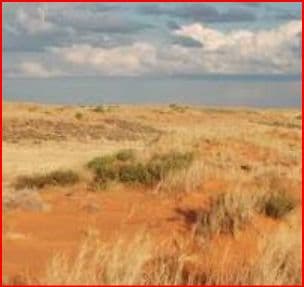
Mokolodi is a stretch of land where wildlife viewing happens in the wild, free from the trappings of fenced-off parks with ticket booths and gift shops. Because the vegetation is thinner in the dry season, spotting a giraffe or a herd of impala is a matter of patience. The light in the late afternoon, golden and low, casts long shadows across the plains. It is the kind of view that makes the 41-minute drive from Gaborone feel like a commute to a different planet.
Cultural Roots in a Small Village
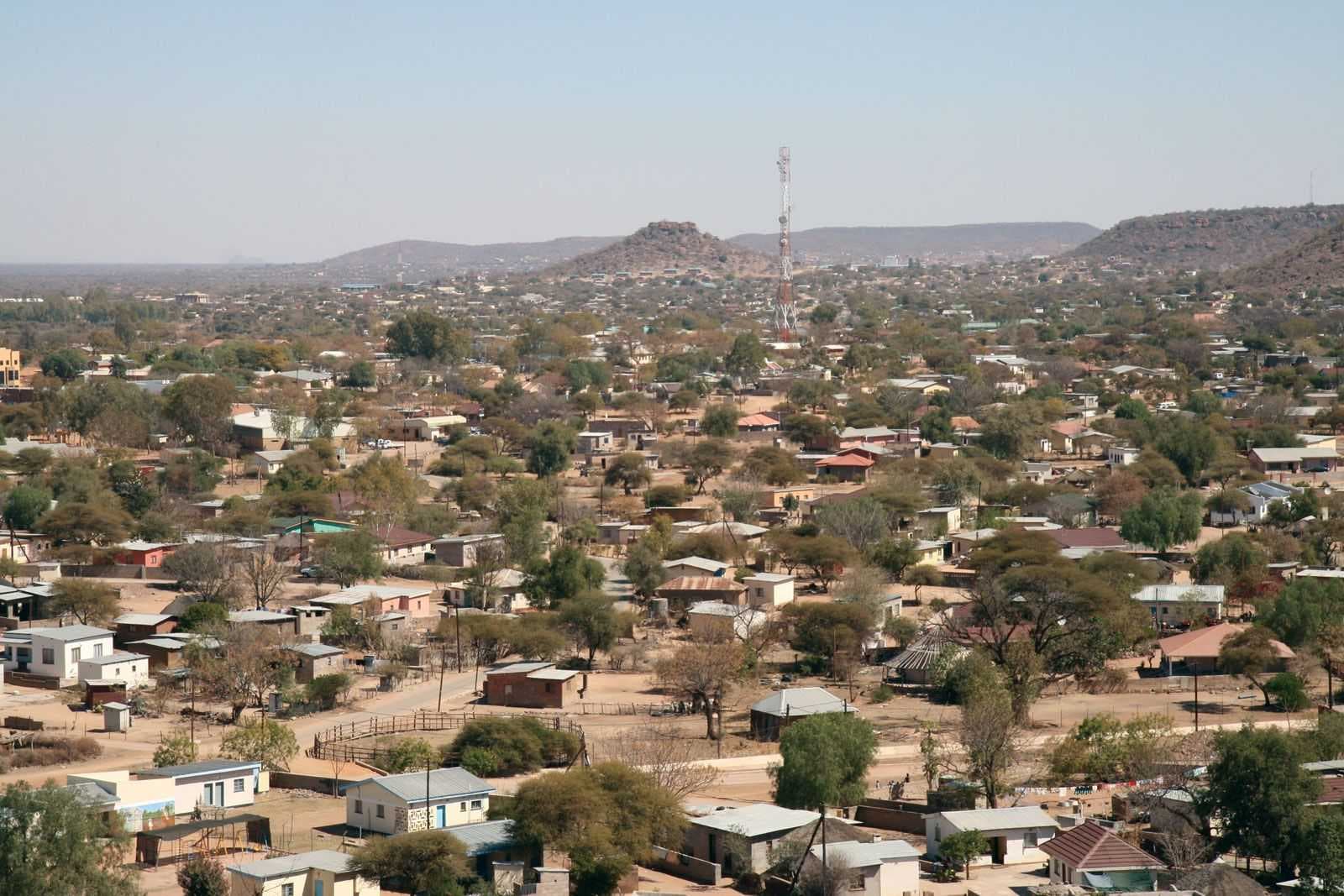
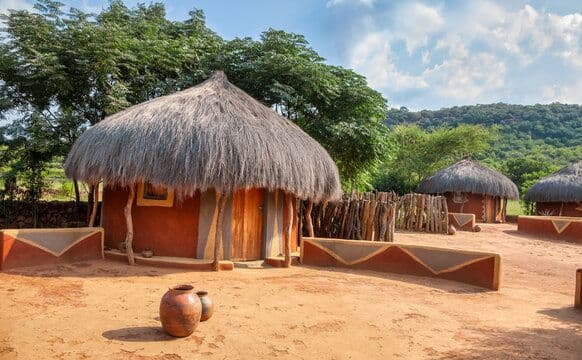
Ramotswa is a living community with a population that hovers around 21,000 to 27,000, depending on which census you trust. It is far from a tourist trap. The heart of the village's cultural identity is anchored by the home of Kgosi (Chief) Mosielele. This site of traditional architecture is a tangible link to the Setswana culture that defines the region. The social structures of the village still operate here, making it a place of active life.
Visiting here requires a different kind of etiquette than a safari lodge. You are a guest in a home. The interactions are personal, often unsolicited, and deeply human. You might find yourself sharing stories with a local elder or observing the daily rhythms of village life. The authenticity here is unpolished and direct. If you are looking for a cultural experience that doesn't come with a price tag attached to every handshake, this is it.
Eating Like a Local
You will not find a fine-dining restaurant in Ramotswa, and you should not expect one. The culinary highlight is Seswaa. This is a traditional staple of beef, goat, or lamb, slow-cooked for hours until it falls apart, then pounded or shredded into a fibrous consistency. It is served with thick maize porridge.
The taste is rich, savory, and deeply comforting. It is food that sustains. In Ramotswa, you might find it served in a local eatery or even shared from a large pot. The meal is an experience in itself. The texture of the meat, the warmth of the porridge, and the communal aspect of eating it all combine to create a meal that sticks with you long after the plate is empty. It is humble, hearty, and honest.
Getting There and Around
The most practical way to reach Ramotswa is by road from Gaborone. The distance is roughly 37.3 kilometers by road, a drive that takes about 41 minutes. You can hire a taxi from Gaborone for approximately 379 ZAR. This is a fixed, reasonable fare for the distance. While some distance references list a "Ramotswa Station" or "Taung," specific active rail lines for direct passenger service are not clearly confirmed in recent sources. Treat the road as your primary artery.
If you are driving yourself, the route is straightforward. The roads are generally in good condition during the dry season. However, be prepared for the change in environment. The scenery shifts from the urban edge of Gaborone to the open, arid landscape of the South-East District. Keep your windows up if you are not a fan of red dust, and keep your eyes open for wildlife crossing the road. The animals have the right of way here.
Timing Your Visit
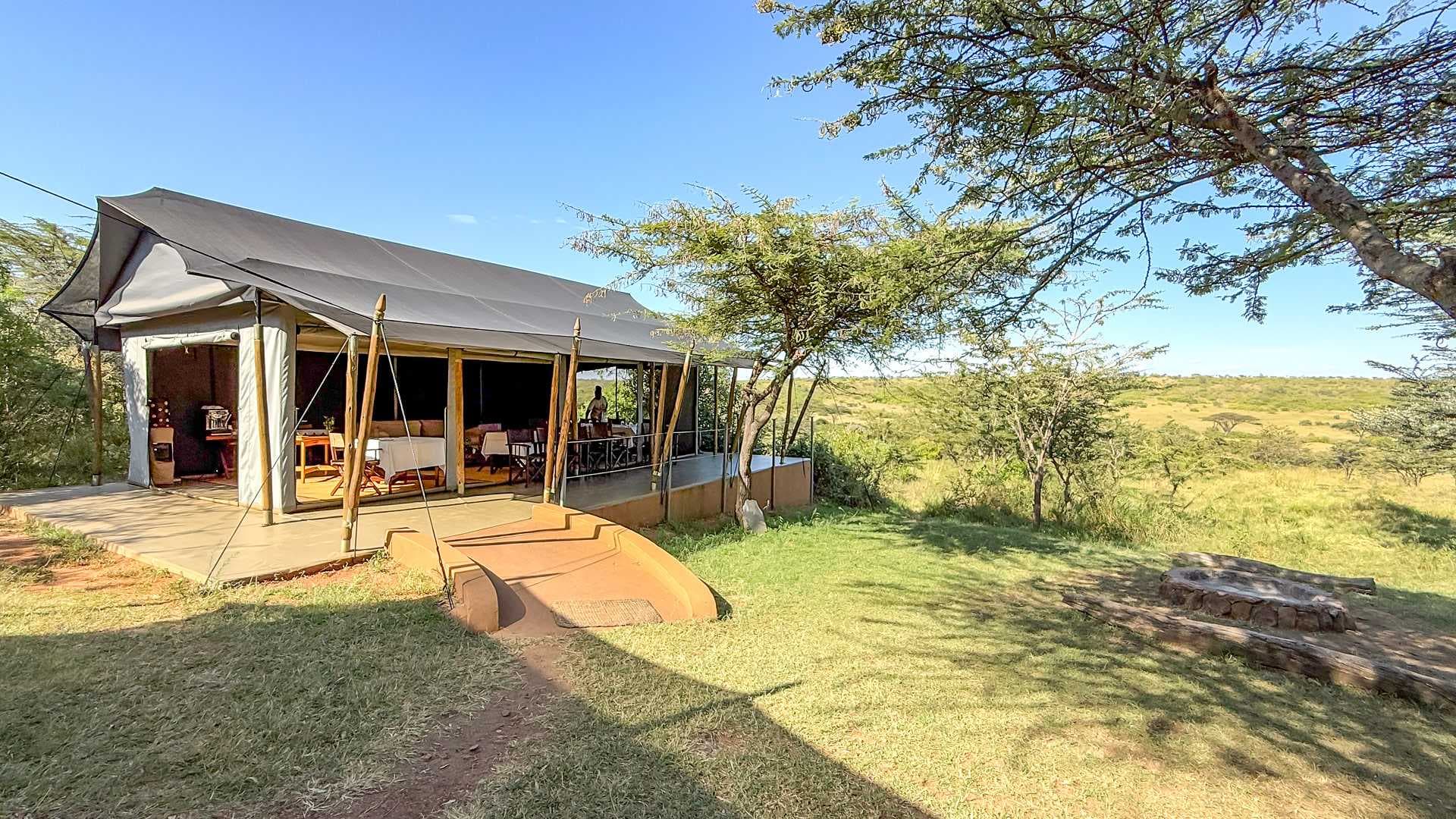
The best time to visit Ramotswa is during the dry season, specifically from May to October. This is when the weather is coolest and the landscape is most accessible. Autumn, which includes September and October, is particularly good. The days are warm but not scorching, and the nights are cool enough to require a jacket.
However, be mindful of upcoming holidays. Botswana Day is on September 30, 2026, with a holiday on October 1. If you are visiting during this two-week window, expect higher demand for local accommodation and potentially higher taxi fares. Book early if you are planning to be in the area around this time. Otherwise, the village is quiet and welcoming. This destination is best for slow travelers, families who want a break from the city, or solo travelers who enjoy solitude. A stay of two to three days is sufficient to explore the village, visit Mokolodi, and experience the local culture without feeling rushed.
Practical Questions
Do I need a visa to enter Botswana? Most Western tourists do not need a visa for short stays, but you should always check the latest entry requirements for your specific nationality before traveling. A valid passport is required.
Is it safe to visit Ramotswa? Ramotswa is generally considered safe, especially for tourists who stay in the main areas and follow basic precautions. As with any rural area, be aware of your surroundings, especially after dark, and respect local customs.
What currency is used? The official currency is the Botswana Pula (BWP). South African Rand (ZAR) is widely accepted in border areas and often in Gaborone, but it is best to carry Pula for local transactions in smaller villages like Ramotswa.