Spring in the Ermera District brings a crisp, cool mist to the mountains of East Timor, transforming Railaco into a landscape of deep greens and earthy browns. Far removed from the coastal humidity of Dili, this administrative post sits high in the central highlands, where the air smells of wet soil and roasting coffee beans. For travelers seeking genuine connection rather than curated tours, Railaco offers a window into the daily rhythms of Timorese life. Here, culture is not displayed behind glass but lived out in village squares, woven into intricate textiles, and shared over cups of locally grown coffee. This guide explores how to engage respectfully and meaningfully with the community in this quiet corner of Southeast Asia.
The Coffee Culture of the Highlands
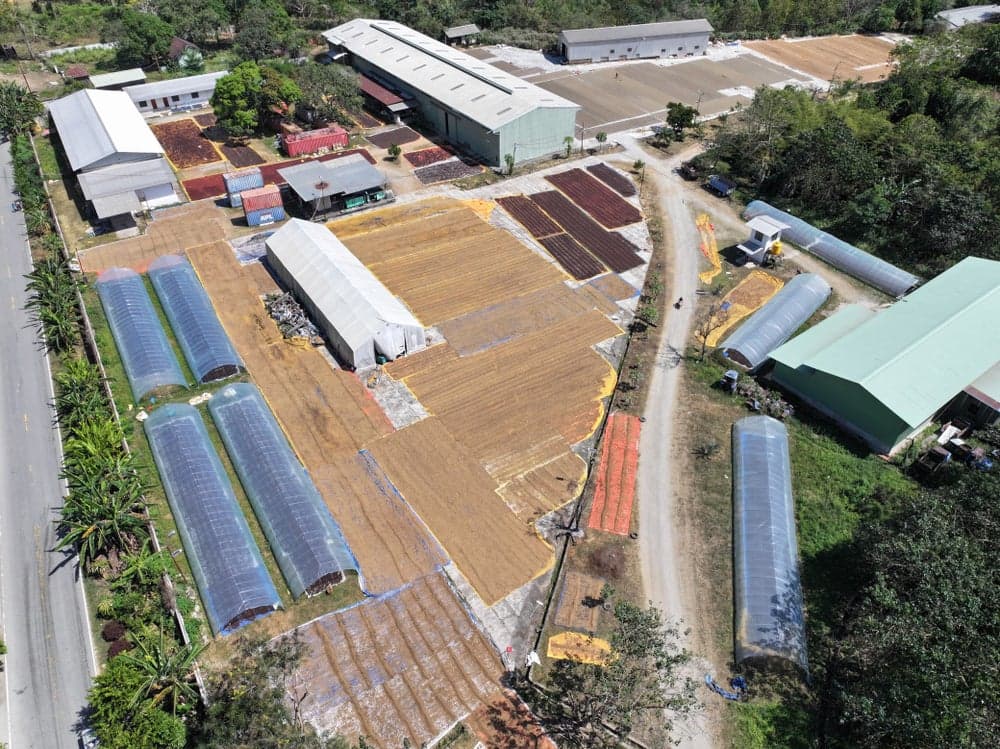
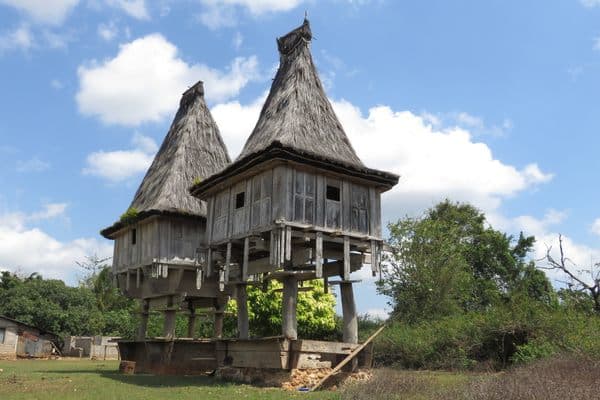
Railaco lies within the heart of Ermera, a district renowned for producing some of the finest organic coffee in the world. The region’s elevation, ranging from 1,000 to 1,500 meters, provides the perfect microclimate for Arabica beans. Unlike the mass-produced blends found in supermarkets, coffee here is a social ritual. Farmers often process their beans using natural drying methods, laying them out on raised beds or concrete patios under the spring sun.
Visitors can engage with this tradition by visiting smallholder farms on the outskirts of the village. It is common for farmers to invite guests to taste fresh brews, often served in simple enamel cups. The flavor profile is distinct—earthy, with notes of chocolate and fruit—reflecting the volcanic soil. When visiting, it is polite to ask permission before photographing the drying process or the farmers at work. A small tip or the purchase of a bag of green beans supports the local economy directly. The experience is less about the beverage itself and more about the patience and care embedded in every step of production.
Traditional Textiles and Weaving
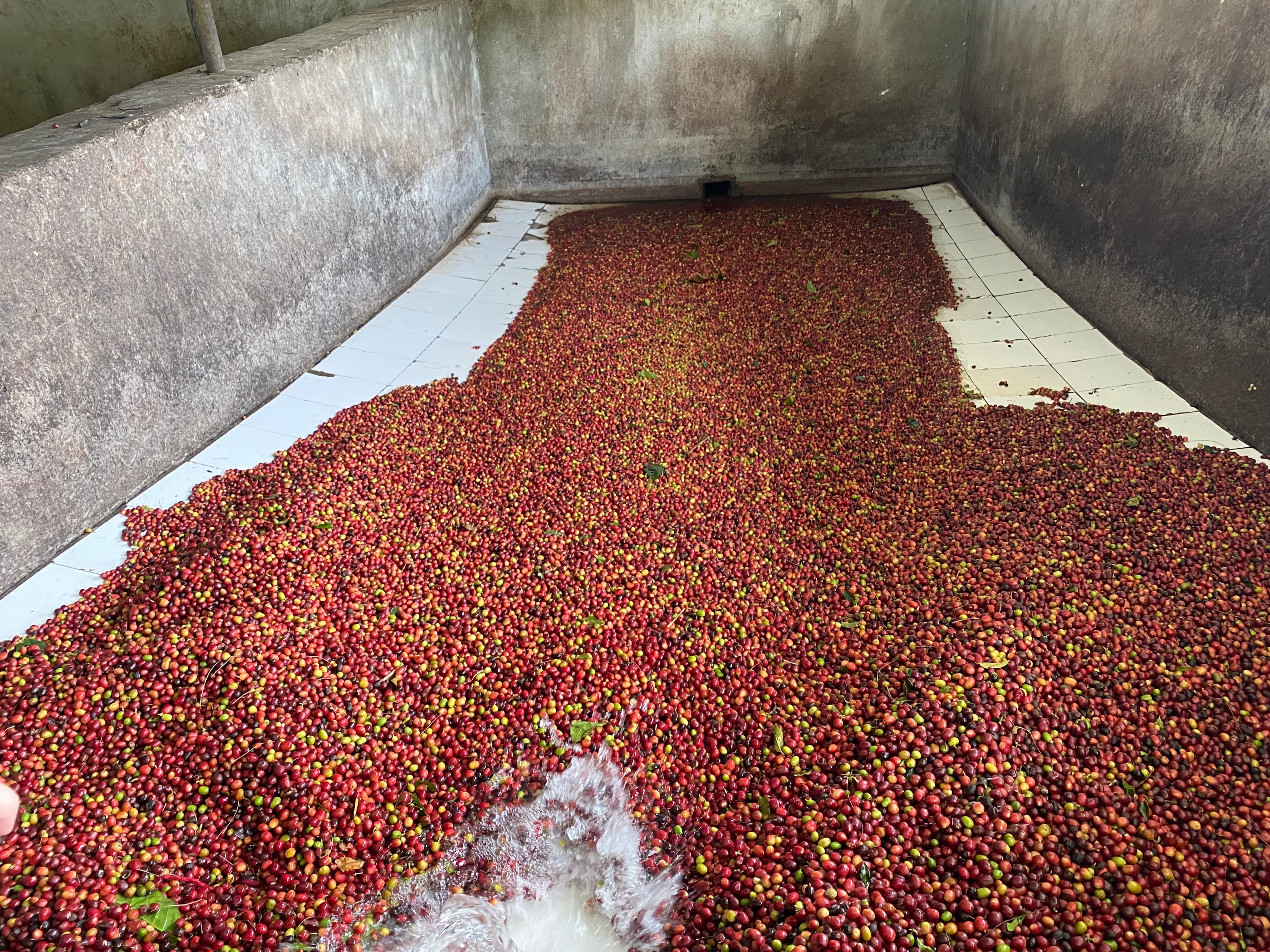
Textile weaving is a cornerstone of cultural identity in East Timor, and Railaco preserves these ancient techniques. Women in the community continue to weave tais, a traditional cloth featuring geometric patterns that signify status, region, and clan affiliation. The process is labor-intensive, requiring a backstrap loom that is worn around the weaver’s waist and anchored to a tree or post. Each pattern tells a story; the intricate designs are passed down through generations of mothers and daughters.
In Railaco, you may encounter weavers working in shaded courtyards or community centers. Observing a weaver at work offers a meditative glimpse into the precision required for this craft. The rhythmic clacking of the loom and the vibrant colors of the cotton threads create a sensory experience that photographs alone cannot capture. If you wish to purchase a piece, negotiate respectfully and remember that a single meter of handwoven tais can take weeks to complete. These textiles are not merely souvenirs; they are wearable art that carries the heritage of the Ermera people. Buying directly from the artisan ensures that the cultural value is honored and the creator is compensated fairly.
Community Gatherings and Social Life
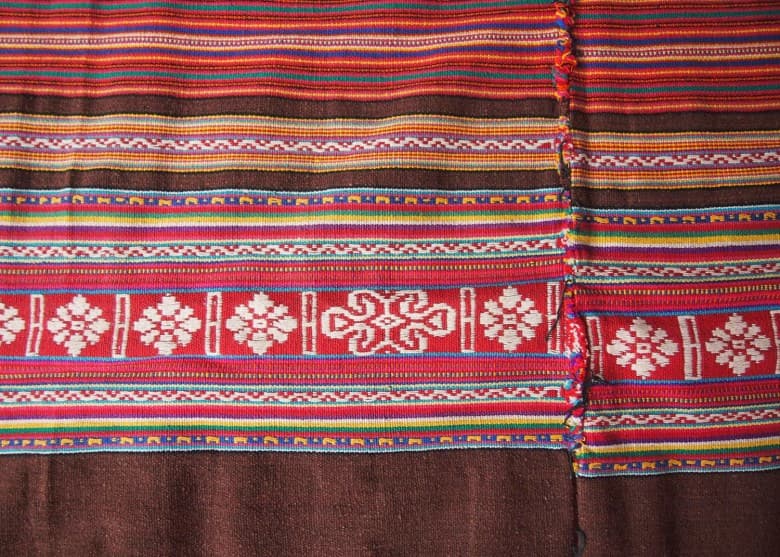
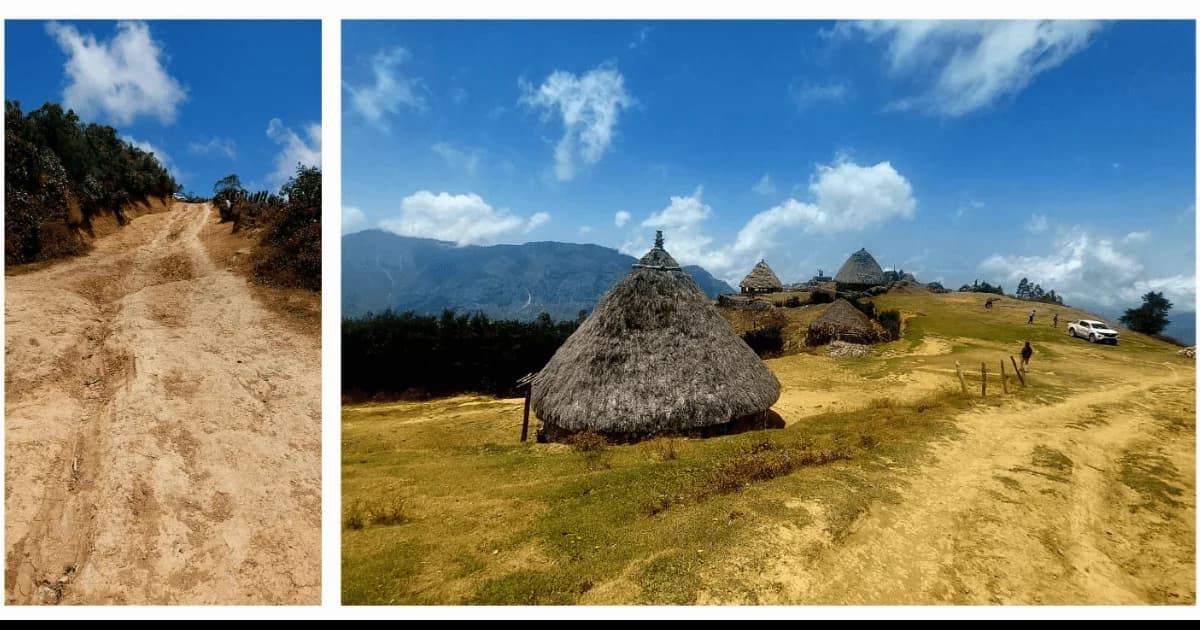
Social life in Railaco revolves around the uma lulik, or sacred house, and the central village square. These spaces serve as hubs for decision-making, dispute resolution, and celebration. While outsiders are rarely invited into the inner sanctum of the sacred house, the surrounding areas are often open to respectful observers during community events. Spring is a time of renewal, and villages often hold small gatherings to mark agricultural cycles or religious holidays.
Respect is paramount when engaging with local customs. Dress modestly, covering shoulders and knees, and always ask permission before taking photos of people, especially elders. Greetings are formal; a handshake accompanied by a nod is appropriate, but wait for the local person to initiate physical contact. Conversations often start with inquiries about family and health rather than business or tourism. By taking the time to learn a few basic phrases in Tetum, the national language, you demonstrate respect and often unlock warmer interactions. The community in Railaco is known for its resilience and warmth, but this hospitality is earned through humility and genuine interest.
Culinary Traditions and Local Markets
Food in Railaco is simple, seasonal, and deeply communal. The staple diet consists of rice, complemented by vegetables like cassava, sweet potatoes, and leafy greens. Meat, usually pork or chicken, is reserved for special occasions. The local market, often held on specific days of the week, is the best place to observe these culinary traditions. Vendors sell fresh produce, dried fish, and traditional snacks like ai-hun, a rice flour cake.
One unique culinary experience is trying tama’n, a dish made from cassava leaves cooked with coconut milk and spices. It has a rich, creamy texture and a subtle bitterness that balances the sweetness of the coconut. Eating with the community, often on the ground or at low tables, fosters a sense of shared humanity. It is customary to wash hands before eating, as utensils may not always be available. Sharing a meal is a significant gesture of trust and friendship in Timorese culture. By participating in these daily rituals, travelers gain a deeper understanding of the values that bind the community together.
Practical Tips for Cultural Immersion
Visiting Railaco requires preparation and a flexible mindset. Infrastructure is basic, with limited accommodation options and few tourist facilities. Most visitors stay in guesthouses in nearby Hatolia or Dili, making day trips to Railaco. However, staying overnight in a local family’s home, if arranged through a trusted local guide, offers an unparalleled immersive experience.
Spring (September to November) is an ideal time to visit, as the weather is dry and cool, making hiking and outdoor activities comfortable. Temperatures range from 15°C to 25°C during the day, dropping significantly at night. Pack layers, sturdy walking shoes, and a reusable water bottle, as plastic waste is a growing concern in the highlands. Cash is king; ATMs are non-existent in Railaco, so withdraw enough Tetum Dollars (USD is also widely accepted) in Dili before heading inland.
Finally, travel with a local guide who speaks Tetum and understands the nuances of village etiquette. They can bridge language barriers, facilitate introductions, and ensure that your presence is welcomed rather than intrusive. Cultural exchange is a two-way street; by approaching Railaco with curiosity, respect, and an open heart, you contribute to the preservation of these traditions while gaining memories that last a lifetime. The highlands of East Timor offer not just a destination, but a profound lesson in community, resilience, and the enduring power of tradition.