A remote county in North Korea’s Hamgyong region. Here is what you can actually expect to shoot, the logistics of getting there, and why most visitors won’t be doing it solo.
The Reality of Shooting in a Closed County
Changgang-gun is a county in South Hamgyong Province, located in the mountainous interior of North Korea. It is far from a typical weekend photo trip destination. There are no independent travel blogs with geotagged photos from here because access is strictly controlled by the state tourism apparatus. If you see a “hidden gem” Instagram post claiming someone shot a drone video over the local rice paddies, that person was either on an official tour with a handler at their elbow or they are lying.
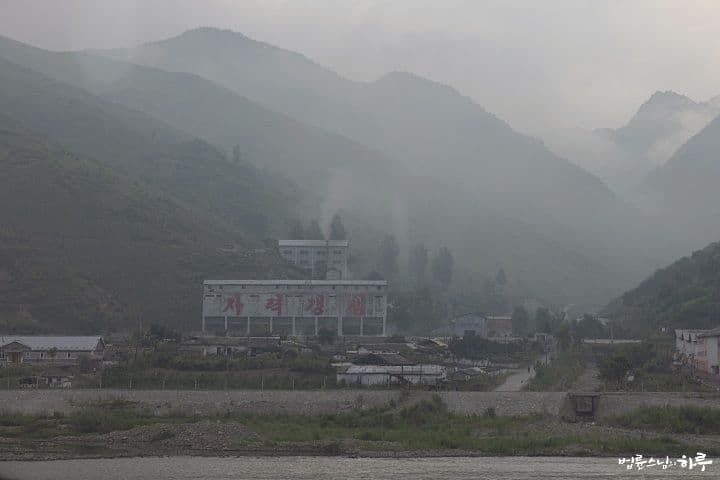
The photography potential here centers on the texture of daily life in a place that resists modernization. You are looking at agricultural landscapes, modest residential blocks, and the stark contrast between the rugged terrain and the uniformity of state infrastructure. The light in autumn—crisp, low-angled, cutting through the haze—is excellent for landscape work if you have the permission to stand where you need to stand. You do not. You stand where the guide points.
What You Will Actually See
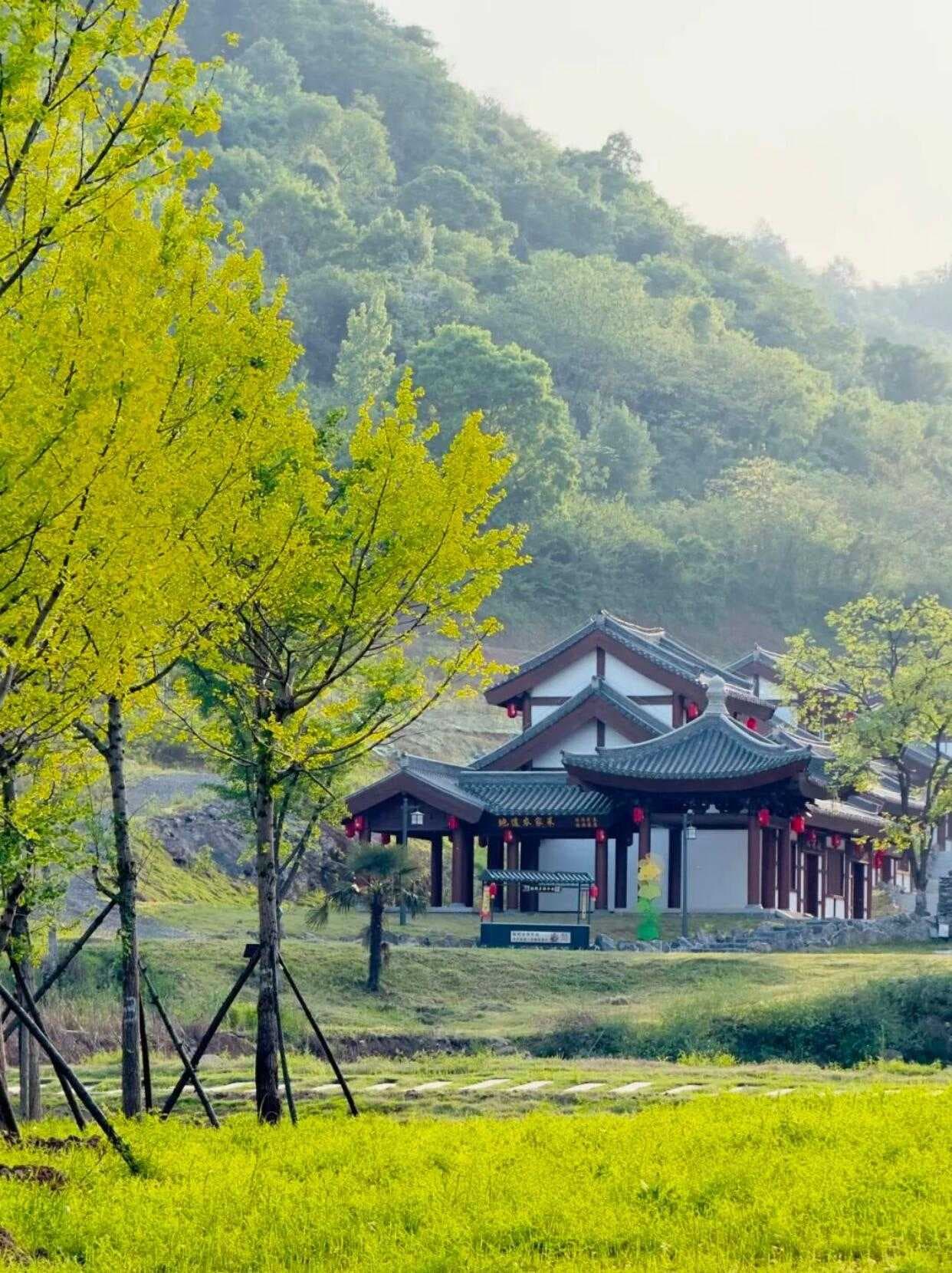
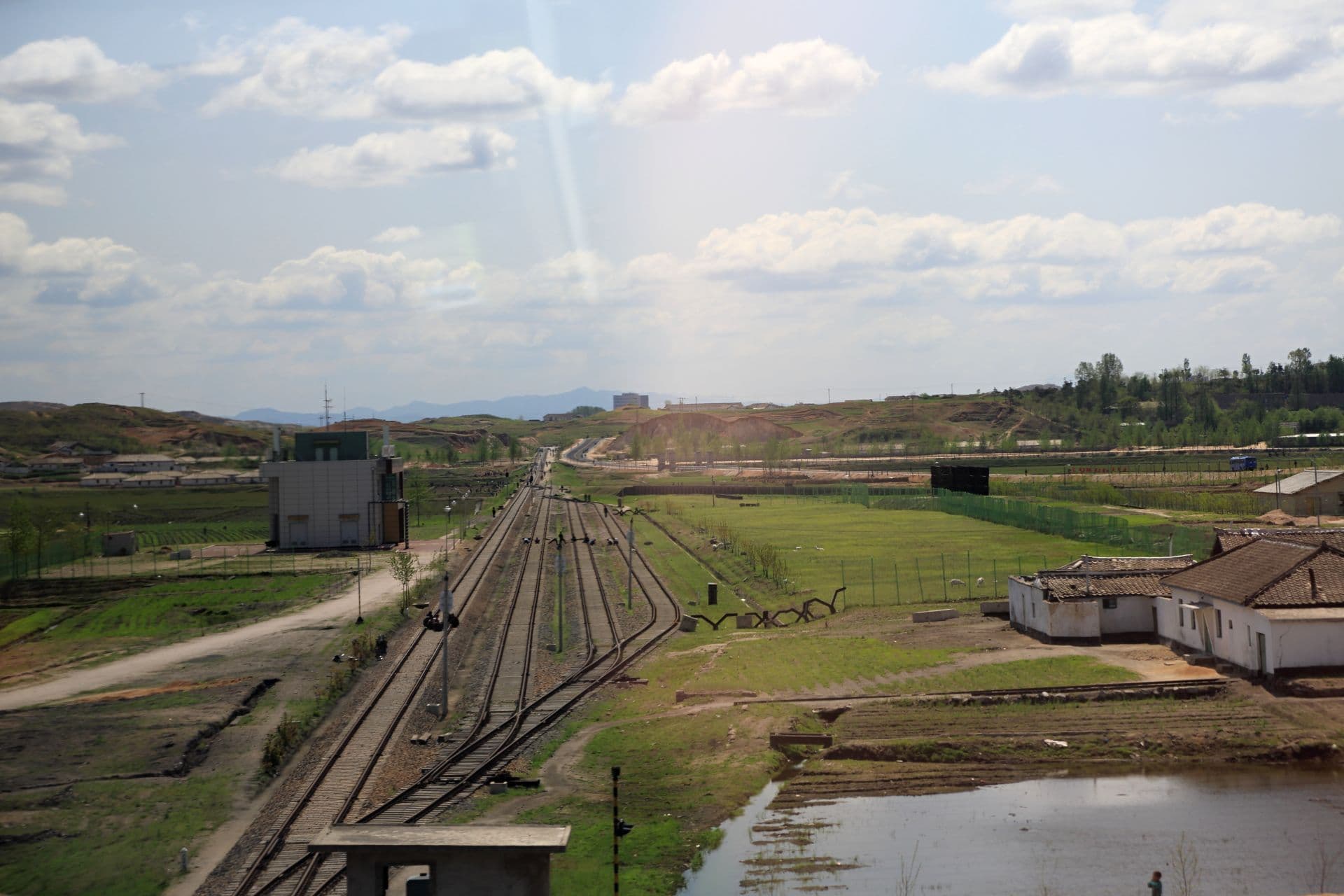
Since no specific landmark names have been verified for this location, we stick to the visual categories that define the region. South Hamgyong is defined by its hills and valleys. In Changgang-gun, the primary subject matter is agricultural. You will see terraced fields, likely still greenish-yellow in late autumn before the harvest is fully cleared. The color palette is muted: grey concrete, dark green foliage, and the brown earth of the fields.
Residential areas in counties like this typically feature rows of identical apartment blocks or smaller single-family homes. These make for strong geometric compositions, especially when shot from a slight elevation. The lack of commercial signage, billboards, or varied architectural styles creates a visual consistency that is rare elsewhere. It feels frozen in time, driven by literal bureaucratic function rather than romanticized nostalgia. Every building serves a clear purpose. There is no clutter. For photographers who enjoy minimalism and pattern, this is useful. Those seeking chaotic street scenes will find none.
Logistics: How You Get There (If At All)
You cannot just buy a bus ticket to Changgang-gun. Entry into North Korea requires a visa issued by the DPRK government, usually processed through authorized tour operators based in Beijing, Moscow, or other hubs. Independent travel is effectively impossible. Even on organized tours, itineraries are fixed. Most standard tours focus on Pyongyang, Wonsan, and perhaps Chosonbong Mountain. Changgang-gun is off the main tourist corridor.
Getting to the county would require a private arrangement, which is rare and expensive. Transport within the country is primarily by rail and long-distance bus. Trains are slow, often taking hours longer than necessary due to stops and technical issues. Buses are crowded and uncomfortable. If your itinerary includes this area, expect to be in a vehicle for a significant portion of the day. Do not plan on hiking to vantage points. Roads are limited, and walking away from the group is prohibited. Your camera lens choices should reflect this: a 24-70mm zoom is more practical than prime lenses because you cannot always reposition to get the exact framing you want.
Practical Details for the Photographer
Money is tricky. You will likely carry US Dollars, Euros, or Yuan, which are converted to Korean Won upon entry. However, the exchange rate is opaque and unfavorable. Prices for services, if any are offered outside the tour package, are not standardized. Do not expect to pay locals directly for better angles or access. That is a diplomatic incident waiting to happen.
Power is scarce. Charging ports may not be available in guesthouses. Bring a portable power bank. Connectivity is nonexistent. There is no internet for tourists. You upload your files when you leave the country. This means you cannot check weather forecasts, maps, or social media while you are there. You are offline. Embrace it. It forces you to look at what is in front of you rather than checking your phone every ten minutes.
Lighting conditions in autumn are favorable. The sun sets earlier, giving you more time for golden hour shots. But remember, you are on a schedule. The guide decides when you eat, when you sleep, and when you move to the next site. You will rarely have the luxury of waiting thirty minutes for the clouds to break. Adaptability is key. Shoot what you have.
When to Go and Who It Is For
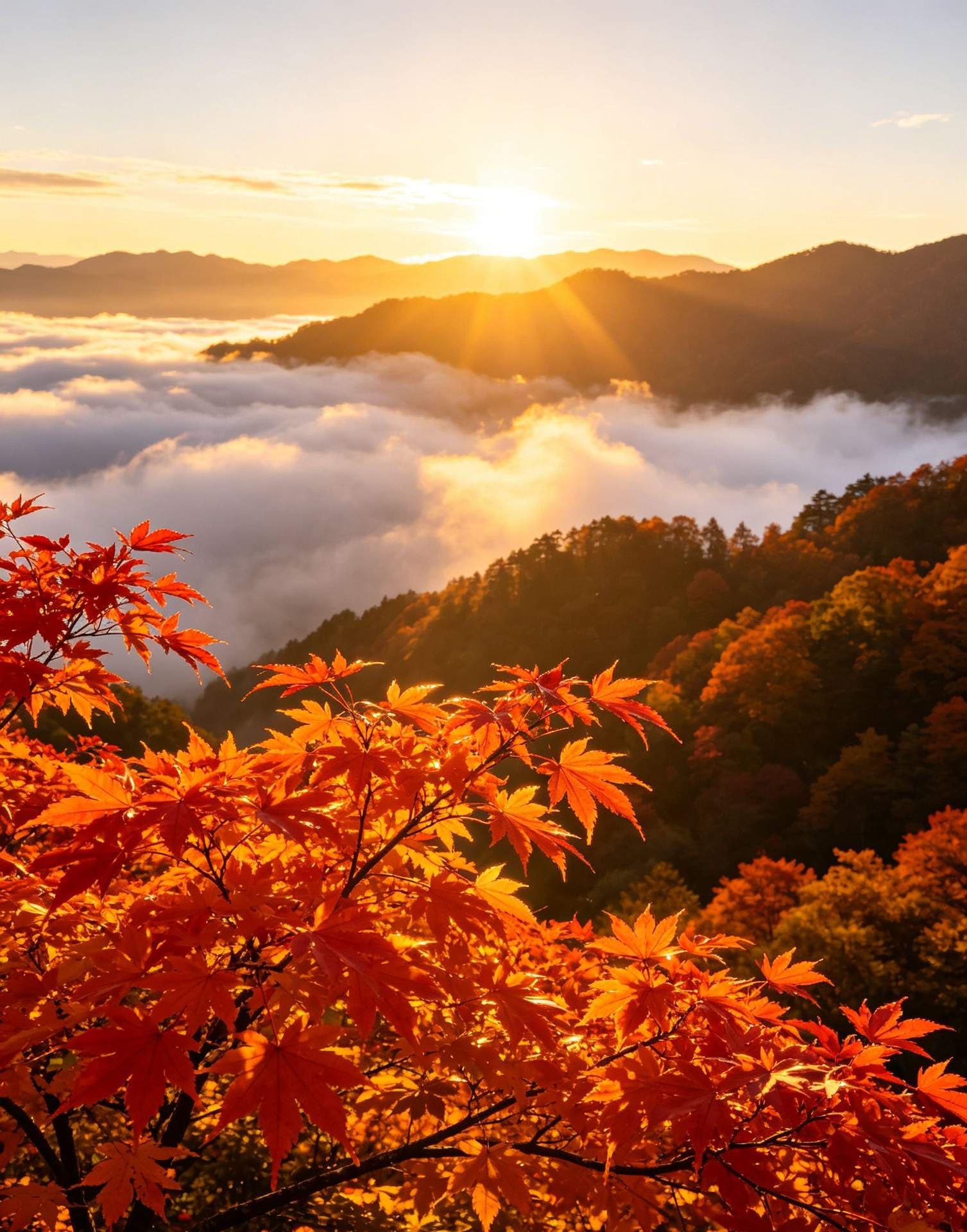
Autumn, specifically October and November, is the best season for photography in this part of the country. The leaves turn, the air is dry, and the visibility is good. Summers are humid and rainy, which can muddy the landscapes and limit outdoor time. Winters are harsh, with temperatures dropping well below freezing, making outdoor shooting difficult without proper gear.
This destination suits experienced photographers who understand the constraints of closed societies. It appeals to those interested in documentary-style work, capturing the mundane details of life under strict state control. Families with young children and solo travelers seeking freedom should look elsewhere. Expect a stay of two to three days in the broader region, with only a few hours actually spent in Changgang-gun itself. Book through reputable operators who specialize in North Korea. Avoid cheap packages; safety and reliability are paramount.
Frequently Asked Questions
Can I use a drone in Changgang-gun? No. Drones are strictly prohibited throughout North Korea. Bringing one could result in detention or worse. Leave it home.
Is it safe to photograph people? Only if they are part of the tour group or if the guide gives explicit permission. Taking candid shots of civilians without consent is forbidden and can lead to serious consequences. Always ask.
What kind of camera gear should I bring? Keep it discreet. High-end professional cameras may draw unwanted attention. A mid-range DSLR or mirrorless body with a versatile zoom lens is sufficient. Avoid large telephoto lenses that look like spy equipment.