Shoot the Bronze Age tombs and Al Faya mountains in Mleiha, Sharjah. No crowds, just wind and stone.
You do not come to Mleiha for the convenience. You come because the rest of the Emirates is too loud, too polished, too eager to sell you a reflection of yourself. Here, in the Central Region of Sharjah, the sand does not care about your follower count. The wind strips away the pretense. If you are looking for a backdrop that screams "luxury," keep driving toward Dubai. If you want to shoot history that feels heavy, ancient, and indifferent to your presence, you stop here.
Mleiha is a scar in the desert where Bronze Age settlements, pre-Islamic forts, and monumental tombs rise from the dunes. It is a place where the light hits stone and tells you stories older than the nation itself. Your camera serves as a witness here, not a tool for decoration.
The Archaeological Centre: Structured History
The Mleiha Archaeological Centre is the anchor. It functions as a portal into the trade routes that once connected the Arabian Peninsula to the wider world, rather than simply serving as a museum. The building itself, with its modern architecture juxtaposed against the rugged landscape, offers clean lines and sharp contrasts. Inside, the exhibits are quiet, dimly lit, and focused. You can photograph the artifacts—pottery, tools, jewelry—with controlled lighting, avoiding the glare of the desert sun.
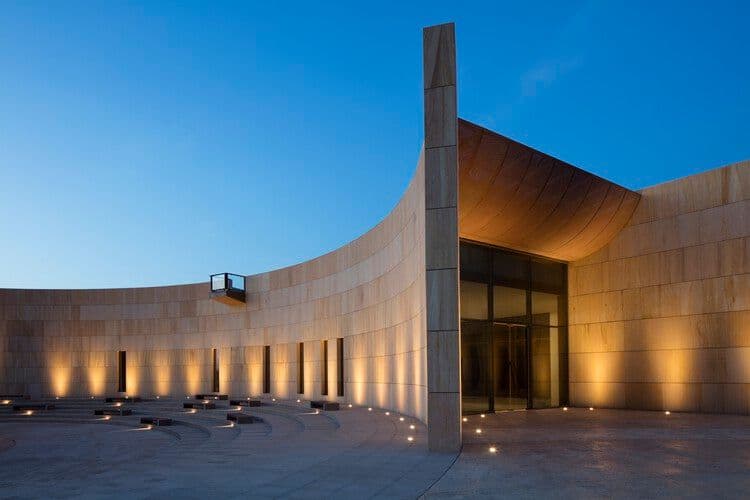
But the real shot is outside. The centre sits amidst the actual dig sites. The ruins remain open to the sky, unfenced behind velvet ropes. The texture of the stone, the way the sand has begun to reclaim the foundations, is a study in impermanence. Shoot wide. Let the scale of the desert dwarf the structures. This is not about the object; it is about the void around it.
Tomb of Amud: The Silence of Stone
Leave the centre. Drive or walk toward the cluster of monumental graves known as the Tomb of Amud. These are architectural statements from the 3rd to 1st century BCE, not mere markers. Five of these tombs stand near the town, their limestone facades weathered by millennia of wind and sand.
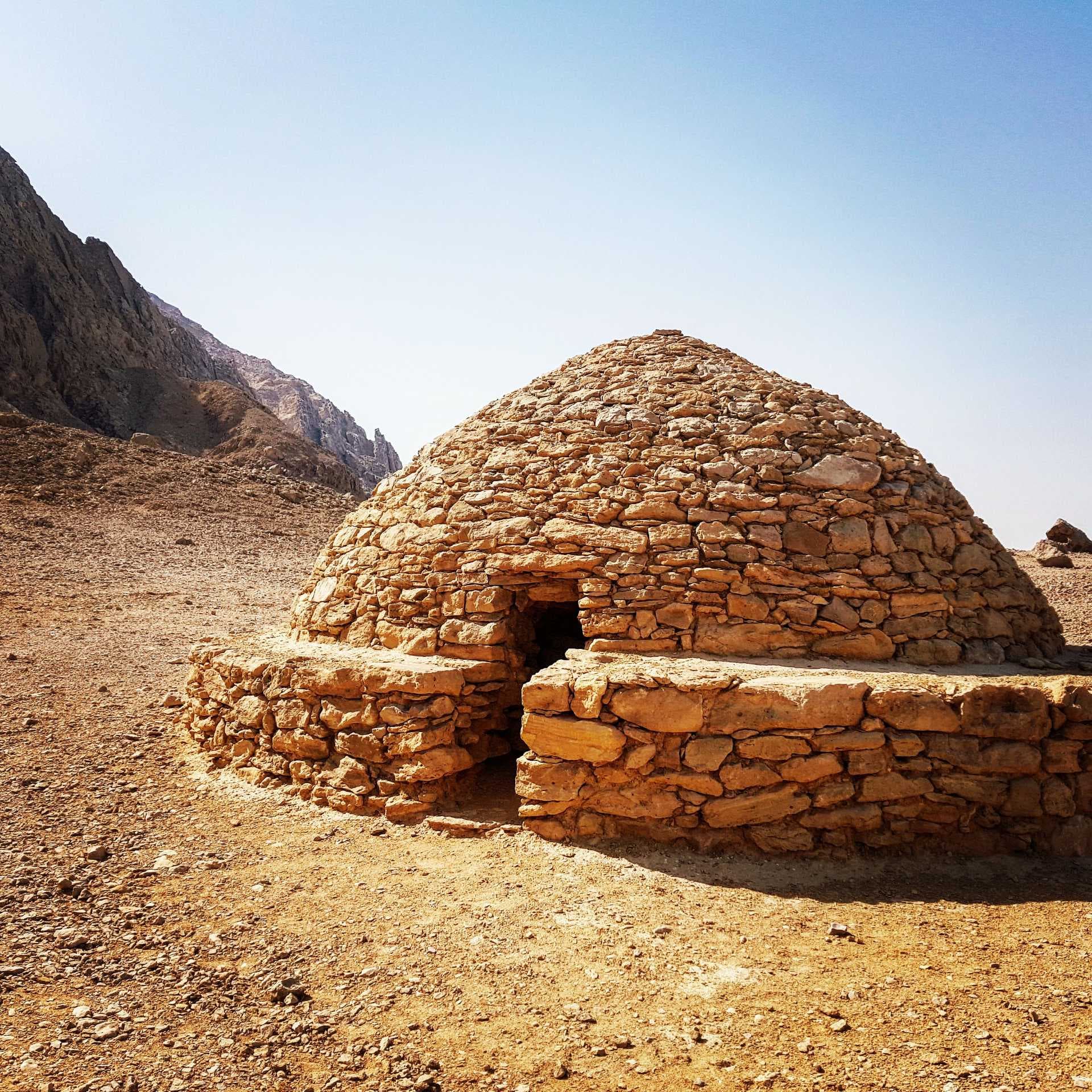
The geometry is stark. The light at midday is harsh, creating deep shadows that define the edges of the stone. If you are shooting film, this is your moment. The contrast is natural, unfiltered. Do not try to soften it. The Tomb of Amud does not apologize for its age. It demands respect through composition. Frame it against the sky. Let the emptiness of the frame speak louder than the subject. This is the anti-consumerist image: nothing to buy, nothing to consume, just stone and time.
Al Faya Mountain Range: The Backdrop
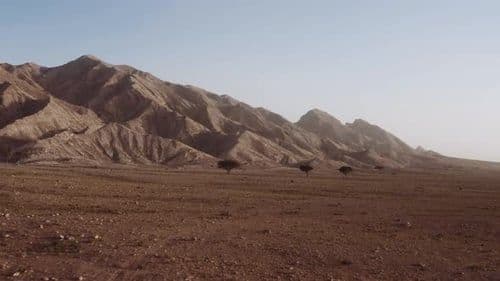
Mleiha does not exist in a vacuum. It is framed by the Al Faya Mountain Range. These are low, rolling, and rugged peaks composed of rock and scrub, unlike the jagged, snow-capped ranges of the Alps or the Himalayas. They provide a textured backdrop that adds depth to your landscape shots.
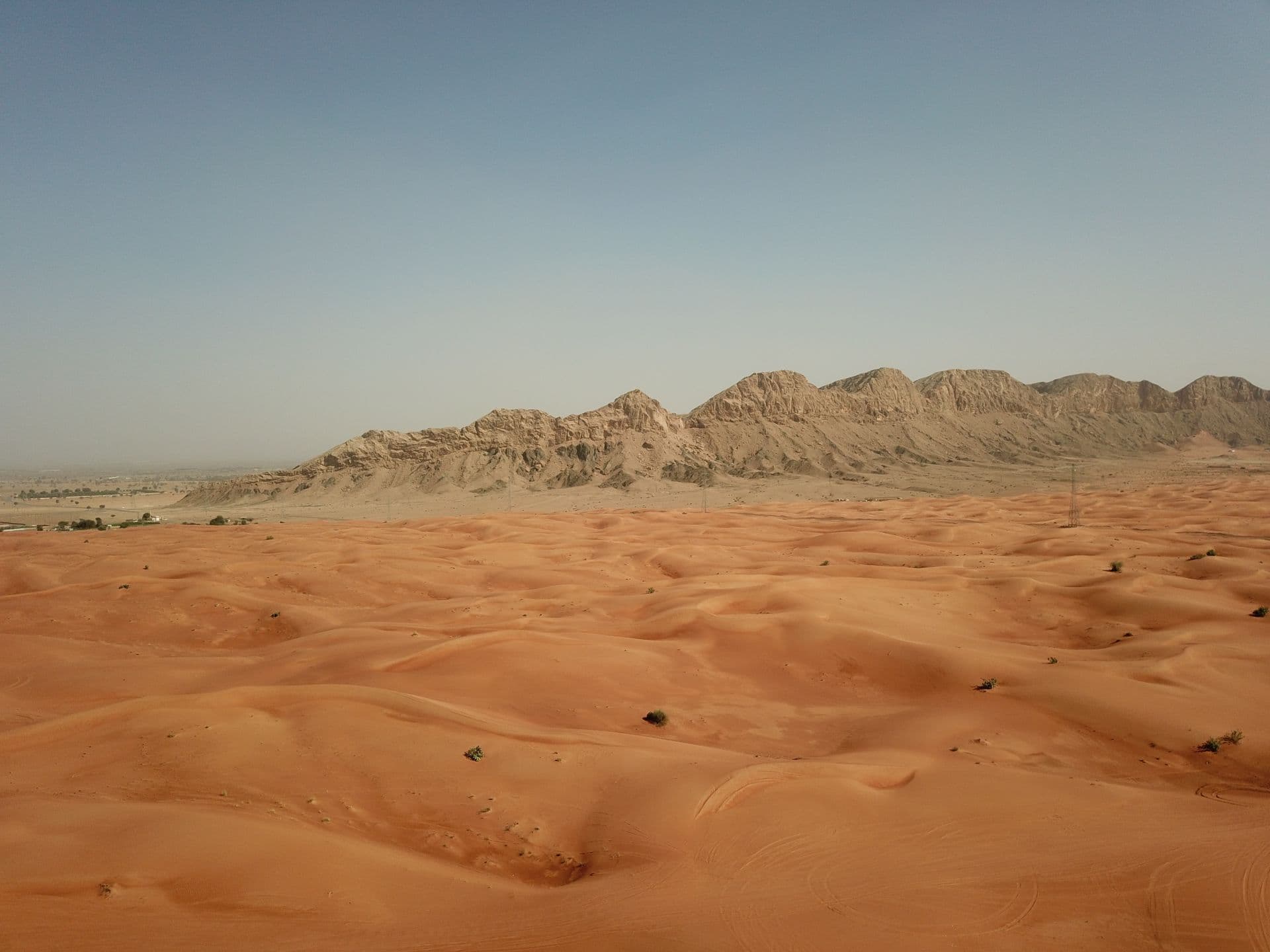
The light here changes rapidly. In the late afternoon, the mountains turn a deep, burnt orange, casting long shadows across the valley. This is the golden hour, but it is not soft. It is intense. The heat rises from the ground, creating a shimmering haze that distorts the horizon. Embrace the distortion. It adds a layer of mystery, a reminder that the desert is not a static image but a living, breathing entity. Use the mountains to anchor your compositions, to give the flat desert a sense of place and direction.
The Open Desert: Unfiltered Space
Beyond the specific landmarks, the desert itself is the subject. The dunes around Mleiha are vast, undulating, and often empty. This is where you can shoot the "negative space" that defines minimalist photography. The sand is a texture, not just a color. Ripples, footprints, tire tracks—all tell a story of movement and intrusion.
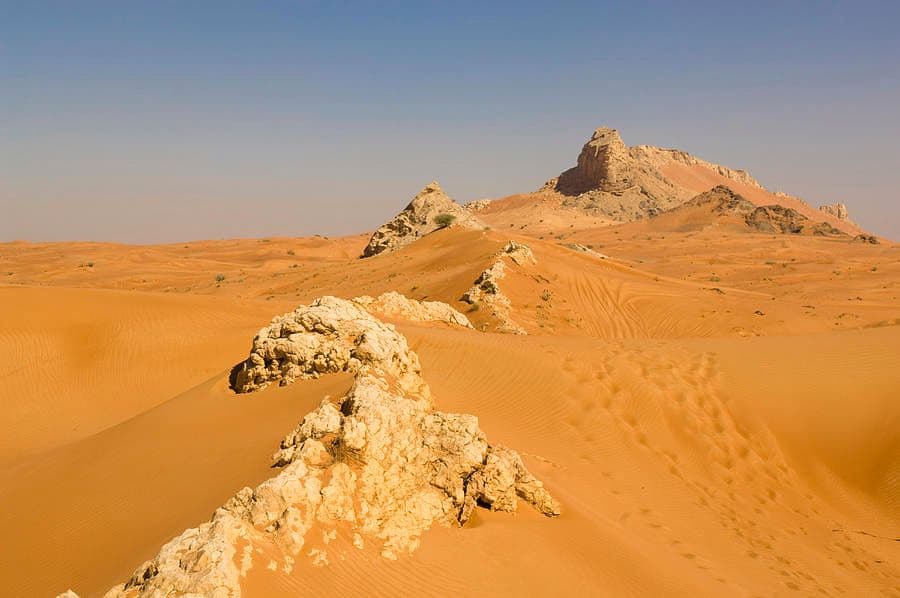
Avoid the cliché of the lone figure walking into the sunset. It is tired, overused, and dishonest. Instead, shoot the details. The way the wind sculpts the sand. The sparse vegetation clinging to life. The distant horizon line that seems to move as you approach it. The desert is a canvas of subtle variations, not a void. Your job is to find them. To see what others ignore.
Practicalities: Getting There and Staying Cool
There is no metro line to Mleiha. There is no bus stop. You will get there by car. The drive from Sharjah City or Dubai takes 45 to 60 minutes, depending on traffic and your starting point. The roads are good, but the area is remote. Ensure your vehicle is in good condition. Carry water. More than you think you need.
The best time to visit is winter, from November to March. The temperatures are manageable, allowing for extended outdoor shoots. Summer is brutal. The heat is a hazard, not just a discomfort. If you must shoot in summer, go at dawn or dusk. The midday sun is unforgiving to both skin and sensor.
There are no restaurants in Mleiha itself. You will eat in Sharjah City or bring your own food. This is a feature, not an oversight. It forces you to be self-sufficient. Pack a picnic. Sit on your car hood. Eat in silence. Watch the desert. This is the ritual.
Local Angle: Respect the Ruins
This is not a theme park. The Bronze Age tombs and pre-Islamic forts are fragile. Do not climb on them. Do not remove stones. Do not leave trash. The desert wind will carry it away, but the stain remains. Respect the silence. The people who built these structures did not do so for applause. They did so for survival, for memory, for meaning. Your presence is a privilege, not a right.
When to Go: Timing the Light and the Crowd
The next major holiday is Prophet's Birthday (estimated), August 25, 2026. Expect higher demand for nearby accommodation and potential crowding in Sharjah City, though Mleiha itself remains relatively quiet. National Day is December 2–3, 2026. New Year's Day is January 1, 2027.
For photography, the light is best in the early morning and late afternoon. The midday sun is too harsh, washing out details and creating glare. Winter months offer the clearest skies and the most comfortable temperatures for extended shoots.
This place is for solo travelers, for those who prefer silence to spectacle. It is not for families seeking entertainment or for groups looking for a quick photo op. It is for those willing to sit, to wait, to observe. Stay for a day. Or stay for a week. The desert does not rush.
FAQ
Do I need a visa to visit Mleiha? If you are entering the United Arab Emirates, you must comply with UAE visa regulations. Mleiha is in Sharjah, so your entry visa for the UAE applies. Check the official UAE government website for current visa requirements based on your nationality.
Can I use a drone in Mleiha? Drone usage in the UAE is strictly regulated. You must obtain permission from the relevant authorities before flying a drone. Unauthorized flights can result in severe penalties. Check with the General Civil Aviation Authority for the latest rules.
Is it safe to visit Mleiha alone? The area is generally safe, but it is remote. Ensure you have a reliable vehicle, sufficient fuel, and water. Inform someone of your plans. Avoid driving off-road unless you are experienced and have the proper equipment. The desert is unforgiving to the unprepared.