Skip the festival hype. In Paro, the real music is the wind through Tiger's Nest and the clatter of a pot of Ema Datshi on your plate. Here’s how to plan the trip that actually matters.
The Soundtrack Isn’t What You Think
You won’t find a main stage with pyrotechnics or a wristband scanning line in Paro, Bhutan. There is no confirmed major international music festival operating here in 2026. If you are flying into Paro Airport (PBH) expecting a Glastonbury vibe, pack different expectations. This valley operates on a different frequency. The "music" here is structural and acoustic: the rhythmic creaking of wooden beams in the old town, the distant chanting from monasteries, and the sharp, sudden crash of rain against the granite peaks surrounding the valley floor.
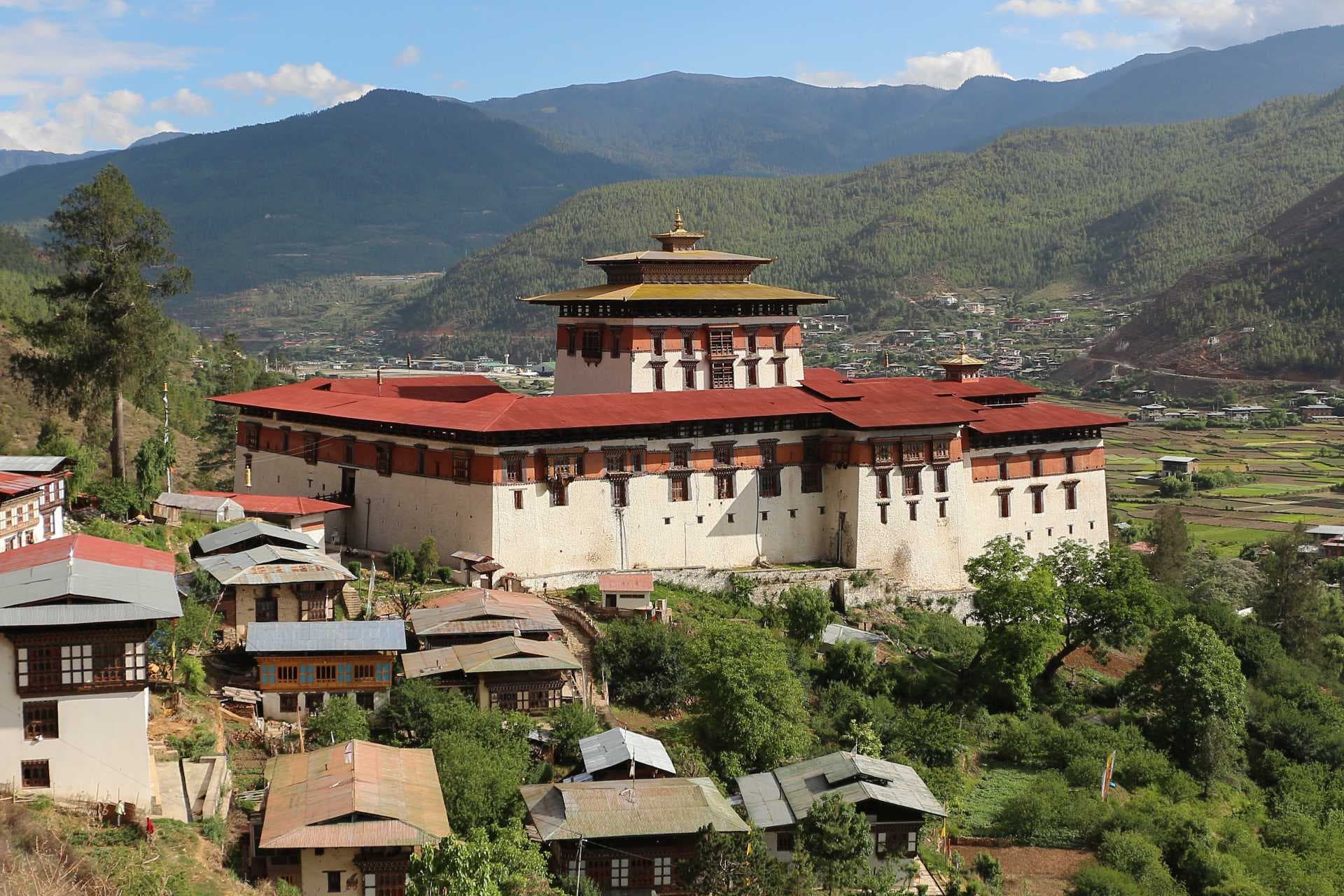
The cultural heartbeat is religious rather than commercial. When locals gather, it is for festivals like Tsechu, where masked dancers perform ancient rituals to ward off evil spirits. These events function as community obligations rather than tourist performances. Attending one requires respect, silence during specific rites, and an understanding that you are an observer in a sacred space, not a consumer at a ticketed event. The closest thing to a "festival experience" for the average traveler is the atmosphere around Paro Dzong (Rinpung Dzong) during national holidays or local celebrations, where the fortress courtyard fills with people in traditional dress. But do not book a flight solely for this unless you have verified the exact dates for 2026 with a local operator, as schedules shift and are rarely advertised internationally months in advance.
Where the Culture Actually Lives
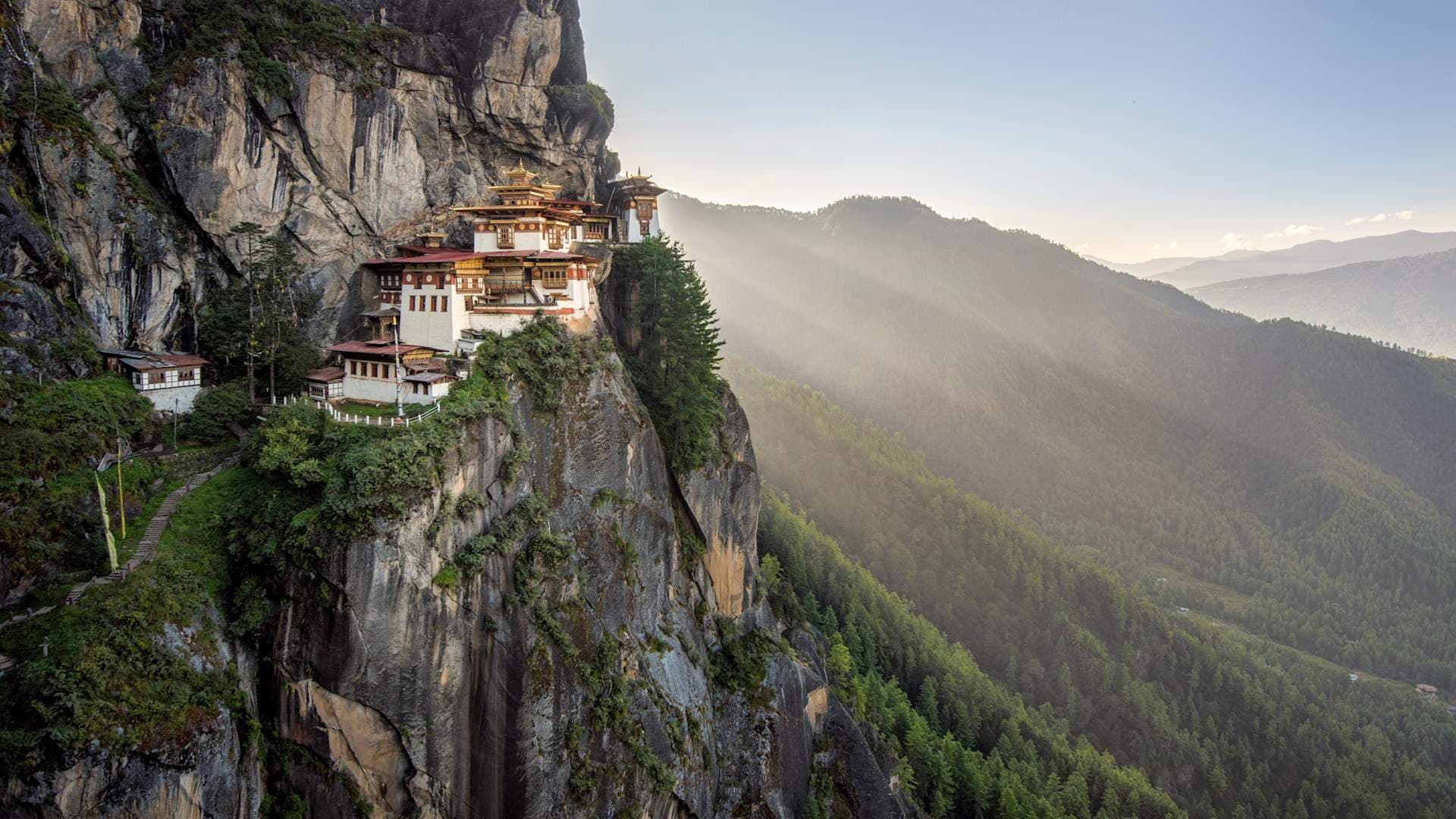
If you want to feel the pulse of the place, you go to the landmarks that anchor the valley’s identity. Tiger’s Nest Monastery (Taktsang Lhakhang) sits perched on a cliff face roughly 900 meters above the valley floor. The hike up takes about two hours each way if you start early enough to beat the midday heat and the crowds. The name translates to "The Tiger’s Nest," referencing the legend of Guru Rinpoche flying there on the back of a tigress. It is one of the kingdom’s most holy sites. The acoustics inside the prayer halls are distinct—whispers carry, and the air feels thinner, cooler, and sharper than down in the village.
For a more grounded experience, visit Paro Dzong, also known as Rinpung Dzong. This fortress-monastery overlooks the Paro Valley and serves as the administrative center for the district. The architecture is massive, white-walled, and imposing, with intricate woodwork on the doors that tells stories of local history. Nearby, the National Museum of Bhutan (Ta Dzong) occupies a former watchtower. It’s small, manageable, and offers context on the textiles and artifacts that define Bhutanese daily life without the pretension of a large metropolitan museum.
Eat Like a Local, Not a Tourist
Forget the buffet. The food in Paro is simple, high-altitude cuisine designed to keep you warm and fed in a cold climate. The national dish, Ema Datshi, is non-negotiable. It is a stew of chili ("ema") and cheese ("datshi"). Yes, it is spicy. Yes, the cheese is often salty and crumbly rather than creamy. If you cannot handle heat, ask for a milder version, but know that you are compromising the authenticity. Pair it with Bhutanese red rice, a staple unpolished grain grown at high altitude in the Paro Valley. It has a nutty flavor and a chewy texture that contrasts perfectly with the softness of the stew.
Other dishes worth seeking out include Kewa Datshi, a potato-and-cheese preparation that is less intense than the chili version, and Phaksha Paa, a stir-fry of pork and vegetables that provides a meatier counterpoint to the vegetarian staples. Suja, a fermented yak milk drink, is another local specialty, though its taste is polarizing—sour, thick, and pungent. Try it once. You’ll understand why it’s a cultural cornerstone, even if it doesn’t become your favorite. Restaurants in Paro vary widely in quality, so look for places where the staff speaks some English and the kitchen looks busy. Avoid spots that seem set up exclusively for quick photo ops.
Getting Around Without a Car
Paro is served by Paro Airport (PBH), which is technically the international airport of Bhutan despite the capital being Thimphu. The approach to the runway is notoriously difficult due to the surrounding mountains, making landing here a skill-based spectacle for pilots. Once you land, you need to get to your accommodation or onward to Thimphu.
There is no railway line serving Paro. Your options are limited to road transport. The straight-line distance from Paro to Thimphu is about 23 km, but the road distance is significantly longer, ranging from 47 to 51 km depending on the route. A car journey typically takes about 1.5 hours, though some faster routes can shave that down to around 90 minutes. The cheapest option from Paro Airport to Thimphu is quoted at around $6, but this likely refers to shared shuttle services or public buses, which may require waiting. Private transfers cost more but offer flexibility. If you are staying in Paro, walking is your best friend. The town is compact, and the main attractions are within a reasonable walking distance of the central area. Wear comfortable shoes; the terrain is uneven, and cobblestones are common.
Timing Your Visit
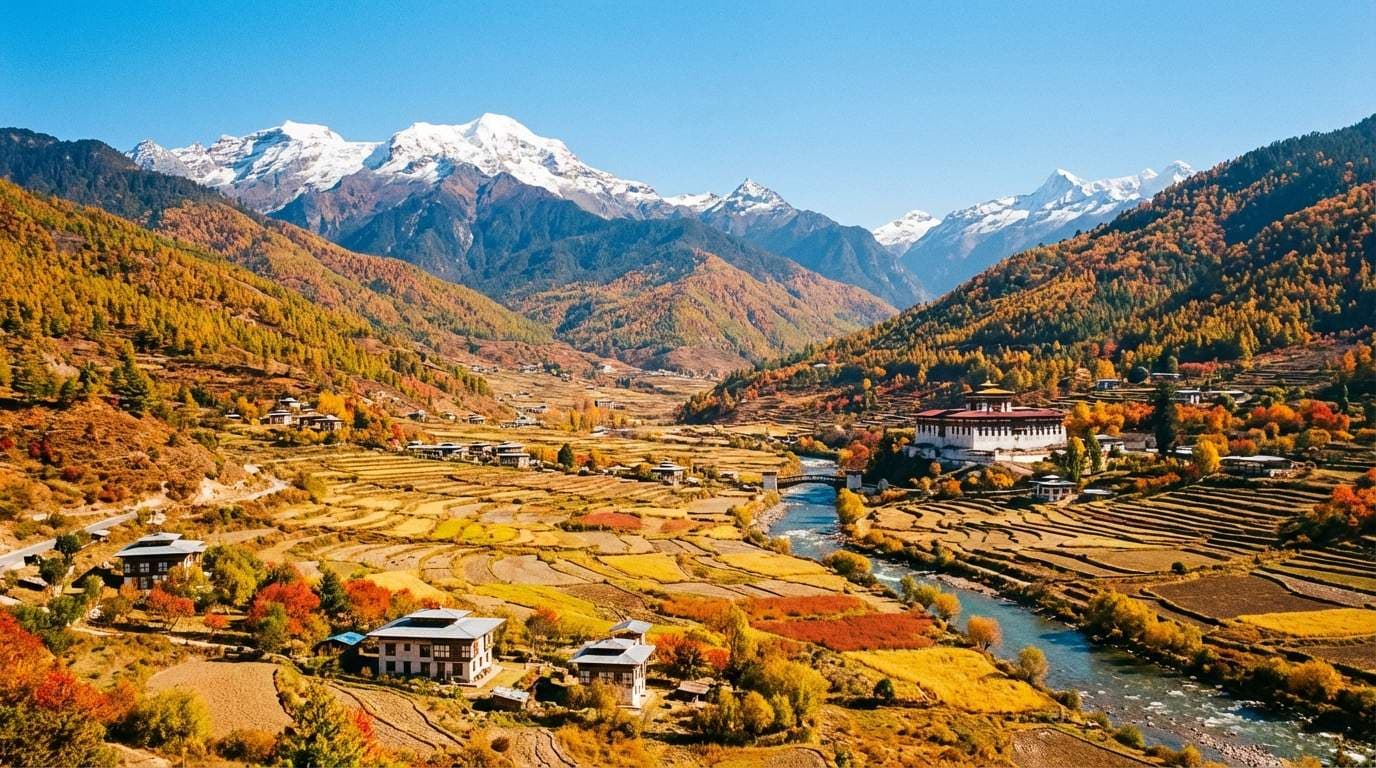
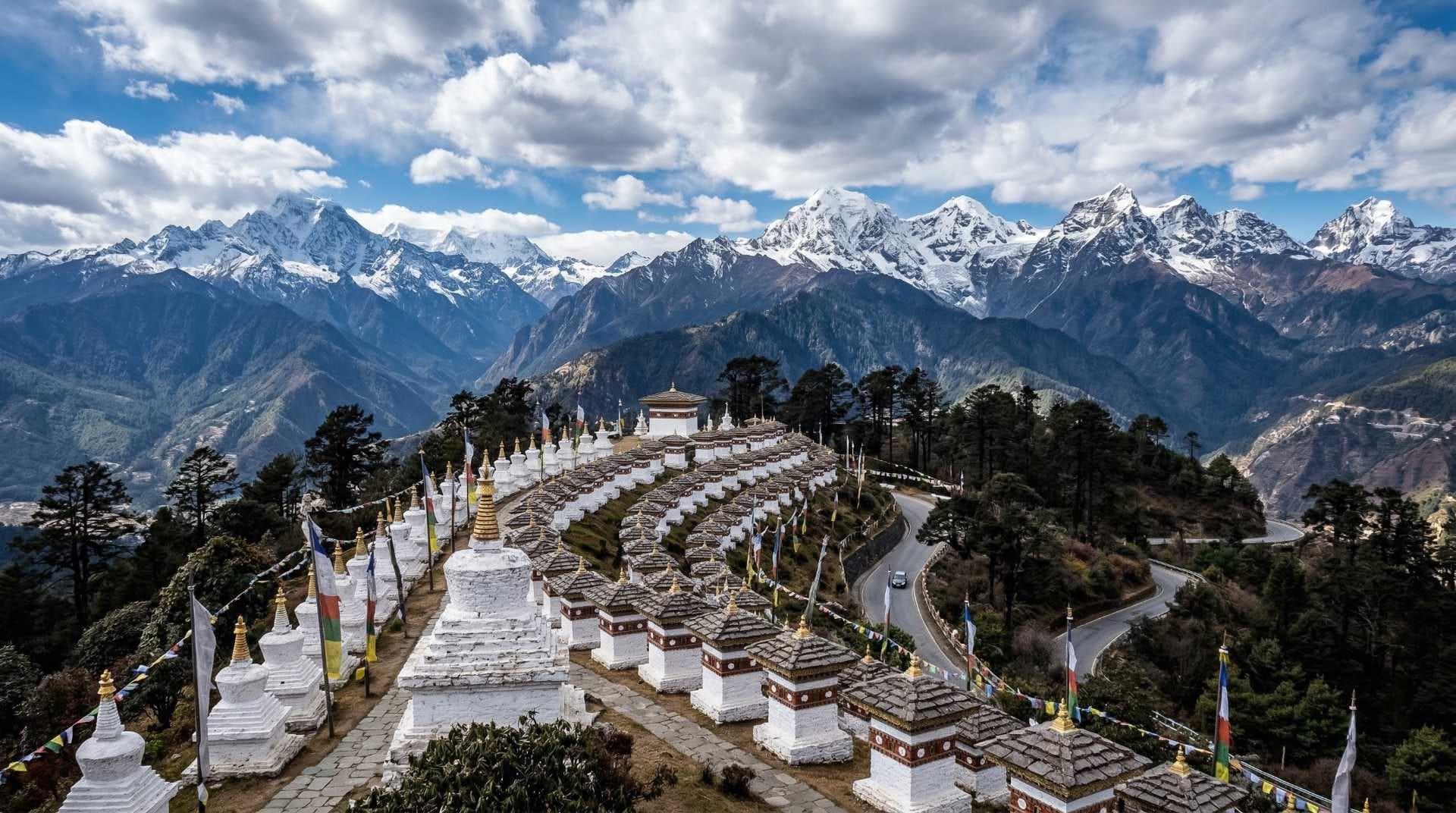
Autumn is one of the best times to be in Paro. The weather is generally clear, offering unobstructed views of the Himalayan peaks. The light in the afternoon is golden and dramatic, perfect for photography. Winter is colder and can bring snow, which adds a layer of isolation to the valley. Spring brings blooming rhododendrons but also unpredictable rain. Summer is the monsoon season, with heavy rains that can wash out roads and limit visibility.
Since there are no major confirmed music festivals on record for the next six months, your timing should be dictated by weather and personal preference rather than event calendars. If you are looking for cultural events, check for Tsechu festivals, which usually occur in the second lunar month of the year corresponding to the monastery’s founding. These are local, community-driven events, not mass-tourism spectacles. For most travelers, a stay of three to four days in Paro allows enough time to hike to Tiger’s Nest, explore the dzong and museums, and eat well without rushing.
Practical Questions
Do I need a visa to enter Bhutan? Yes. Bhutan does not allow independent travel for most nationalities. You must book your trip through a licensed tour operator who handles the visa application and payment of the Sustainable Development Fee (SDF). This fee varies by season and nationality, so confirm current rates with your operator before booking flights.
Is Paro safe for solo travelers? Bhutan is consistently ranked as one of the safest countries in the world. Crime rates are extremely low. However, "safe" does not mean "easy." The terrain is challenging, and medical facilities outside of major towns are limited. Always carry basic first-aid supplies and inform your hotel of your daily plans, especially if hiking.
What currency is used? The official currency is the Bhutanese Ngultrum (BTN), which is pegged one-to-one with the Indian Rupee (INR). Indian Rupees are widely accepted throughout the country, including in Paro. Credit cards are accepted in larger hotels and restaurants, but cash is king in smaller shops and markets. ATMs are available in Paro and Thimphu, but availability can be inconsistent, so withdraw cash upon arrival.