Explore the massive 23 sq km open-pit mine and the quiet mining town of Panguna in Bougainville, Papua New Guinea.
The Scar in the Crown Prince Range
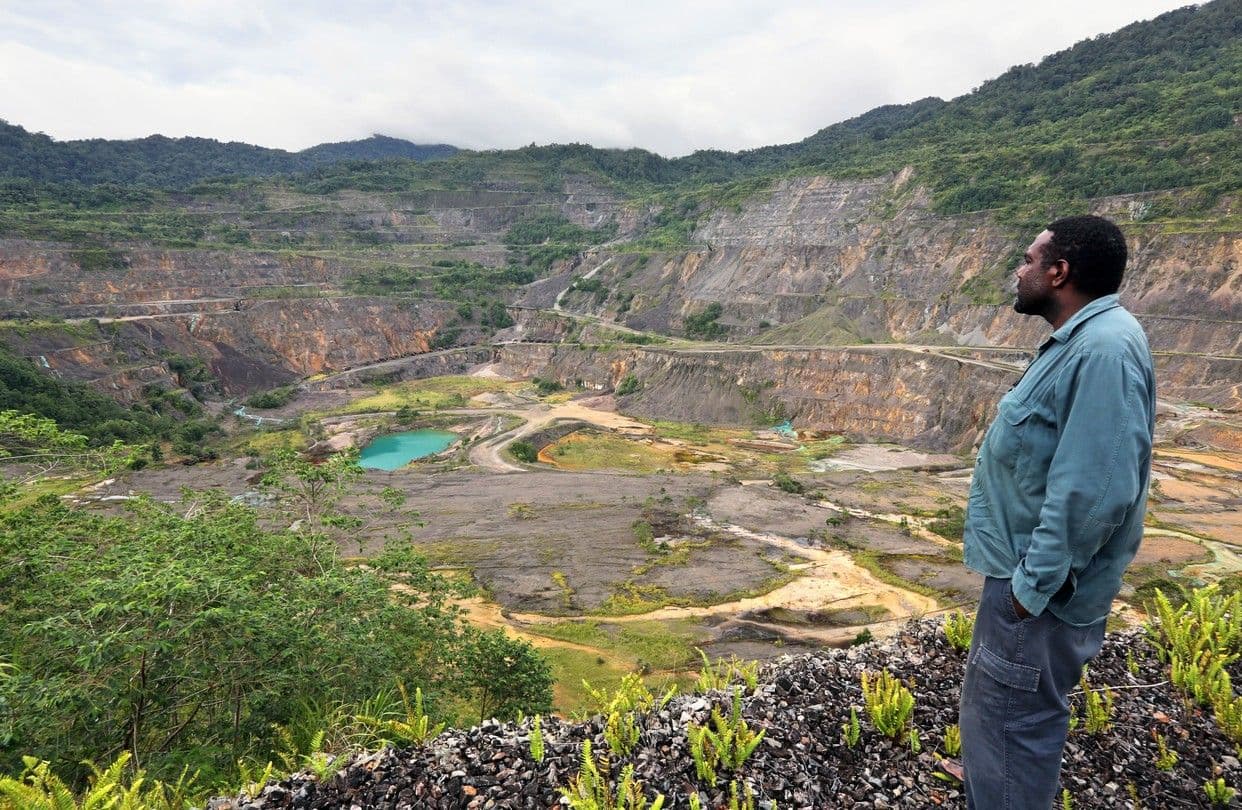
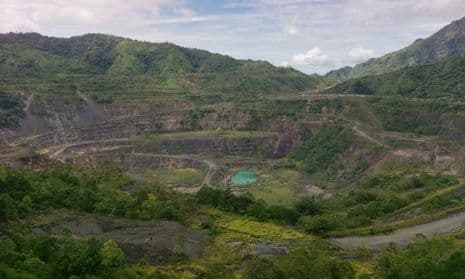
The first thing that hits you in Panguna, Papua New Guinea, is the sheer magnitude of the void. The Panguna Copper Mine is a 23-square-kilometer open-pit excavation carved into the Crown Prince Range. It is so vast that standing on its rim feels less like visiting a workplace and more like hovering on the lip of a geological wound. Discovered in 1969 and operational from 1972, this site became one of the world’s largest copper and gold mines. For nearly two decades, it generated roughly 45% of Papua New Guinea’s export revenue. Today, the rust-colored terraces of the pit remain the dominant feature of the landscape, serving as a permanent reminder of industrial ambition in a remote corner of the Bougainville Autonomous Region. The scale is difficult to grasp until you witness the sheer vertical drop of the terraced walls. Stripped of vegetation, the cliffs expose layers of earth and rock in shades of ochre, grey, and deep red. It looks like someone took a paintbrush to the planet’s crust and forgot to blend the colors.
A Town Built for Miners
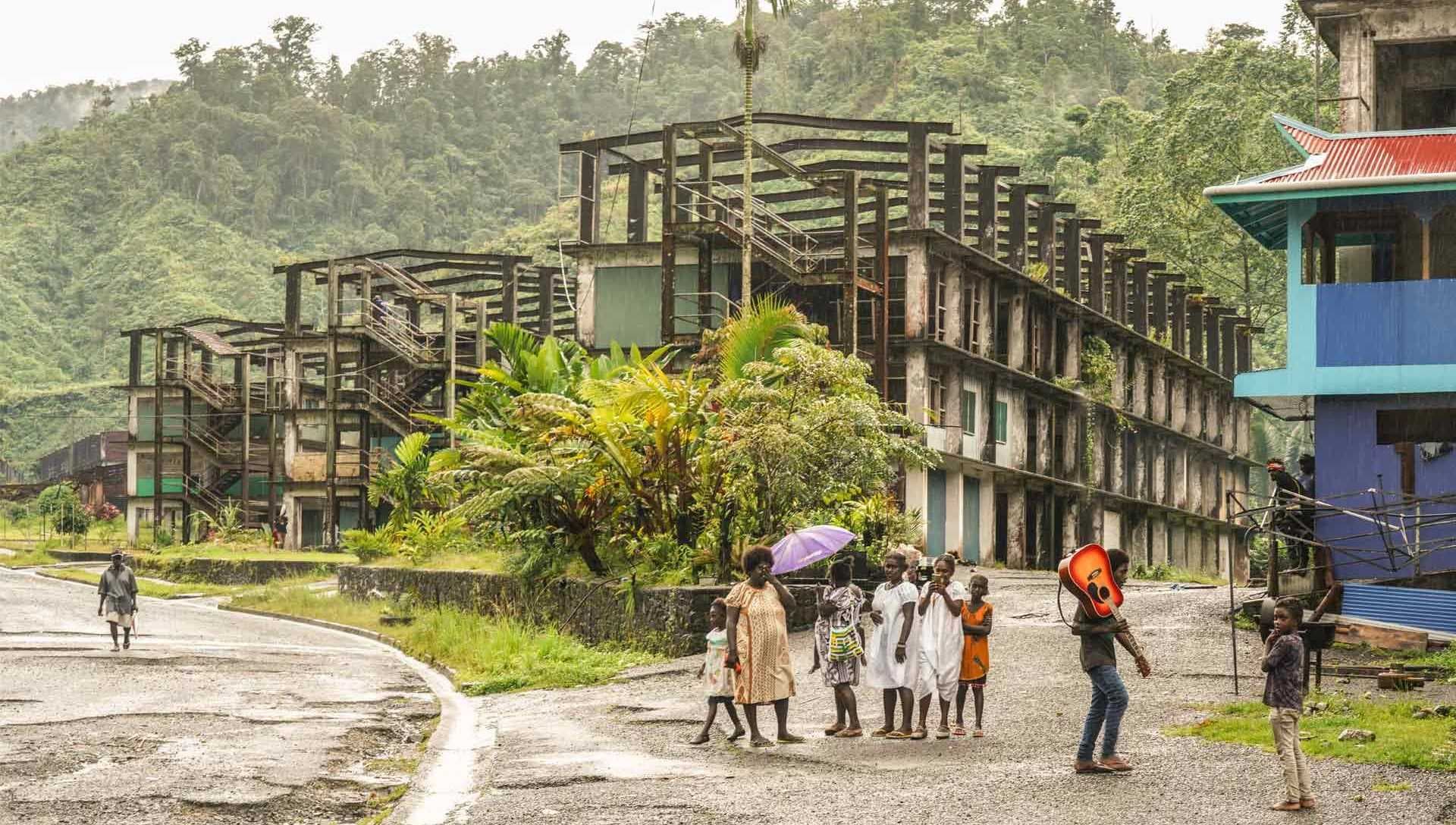
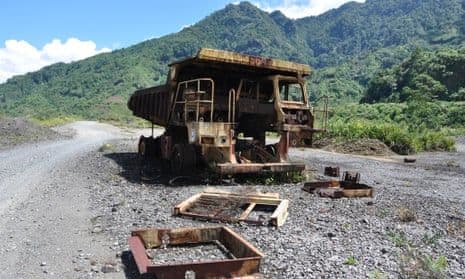
Panguna Town exists primarily because of the mine. Founded by Bougainville Copper, a subsidiary of Rio Tinto, the settlement was designed to house the workforce required to extract the ore. The town is a functional, mid-century mining camp that has since gone quiet. The infrastructure reflects its singular purpose: sturdy buildings, wide roads, and a layout optimized for efficiency rather than charm. Walking through the town, the sense of abandonment is palpable. The mine ceased operations in 1989 due to the escalating Bougainville Civil War, which lasted until 1998 and claimed approximately 15,000 lives. The conflict was fueled by environmental concerns and economic disputes surrounding the mine’s operations. Now, the town serves as a testament to a specific era of resource extraction, where the rhythm of life was dictated by shift changes and ore shipments. The silence here is heavy, broken only by the wind moving through empty structures and the distant hum of nature reclaiming the periphery. It is a ghost town with a very recent past, where the ghosts are still settling their accounts.
Getting There and Around
Reaching Panguna requires navigating the logistics of the Bougainville Autonomous Region. There is no rail service, and the road network is limited and often challenging. The primary gateway is Arawa, the former capital and largest town in the region, located nearby. From Arawa, travel to Panguna is typically by road or via small aircraft. TravelMath lists a flight route to Panguna, indicating an airstrip exists, though service frequency can be irregular and subject to weather conditions. If you are arriving from Port Moresby, the capital of Papua New Guinea, you will likely fly to Buka, the current administrative capital, or Arawa, before arranging final leg transfers. Do not expect paved highways or regular bus schedules. Travel in this part of PNG is a matter of connections, timing, and local knowledge. Verify flight availability well in advance, as schedules change frequently. Ground transport may require hiring a vehicle or joining a group moving toward the town, as public transit is sparse. Think of it as an adventure in improvisation rather than a scheduled commute.
Eating in the Mining Camp
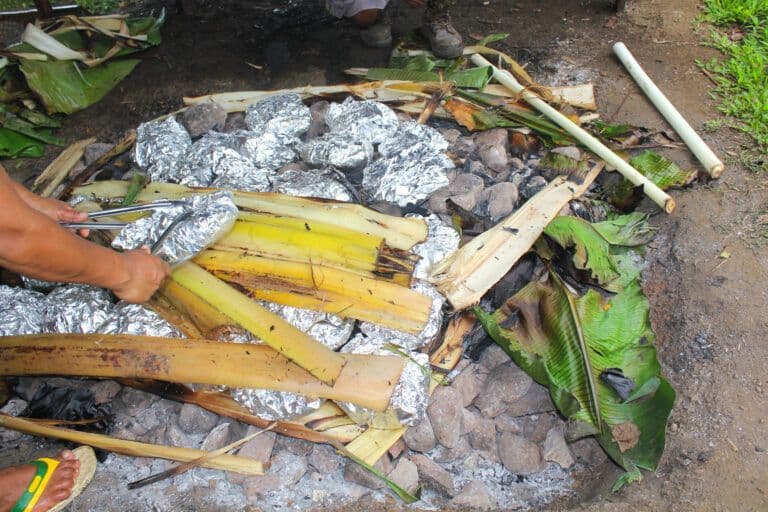
Food in Panguna reflects the broader culinary traditions of Bougainville and Papua New Guinea, adapted to the mining community’s needs. The most iconic local preparation is mumu, a traditional cooking method where food—often pork, chicken, fish, or root vegetables—is wrapped in banana leaves, placed in an underground pit lined with hot stones, and baked slowly. This technique infuses the meat with a smoky, earthy flavor that cannot be replicated by conventional ovens. While specific restaurants in Panguna are not widely documented or named in current travel resources, the regional cuisine shares commonalities with the wider PNG diet: taro, yams, sweet potatoes, and coconut cream are staples. If you are staying in Arawa or Buka during your transit, look for local eateries serving these regional dishes. In Panguna itself, dining options may be limited to basic canteens or provisions shops, reflecting the town’s reduced population and activity. Expect simple, hearty meals rather than fine dining. The focus is sustenance, not spectacle. It is the kind of food that reminds you that you are far from a menu board and close to the dirt.
When to Go and Who Should Visit
Timing your visit to Panguna is less about tourist seasons and more about accessibility and political context. The region experiences a tropical climate with wet and dry seasons, but specific weather data for the mine site is not widely published. Generally, the drier months may offer better road conditions if you are traveling overland from Arawa. However, the most significant factor is the upcoming calendar of national observances. National Repentance Day falls on August 26, 2026, just days away from the current date. This holiday often involves religious services and community gatherings, which could impact local mobility and accommodation availability in the region. Booking any travel arrangements for late August is not advisable due to potential surges in local activity. Independence Day on September 16, 2026, is another key date to consider; while Bougainville’s status is complex following the 2019 independence referendum, national holidays in PNG can affect logistics.
Panguna is a site for serious travelers interested in industrial history, post-conflict landscapes, and the tangible effects of resource extraction on remote communities. It suits solo travelers or small groups with a high tolerance for logistical challenges and a genuine interest in the socio-economic narratives of Papua New Guinea. Stay for two to three days to allow time for transit buffers and exploration of the mine site and town. Ensure you have robust travel insurance that covers remote areas and potential delays. Respect the local context: the scars of the civil war are still visible in the community’s memory, and sensitivity is paramount. This is not a place for selfies; it is a place for reflection.
Practical Questions
Do I need a visa to visit Panguna? Yes. Papua New Guinea requires a visa for most foreign nationals. You can apply for a visa on arrival at major entry points like Port Moresby or Honiara, or obtain one in advance from a PNG embassy. Ensure your passport is valid for at least six months beyond your entry date.
Is it safe to travel to Bougainville? Travel to Bougainville requires caution. While the civil war ended in 1998, security conditions can be unpredictable. Check current government travel advisories for Papua New Guinea before planning your trip. Register with your embassy and maintain low profiles. Avoid traveling alone at night and stay informed about local events.
How do I handle money in Panguna? Cash is king in remote areas of Papua New Guinea. ATMs are scarce outside major towns like Port Moresby or Buka. Exchange currency in Arawa or Buka before heading to Panguna. Bring small denominations of Kina (PGK) for local purchases, as larger bills may not be accepted by small vendors or canteens.