Find family rooms in the high-altitude village of Nako, Maseru District. Practical tips on altitude, heating, and where to base your Basotho trip.
The Altitude Factor
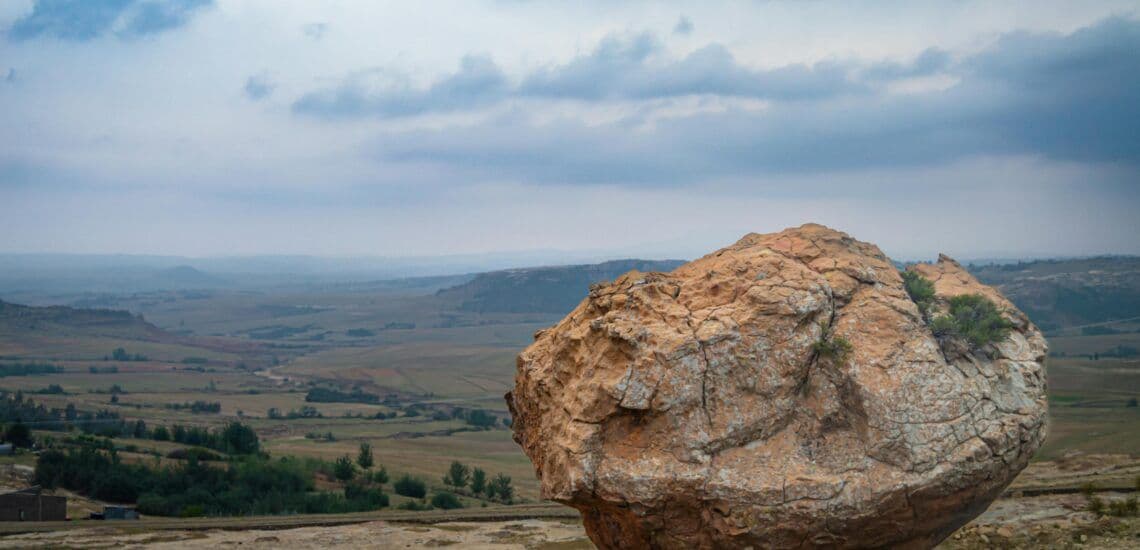
Nako sits at roughly 2,700 meters above sea level in Lesotho’s Maseru District. That number matters more than any brochure tells you. At this elevation, the air is thin, the nights are cold even in summer, and the light hits the grasslands with a sharp, dry clarity that makes kids stare out the window for hours. You are in one of the highest villages in the country, perched on the edge of the Maloti Mountains’ lower slopes.
If you are bringing children under ten, check their health status before booking. Most healthy kids adjust fine to 2,700m, but it is not trivial. They may breathe harder during play. Keep expectations realistic: no sprinting up hills in the first two days. The accommodation itself needs to handle the temperature drop. In spring (October–November), daytime highs might hit 15°C, but overnight lows can dip below 5°C. If the room does not have reliable electric heating or a thick blanket setup, your child will be miserable by 10 PM. Look for properties that explicitly mention heating systems, not just "comfortable stays."
Where to Stay
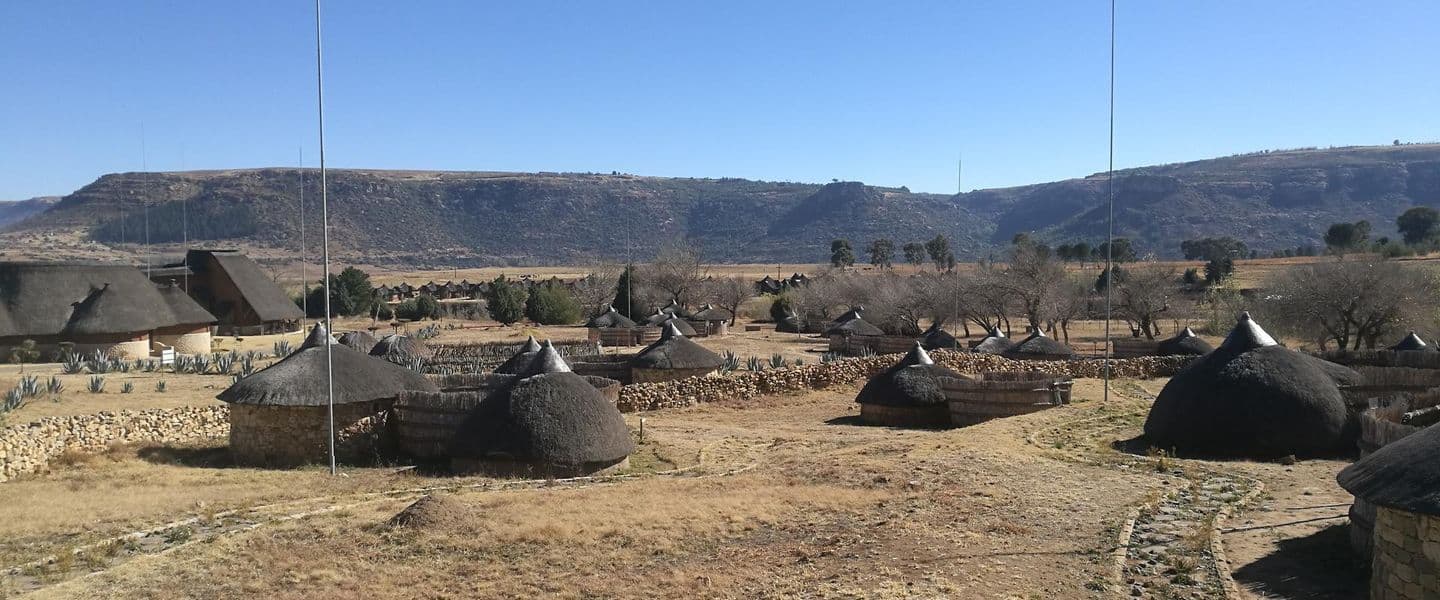
There is no massive hotel chain in Nako. This is a small rural community, so "accommodation" usually means guesthouses, homestays, or self-catering cottages run by local families. Do not expect a swimming pool or a kids' club. What you do get is space, quiet, and direct access to the landscape.
- Homestay Options: Several local families in Nako offer basic guest rooms. These are typically the most affordable option, often ranging from $30–$60 USD per night for a double room. The differentiator here is cultural immersion. You eat what they eat, you sit by their fire, and you learn Basotho hospitality firsthand. Check if they provide hot water; in winter months, this is not guaranteed in all rural setups.
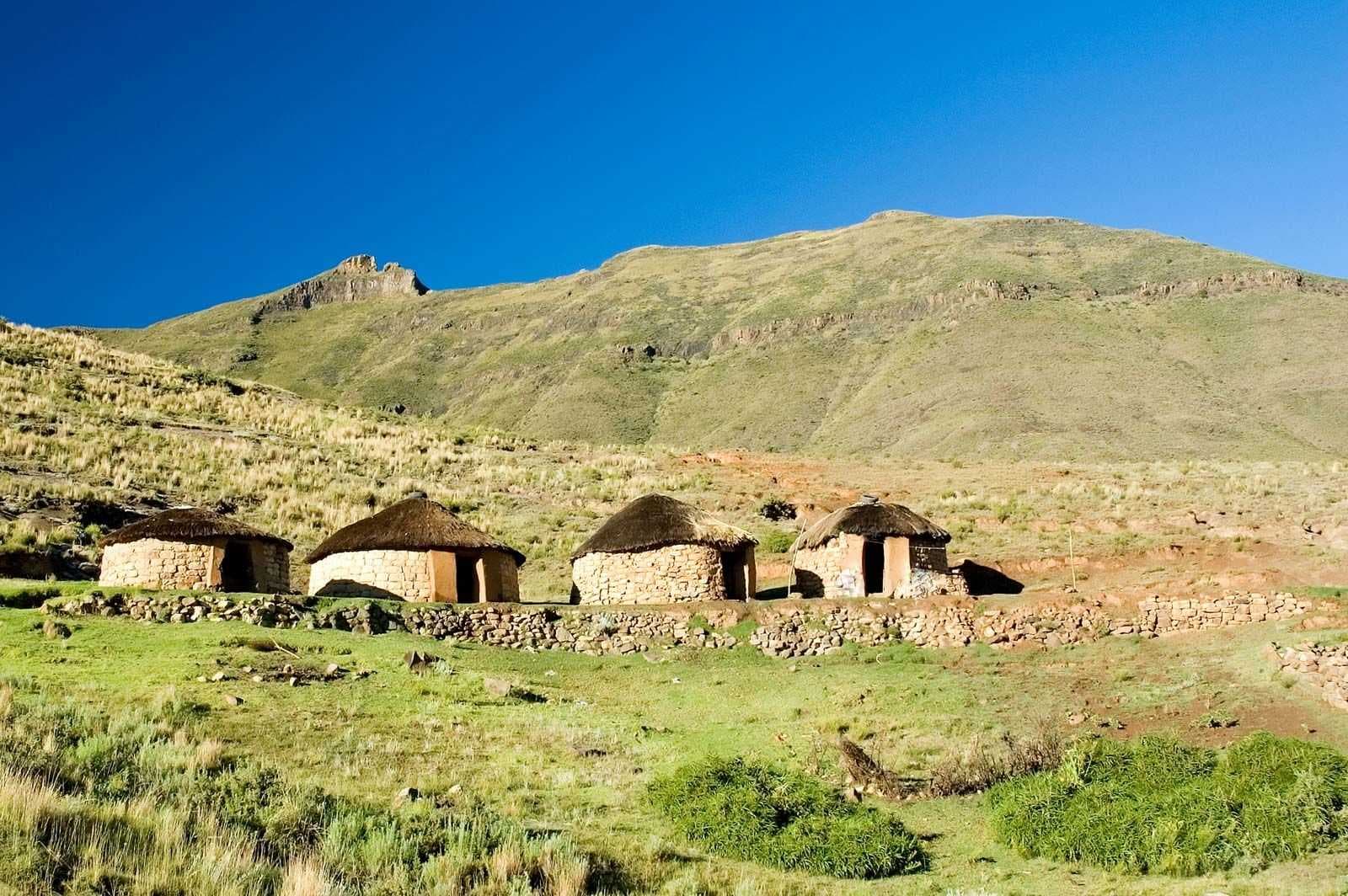
- Self-Catering Cottages: A few stone-built cottages are available for rental, usually priced between $80–$150 USD per night depending on season. These are better for larger families because you control the environment. Look for cottages with wood stoves or electric heaters included. The main benefit is privacy and kitchen access, which is crucial if your kids have specific dietary needs or want late-night snacks.
- Nearby Maseru Base: If you cannot find a suitable family-friendly room directly in Nako, consider staying in Maseru (the capital, about 30–40 minutes away) and doing day trips. Maseru has more consistent infrastructure, including hotels with proper bedding and heating. However, you lose the "live there" experience. For a kid-friendly trip, I recommend prioritizing the homestay or cottage in Nako if the reviews confirm reliable heating.
Practical Logistics
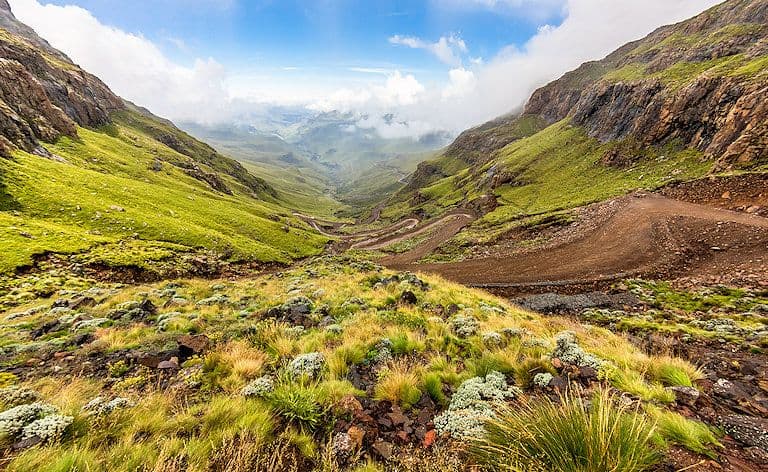
Getting to Nako requires a car. There is no public bus service that reliably stops in Nako for tourists. You need to drive from Maseru via the road leading into the district. The journey takes approximately 45 minutes to an hour, depending on traffic in Maseru and road conditions. Roads in the highlands can be narrow and winding. If you are not confident driving on mountain passes, hire a driver from Maseru. It costs extra, but it removes stress for the kids and lets them sleep in the back seat.
Money is tight in rural Lesotho. ATMs are scarce outside Maseru. Bring cash in Loti (LSL). US Dollars are sometimes accepted in tourist-oriented spots, but rates are often poor. Exchange money in Maseru before heading to Nako. Mobile money services exist but are not universal in remote villages. Cash is king here.
Power cuts happen. Even in guesthouses with generators, the backup power may not cover every outlet. Pack a headlamp or flashlight for each person. Kids love flashlights, and having one per child turns a blackout into a game rather than a nightmare. Also, bring warm layers. The heating in rural lodges is often inefficient. A good thermal top and wool socks are non-negotiable for sleeping.
Food & Culture
Food in Nako is simple, hearty, and communal. You will likely eat papa (maize porridge) served with stewed vegetables or meat. It is filling, cheap, and culturally central. Kids often enjoy mixing the papa themselves. Do not skip the tea breaks. Local herbal teas are common, though Lesotho also grows other herbs. Ask your host what is seasonal. In spring, you might find dried fruit or roasted maize.
Etiquette matters. When entering a home, greet everyone present. Use both hands when giving or receiving gifts or food. If you are invited to share a meal, say thank you sincerely. Photography of people should always come after asking permission. Respect drives these interactions. Your kids will pick up on this quickly. Teach them to look people in the eye when speaking and to speak softly indoors. The quietness of Nako is part of its charm. Loud voices disrupt the peace.
When to Go
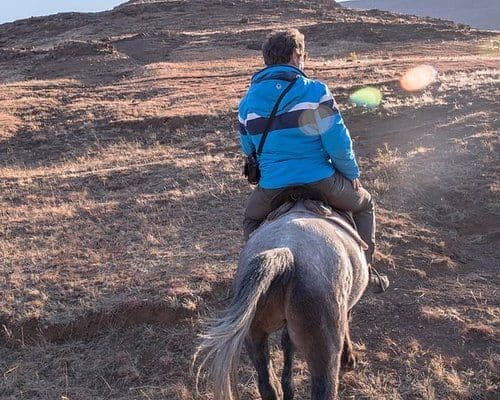
Autumn (April–May) and early spring (September–October) are ideal. Days are mild, nights are cool but manageable, and the grasslands are green without being muddy. Avoid the deep winter (June–August) unless you are experienced with high-altitude cold. Temperatures can drop well below freezing at night, which is risky for young children if heating fails.
Summer (December–February) brings rain. The roads can become slippery, and the humidity makes the heat feel heavier despite the altitude. If you visit during Christmas Day (2026-12-25) or Boxing Day (2026-12-26), book accommodation weeks in advance. Many locals travel home, and guesthouses fill up. New Year's Day (2027-01-01) also sees higher demand. Moshoeshoe's Day (2027-03-11) is a national holiday; some businesses close, but tourism activity remains steady.
For families, aim for a three-to-four-day stay. Two days feels rushed; five days feels long unless you have a strong interest in hiking or culture. Three days allows you to settle in, explore the immediate surroundings, and take one day trip to nearby attractions like the Sehlabathebe National Park area (check current park fees and access rules separately).
FAQ
Do I need a visa for Lesotho? Most Western travelers do not need a visa for short stays (up to 90 days) if they hold a valid passport. Always verify current entry requirements with your embassy before flying, as policies can change.
Is Nako safe for families? Generally, yes. Crime rates are low in rural areas compared to urban centers. Standard precautions apply: keep valuables secure, avoid walking alone at night, and trust your instincts. The community is welcoming, but isolation means help is not immediately available if something goes wrong.
What should I pack for kids? Warm clothing (layers, hat, gloves), sturdy shoes for uneven terrain, a first-aid kit, enough diapers/wipes if applicable, and entertainment for car rides. Download offline maps and music before you leave Maseru, as cell signal can be patchy in Nako.