Kirakira, Solomon Islands, offers no glass-walled galleries. Instead, the Kira Kira Cultural Center anchors a living heritage where history is performed, not just displayed.
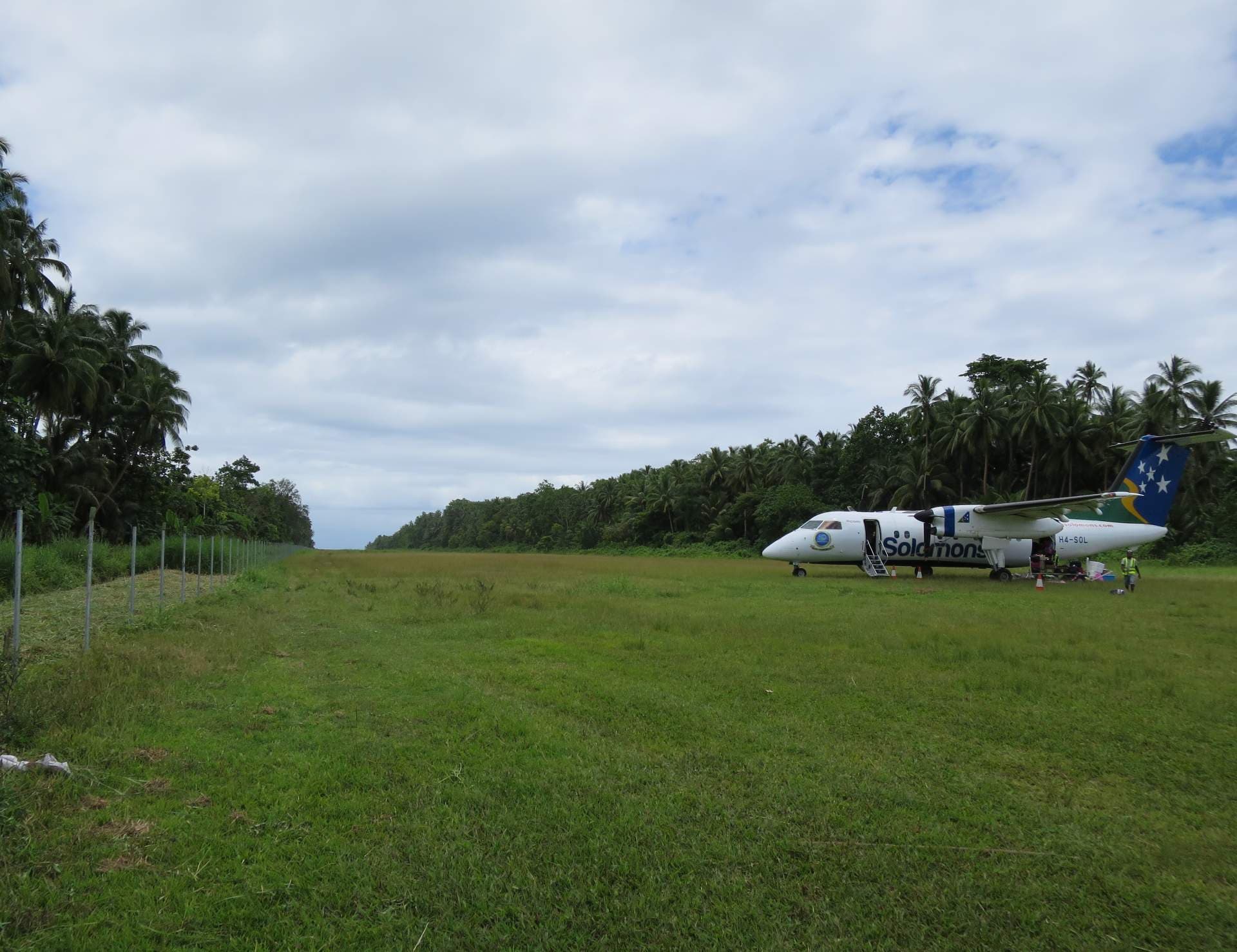
The flight from Honiara lands on a strip of coral sand before the town sprawls out along the north coast of Makira. There is no terminal building that hums with air conditioning. There is only the sudden silence of the interior and the heat that presses against the skin immediately upon stepping off the aircraft. Kirakira is the provincial capital of the Makira-Ulawa Province, a designation that carries weight in a country defined by its islands. The destination operates on a different set of rules, one where the boundary between the observer and the observed is thinner, more permeable, and far more demanding of attention. It does not rely on spectacle to attract visitors.
To speak of "museums" here is to engage in a slight linguistic error. There are no curated exhibitions behind velvet ropes. There is no admission fee to pay at a turnstile. What exists is a concentration of cultural memory, housed primarily in the Kira Kira Cultural Center. This facility sits in the heart of the settlement, serving as the administrative and ceremonial anchor for the preservation of local heritage. It is a structure that exists to hold the weight of tradition. It stands as a physical testament to the fact that identity in the Solomon Islands is a continuous act of negotiation rather than a static artifact.
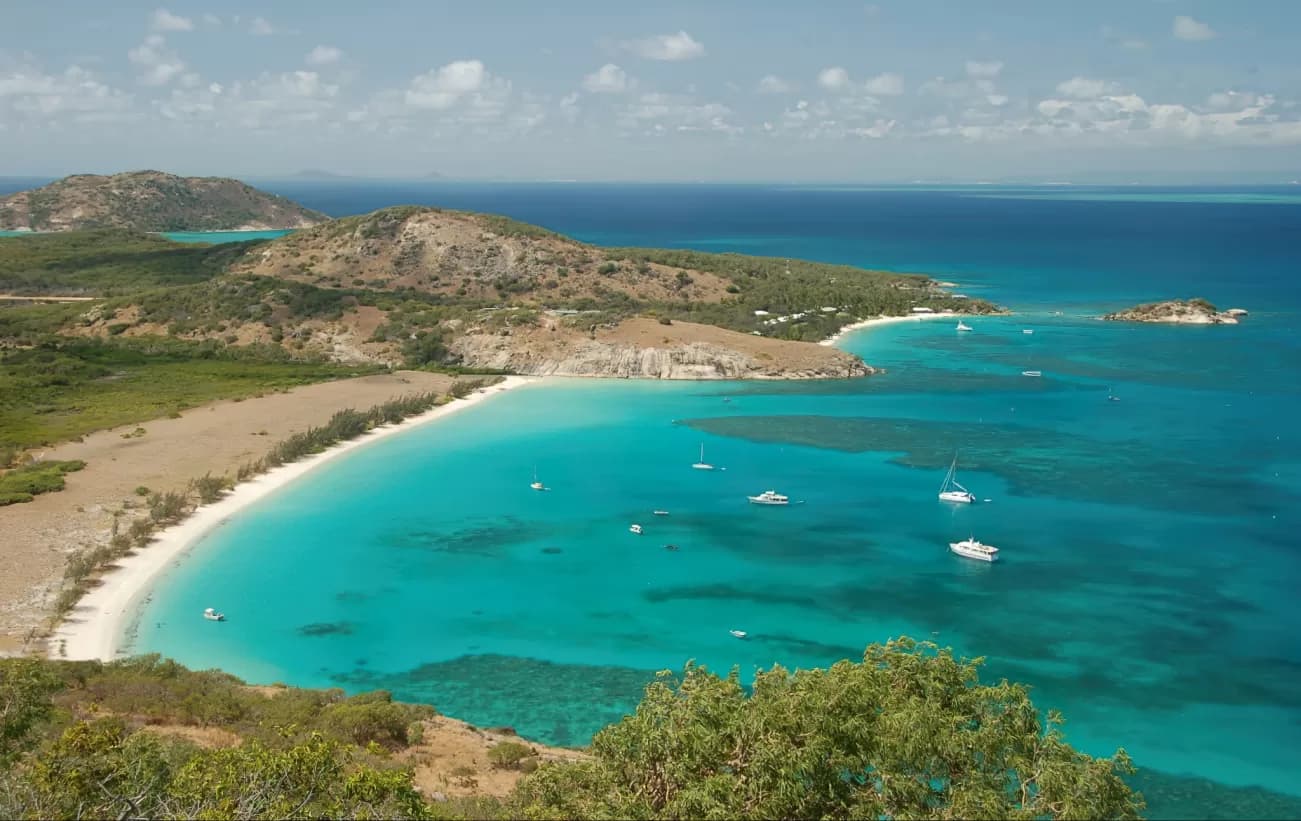
The Kira Kira Cultural Center
The center functions as the primary institutional repository for the region’s artistic and social codes. It is here that the intricate patterns of tapa cloth are discussed, stored, and demonstrated. The architecture of the building itself is modest, designed to withstand the tropical humidity that soaks into the wood and stone of Makira. Inside, the air is cool only by the standard of the outside world, carrying the faint scent of wood polish and earth.
Visitors do not simply look at objects; they witness the process. The staff and local practitioners here are custodians of knowledge that predates colonial contact. They explain the significance of specific motifs, the lineage of particular dance steps, and the ritual importance of certain musical instruments. The tension in the room is palpable. It is the tension of a community defending its narrative against the erosion of time. Standing in this center acknowledges that you are a guest in a space where the past remains active. It watches back.
Life Beyond the Walls
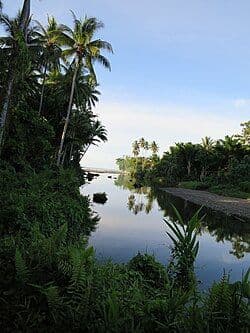
If the Cultural Center is the heart, the surrounding landscape is the body. The definition of a museum in Kirakira expands to include the rainforest trails that begin just beyond the tree line of the town. These paths lead into dense vegetation where birdlife thrives in the canopy. The sound is constant—a layered chorus of calls that changes with the light. The environment contains no cages. The birds are wild, indifferent to the presence of the human observer, and their survival depends on the integrity of the forest floor.
Further out, the fishing communities operate on the reefs and the open water. This is where the subsistence culture becomes visible. The movement of the boats, the mending of nets, the drying of catch on the shore—these are the exhibits. They are unscripted. They are economic necessities that double as cultural performances. To observe these communities is to understand the material reality that underpins the spiritual and artistic expressions found in the Cultural Center. The two are inseparable. One cannot appreciate the art without understanding the labor that sustains the people who create it.
Logistics of Arrival
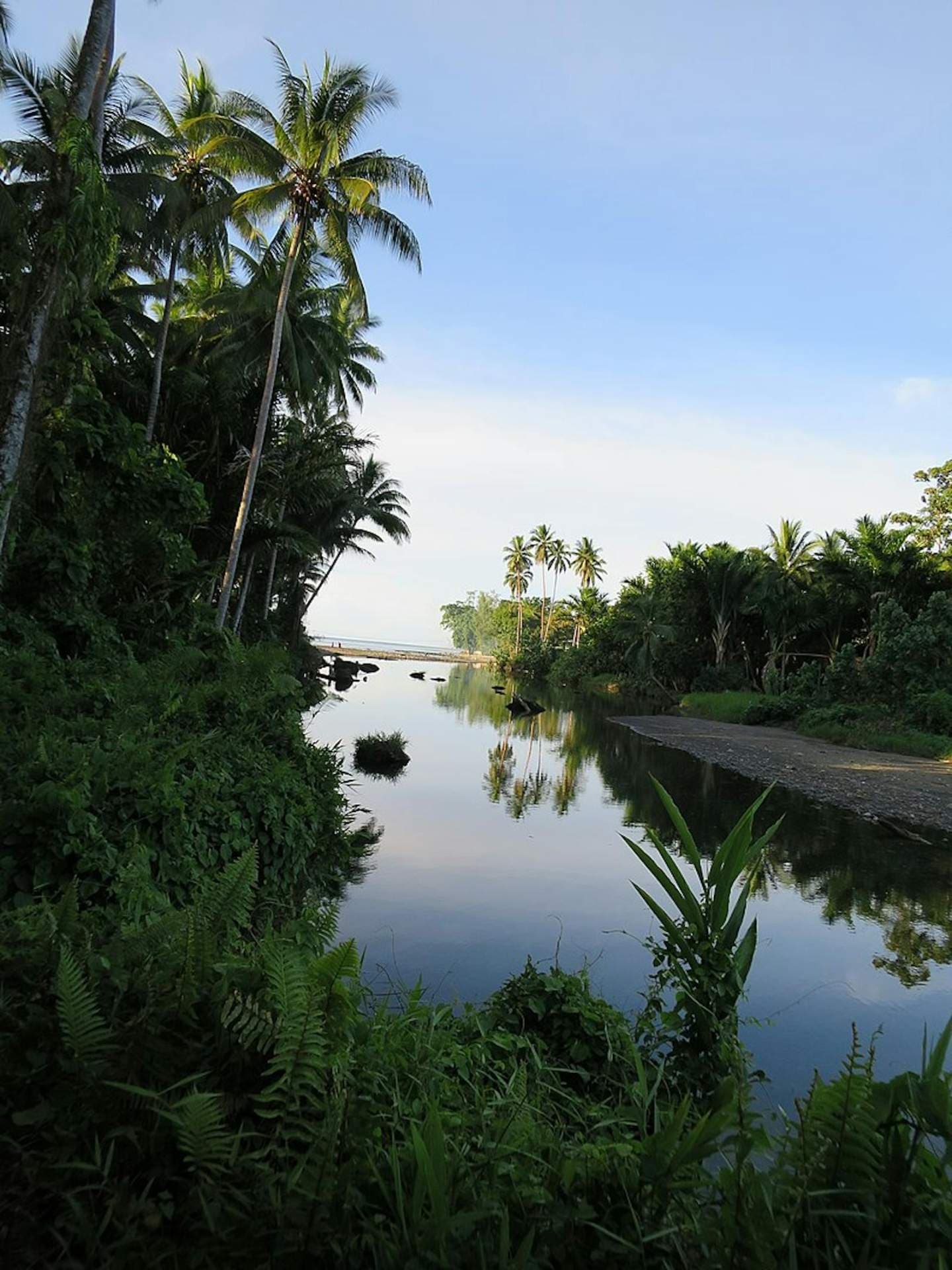
Reaching Kirakira requires a commitment to logistical precision. The primary route is via Solomon Airlines, which operates domestic flights from Honiara (HIR) to Kirakira (IRA). Honiara serves as the main aviation hub for the nation, making it the necessary gateway. The flight is short, but the implications of the journey are significant. You are leaving the relative infrastructure of the capital for a place where resources are finite and schedules are fluid.
Luggage restrictions are strict. The allowance for domestic flights is limited to 16 kg. This is a hard limit. Exceeding it results in fees or refusal. Pack accordingly. Light clothing, essential toiletries, and perhaps a notebook. Heavy gear is unnecessary and impractical. The local climate does not demand layers. The terrain does not require specialized hiking equipment unless you intend to venture deep into the rainforest trails.
For those arriving by sea, local boats and ferries provide inter-island connectivity. However, the air route remains the most reliable method for reaching the provincial capital directly. Book your flights through Solomon Airlines or via local travel agents in Honiara. Availability can fluctuate based on demand and operational weather conditions. Do not assume a last-minute booking will secure a seat. The margin for error is small.
Timing and Atmosphere
There are no major public holidays recorded for the immediate six-month period that would disrupt operations or cause significant crowding. This stability is an advantage. The town does not surge with tourists during peak festival seasons in the way that larger hubs might. The rhythm of life continues at its own pace.
The best time to visit is generally aligned with the drier months, though specific weather patterns for Makira can vary. Check current forecasts before departure. The humidity is high year-round, and the heat is persistent. Mornings offer the most comfortable window for outdoor activities, particularly for visiting the rainforest trails. By midday, the sun is vertical and unforgiving. Afternoon brings the potential for tropical showers, which can wash the dust from the air and saturate the ground.
This is a destination for slow travel. It suits those seeking depth over breadth, as it demands sustained attention rather than rapid movement. The pace is dictated by the environment. You move when the heat allows. You stop when the light fades. The audience for Kirakira is the traveler who understands that some places reveal themselves only through patience.
Practical Questions
How do I get to the Kira Kira Cultural Center? It is located in the central part of the town. From the airstrip, the walk is short and straightforward. Signs are minimal, but the building is a prominent landmark. Ask locals if you are uncertain; hospitality is a cornerstone of the community.
Is there a formal entry fee for the Cultural Center? Specific pricing models may vary or change. It is advisable to carry small denominations of Solomon Islands Dollars (SBD) for any contributions or guided services. Cash is king in remote areas. ATMs are scarce or non-existent in Kirakira. Withdraw funds in Honiara before flying.
What should I wear for rainforest walks? Long trousers and sturdy shoes are recommended. The undergrowth is thick, and thorny vegetation is common. Insect repellent is essential. The humidity means sweat will be constant. Light, breathable fabrics are preferable to synthetic materials that trap heat.