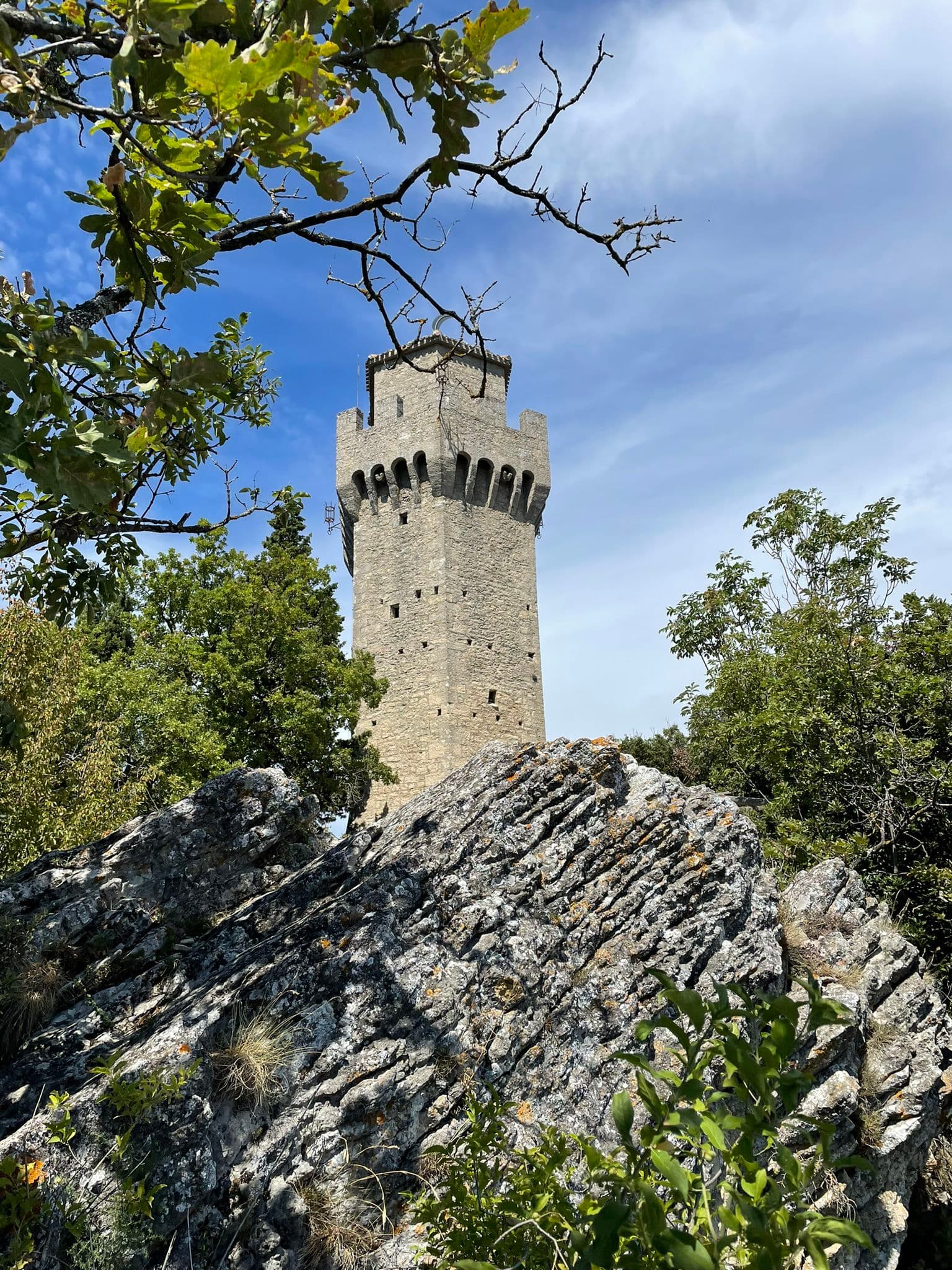
Summer in Montegiardino arrives with a distinct shift in atmosphere, trading the crisp morning mists of spring for long, sun-drenched days that linger well past sunset. While the capital of San Marino draws crowds to its three iconic towers, this neighboring municipality offers a quieter, more residential rhythm that appeals to travelers seeking respite from the tourist trail. Located at the foot of Mount Titano, Montegiardino serves as a practical gateway to the country’s natural parks while maintaining its own identity as a village of stone houses, narrow lanes, and local life. For those planning a summer visit, understanding the microclimate of the valley floor versus the mountain peak is essential for comfort.
The village sits at a lower elevation than the historic center, meaning temperatures can climb higher during July and August, often reaching 30°C (86°F) or more in the shade. However, the surrounding hills provide ample opportunity for cool afternoon walks. The key to enjoying Montegiardino in summer lies in timing: start early, explore midday indoors or in shaded terraces, and reserve the late afternoon for the best light and views. This guide covers how to navigate the village, where to stay, and how to make the most of the season without succumbing to the heat.
Navigating the Village and Heat Management
Getting around Montegiardino is straightforward, but summer requires a strategic approach to transport and movement. The village is compact enough to explore on foot, yet the terrain is hilly, and the cobblestones of Via del Dragone and surrounding streets can become hot underfoot. If you arrive by car, park at one of the designated lots near Piazza della Pace and walk. Traffic is light compared to Italian neighbors, but summer weekends see an increase in regional visitors heading toward the coast or the capital.
For those without a car, public buses connect Montegiardino to San Marino City and Rimini, Italy, roughly every 30 to 60 minutes. Summer schedules may vary slightly, so checking the latest timetables at the local tourist office is advisable. A bus ride up to the capital takes about 15 minutes, offering a chance to escape the valley heat and enjoy cooler breezes at higher altitudes.
Walking the Sentiero dei Gessi (Gypsum Path) is a popular local activity, but it should be undertaken in the early morning or late evening during summer. The trail winds through the San Marino Nature Park, featuring gypsum formations that are best appreciated in soft light. Midday hikes expose hikers to direct sun with limited shade. Carry at least 1.5 liters of water per person, wear a hat, and choose breathable fabrics. The air in Montegiardino is dry, which helps with sweat evaporation, but the sun’s intensity on exposed rock faces is significant.
Where to Stay: Cool Retreats in the Valley
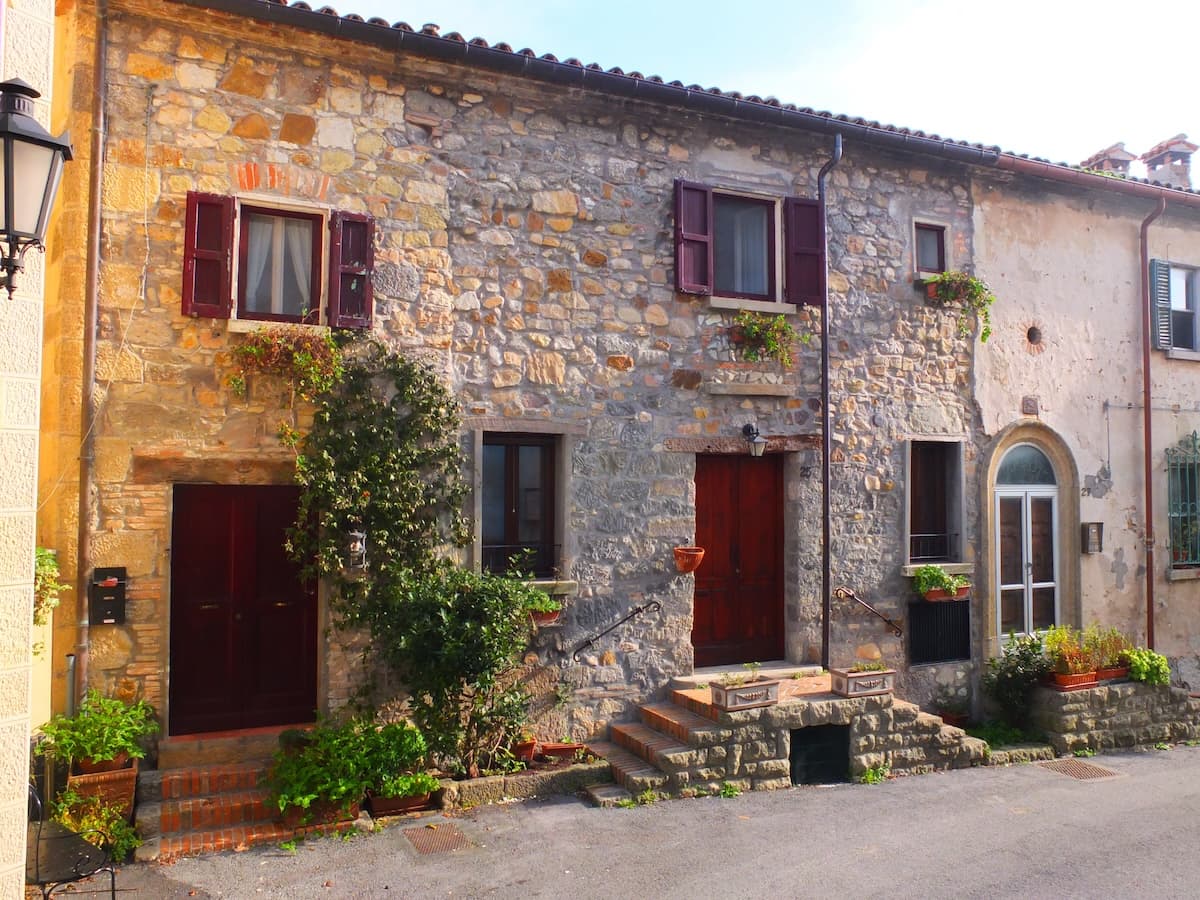
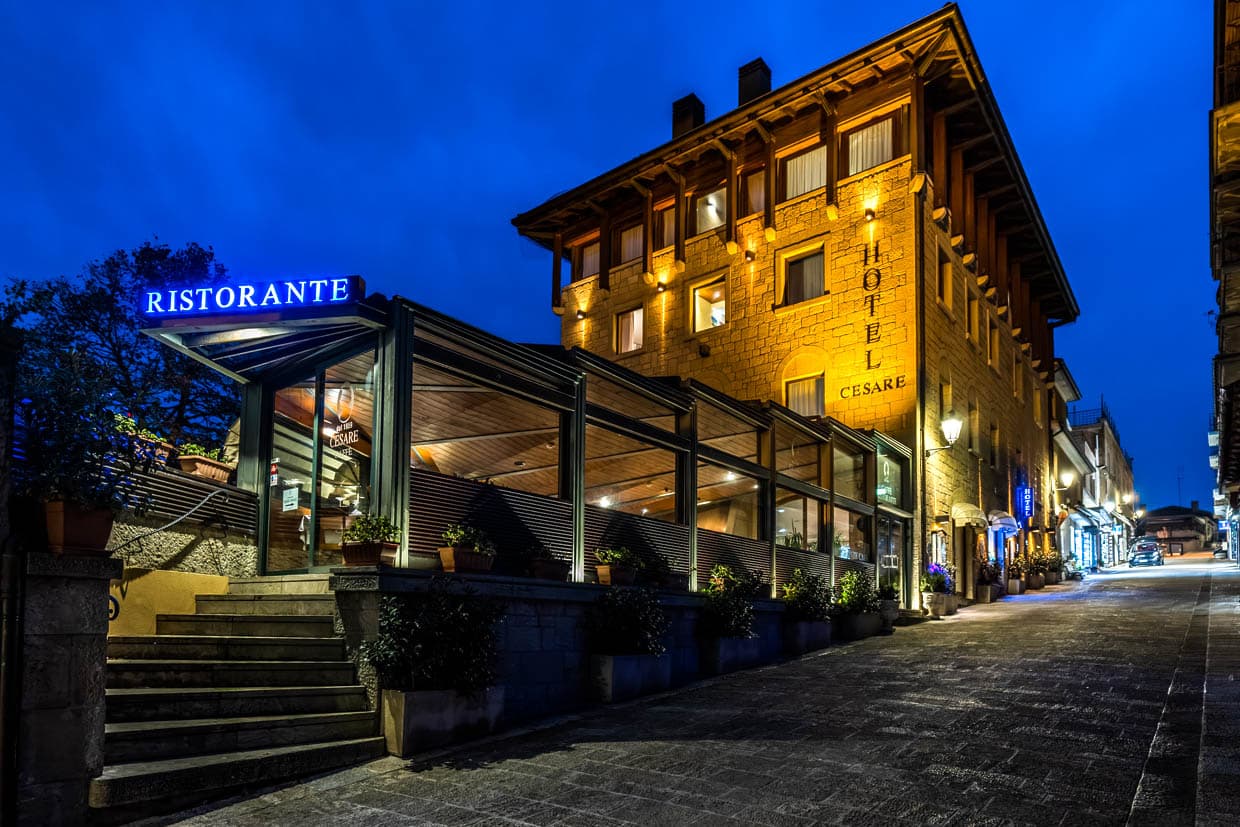
Accommodation in Montegiardino ranges from budget-friendly guesthouses to upscale hotels, many of which are integrated into the village’s historic fabric. The Mo.Dà Hotel, located on Via del Dragone, is a notable option for travelers seeking comfort with easy access to local amenities. Its rooms are air-conditioned, a non-negotiable feature in July and August. Booking in advance is essential, as summer is peak season for short stays, particularly for weekend trips from Bologna or Rimini.
Another popular choice is the Montegiardino Albergo Diffuso, a concept where rooms are dispersed across restored traditional buildings. This style of accommodation allows guests to feel immersed in the village rather than isolated in a large hotel complex. Rooms often feature stone walls that help regulate temperature, keeping interiors cooler during the day. However, verify that each specific unit has modern climate control, as older buildings can retain heat if not properly insulated.
For those preferring self-catering, holiday homes like La Casa di Montegiardino offer space and privacy. These are ideal for families or groups who want to prepare meals indoors during the hottest part of the day. Prices for accommodation in Montegiardino are generally lower than in San Marino City, making it a cost-effective base for exploring the entire republic. Expect to pay between €60 and €120 per night for a standard double room, depending on the season and amenities.
Dining Locally: Savoring San Marinese Flavors
Summer dining in Montegiardino revolves around light, fresh ingredients and outdoor seating. The village boasts several trattorias that serve traditional San Marinese cuisine, which shares similarities with Emilia-Romagna but has its own distinct character. Look for dishes like piadina, a flatbread filled with squacquerone cheese, prosciutto, and roasted vegetables. It is a perfect lunch option—portable, flavorful, and not too heavy.
One of the culinary highlights of the region is the San Marzano tomato, though the locally grown San Marinese varieties are equally prized. Summer menus often feature caponata, a sweet and sour eggplant dish, or fresh pasta with seasonal vegetables. Wine pairings typically include Sangiovese from nearby Emilia-Romagna or local whites that are crisp and refreshing.
Restaurants along Via del Dragone and near Piazza della Pace often open their terraces in the evening. Dining al fresco is a pleasant way to experience the village as the temperature drops. Arrive early, around 7:00 PM, to secure a table with a view. Many establishments offer fixed-price summer menus that provide good value. For breakfast, local bakeries sell fresh cornetti and brioche, best enjoyed with a strong espresso before heading out for the day.
Outdoor Activities: Trails, Parks, and Views
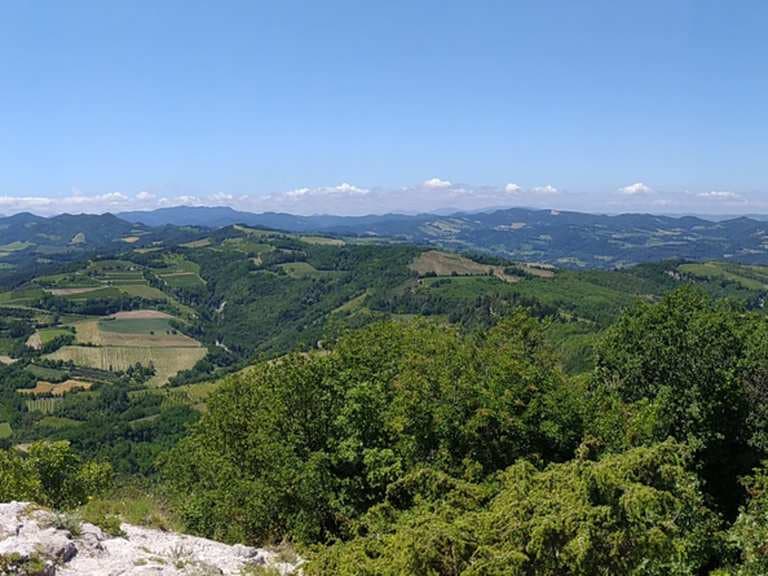
The natural landscape surrounding Montegiardino is its greatest asset. The San Marino Nature Park spans over 3,000 hectares and includes a variety of trails suitable for different fitness levels. The Sentiero dei Gessi is one of the most famous, leading hikers through unique geological formations. In summer, the trail is dry and manageable, but the lack of shade means timing is critical. Start your hike by 8:00 AM to avoid the midday sun.
Another option is the Walk of the Titano, a longer trail that circles the mountain. It offers panoramic views of the Adriatic Sea on clear days. The trail is well-marked, but some sections are steep. Wear sturdy footwear, as the terrain includes rocky paths and uneven ground. For less active travelers, the park has designated picnic areas with tables and benches, shaded by pine trees. These are ideal for a midday break.
Cycling is also popular in the region. The roads around Montegiardino are quiet, and the hills provide a good challenge for road cyclists. E-bikes are available for rent in some nearby towns, making the climbs more accessible. Be mindful of traffic when using main roads, and always wear a helmet. The air quality in San Marino is excellent, making outdoor activities particularly refreshing.
Practical Tips for a Smooth Summer Visit
Preparing for a summer trip to Montegiardino involves a few practical considerations. First, dress in layers. Mornings can be cool, especially in the shade, while afternoons are hot. A light jacket for the evening is useful, as temperatures can drop quickly after sunset. Sunscreen, sunglasses, and a wide-brimmed hat are essential. The sun in the Mediterranean can be intense, and sunburn is a common complaint among unprepared visitors.
Water is readily available, but carrying a reusable bottle is recommended. Public fountains provide drinking water, and many restaurants will refill bottles for free. Trash bins are available in main areas, but help keep the village clean by carrying out your waste if bins are full.
Currency in San Marino is the Euro, and cards are widely accepted. However, smaller shops and some street vendors may prefer cash. ATMs are available in San Marino City and larger towns, but options in Montegiardino itself are limited. Withdraw cash before heading into the village if you plan to buy snacks or souvenirs from small stalls.
Finally, respect local customs. San Marino is a quiet, residential country. Keep noise levels down, especially in the evenings, and ask permission before taking photos of private homes. The locals are friendly and welcoming, but they value their privacy and peaceful lifestyle.