Skip the airport. The real gateway to this 133-person village is a 38-minute, €10 ride to Cuenca’s high-speed rail hub.
The "Airline" That Doesn’t Exist
There is no terminal. There is no check-in desk, no jet bridge, and no overhead bin for your bag. If you are looking for a direct flight to Monteagudo de las Salinas, a municipality of 133 souls in Cuenca Province, Castile-La Mancha, you are chasing a ghost. The village sits deep in the rural interior of central Spain, far from the jet stream and the commercial hubs that define modern travel. But that is precisely the point. The "airline" here is the road.
The only credible connection to the wider world is the 33.12 km stretch of asphalt leading to Cuenca’s railway station. This is where the magic happens on the rails. Cuenca’s station handles medium, long-distance, and high-speed (alta velocidad) trains, turning a tiny, quiet village into a node accessible from Madrid and other major cities. The journey from the village to the station is quick; route planners suggest a travel time of around 38 minutes. The cost? Approximately $10 for the cheapest option. For the price of a mediocre airport coffee, you can be on the platform.
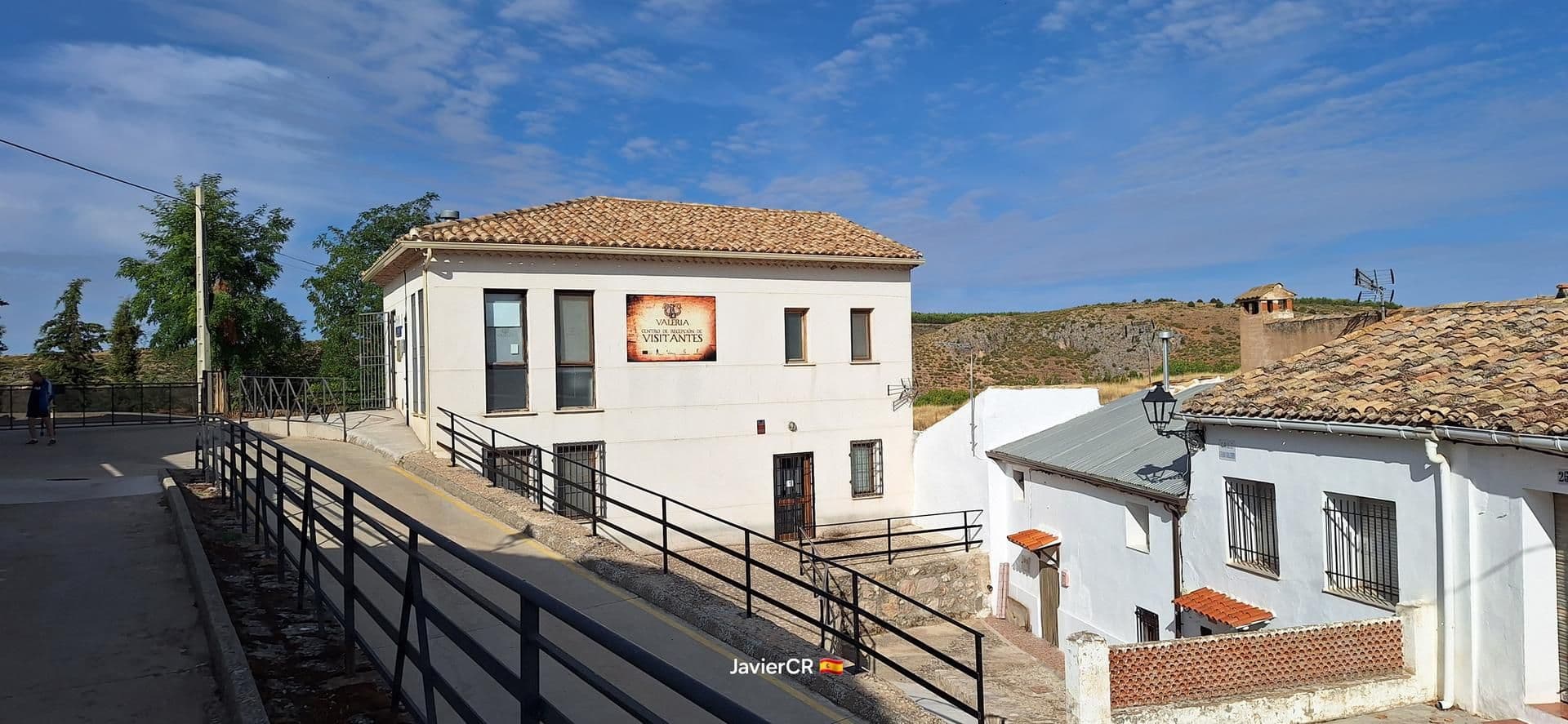
Getting There: The 33-Kilometer Run
Let’s talk logistics, because in a place this small, logistics are the whole story. You do not fly into Monteagudo. You fly into Madrid or a nearby regional airport, take a high-speed train to Cuenca, and then cover the final 33 kilometers by road. There are three main transport options for the leg from Monteagudo de las Salinas to Cuenca, but the reality is that you are likely driving or taking a local bus. There is no confirmed rail line inside the village itself.
The station in Cuenca is your anchor. It is a functioning hub for Renfe services, allowing you to bypass the congestion of Madrid-Barajas or the hassle of regional bus terminals. Once you arrive in Cuenca, the drive to the village is a short, uneventful trip through the Castilian landscape. The route is a functional connector rather than a postcard-view scenic drive. The distance is short enough that you do not need to book a hotel in Cuenca for the night if you are staying in the village. You arrive, you park, you unpack. The friction is minimal.
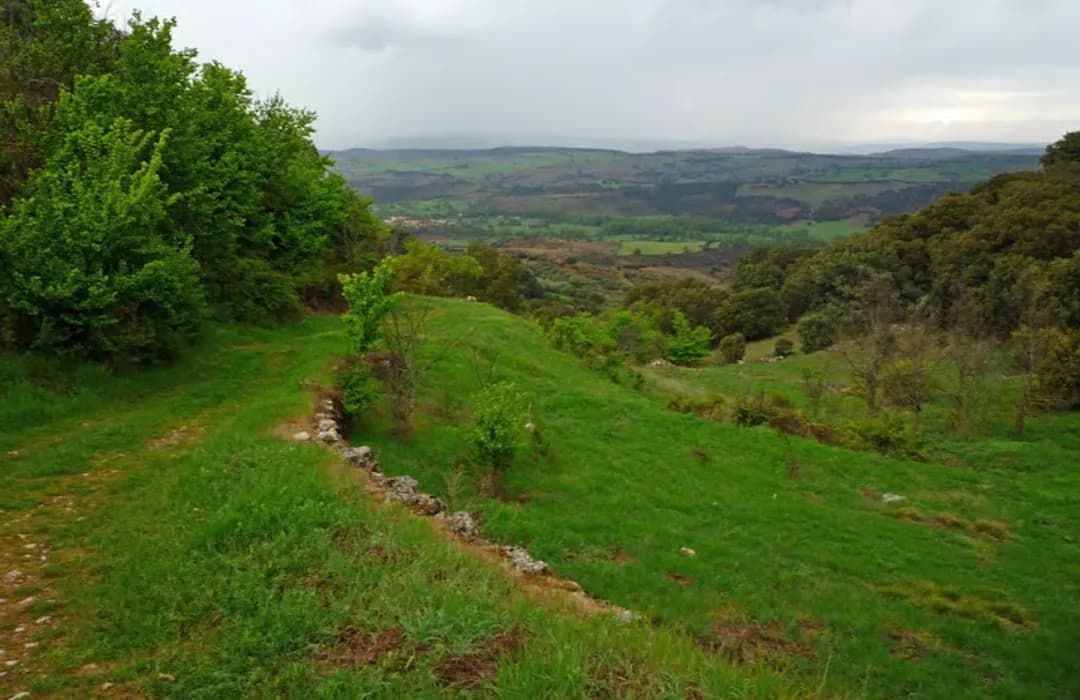
Where to Stay: Three Rooms, Three Vibes
With a population of 133, lodging options are scarce but specific. You are not choosing from a lineup of five-star resorts. You are choosing between a few established rural stays.
Hotel El Romeral is the primary lodging option listed for the village. It is a traditional establishment that serves as the main base for visitors. Expect a simple, functional room. The focus here is on proximity to the village center rather than luxury amenities.
Casa Rural Rincón de Sandra offers a more rural, homestay experience. This type of accommodation is typical of Castile-La Mancha, where families rent out rooms in their homes. It is quieter, less commercial, and often includes a shared dining space where you might meet locals.
The "Hanging Restaurant" is a dining spot listed on the village’s photo page. While not a hotel, it indicates the presence of a communal gathering point. In a village this size, where you eat often dictates where you stay, as the social life revolves around these few central spots.
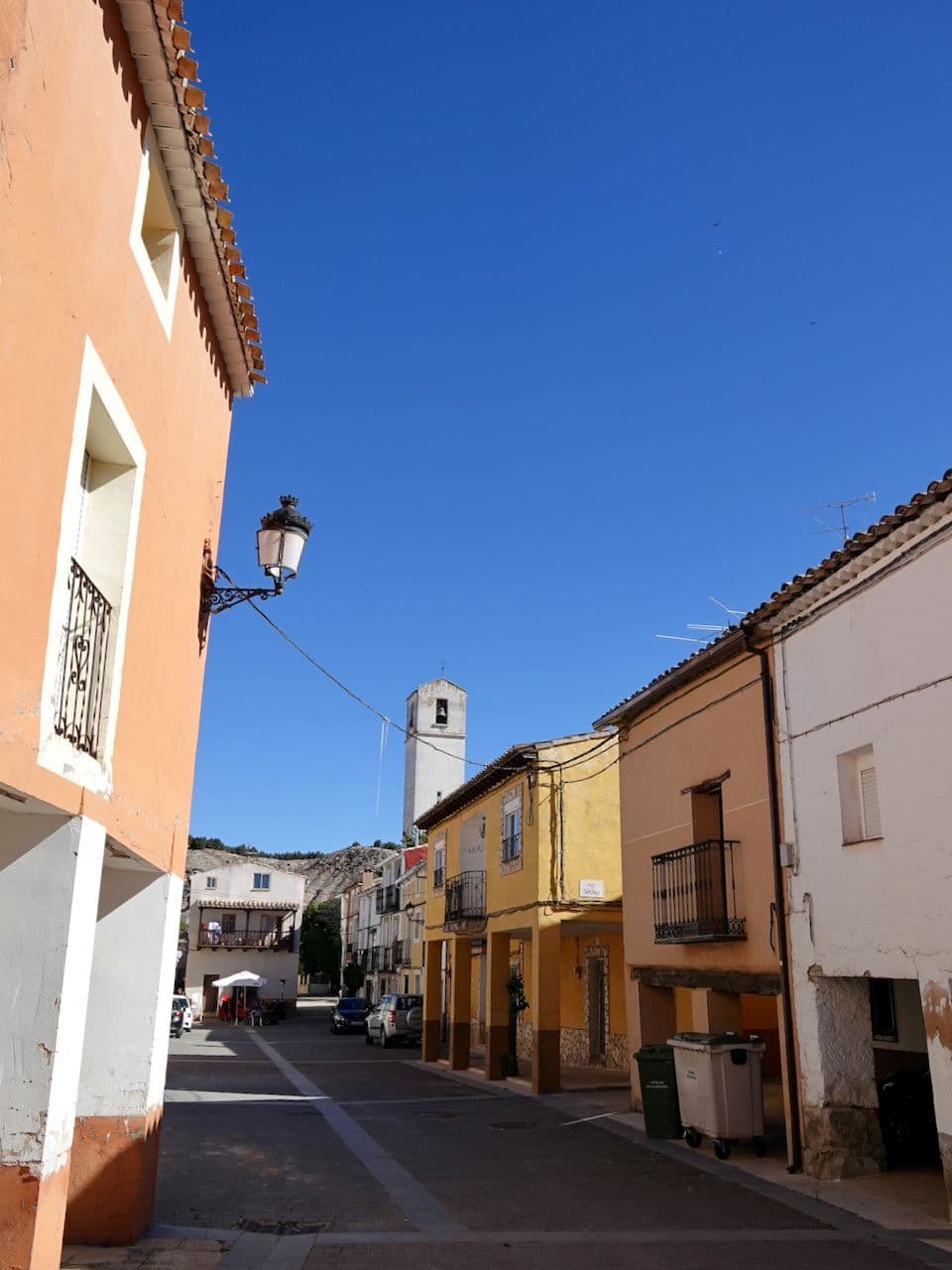
The Table: What to Expect
There is no confirmed signature dish for Monteagudo de las Salinas in the available sources. This reflects the small size of the community. In Castile-La Mancha, food is often regional rather than hyper-local. You will find traditional Spanish fare: stews, meats, and bread. The "Hanging Restaurant" likely serves these regional staples.
Do not expect a Michelin-starred tasting menu. Expect a plate of meat, some vegetables, and a glass of local wine. The quality of the ingredients is often superior to the presentation. In rural Spain, the cook’s eye is on the source, not the plating. If the meat is fresh, the bread is warm, and the wine is cold, you have won. The food is the fuel for the slow pace of life here.
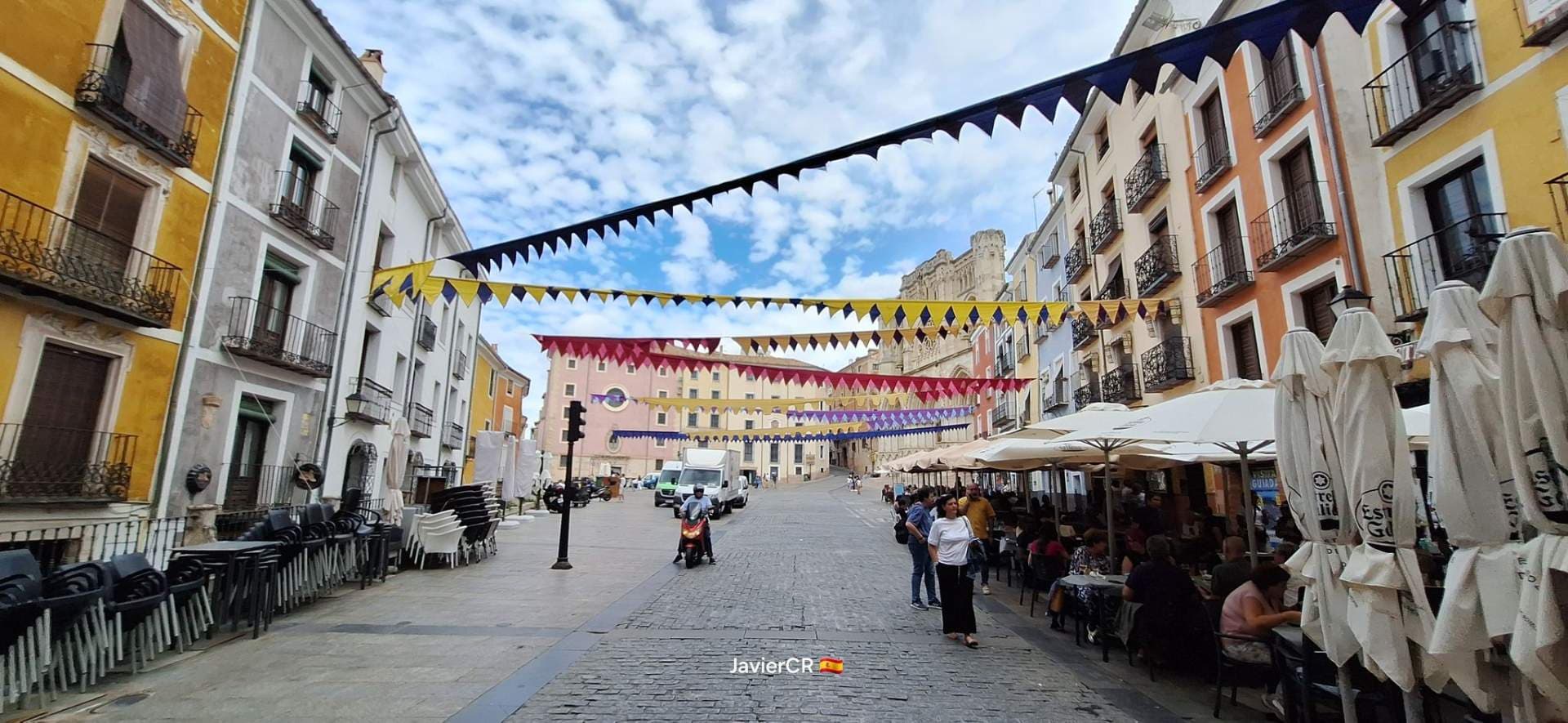
When to Go: Autumn and the Holiday Crunch
The current season is autumn, which is ideal. July, the hottest month, sees typical highs of 30.2°C and lows of 16.6°C. In October, the heat breaks. The days are still long enough for exploration, but the evenings are cool enough for a walk without sweating.
However, be aware of the calendar. National Day is on October 12, 2026—tomorrow from the perspective of the data. Expect higher demand and potential crowding in nearby towns like Cuenca. If you are traveling during this week, book your lodging in advance. All Saints' Day follows on November 1, which may see local observances but is less likely to cause major travel surges than National Day.
This destination is for slow travelers, solo adventurers, and those who want to escape the noise. It suits those who want to sit in a room, walk to the square, and watch the light change over the Castilian landscape. It is less suitable for families with young children who need amenities, or for those who want a vibrant nightlife. Stay for two to three days. That is enough.
FAQ
Do I need a car? Ideally, yes. While there are transport options to Cuenca, having a car gives you flexibility within the village and surrounding area. The 38-minute drive to Cuenca is manageable by bus or taxi, but a car removes the dependency on schedules.
Is it safe? Yes. With a population of 133, the village is extremely quiet. Crime rates are typically low in rural Spain. Standard precautions apply: lock your room, watch your belongings in public spaces.
What language do they speak? Spanish. English is not widely spoken in such a small community. A few basic Spanish phrases will go a long way and are appreciated.