Skip the paved highways. Mironó, Panama, rewards drivers willing to trade comfort for cloud forests and indigenous silence.
There is no gas station with a neon sign here. There is no highway exit ramp with a digital speed limit display. To reach Mironó, you must accept that the road is the destination, and the destination is a district of roughly 15,000 people tucked into the mountainous spine of western Panama. It sits within the Ngäbe-Buglé Comarca, the country’s largest and most populous indigenous territory, a sprawling 6,968 square kilometer expanse carved out by law in 1997. You drive to this place because you want to see what happens when the pavement ends and the jungle takes back the tarmac. It is a raw, uncurated experience far removed from standard tour bus itineraries.
The Drive In: Mud, Mountains, and Momentum
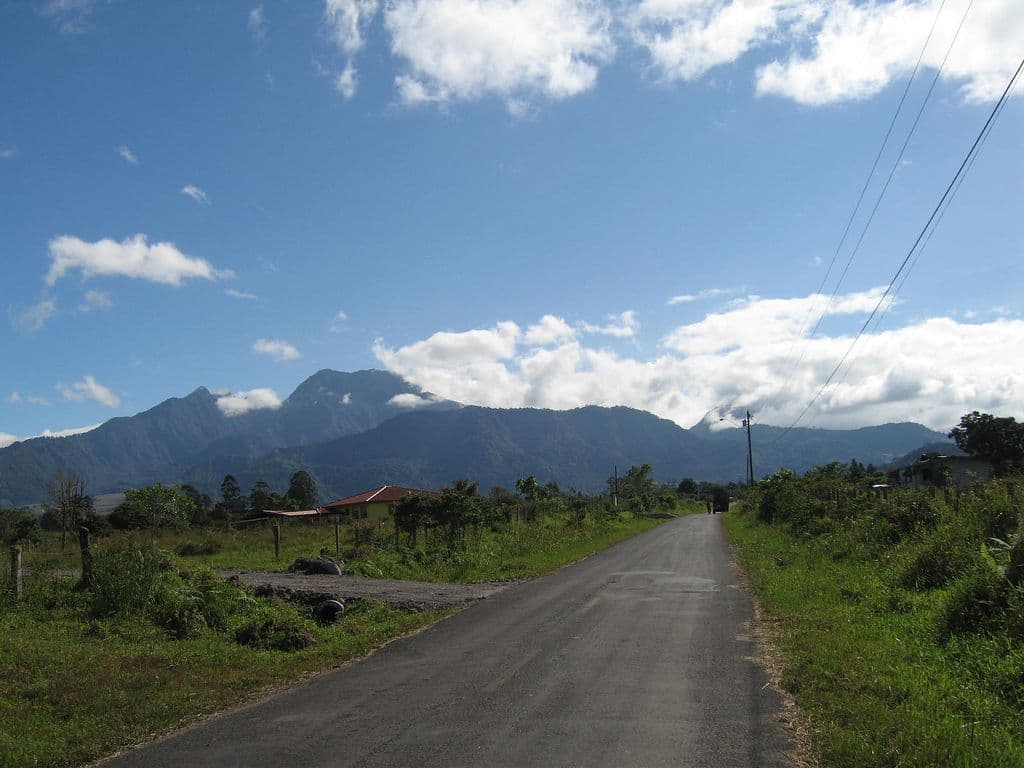
The approach to Mironó is defined by elevation and erosion. The roads winding through the highlands are mountainous, often flanked by ridges that disappear into low-hanging clouds. For a driver, this means a constant negotiation with visibility and traction. Reports from the region highlight a stark seasonal dichotomy: during the wet months, these roads can deteriorate into deep mud, limiting connectivity and turning a scenic drive into a test of vehicle clearance and patience. If you are visiting in the summer months, you are likely in the tail end of the wet season or the transition into drier conditions, so check local conditions before you commit to a four-wheel-drive rental.
There are no rail lines serving this district. There is no train station to wait at, no schedule to memorize. Access is exclusively by road, which makes the drive itself a significant part of the experience. The lack of direct, high-frequency public bus routes from major hubs means many travelers opt for private transport or join a group heading toward other parts of the Comarca. The journey focuses on the shift in landscape as the dense coastal greenery gives way to the cooler, mistier air of the highlands. Speed is irrelevant; the view is the point.
Inside the Comarca: A Landscape of Craft and Coffee
Once you arrive, the infrastructure changes. Mironó is a community embedded in the daily rhythms of the Ngäbe-Buglé people rather than a hub of traditional hotels and souvenir shops. The region is widely recognized for its coffee cultivation and artisanal crafts. You won’t find a branded coffee chain here, but you will find the source of beans grown in the shade of tropical trees, often processed locally. The coffee culture here is practical and communal, a staple of local life rather than a performative experience for tourists.
Similarly, the craft tradition is robust. Molas, the intricate layered textiles created by Ngäbe women, are central to the local identity and economy. While specific shops may vary in location and availability, the presence of these artisans is a defining feature of the Comarca. Walking through the district, you might see the vibrant geometric patterns of a mola being stitched in a courtyard, a process that can take weeks or months for a single piece. It is a reminder that time moves differently here, measured in the completion of a textile rather than the arrival of a flight.

Practicalities for the Road Warrior
Planning a trip to Mironó requires a mindset shift from "booking" to "asking." With limited formal tourism infrastructure, specific hotel names and fixed price points are scarce in public records. Accommodation, if available for visitors, is typically basic, family-run, or arranged through local contacts. If you are staying overnight, expect simple conditions. Bring cash, as electronic payment systems are unlikely to be functional in the highland districts.
For food, you will eat what is available locally. The diet in the Comarca is rooted in staples like corn, beans, and vegetables grown in the surrounding plots, alongside the coffee mentioned earlier. There is no fine dining scene, nor should there be. The meal is an opportunity to sit with locals and share a plate of simple, hearty food. If you are driving, ensure your vehicle is serviced before entering the highlands. The terrain is demanding, and the remoteness means that a breakdown is a potential multi-day ordeal until help arrives, far more than just a mere inconvenience.
Timing Your Visit: Rain and Holidays
The rainy season is the biggest variable. Roads that are passable in the dry season can become impassable mud pits when the rains hit hard. While no explicit "best season" is officially declared for tourism, the practical reality is that drier months offer safer and more predictable travel. Summer in Panama can still bring rain, so flexibility is key. Be prepared for weather delays and adjust your itinerary accordingly.
Looking ahead to late 2026, several national holidays fall in November and December, which could impact local activity and availability. Separation Day on November 3, followed closely by National Symbols Day on November 4 and Colon Day on November 5, creates a cluster of public holidays. During these periods, local businesses may close, and while this doesn’t necessarily mean crowds, it does mean services might be reduced. If you plan to visit around these dates, confirm your accommodation and transport arrangements well in advance, as the standard operational rhythm of the district may pause.
Frequently Asked Questions
Is Mironó safe for solo travelers? The Ngäbe-Buglé Comarca is generally considered safe, but it is remote. Standard precautions for rural travel apply: inform someone of your route, carry sufficient cash, and respect local customs. The population is small, and the community is tight-knit, which often translates to a welcoming environment for respectful visitors.
Can I rent a car in Mironó? No. Car rentals are not available within the district. You will need to arrange transport from a larger city or hire a local driver if you wish to explore the surrounding areas independently. Public transportation is limited, so self-sufficiency in terms of movement is essential.
What should I wear? Pack layers. The highland climate is cooler than the coast, especially in the evenings and during the rainy season. Waterproof gear is non-negotiable if you are traveling in the wet months. Comfortable walking shoes are also advisable, as much of the exploration will be on foot through unpaved paths.