250km from Toamasina, past the paved road, lies Marolambo NP. 95,000 hectares of dense rainforest. Entry €10–15. No luxury. Just data.
The Asset Overview
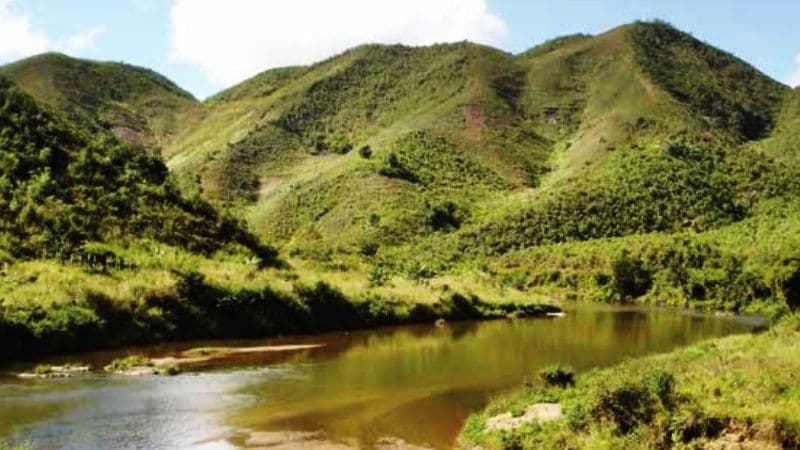
The entry fee is €10 to €15. That is the entire transaction cost for accessing 95,063 hectares of protected land. Most safari destinations charge triple that for a lodge with air conditioning and a view of a manicured garden. Here, the price buys access to a Category II protected area established by Decree no. 2015-716 on April 21, 2015. The geography is efficient. Marolambo sits in the Atsinanana region of eastern Madagascar, positioned along the Nosivolo River near its junction with the Sandranamby River. It is the capital of the Marolambo District, a designation that carries administrative weight but little commercial noise. The landscape consists of dense mid-altitude rainforest, interspersed with degraded and secondary growth. Eighty-two rivers originate within the park boundaries. This destination targets those seeking density over comfort. The isolation is the product.
Terrain & Water Systems
The hydrology defines the ecology. The Nosivolo River serves as a Ramsar wetland site, designated for its network of rivers, inland islands, lakes, swamps, and tropical forests. The water system supports a complex food web that operates independently of human intervention. North of the main river flow, the Beanamalao forest extends into the northwestern quadrant. This area holds specific biological significance as a type locality context for Hapalemur griseus gilberti, the eastern lesser bamboo lemur. The forest floor here is layered with undergrowth that restricts visibility to a few meters. You do not see the animals from afar. You hear them first. The canopy is thick enough to diffuse sunlight into a green-grey haze. The trails are dirt paths that become muddy after rain. The terrain is uneven. Footing requires attention. Slipping is a variable you must account for. The Vohibe lowland forest, located within the Nosivolo basin, offers a different texture. It is managed by the Wildlife Conservation Trust Madagascar as a protected area. Preliminary studies on Prolemur simus, the Ramaimbangy, were conducted here. The forest is lower in elevation than the mid-altitude zones, resulting in higher humidity and a denser insect population. Expect to be buzzed. This is part of the audit.
Fauna & Observation Protocols
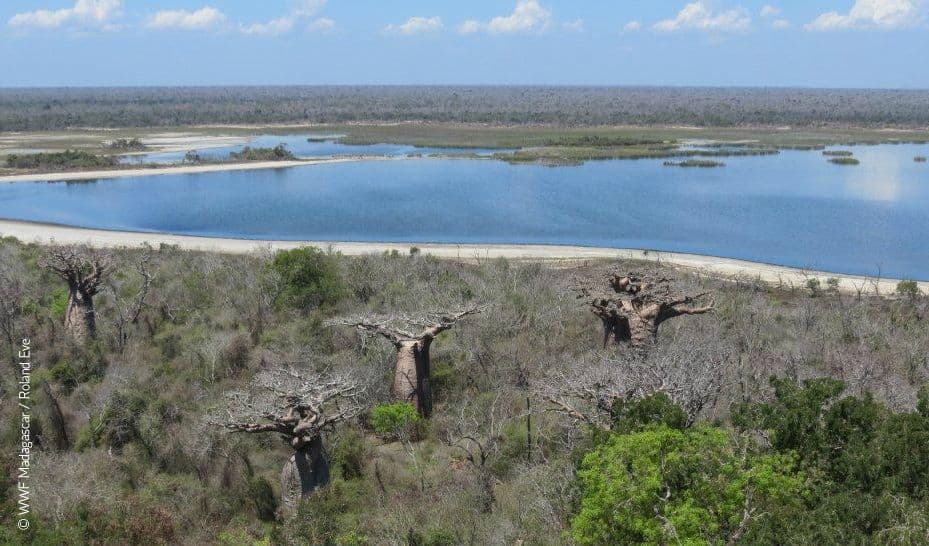
The biodiversity index is high, but the observation protocol is strict. Silence is mandatory. Noise attracts predators and startles prey. The target species are elusive. The Ramaimbangy (Prolemur simus) is a small lemur with grey fur and a distinctive facial structure. It moves through the canopy with rapid, jerky motions. Spotting one requires patience and a steady hand for the camera. The eastern lesser bamboo lemur is found further north in the Beanamalao sector. Its diet is specialized, relying heavily on bamboo shoots. Observing feeding behavior is more likely than observing locomotion. Birds are abundant. The 82 rivers create microclimates that support diverse avian life. Listen for calls rather than scanning visually. The forest acoustics change with the light. Dawn and dusk offer the highest probability of sightings. Midday heat drives activity down. The animals retreat to the densest cover. Bring binoculars with a wide field of view. Zoom lenses are useless in the deep shade. You need context, not magnification. The probability of seeing a large predator is low. The park is dominated by primates and birds. This is a primate-focused audit. Manage expectations accordingly.
Logistics & Access
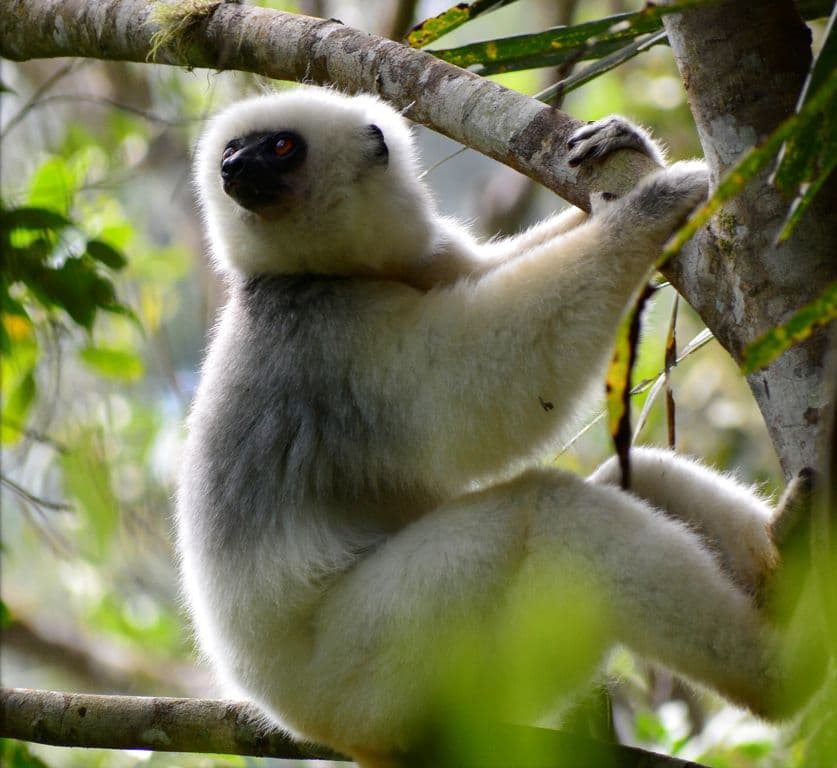
Access is the primary friction point. The air distance from Toamasina (Tamatave) to Marolambo is approximately 250 km. The road distance is significantly longer. The route is unpaved for the final stretch. There is no railway connection. Public transport does not service this corridor regularly. You must arrange private transport or join a guided group. The drive takes several hours. The vehicle must be capable of handling rough terrain. A sedan will fail. A 4x4 is required. Fuel stops are sparse. Fill up in Toamasina before departure. There are no hotels inside the park. Accommodation must be arranged in the nearby village or in Toamasina, requiring a daily commute. The commute is lengthy. Most serious visitors camp within the park or stay in basic guesthouses in the Marolambo commune. Facilities are minimal. Bring your own water purification tablets. The local water supply may not meet your standards. Cash is king. ATMs are unavailable in the park. Withdraw funds in Toamasina. The entrance fee of €10–15 is paid in cash upon arrival. Have small denominations ready. The gatehouse is simple. No digital payment systems. Plan for a self-sufficient itinerary. You are off-grid.
Timing & Seasonality
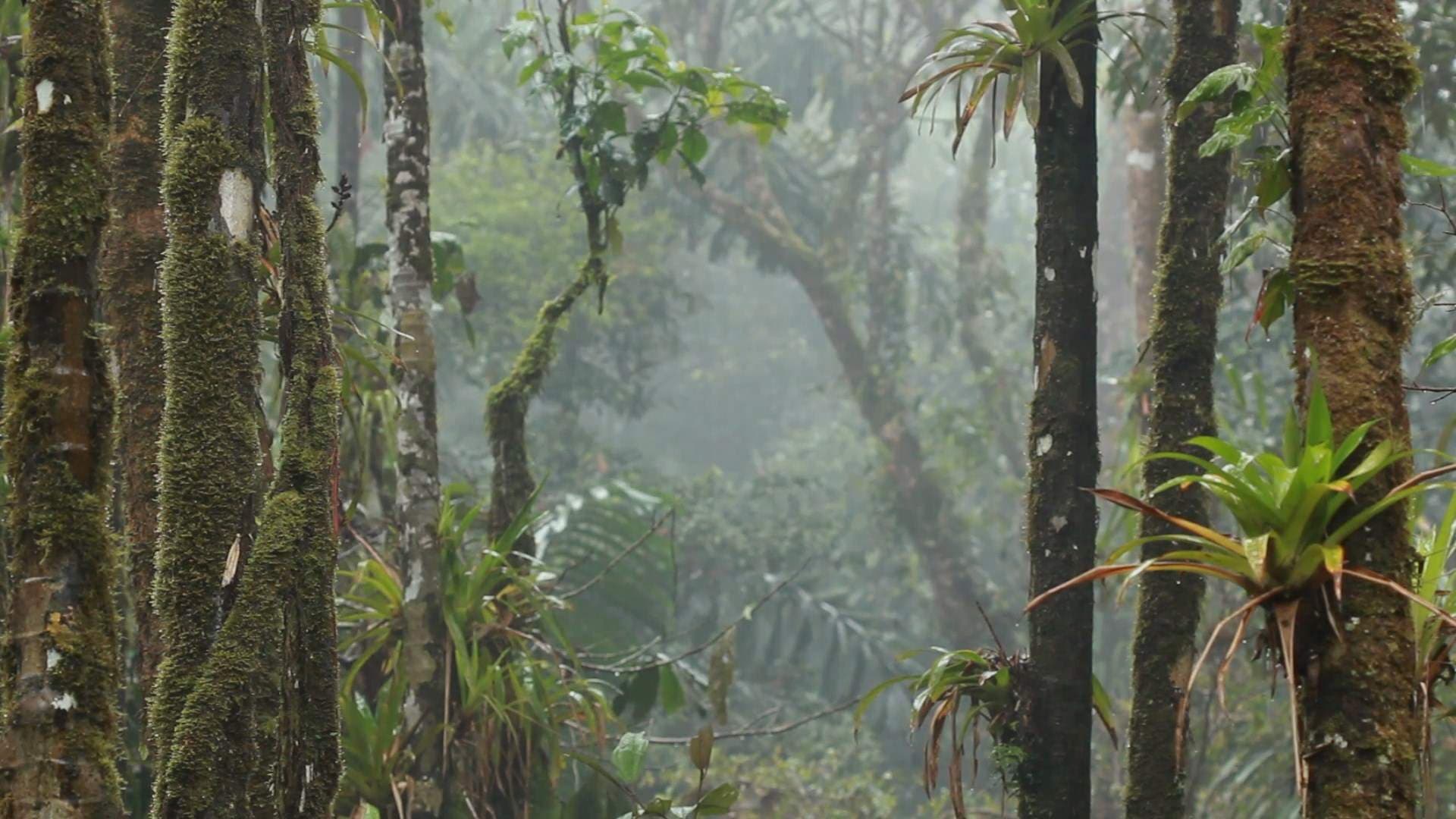
The climate is tropical. There is a wet season and a dry season. The dry season, roughly May to October, offers the best trail conditions. The mud dries out. The paths become navigable. The vegetation remains lush but less impenetrable. Visibility improves. This is the optimal window for a structured audit. The wet season, November to April, brings heavy rainfall. Trails become slippery and potentially dangerous. Leeches proliferate. Insect activity peaks. However, the forest is at its most vibrant. Birdsong is louder. Some species breed during this period. If you are tracking specific breeding behaviors, the wet season may be necessary. But for general wildlife observation and safe transit, the dry season is superior. All Saints' Day falls on November 1, 2026. This marks the transition into the wet season. Expect increased humidity and rain. Republic Day is December 11, 2026. Christmas Day is December 25, 2026. These dates coincide with the peak of the rainy period. Crowds are unlikely due to the remoteness, but conditions will be challenging. New Year's Day is January 1, 2027. The same caveats apply. If you require predictable logistics and dry trails, target June through September. Book transport well in advance. Local drivers are scarce. Do not rely on last-minute arrangements.
Frequently Asked Questions
Is Marolambo National Park suitable for families? Only for families with experienced hikers. The terrain is rugged. The distance from medical facilities is significant. Children must be comfortable with insects and long walks on uneven ground. There are no amenities for young children. This is a specialist destination.
What is the visa requirement for Madagascar? Visitors typically need a visa on arrival or an e-visa. Check the latest regulations from the Madagascan embassy before travel. Ensure your passport has at least six months of validity. Carry proof of onward travel. Immigration at Toamasina airport is standard, but the journey to Marolambo is separate.
Can I hire a guide locally? Guides are available but must be booked in advance through local operators or your accommodation provider in Toamasina. Independent guides may be found in the Marolambo village, but language barriers can exist. Hire a guide who knows the specific trails for lemur sightings. Do not wander alone. The forest is disorienting. Getting lost is a realistic risk.