Skip the cruise ship itinerary. Marigot is where the road ends and the real island begins, anchored by a small airport and a fishing village that doesn't perform for tourists.
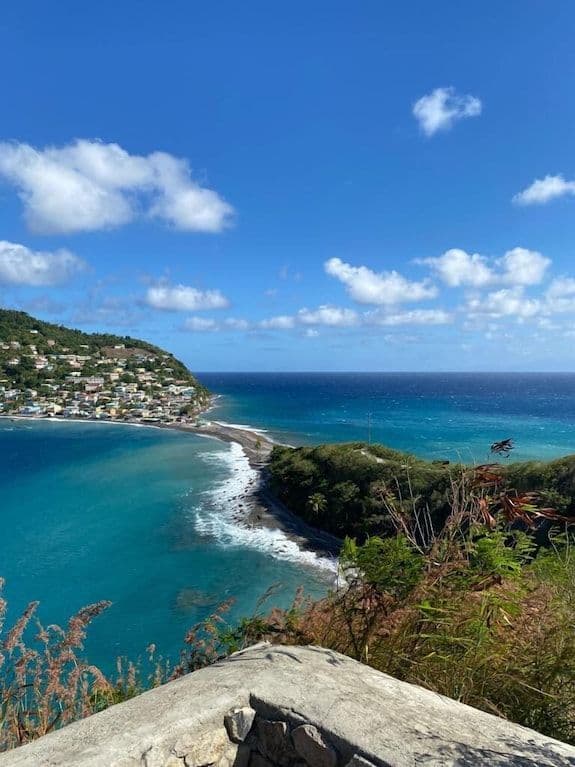
The asphalt ends abruptly where the red dirt begins. That is the physical reality of Marigot, the largest settlement in Saint Andrew Parish on Dominica’s northeastern coast. With a population of just 2,676, the area functions as a working community defined by the Fisheries Complex and the hum of Douglas–Charles Airport, which sits three kilometers northwest of the village center. Most visitors arrive here because their flight landed at DOM, formerly Melville Hall Airport. They walk past the terminal, get into a taxi, and head south toward Roseau. If you stop, you miss the point. If you stop and look, you see the skeleton of an island that refuses to be packaged.
The Airport as a Threshold
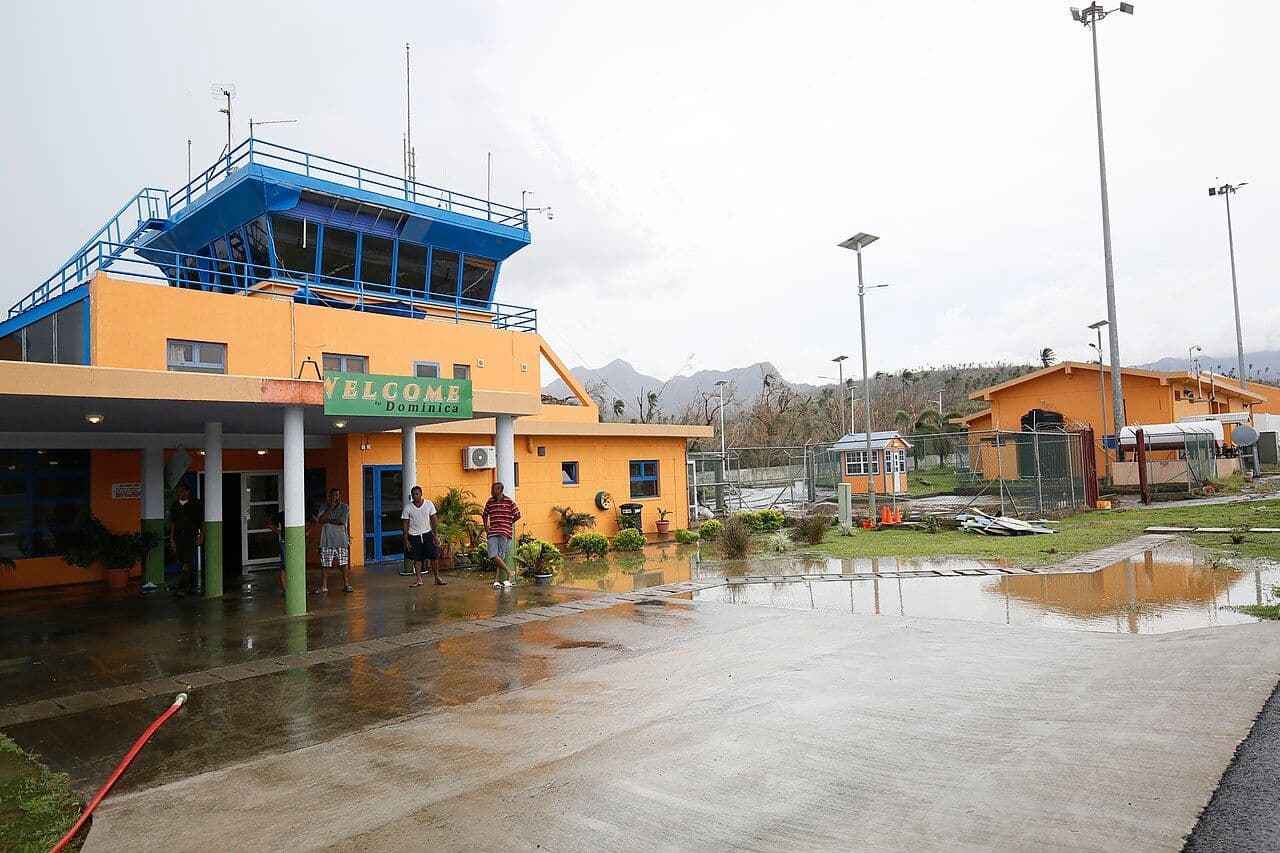
Douglas–Charles Airport is the only significant air gateway to Dominica. It handles carriers like Air Antilles, Caribbean Airlines, and Seaborne Airlines. The facility operates as a functional node, stripped of sterile duty-free boutiques and pretentious art installations. The building is modest, the service is direct, and the queue moves with the rhythm of the tarmac outside.
When you step out, the heat hits you immediately. It is humid, thick, and smells of salt and diesel. The distance from the airport to the village center is short enough to walk if you are carrying light luggage, though most locals will offer a ride for a nominal fee. The view from the runway offers a stark contrast to the lush interior: flat coastal plains giving way to the jagged spine of the island’s mountains. This is the first lesson of Dominica. The landscape does not ask for your approval. It simply exists, indifferent to your itinerary.
If you are arriving by sea, you won’t land here. Cruise ships tie up in Roseau, the capital, or Portsmouth, the second-largest city. Roseau is roughly 30 to 46 kilometers away, depending on the route taken. The roads are winding, narrow, and often unpaved in stretches. A taxi from Roseau to Marigot will cost you more than a meal in the capital, but it saves you the hassle of navigating the single-lane tracks that snake through the rainforest.
Life in the Village
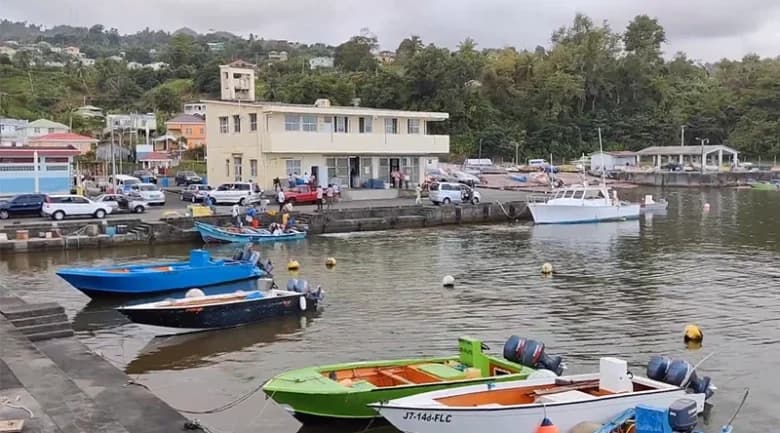
Marigot is a village, not a town. There are no pedestrian zones, no curated walking tours, and no gift shops selling mass-produced souvenirs. The heart of the place is the Fisheries Complex. This is where the local economy breathes. Fishermen unload their catch in the early morning, sorting silver-scaled catches from the box boats that operate in the nearby waters. The air carries the sharp, briny scent of the sea, mixed with the smell of wet wood and engine oil.
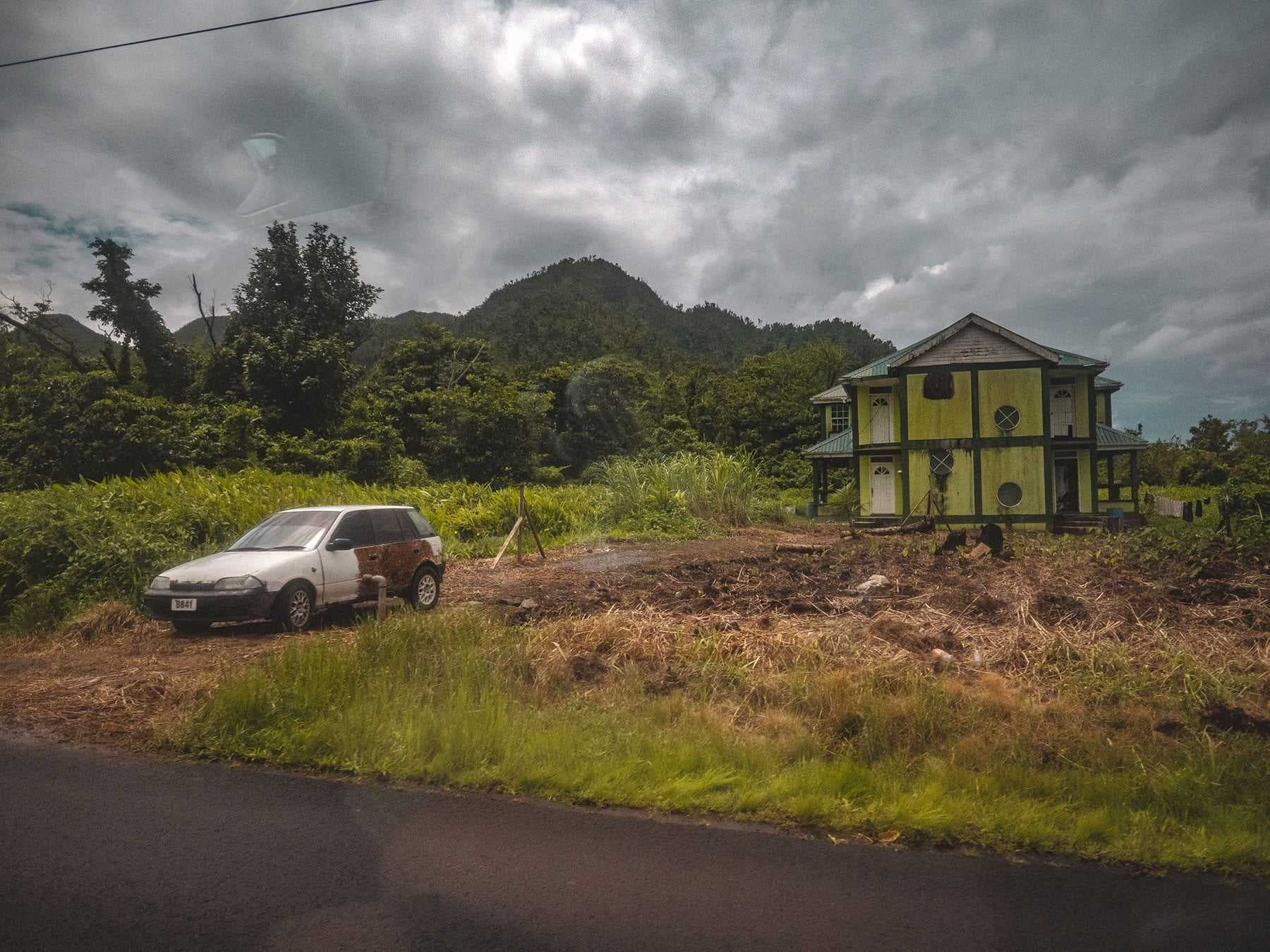
The streets are quiet during the day. Shops are small, often family-run, and stock basic necessities rather than luxury goods. You might find fresh produce, local spices, or hardware, but don’t expect a wide variety of artisanal cheeses or imported wines. The architecture is functional: concrete houses painted in bright colors, corrugated metal roofs, and yards cluttered with tools and plants. It is unglamorous. It is also authentic.
There is no specific "downtown" to explore. Instead, you walk along the main road that connects the village to the airport and the highway south. The pace is slow. People sit on porches, talking in low voices. Children play in the street. There is no urgency here. If you are used to the relentless motion of a European capital or a Southeast Asian metropolis, this silence will feel uncomfortable. That discomfort is the entry fee.
Getting Around Without Cars
Dominica has no railway. None. Don’t waste time looking for a train station; it doesn’t exist. Public transport is limited to shared taxis and private hires. From Marigot, you can catch a taxi heading north toward Portsmouth or south toward Roseau. Fares are not fixed and depend on negotiation. For a trip to Roseau, expect to pay a significant amount, as the distance is considerable and the roads are difficult.
Walking is possible within the village, but venturing beyond requires caution. The terrain changes quickly. One minute you are on flat ground; the next, the road climbs steeply into the hills. The weather can shift rapidly, turning clear skies into torrential downpours within minutes. Always check the forecast before setting out on foot.
For longer distances, renting a car is the most flexible option. However, driving in Dominica is an adventure in itself. Roads are often single-track, with no barriers, and visibility can be poor due to fog or rain. If you lack experience on such roads, stick to the taxi. It moves slower than a car, but it provides a safer level of control in difficult conditions.
Practical Details
Money in Marigot is straightforward. The Eastern Caribbean Dollar (XCD) is the currency, and US dollars are widely accepted in tourist-facing areas, but change is scarce. ATMs are limited, so carry cash. The nearest bank is likely in Roseau or Portsmouth, not in Marigot itself.
Accommodation in Marigot is sparse. Most travelers base themselves in Roseau or Portsmouth, which offer more amenities. If you choose to stay in Marigot, options are basic guesthouses or homestays. Prices are lower than in the south, but so are the services. Expect simple rooms, shared bathrooms, and a focus on privacy over luxury. Book ahead, especially during peak season, as inventory is limited.
Food in Marigot is simple. You won’t find fine dining restaurants. Instead, look for small eateries or roadside stands serving local staples: rice and beans, saltfish, goat curry, and grilled fish. The ingredients are fresh, often sourced locally, and the portions are generous. Prices are reasonable, typically ranging from a few dollars to around $10–$15 for a full meal.
When to Go
The best time to visit Marigot is during the dry season, from January to April. The rains are lighter, and the roads are more passable. The hurricane season runs from June to November, with the highest risk from August to October. If you are traveling during this period, monitor forecasts closely and have a backup plan.
Upcoming holidays include Independence Day on November 3, 2026, and the National Day of Community Service on November 4, 2026. These days may see increased local activity and some closures. Christmas and New Year’s Day are also significant, with many businesses closed. If you are visiting during these times, book accommodations well in advance.
Marigot serves those who want to disconnect, observe, and engage with the local environment on its own terms. The place offers silence, observation, and the slow realization that some locations are meant only to be witnessed, rather than conquered.
FAQ
Is Marigot safe for solo travelers? Yes. Crime rates are low, and the community is close-knit. Standard precautions apply: keep valuables secure, avoid walking alone on dark roads at night, and respect local customs.
Can I rent a car in Marigot? Car rental agencies are primarily based in Roseau and Portsmouth. It is easier to rent a car in one of these cities and drive to Marigot. There are no major rental offices within the village itself.
What is the best way to get from Douglas–Charles Airport to Marigot village? You can walk, take a taxi, or arrange a transfer. Walking is feasible for light luggage, but a taxi is more comfortable, especially in the heat. Taxis are available outside the terminal.