Swap the spa menu for reef water. In Madang, wellness means barefoot walks on Astrolabe Bay sand and earth-oven feasts that reset your schedule.
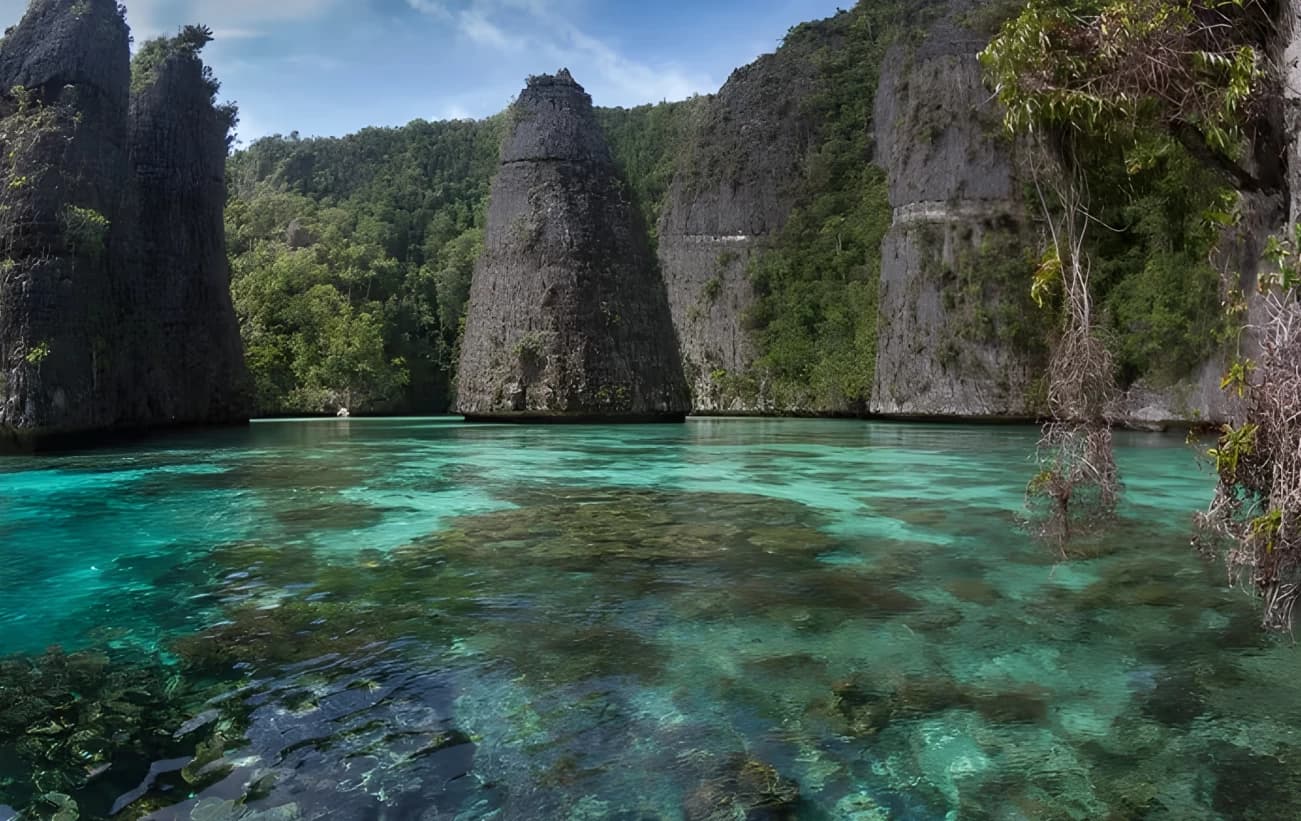
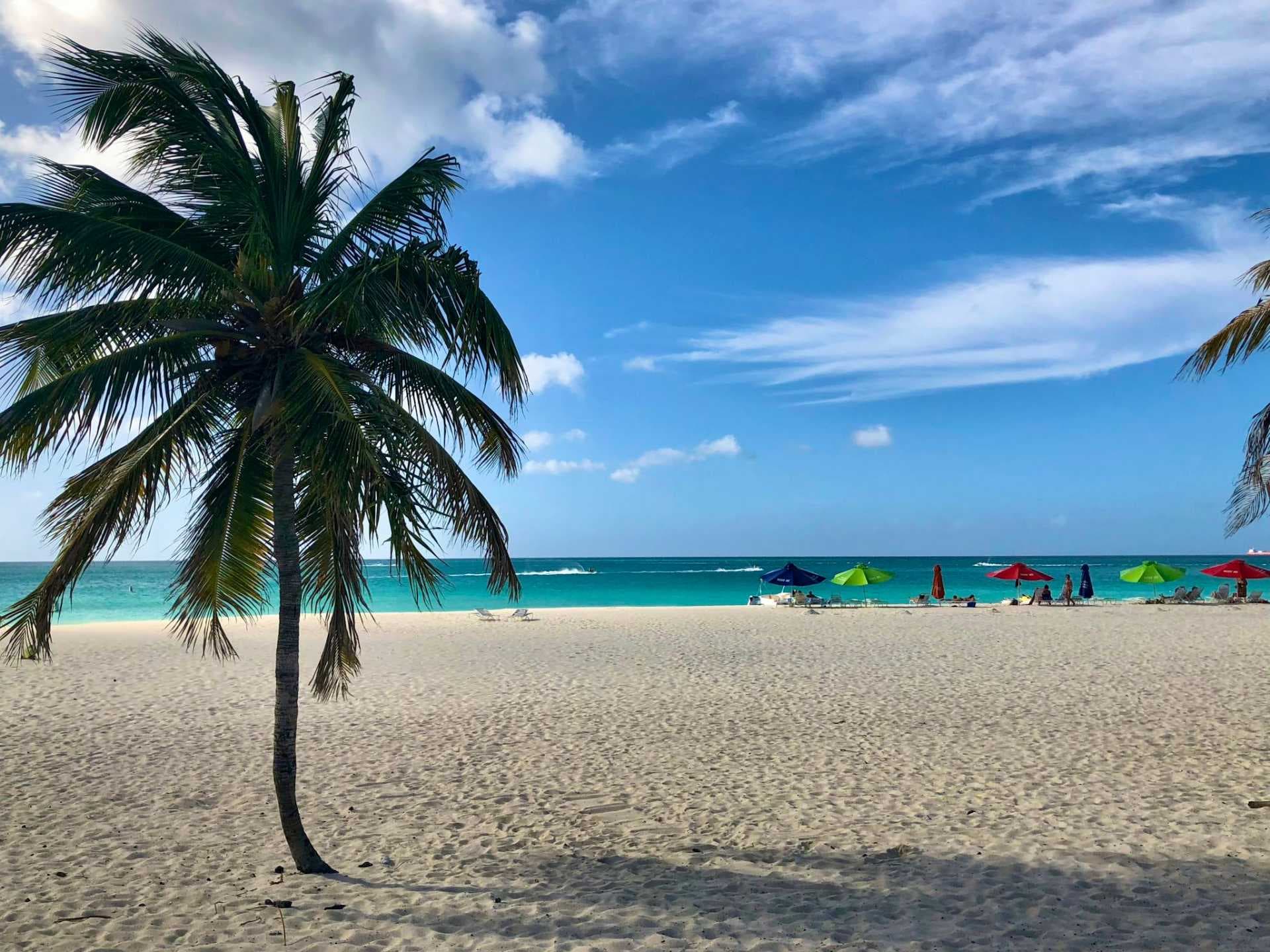
The most effective "spa" in Madang isn't behind a frosted-glass door with a $120 facial. It's the Bismarck Sea lapping against the shore of Astrolabe Bay, where coral reefs fringe the coastline and the air smells like salt and wet rainforest. If you're flying into Papua New Guinea's coastal town expecting a luxury resort circuit, brace yourself: this is a place where the ocean does the work. The population hovers around 27,419 (per 123city.co), which means no crowded queues at the pool deck. You get quiet. You get space. You get the kind of silence that actually lowers your heart rate.
What "Wellness" Actually Looks Like Here
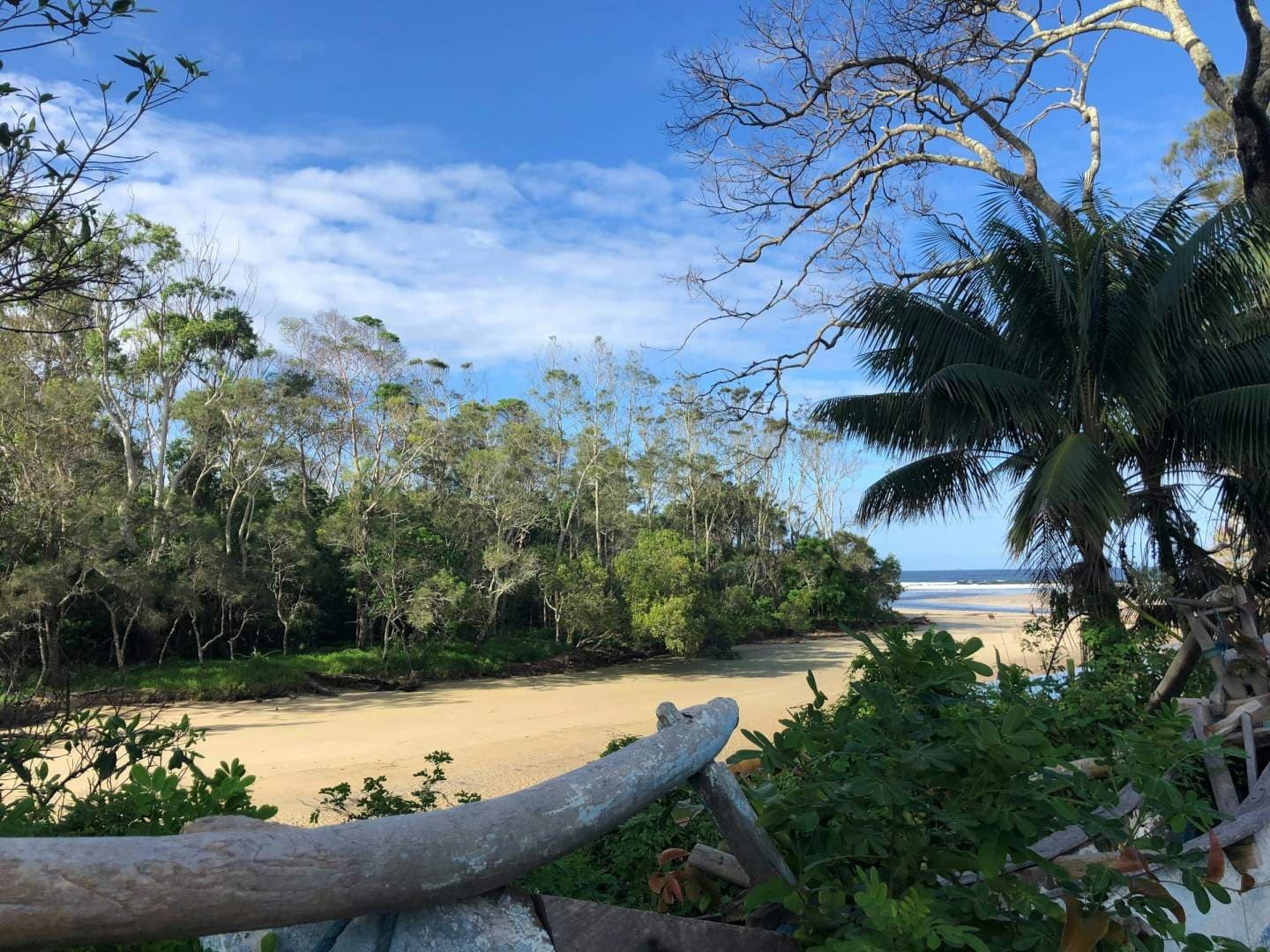
Forget the overpriced massage oil and the cucumber slices. In Madang, wellness is ecological. The coral reefs and lush rainforests noted as key natural attractions (evendo.com) form the backbone of any recovery itinerary. A morning walk along the bay puts you within arm's reach of warm water and dense green canopy. The sensory shift from airport tarmac to tidal mud and bird calls is the real treatment. No booking required. No tip jar. Just time.
If you want structure, the waterfront restaurants and harbor area (quartzmountain.org) offer a slower rhythm: sit at a table facing the water, order something simple, and let the tide set your pace. This is not a destination for people who need a 10-step skincare ritual. It’s for those who believe rest is found in doing less, not more.
Eat Your Way to Calm
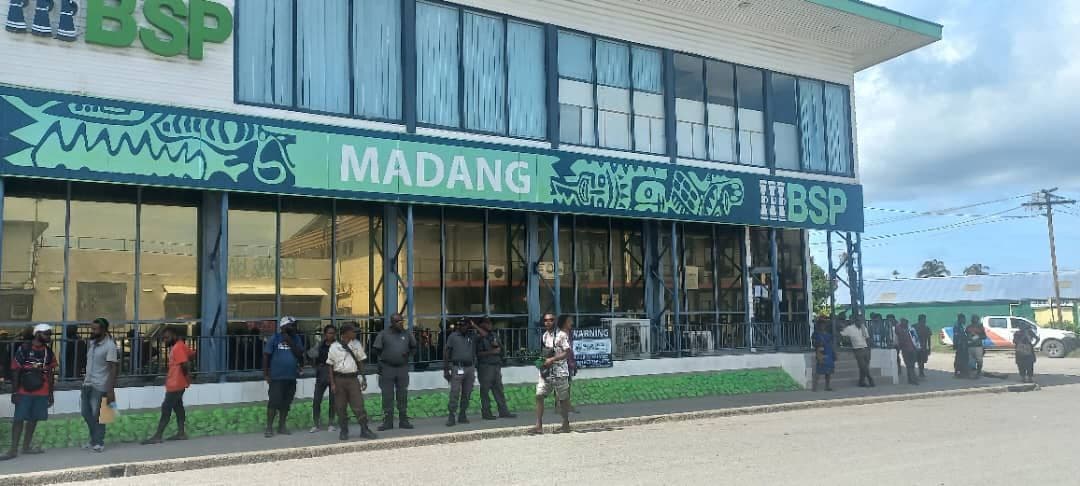
Food is the other half of wellness here, and it’s local, cheap, and unpretentious. The Madang market stocks kaukau (sweet potato), taro, banana, and coconut (quartzmountain.org). These aren’t exotic imports; they’re the staples that fuel the community daily. For a proper meal, head to the Madang Ocean Restaurant, a waterfront spot serving Chinese, Filipino, and Western cuisine (papuanewguinea.travel). It’s not a fine-dining temple—it’s a working harbor eatery where fresh seafood comes off the boats.
Signature dishes worth seeking out include Fresh Reef Fish and Mumu, an earth-oven feast traditionally prepared for special occasions (travelunify.com). Sago pancakes and fresh barramundi from the harbor are also highlighted as local specialties (tripbase.com). Pair any of these with PNG Highlands Coffee, the associated drink of the region (travelunify.com). The coffee is strong, dark-roasted, and grown in the highlands before being shipped down to the coast. One cup resets your morning better than any green juice cleanse.
Practical Notes for a Slow Stay
Transport details are sparse in verified sources, so plan conservatively. Madang has no rail; movement is typically by air, road, or coastal boat from Port Moresby, but specific fares and journey times weren’t confirmed in the research brief. Treat all transport estimates as approximations until you verify them locally. Budget roughly two days minimum if you want the wellness effect to land. One day is a transit stopover; two days lets you actually breathe.
Currency is the Papua New Guinean Kina (PGK). Prices for a basic meal at the harbor restaurants typically fall in the low-to-mid range—think under 50 PGK for a plate of fish and rice. Accommodation options vary widely, from guesthouses near the market to small resorts along the bay. Since no specific hotel names were confirmed in the brief, ask locals in the market area for current recommendations rather than relying on outdated listings.
Timezone is UTC+10:00. If you’re coming from Sydney or Brisbane, the clock shift is minimal. From Europe or North America, expect jet lag to hit hardest in the first 24 hours. Use that window for sleep, not sightseeing.
When to Go
The dry season (approximately May–October) is generally recommended for PNG coastal towns, though this wasn’t explicitly verified in the current search results—treat it as a strong heuristic, not a hard rule. Autumn (the current season) falls squarely in that window, meaning lower humidity, clearer skies, and calmer seas on Astrolabe Bay. That’s ideal for reef walking and beach time.
Upcoming holidays that affect pricing and crowding:
- Christmas Day — 2026-12-25: Expect higher demand for accommodation and restaurant tables. Book ahead.
- Boxing Day — 2026-12-26: Similar surge continues.
- New Year’s Day — 2027-01-01: Peak travel week. Prices climb; book early.
- Grand Chief Sir Michael Somare Remembrance Day — 2027-02-26: Local observance; some businesses may close or run reduced hours.
- Good Friday — 2027-03-26 and Easter Sunday — 2027-03-28: Religious observances; quieter streets, potential closures.
For solo travelers or slow-travel enthusiasts, aim for mid-June through September for the calmest experience. Families will find the shallow, clear waters of the bay manageable, provided adults stay close.
Quick FAQ
Do I need a visa?
Most nationalities require a visa for Papua New Guinea. Check the latest entry rules via the official immigration site before booking. Transit visas exist for short layovers, but confirm eligibility.
How do I get to the reef?
No formal tour operator was confirmed in the brief. Ask at the harbor or market for local boat access to the coral reefs. Prices vary by group size and distance.
Is it safe for solo women?
Madang is small and community-oriented. Standard coastal-town caution applies: stick to well-lit areas after dark, and use trusted local guides for reef excursions.