The morning air in Luwuk carries the sharp scent of fresh chilies and fried shallots, signaling that Pasar Simpong is fully awake. Located in the heart of Kabupaten Banggai, Central Sulawesi, this sprawling wet market is the commercial anchor for the region. While Kabupaten Banggai is often celebrated for its pristine diving spots and the unique Paisupok waterfall, its terrestrial commerce offers a distinct cultural experience. Shopping here is less about luxury retail and more about engaging with the local supply chain, from fresh seafood hauled from the Banggai Bay to traditional textiles woven by local artisans.
For travelers visiting in spring—October through December in the Southern Hemisphere—Luwuk offers a comfortable climate for exploring these districts. Temperatures hover around 27-30°C (80-86°F), with humidity levels that are manageable if you start your day early. This guide outlines the primary shopping zones in Luwuk and the surrounding districts of Kabupaten Banggai, helping you navigate prices, products, and local etiquette.
Pasar Simpong: The Wet Market Heartbeat
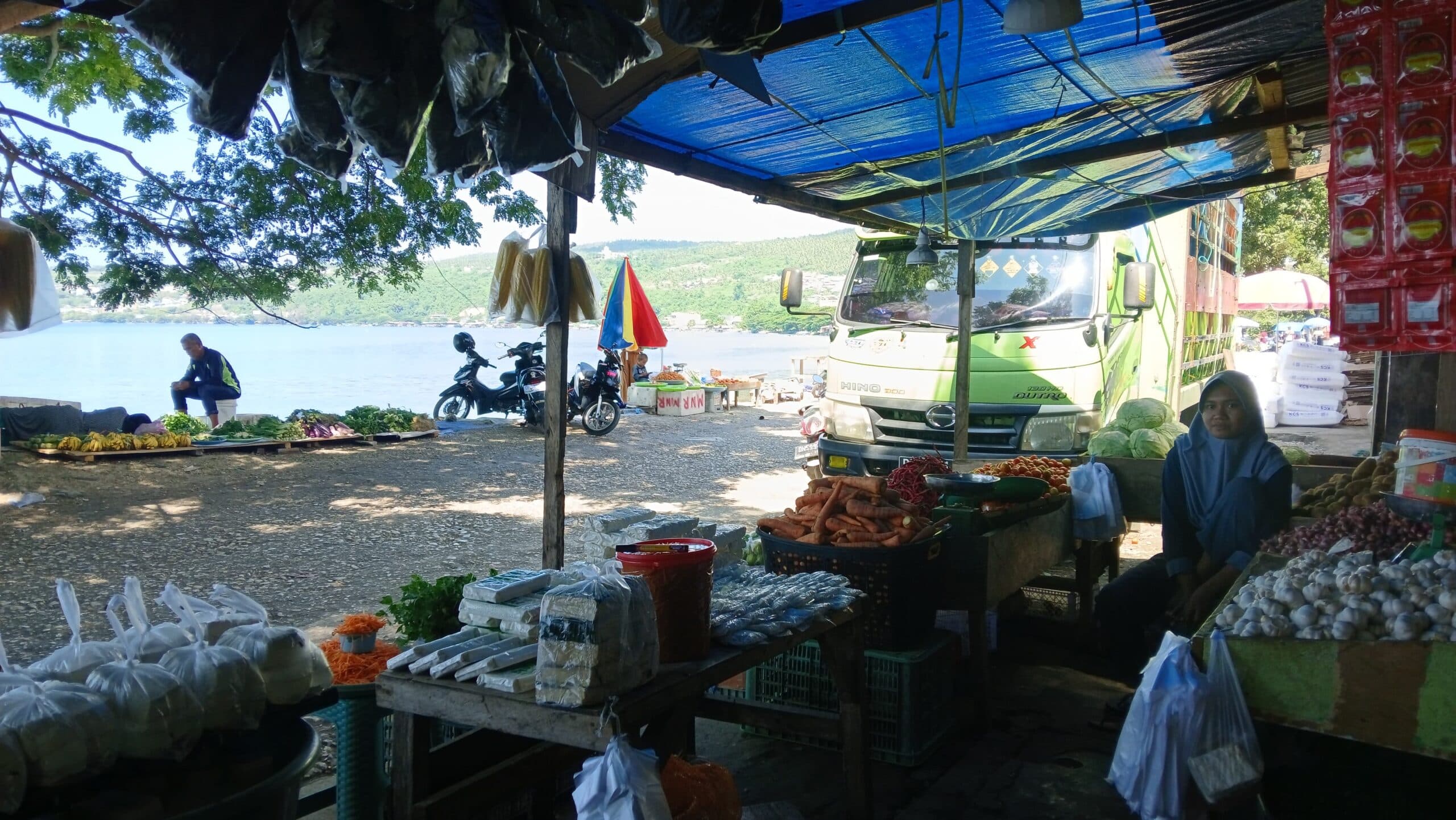
Pasar Simpong is not merely a place to buy groceries; it is the sensory core of Luwuk. Situated centrally in the town, this market operates from early dawn until late afternoon. The ground floor is dominated by wet goods: piles of bright red chilies, baskets of local bananas, and fish still glistening from the morning catch. The Banggai Sea is famous for its high-quality tuna and mackerel, and you will find these displayed prominently on ice blocks.
Shoppers should expect to haggle, but with respect. Prices for fresh produce are generally low by Indonesian standards. A kilogram of local mangoes might cost between IDR 10,000 and IDR 20,000 ($0.65–$1.30) depending on the season. The market is bustling, with vendors calling out prices and the constant hum of motorbikes navigating the narrow alleys outside. It is advisable to wear closed-toe shoes due to wet floors and carry small denominations of Indonesian Rupiah, as change can be scarce in busy stalls.
Traditional Textiles and Handicrafts
Beyond fresh produce, Kabupaten Banggai has a reputation for specific handicrafts, particularly those made from local materials. While large-scale textile production is more associated with other parts of Sulawesi, local artisans in Luwuk and nearby villages produce woven mats and simple cotton garments. These items are often found in smaller shops lining the streets radiating from Pasar Simpong or in dedicated craft corners within the market itself.
Look for kain tenun (woven cloth) if available, though inventory varies. More commonly, you will find bamboo crafts and wood carvings inspired by the Banggai kingdom’s heritage. The Banggai people have a rich history as seafarers, and this is reflected in nautical-themed souvenirs. Prices for small carvings range from IDR 50,000 to IDR 200,000 ($3–$13). Larger pieces require negotiation and should be inspected for cracks or poor finishing before purchase. These items make for lightweight, culturally significant souvenirs that support local craftsmanship.
Coastal Souvenirs and Seafood Products
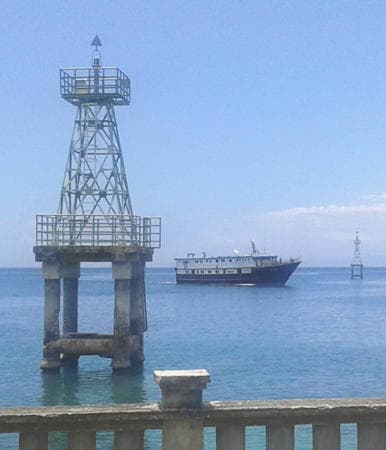
The coastal areas of Luwuk, particularly near the harbor, offer a different shopping experience focused on marine products. Here, you can find dried fish, smoked tuna, and various seafood snacks packaged for travel. These are excellent gifts for friends back home, provided you check airline regulations regarding organic food imports. Local vendors often sell ikan asin (salted fish) and teriak (anchovies) in vacuum-sealed bags, which extend shelf life significantly.
The harbor area is also a hub for purchasing diving gear accessories, given Banggai’s status as a dive destination. Small shops near the piers sell basic snorkeling masks, fins, and rash guards. Prices are competitive, often 20-30% lower than in major tourist hubs like Bali. However, quality varies, so inspect zippers and glass lenses carefully. This district is best visited in the late afternoon when the heat subsides, and the light is softer for photography.
Modern Retail and Supermarkets
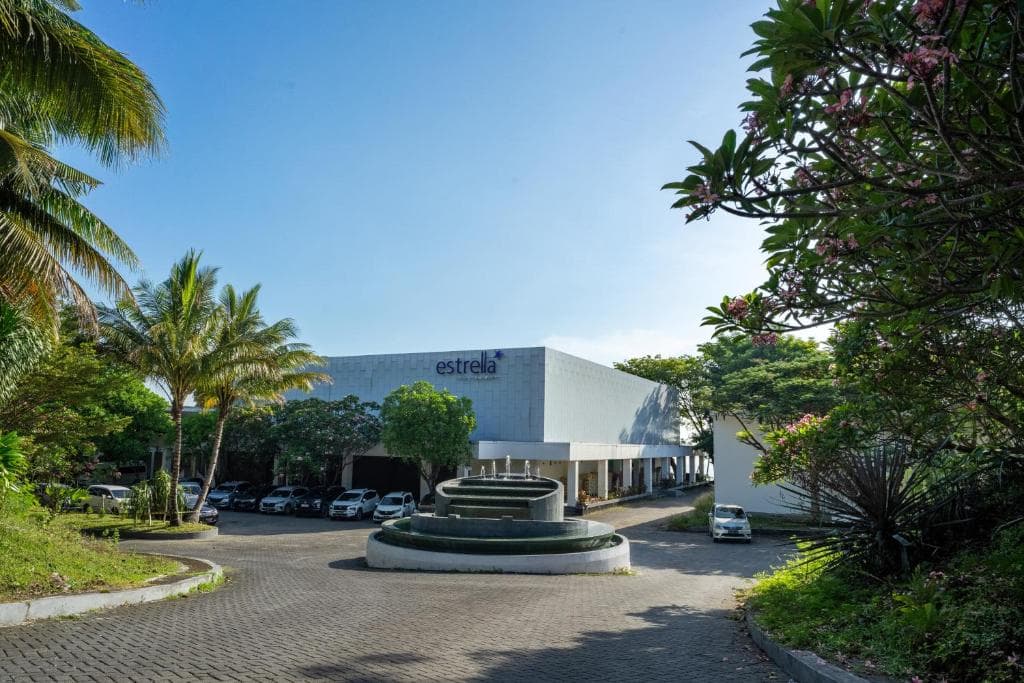
For travelers seeking convenience, hygiene, and fixed prices, Luwuk has a growing number of modern retail outlets. Supermarkets such as Hero Market or local equivalents like Toko Sejahtera offer air-conditioned comfort and a wide range of imported and domestic goods. These stores are ideal for buying bottled water, snacks, toiletries, and souvenirs that are mass-produced but still feature Indonesian motifs.
Shopping in these venues eliminates the need for haggling. Prices are marked clearly, and credit cards are often accepted, unlike in the wet markets. This is a practical stop for restocking essentials during your stay. The layout is familiar to international travelers, with clear signage in Indonesian and often English. These stores typically open from 08:00 to 21:00 WITA (Central Indonesia Time), making them accessible after a day of exploring the islands.
Navigating Local Shopping Etiquette
Understanding local customs enhances the shopping experience in Kabupaten Banggai. Greet vendors with a polite "Selamat pagi" (Good morning) or "Terima kasih" (Thank you) to build rapport. Haggling is expected in open markets but should be done with a smile and without aggressive lowballing. A 10-20% reduction from the initial asking price is a reasonable starting point for non-essential items.
Payment is primarily cash-based. While ATMs are available in Luwuk town, they may have daily withdrawal limits or occasional outages. It is wise to carry sufficient cash, broken into smaller bills. Also, be mindful of environmental impact; avoid purchasing souvenirs made from endangered species or coral, which are strictly protected in Indonesia. Stick to wood, bamboo, and fabric products.
Practical Tips for Spring Visitors
Spring in Jakarta translates to late autumn/early winter in Luwuk, a period with less rainfall compared to the monsoon season. This makes it an ideal time for outdoor market visits. Start your shopping trips early in the morning to avoid the midday heat. Wear breathable, light-colored clothing and bring a reusable bag to reduce plastic waste.
Transportation within Luwuk is easy via ojek (motorcycle taxis) or angkot (shared minivans). Costs are minimal, with short rides costing around IDR 10,000–15,000 ($0.65–$1.00). If you are staying in a hotel, ask the reception for recommendations on specific stalls for unique items. Locals often know which vendors offer the freshest produce or the best quality crafts.
Kabupaten Banggai’s shopping districts may not rival the glitz of Jakarta or Bali, but they offer an authentic glimpse into daily life in Central Sulawesi. From the vibrant chaos of Pasar Simpong to the quiet craftsmanship of local artisans, shopping here is an immersive experience that connects you directly to the region’s culture and economy.