Skip the Medellín crowds for Liborina’s quiet valleys, local bean farms, and slow-paced town life in western Antioquia.
The bus ride from Medellín to Liborina takes just over two hours, a distance of roughly 80 kilometers via Sopetrán. This is a local road connection that winds through the western Antioquia landscape. If you are traveling in late October or November, you are arriving at the perfect time to see this town without the holiday surge. The off-season here means the central plaza is empty of tour groups, the local markets are open for residents rather than visitors, and the farms surrounding the valley are in a state of quiet production rather than festival chaos. This is a place defined by its agricultural identity, specifically the "Liborino" bean, which locals consider the finest in the region.
The Town Center: Parks and Plaza
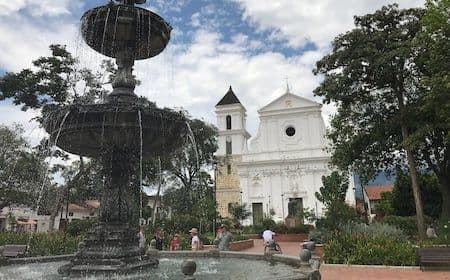
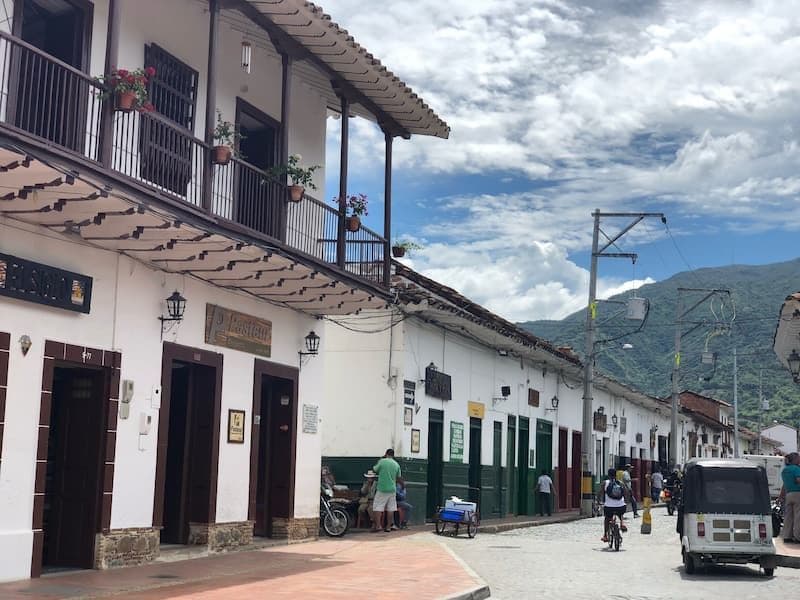
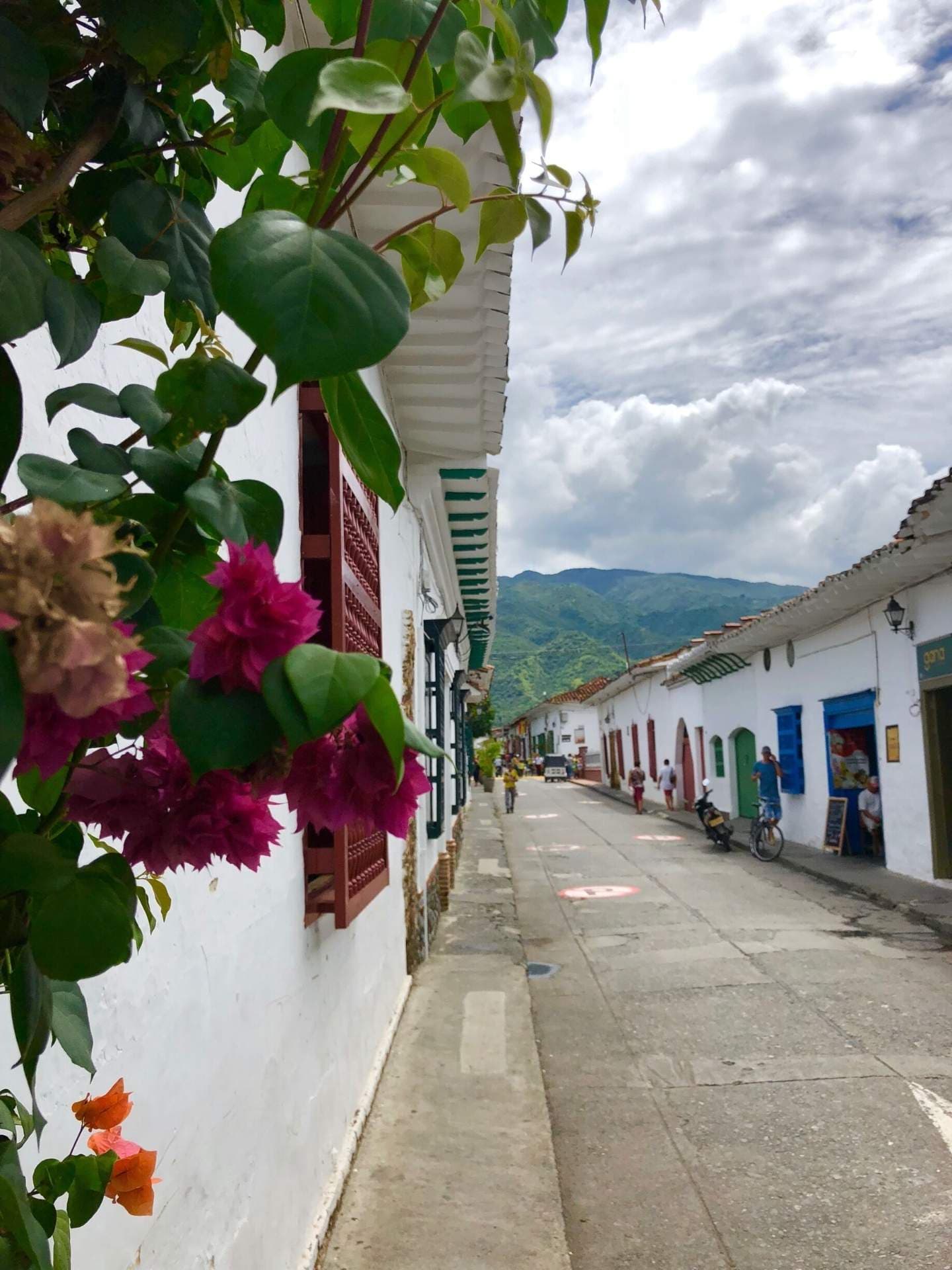
Liborina is a small municipality, and its social life revolves around three distinct town parks and the central plaza. These spaces serve as the community’s living room. The central plaza is surrounded by colorful buildings, a visual hallmark of traditional Antioquian architecture. In the off-season, you can sit on the benches without competing for space or navigating through crowds. The San Lorenzo church, the parish church established in 1832, anchors the spiritual and historical center of the town. Walking the perimeter of the plaza in the late afternoon offers a clear view of the traditional architecture and the mountain landscapes that frame the valley. The buildings are lived-in, reflecting the town’s founding date of 7 March 1832. The atmosphere is slow, deliberate, and focused on community rather than commerce.
The Liborino Bean and Local Farms
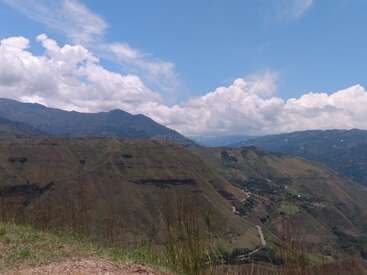
The signature product of Liborina is the "Liborino" bean, a variety considered one of the best in Antioquia. This bean is the core of local identity. The town hosts an annual Frijol festival, but in the off-season, you can visit the warm valley farms and creeks that produce these beans without the staged performances or tourist infrastructure. The local soil is fertile, and the mild climate supports not just beans but coffee, plantains, and citrus fruits. If you are interested in artisanal agriculture, this is the place to look. You can find local vendors selling fresh produce in the town area. The beans are a symbol of pride, and the farming practices are deeply rooted in the valley’s geography. Visiting a farm during the off-season allows for a more authentic interaction with the growers, who are focused on their harvest rather than entertaining visitors.
Getting There and Around
There is no railway line or station serving Liborina. The town is reached exclusively by road. The primary access point is via Sopetrán, a route that connects to Medellín. The distance is approximately 80 kilometers, and the journey takes a little over two hours. Specific bus operators and fares are not widely documented in international sources, so you should plan to use local road transport. In the off-season, bus schedules may be less frequent than in peak tourist months, so it is advisable to check locally or ask in Medellín for the most current departure times. Once in Liborina, the town is walkable. The central plaza and parks are within a short distance of each other, and the rural farms are accessible by short drives or walks from the town center. Do not expect a formal public transit system within the town itself; it is a small community where walking and local taxis are the norm.

Food and Local Flavors
The local cuisine is tied directly to the agricultural output of the valley. Coffee, plantains, and citrus fruits are primary crops, and you will find these ingredients in local dishes. The bean itself is a staple, and you can expect to find it prepared in traditional Colombian ways. While specific restaurant names are not confirmed in the brief, the town’s small size means that dining options are likely family-run or small local eateries near the central plaza. The off-season is the best time to eat where locals eat, away from the tourist-oriented spots that may open during festival periods. The food is simple, fresh, and reflective of the region’s farming heritage. You will not find high-end international cuisine here; the focus is on local produce and traditional preparation.
When to Go and Practical Timing
The best period for warm-weather activities in Liborina is mid-December to mid-March, but the off-season (late October to November) offers a different, quieter experience. All Saints' Day (observed) falls on 2026-11-02, which is only about a week away from the current date. This is a significant holiday in Colombia, and you should expect higher demand for local transport and potential crowding in the town center. If you are traveling around this date, book your transport from Medellín early, as surge pricing and limited seats are likely. After the holiday, the town returns to its quiet rhythm. For the most peaceful experience, aim for the weeks following All Saints' Day, when the holiday crowds have dispersed but the weather remains mild. The off-season is ideal for solo travelers or small groups who want to engage with the local community without the noise of a festival.
Frequently Asked Questions
Is Liborina safe for solo travelers? Liborina is described as a quiet, family-oriented getaway. As with any small town in rural Colombia, standard precautions apply. The off-season means fewer tourists, which can make the community feel more welcoming but also means fewer English speakers. Learning basic Spanish phrases will be helpful for navigation and interaction.
How much does it cost to visit Liborina? Costs are significantly lower than in Medellín. Accommodation in the town is likely modest, with prices reflecting its small-town status. Food and local transport will be inexpensive. The main cost is the time spent traveling from Medellín, which takes over two hours by road.
Do I need a visa to visit Liborina? Visa requirements are determined by your nationality and Colombian immigration policy, not by the specific town. Check the latest visa regulations for Colombia before planning your trip. Liborina is a domestic destination within Colombia, so no additional permits are required for entry into the town itself.