Labasa is an industrial anchor on Vanua Levu. You come for the sugar mill’s rhythm, the market’s weight, and the silence between the cane fields.
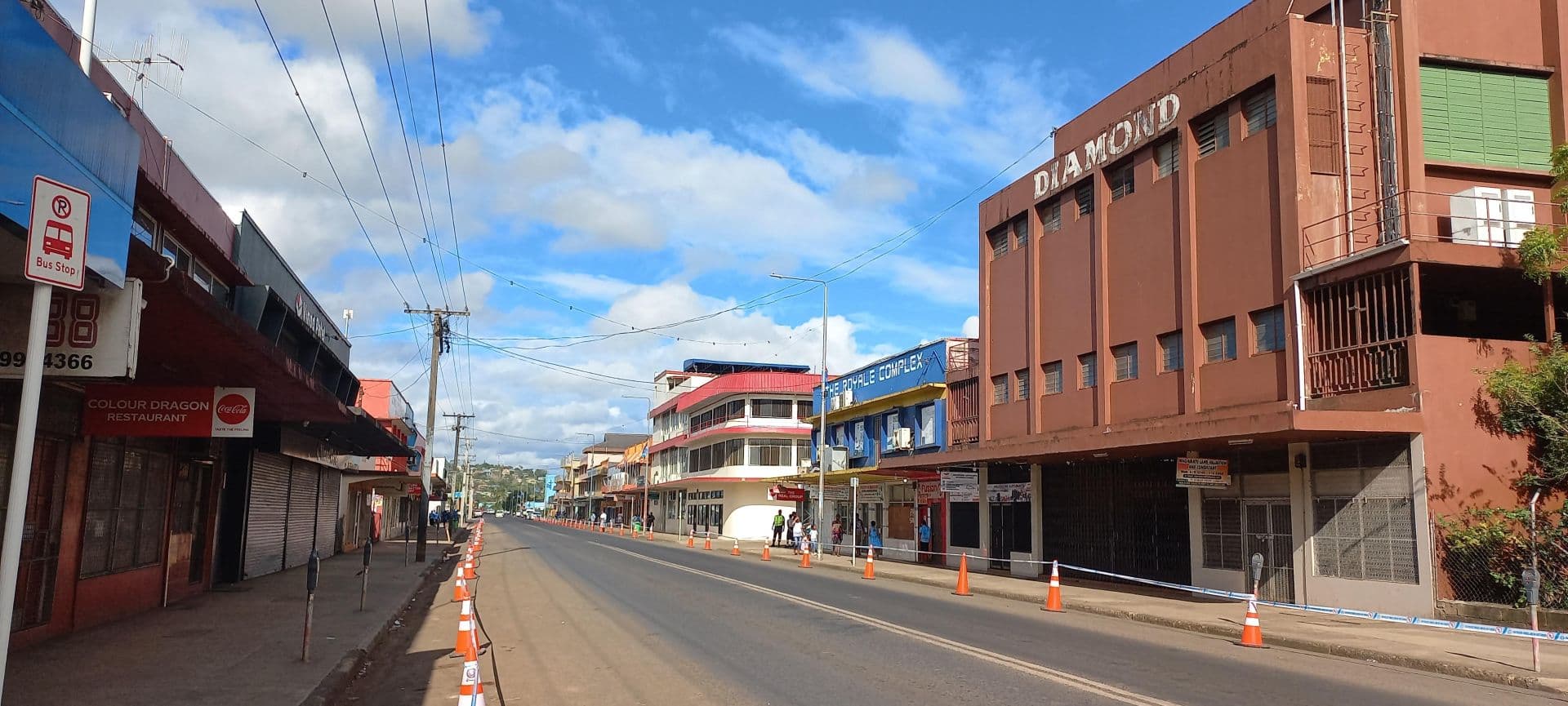
The air in Labasa smells of crushed cane. This is the scent of the Fiji Sugar Corporation’s mill, a massive industrial presence that dominates the northeastern coast of Vanua Levu. To visit Labasa is to understand the mechanics of the island. It is the largest town on the second-largest island in Fiji, a center for agriculture, trade, and transport. There is no pretense here. The town does not try to be a beach destination. It is a working entity, governed by the crushing season that runs from June to December. When the machinery stops, the town exhales. When it starts, the town holds its breath.
You do not come to Labasa to escape reality. You come to see how reality is processed. The sugar mill is an active site operated by the Fiji Sugar Corporation. It dictates the pulse of the local economy. During the crushing season, the narrow-gauge cane railway moves with purpose. It connects the vast cane fields to the mill. There are no public passenger lines. This is a utility. The trains carry the crop, and the noise of their operation is the background score of the town. You can watch them move. You can observe the efficiency. But you do not ride them. The rules of the mill are clear: production comes first.
The Market’s Weight
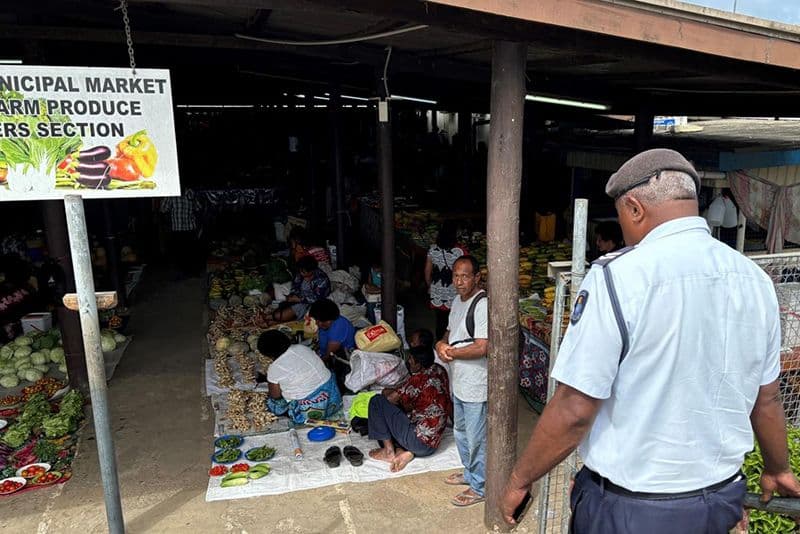
If the mill is the engine, the Labasa Market is the nervous system. It is a social hub and a place of exchange. Here, the produce of the island is laid out. Fresh fruits, vegetables, and local crafts are arranged in rows. The market is where the locals buy what they need. The transactions are direct. The prices are fixed by the day’s yield.
Walking through the market, you see the result of the land. The vegetables are not imported; they are grown in the soil of Vanua Levu. The fruits are ripe, often overripe, because they are meant to be eaten soon, not shipped across the ocean. You can buy ingredients here. You can buy crafts made by the community. The atmosphere is one of routine. People move with intention. They are not posing for photographs. They are negotiating, selecting, and leaving. This is the heart of the town’s daily life. It is unpretentious and essential. To ignore the market is to ignore the source of the town’s sustenance.
The Cane Railway
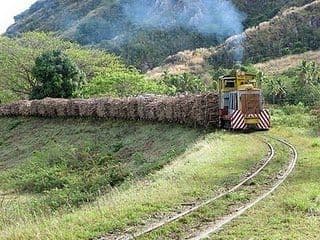
The Labasa Sugar Mill Railway is a narrow-gauge line. It is active during the crushing season, which aligns with the dry season from May to October, but specifically peaks when the cane is ready. The railway is a marvel of industrial necessity. It stretches across the landscape, cutting through fields of tall, green cane. The trains are small, functional, and loud. They do not offer views for the sake of views. They offer a glimpse into the labor that produces Fiji’s sugar.
There is no ticket office for passengers. There is no schedule posted for tourists. The trains run when the mill needs them. If you are in Labasa during the crushing season, you will hear them. You might see them passing through the outskirts of the town. They are a reminder that this place is built on work. The railway is not a relic. It is a current operation. It connects the fields to the mill, and it does so with relentless consistency. To observe the railway is to observe the town’s primary function. It is a study in efficiency and endurance.
Sawa-i-Lau and the Coast
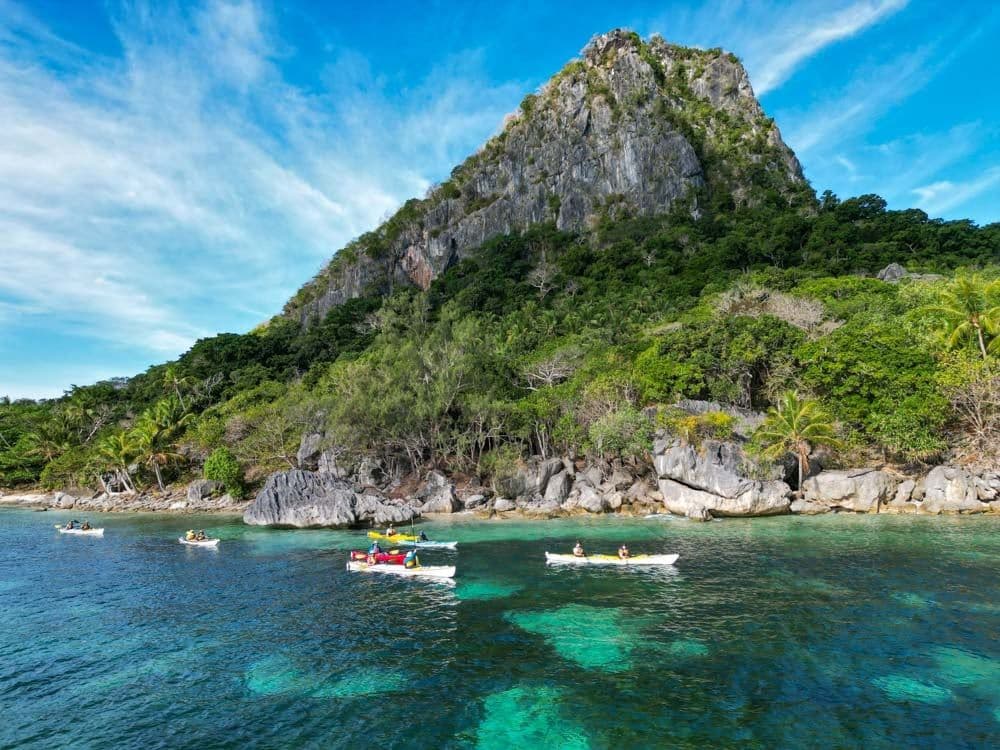
Labasa is on the coast, but it is not a beach town in the traditional sense. The coastline is rugged, and the water is not always calm. However, the proximity to the sea offers a different kind of escape. Sawa-i-Lau is an island off the coast of Labasa. It is a popular destination for day trips. The journey to Sawa-i-Lau requires a boat. The conditions depend on the weather and the sea state.
Sawa-i-Lau offers a contrast to the industrial center of Labasa. It is a place of natural beauty, with coral reefs and marine life. The trip is an excursion into the Pacific. The water is clear, and the fishing is good. The island is small, and the pace is slow. It is a place to sit and watch the water. To go to Sawa-i-Lau is to leave the mill behind. It is a reminder that the island exists beyond the sugar fields. The boat ride is part of the experience. It is not always smooth, but it is necessary. The destination is worth the effort.
Practicalities of the Break
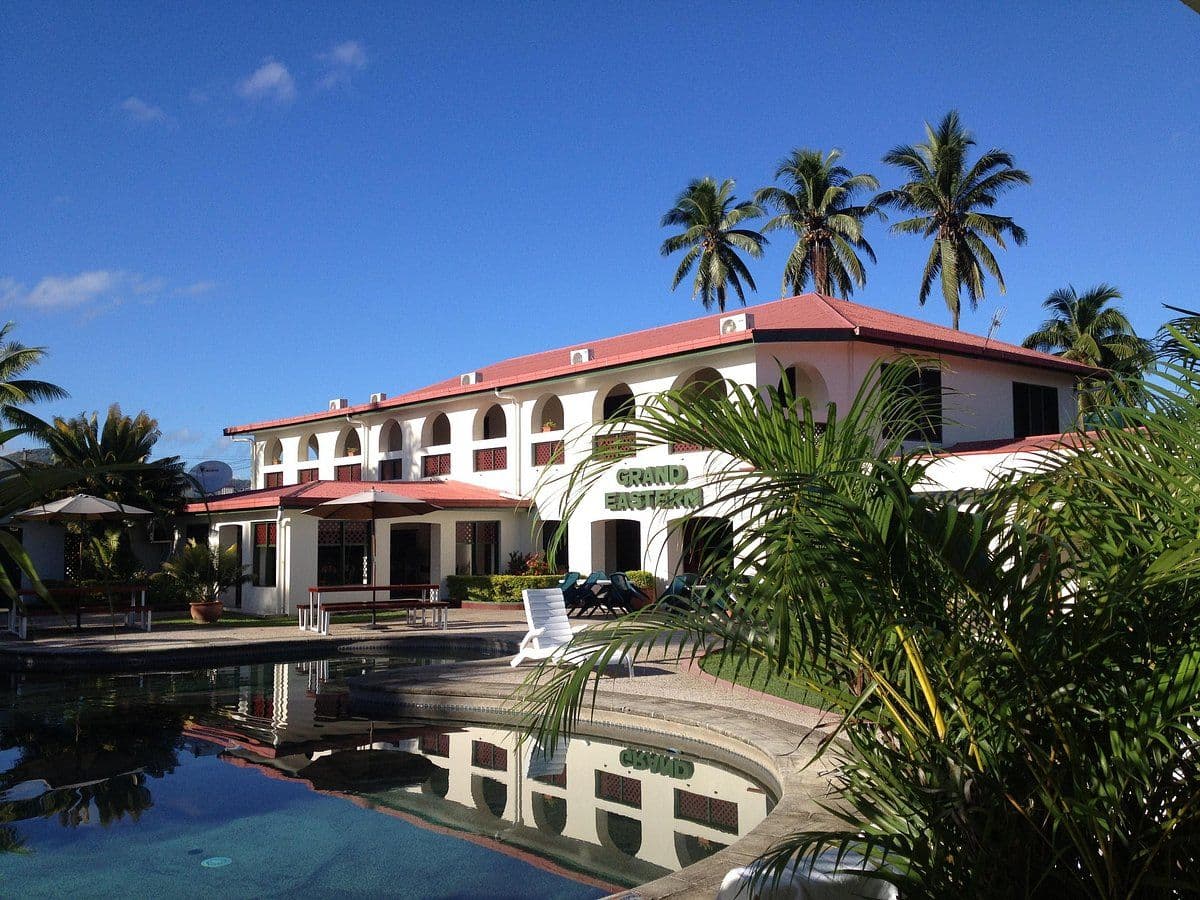
Planning a trip to Labasa requires a different mindset. You are not booking a resort package. You are arranging a stay in a town that serves a region. Accommodation options are limited compared to the resort islands. You will find guesthouses and local hotels. The focus is on comfort and location, not luxury. Prices are generally lower than in Nadi or Suva, but availability can be tight during peak times.
The best time to visit is during the dry season, from May to October. This period offers the best weather for exploring the town and taking day trips. It also coincides with the crushing season, which adds activity to the mill and the railway. If you want to see the town in full motion, come during these months. If you prefer quiet, come in the off-season, but be aware that some operations may be slower. There are no major holidays in the immediate future that will significantly impact travel to Labasa. This means you can visit without the pressure of crowds. The town remains steady. The mill continues its work. The market stays open.
Transport within Labasa is simple. The town is walkable. Taxis are available for longer distances. There is no public bus system for tourists. You need to plan your movements. If you want to visit Sawa-i-Lau, you need to arrange a boat in advance. The connections are not frequent. You must be ready to adapt.
Money in Fiji is the Fijian Dollar. Cash is king in the market and for local services. Credit cards are accepted in larger establishments, but do not rely on them for every transaction. Bring enough cash for your stay. The exchange rate is favorable, but the options for changing money in Labasa are limited.
Labasa is for travelers who want to see the real Fiji. It is not for those who seek relaxation on a white sand beach. It is for those who want to understand the island’s economy and culture. It is a place for solo travelers, couples, and small groups who are comfortable with simplicity. The pace is slow, but the experience is deep. You can spend three days here and see the essentials. You can spend a week and understand the rhythm.
FAQ
Is Labasa safe for tourists? Yes. Labasa is a working town with a low crime rate. Standard precautions apply. Respect the local customs and the industrial zones. Do not wander into restricted areas of the sugar mill.
How do I get to Labasa? Labasa is on Vanua Levu. You can fly from Nadi or Suva to Savusavu or Labasa airport. From there, you can take a taxi or a shuttle to the town. The journey is short. The connections are reliable.
What should I bring? Bring cash. Bring comfortable shoes for walking. Bring a hat and sunscreen for the market and the coast. Bring a respect for the local work ethic. Labasa is not a playground. It is a place of production and community. Treat it as such.