Skip the tour bus. In Labé, Guinea, you learn to cook by standing in the highland heat where the Fulani culture has ruled for centuries.
The Kitchen Is Outside the Hotel
You do not book a "culinary experience" in Labé. You find a woman.
The city sits on the Fouta Djallon plateau, roughly 1,050 meters above sea level. The air is thinner here than in the coastal capital, Conakry. The humidity is lower. The light is sharper. This altitude changes how food behaves. Stews reduce faster. Spices burn differently. If you are used to cooking at sea level, your first attempt at a local dish in Labé will likely be a lesson in humility.
The Fouta Djallon region is dominated by the Fulani people, who make up about 96% of the local population. This demographic reality shapes the recipe for the city. The cuisine is pastoral. It is built on what the herds provide and what the highland soil yields. You are eating the specific diet of a highland plateau that has been isolated by geography and sustained by cattle, rather than generic "West African food."
To cook here, you must understand the fuel. In many traditional homes, the hearth is central. The heat is direct. There are no ovens with precise temperature controls. There is fire, and there is your judgment. When you join a local household for a cooking session, you are an apprentice, not a customer. The difference is critical. A customer expects a performance. An apprentice expects to be corrected.
What You Will Actually Make
The brief does not confirm a single signature dish by name, so do not let a guidebook promise you a specific "Labé specialty." Instead, focus on the staples of the highland region. The foundation is grain. Millet and sorghum are the primary crops in this part of Guinea. You will be grinding, pounding, or mixing these grains. The texture is the point. It is coarse and dense.
Protein comes from the herds. Goat and beef are standard. The meat is often cut small, suited for slow cooking over open fires. You will likely work with a pot that has seen decades of use. The seasoning is local. While specific spice blends vary by household, the base is simple: onions, garlic, and the local peppers that grow in the surrounding hills.
The process is physical. Making the staple grain dish involves repetitive motion. Your arms will ache. This is the price of admission. In a city of 200,000 people, the second-largest in the country, the rhythm of food preparation is still manual. You do not use electric blenders for the main components. You use stone or wood. The sound is constant. A low, rhythmic thumping that fills the courtyard.
If you are invited to a home, you will eat with your hands. This is the standard method, not a novelty. The grain dish is formed into a ball, used to scoop up the stew. The technique takes practice. Expect to make a mess in the first ten minutes. By the second day, you will be efficient. By the third, you will be eating faster than your host.
Where to Find the Lesson
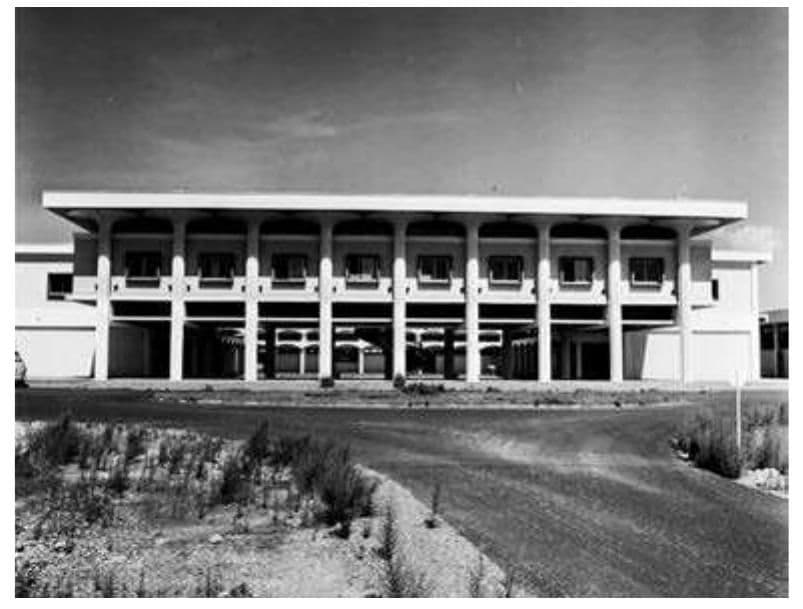
There is no central "cooking school" with a receptionist and a Wi-Fi password. The Labé Cultural Center serves as a hub for the region’s heritage, and it is a logical starting point for inquiries. The staff there may know which households are open to visitors. However, the most direct route is through your accommodation.
Most lodging in Labé is small-scale. Guesthouses run by families. The owners are often the cooks. Ask them. Do not ask for a "tour." Ask if you can watch them prepare dinner. Ask if you can help. The answer is almost always yes, provided you are respectful and willing to work.
If you are staying in the older parts of the city, the houses are closer together. The kitchens are open-air or semi-open. The heat rises. The smells drift. You can see into the next neighbor’s yard. This visibility is part of the learning. You are in the middle of a neighborhood, not a sterile studio. The women cooking are feeding their families. You are an extra pair of hands.
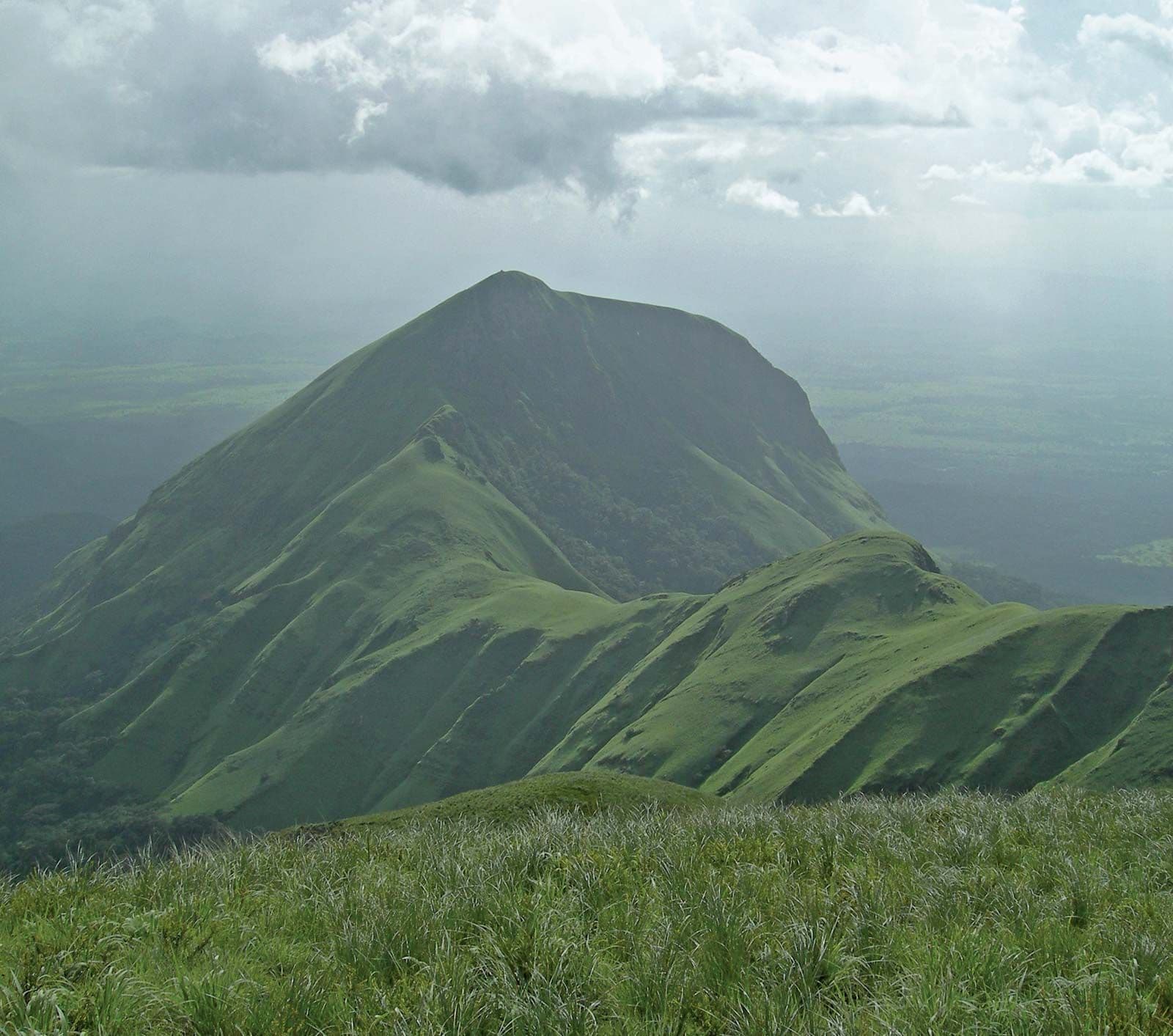
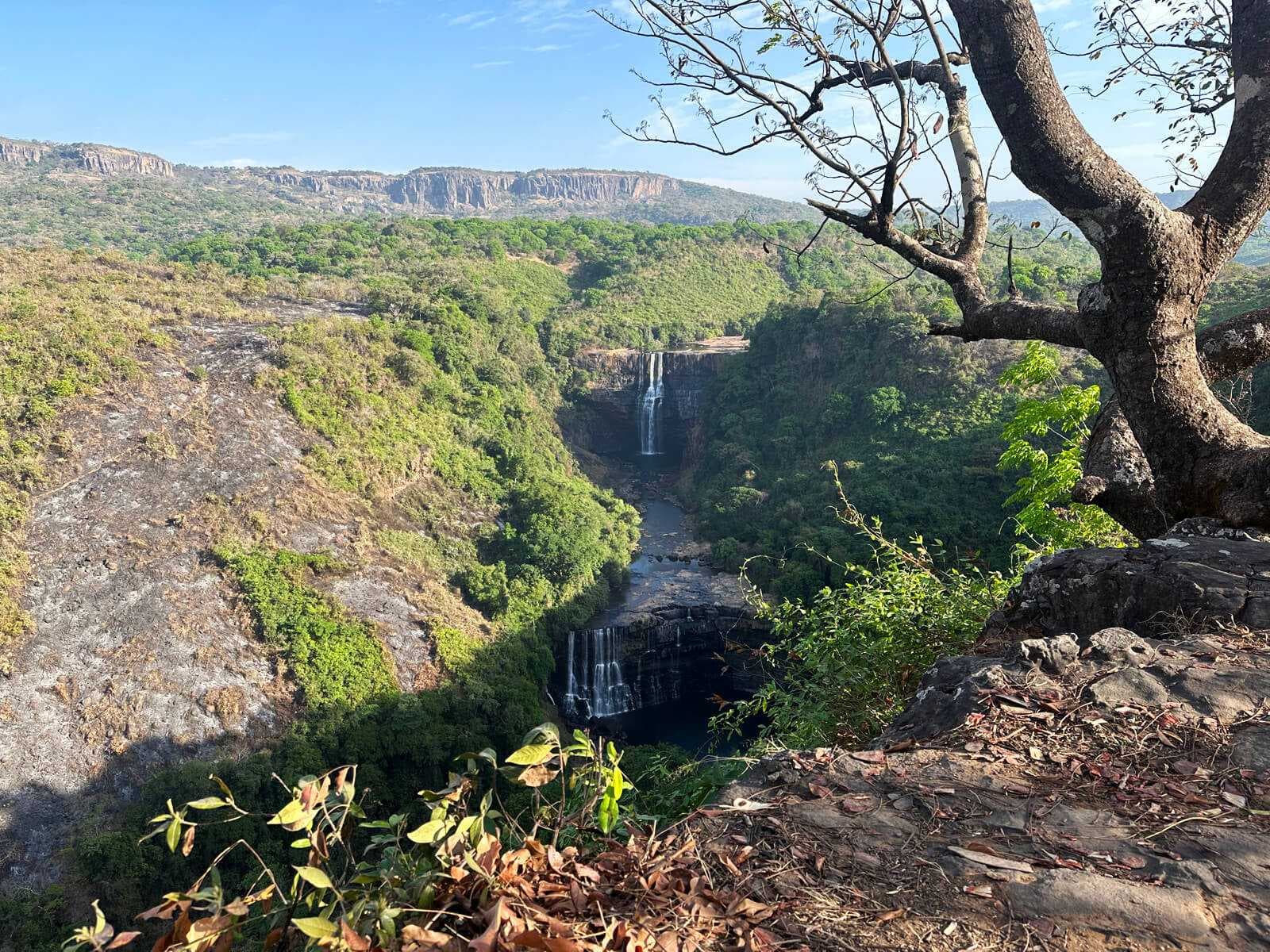
The city is surrounded by the general Fouta Djallon escarpment, a landscape of green, steep hills that loom in the distance. The view from the city is defined by the highland massif. The landscape dictates the diet. What grows here is what you eat. Do not ask for imports. Do not ask for olive oil. Use what is on the shelf. The local oil, likely from groundnuts or palm, is the correct choice. It is thicker. It is darker. It tastes like the place.
The Logistics of Learning
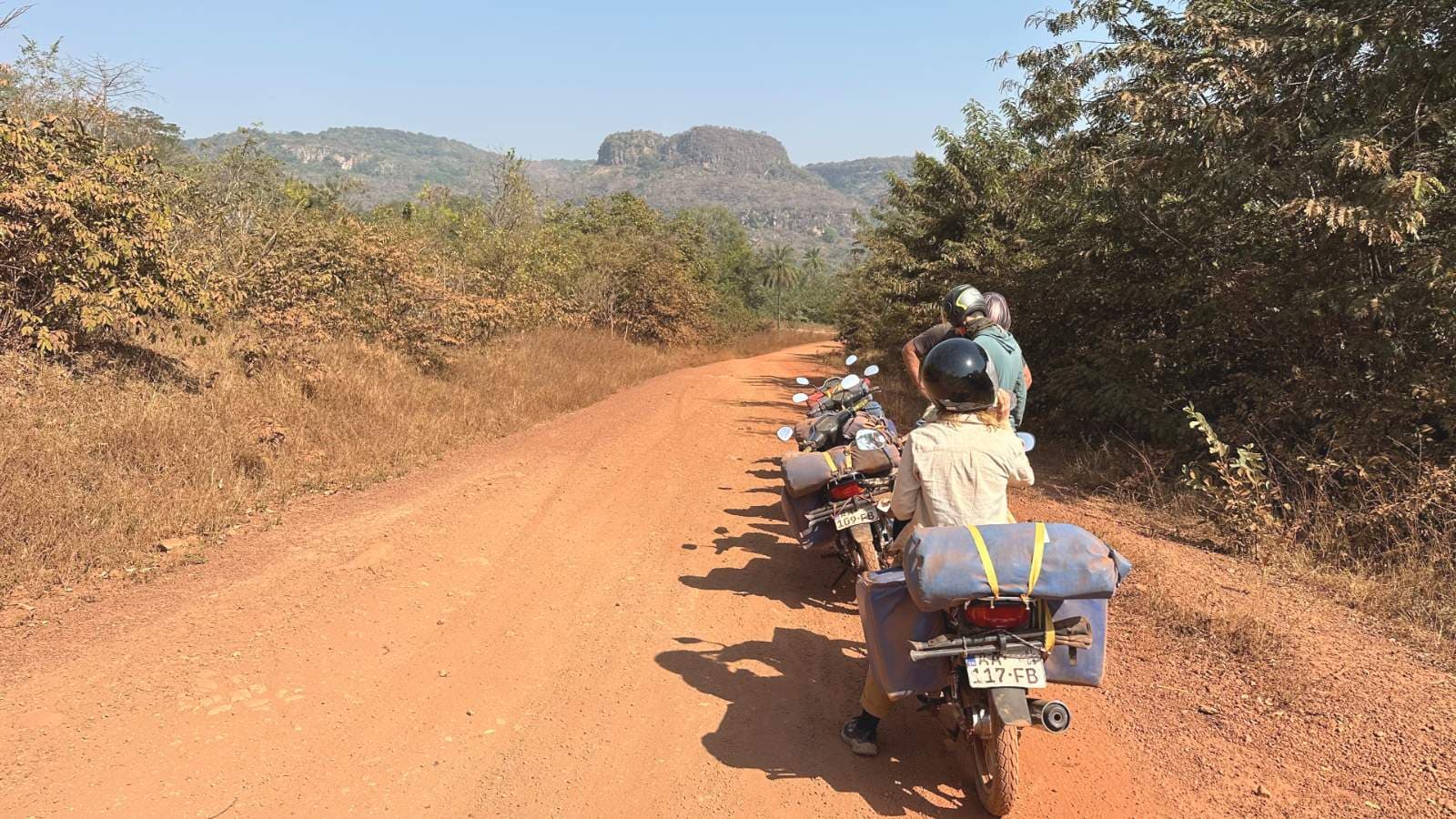
Getting to Labé is not a quick hop. There is no rail line. You come by road from Conakry. The journey takes you through the highlands. The distance is significant. The road conditions can be variable. Do not plan a day trip from the coast. You need to be in Labé for at least three days to make the cooking immersion meaningful.
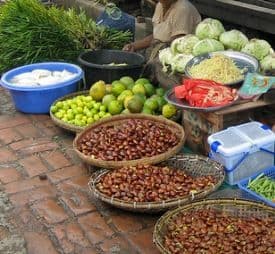
Money is simple. Guinea uses the Franc Guinéen (GNF). Cash is king. Small bills are useful. When you pay for ingredients, do not expect a receipt. The price of a goat leg or a sack of millet is negotiated in the moment. Have small change ready. The market is where the ingredients come from. Go early. The best produce is sold before the midday heat peaks. The vendors are selling to the city, not to tourists. If you want the good tomatoes, you go at 8:00 AM, not 11:00 AM.
Timing matters. The dry season is generally the best time to be outside. The rains can make the unpaved roads muddy and the open-air kitchens slippery. Check the local calendar. The Fulani have their own rhythms, tied to the grazing of cattle. Align your visit with the local cycle, not the international holiday calendar.
Etiquette and Respect
You are a guest in a Fulani-dominated city. The culture is proud. It is robust. It does not need your validation. But it does need your respect.
Dress modestly. Cover your shoulders and knees. This is a highland city with a strong religious and cultural identity, not a beach resort. When you enter a home, remove your shoes if the host does. This is the standard.
Do not photograph without asking. Some women are comfortable being filmed. Others are not. The food is the star. The people are the context. Ask before you point the camera at a face. The answer "no" is final. Do not argue. Do not say "just one quick shot."
Eat what is served. If you are vegetarian, explain it clearly before the meal is cooked. Do not expect a special dish. You will likely eat the grain and the vegetables. That is fine. The grain is the meal. The stew is the accent.
Speak slowly. French is the official language, but Pular (Fula) is the dominant local language. Your French will be understood, but your Pular will be appreciated. Learn three words: "thank you," "delicious," and "I am hungry." The last one is the most important.
When to Go
The best time to visit Labé is during the dry season. This is typically from November to May. The heat is manageable at 1,050 meters. The roads are passable. The markets are active.
Avoid the peak of the rainy season if you are planning outdoor cooking sessions. The mist can settle on the highlands, reducing visibility and making the ground slick. The cooking itself continues, but the logistics of moving around the city become more difficult.
There are no major holidays recorded in the next six months that will disrupt your travel. This is a quiet window. You will not be competing with tour groups. You will be in a city that is working. The cooking classes are a daily reality, not a product. You are just allowed to watch.
This is for the solo traveler. It is for the slow traveler. It is for the person who wants to understand a place through their hands, not just their eyes. Stay for five days. Learn the grain. Learn the stew. Leave with calluses on your hands and a different understanding of what "local" means.
FAQ
Do I need a visa to enter Guinea? Most travelers need a visa. Check the current requirements for your nationality before booking. Entry is typically via Conakry, and you will cross into the highland region by land.
Is Labé safe for solo travelers? Yes. It is a regional capital with a stable population. Standard city precautions apply. Keep your cash secure. Be aware of your surroundings at night. The local population is welcoming, but you are a visitor.
How much does a cooking session cost? There is no fixed price. If you are invited to a home, you might pay for the ingredients. If you are with a guide, the fee covers their time. Expect to pay for the food and the guide’s assistance. The cost is modest compared to coastal resorts.