Three cultural anchors, a colonial church, and coastal ruins: the complete guide to La Unión's heritage sites.
The Cultural Core
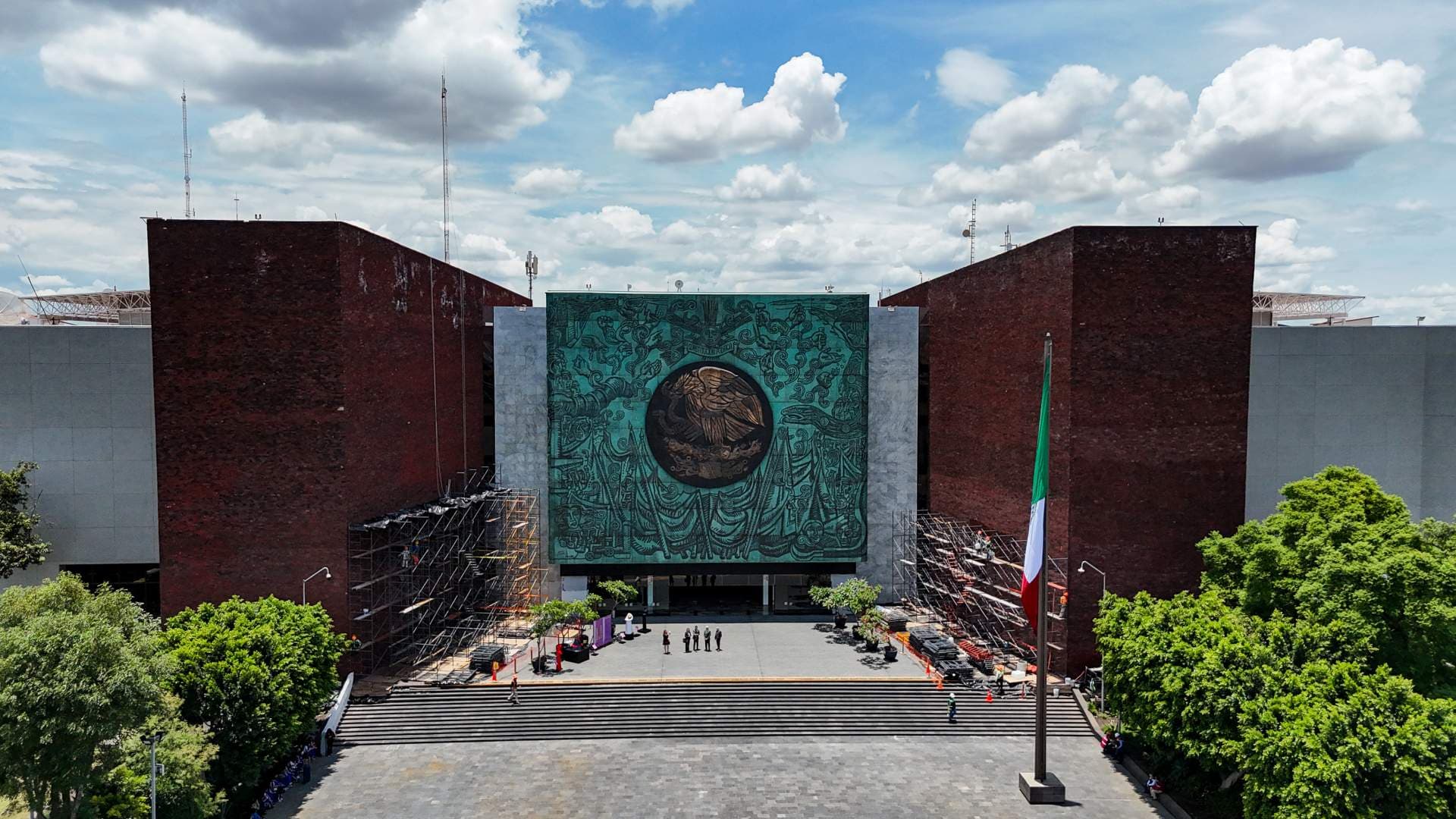
The Casa de la Cultura y Convivencia de La Unión sits on 5A Avenida Norte, 2-6, a concrete block where the town's artistic life concentrates. It functions as a holding space for strangers pretending they control the outcomes ahead. The building houses rotating exhibitions and community events, serving as the primary hub for local art. According to local listings, the center was closed at the time of the data pull, with a scheduled reopening on Monday at 8:00 a.m. Visitors should verify current hours before making the trip, as cultural centers in smaller Salvadoran towns often operate on irregular schedules. The phone number 2604 3102 is the direct line for confirming open days.
The Central Square & Parroquia San Carlos Borromeo
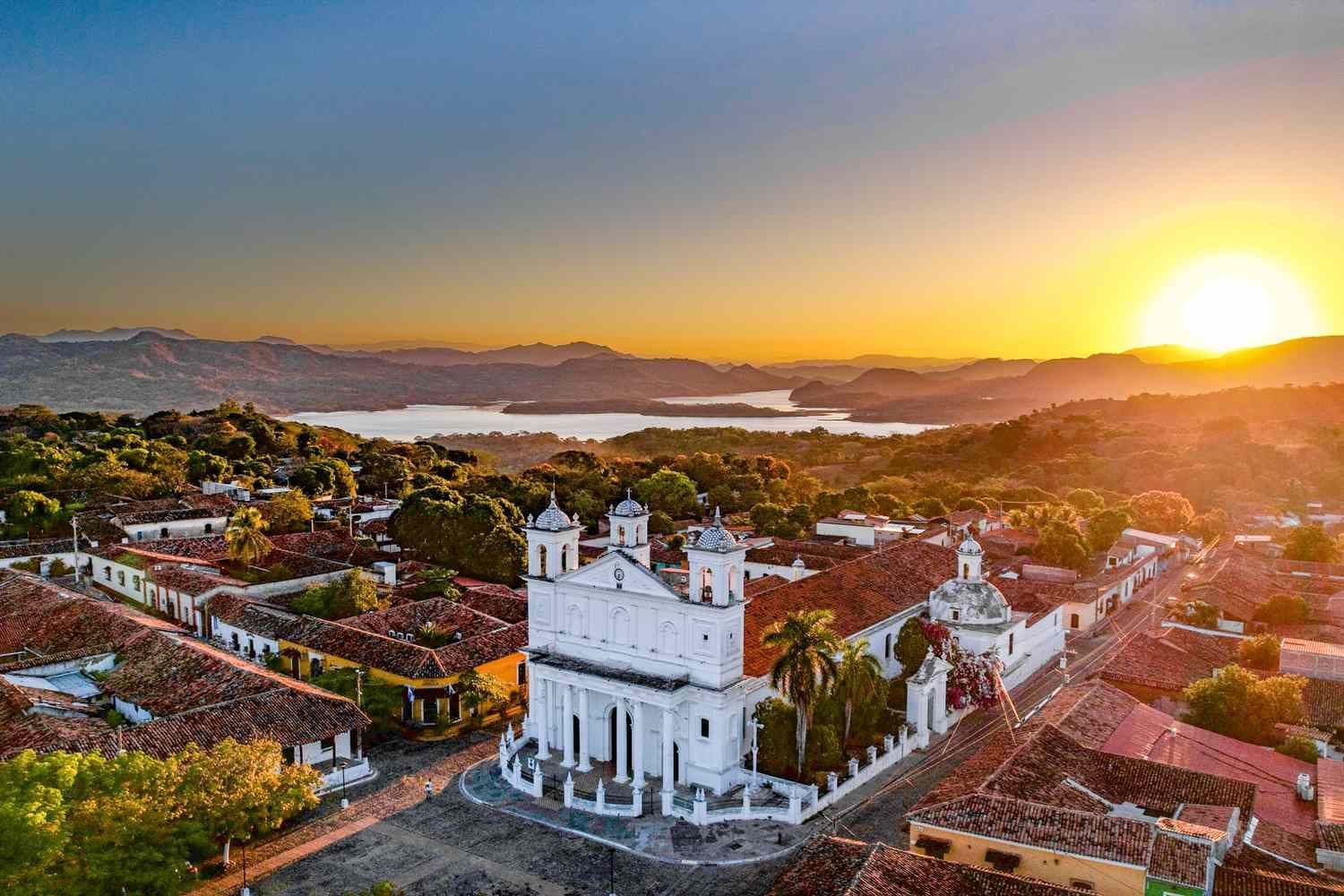
Just 0.15 km from central lodging, the Parque Central serves as the geographic and social axis of La Unión. It is a convergence point where people gamble with chance—tourists, locals, and vendors all moving through the same narrow space. Steps away, at 0.17 km, stands the Parroquia San Carlos Borromeo. This parish church is a colonial-era structure that has watched over the town’s religious life for generations. The church and the park form a single circuit that takes less than ten minutes to walk. The stone facade of the church contrasts with the open, sun-baked plaza, creating a visual tension between permanence and transience.
Coastal Heritage: El Maculis & Playa La Negra
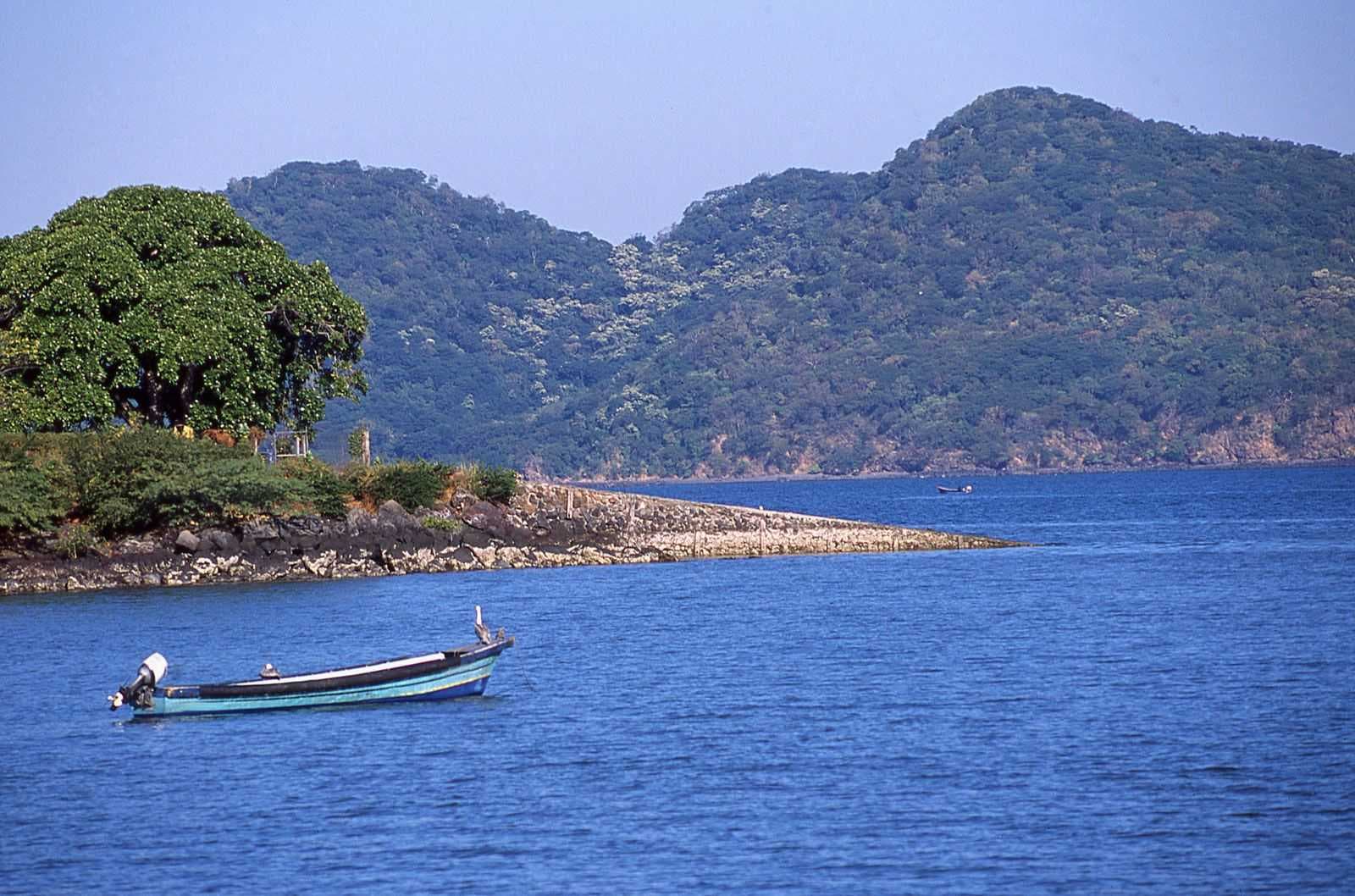
Move toward the Gulf of Fonseca and the landscape shifts from urban to maritime. El Maculis is a coastal sight where the land meets the water, a place where the horizon line blurs the boundary between earth and sea. Nearby, Playa La Negra offers a stretch of dark sand, a stark visual against the turquoise water. These coastal sites mark the physical edge of the department, where the town’s history spills into the ocean. The gulf itself is a body of water that has defined trade, migration, and cultural exchange for centuries.
Colonial Remains: Conchagua & Playa Las Tunas
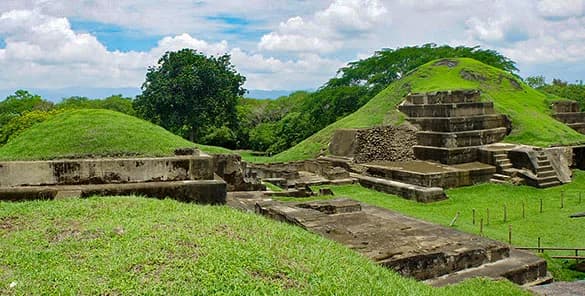
For a deeper dive into the pre-Columbian and colonial past, the Conchagua area holds colonial church ruins, petroglyphs, and ceramic remains at Playa Las Tunas. This site represents a layer of history that predates the current town center. The petroglyphs are carved into rock, silent witnesses to a people who left their mark in stone. The ceramic shards scattered at the beach are fragments of daily life, now archaeology. Visiting these sites requires a short drive from the center, but the reward is a direct connection to the indigenous and colonial layers of La Unión’s identity.
Practical Logistics
Getting around La Unión is best done on foot or by local taxi, as no specific rail line is confirmed in current records. For lodging in the central area, standard check-in is at 15:00 and check-out at 10:00. If you are staying in central La Unión, the Casa de la Cultura is within a 0.33 km radius, making it easily accessible. For the coastal sites, factor in travel time to the gulf. Currency is the US Dollar (USD), the standard in El Salvador. Cash is king in smaller towns, so carry small bills.
When to Go
The autumn season (September–November) in La Unión brings the tail end of the rainy season, with occasional showers but generally manageable weather. The nearest major holiday is All Souls' Day (November 2, 2026), which will increase local activity and potentially affect lodging availability. If you plan to visit around that date, book early. For the cultural sites, weekday mornings are best for the Casa de la Cultura, which reopens Monday at 8:00 a.m. The coastal sites are best visited in the late afternoon when the light is softer. This destination suits slow travelers and history enthusiasts who have at least two to three days to absorb the layers of heritage.
FAQ
Do I need a visa to visit La Unión? Most visitors from the US, Canada, and the EU do not need a visa for stays under 90 days. Check your specific nationality against the Salvadoran immigration rules before booking.
How do I get from San Salvador to La Unión? The journey typically takes around 3–4 hours by bus or car along the coastal highway. No specific rail line is confirmed, so road transport is the standard method.
Are the museums open on weekends? The Casa de la Cultura often has limited weekend hours or may be closed. The Parroquia San Carlos Borromeo is generally accessible during service times. Always call ahead to confirm.