Evaluate Kpalimé's 11 verified hotels against strict criteria. Budget rates start near €21, with the Plateaux Region offering disciplined, low-key accommodation.
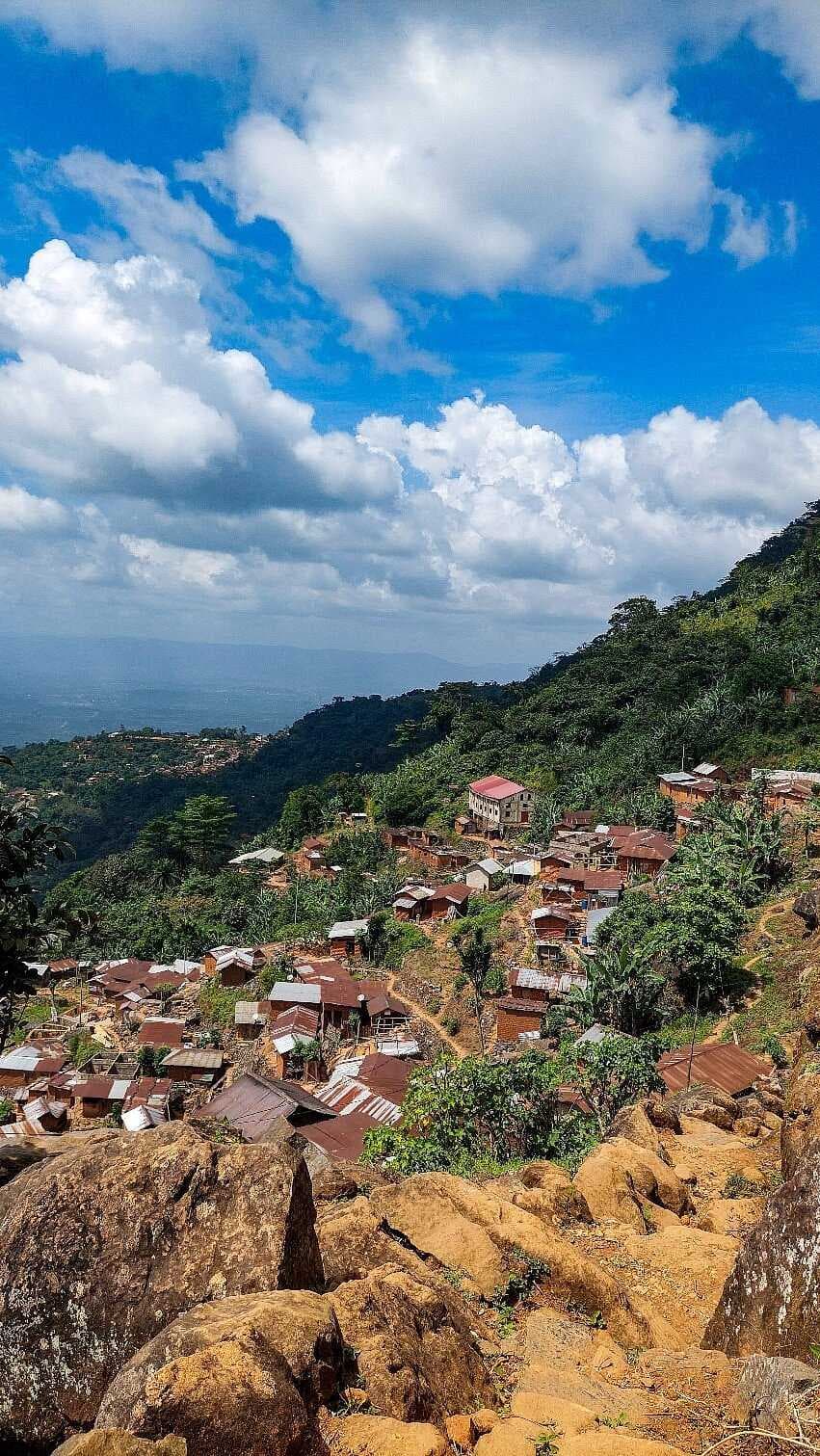
The standard rate for a budget hotel in Kpalimé, Togo, begins at approximately €21.17 per night. This figure, sourced from Hostelworld, sets the baseline for the Plateaux Region. It functions as a hub rather than a luxury destination. For the traveler who measures value in symmetry, service consistency, and architectural integrity, Kpalimé offers a controlled environment. The city sits in the central highlands, distinct from the coastal humidity of Lomé. The air here is cooler. The infrastructure is older. The service protocols are less standardized. You do not come here for spectacle. You come to audit the baseline.
Where to Stay
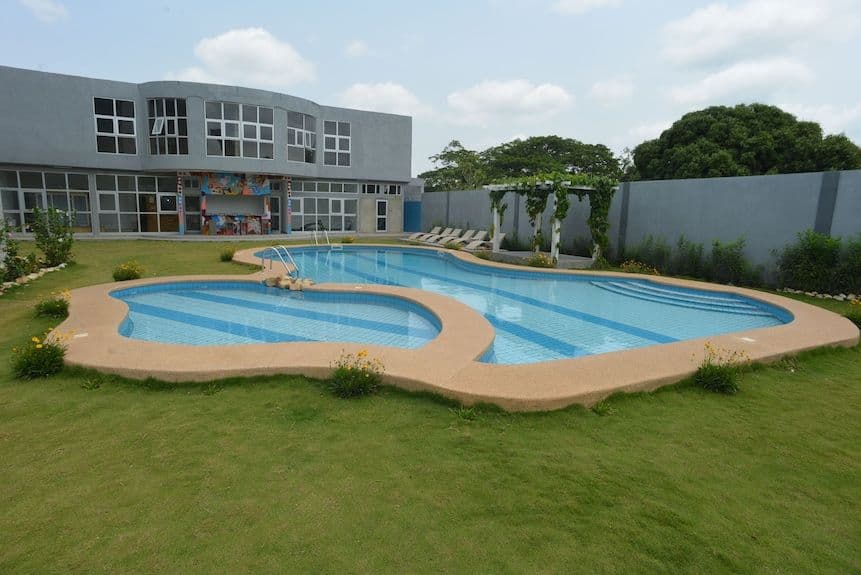
The accommodation market in Kpalimé is modest but defined. Agoda currently lists 11 hotels in the city, each carrying star ratings and review scores. This small inventory allows for precise comparison. You are choosing from a curated, limited set rather than hundreds of options. The primary named property identified in our research is Jess Hotel Kpalimé. It serves both leisure and business guests. A key differentiator is the inclusion of free breakfast. In a region where service consistency can be variable, the provision of a complimentary, structured meal is a tangible metric of operational care. The hotel positions itself for business travelers, implying a focus on reliability over whimsy.
Beyond Jess Hotel, Travala confirms the availability of boutique, luxury, and budget options. The "boutique" label here implies a smaller scale rather than a 50-room design-forward estate. Fewer rooms. More direct interaction with staff. The nightly price band for these properties typically ranges from the €21 baseline up to mid-range figures, depending on the star rating. When booking, verify the specific amenities. Do not assume Wi-Fi speed or air conditioning quality. Request confirmation. The Plateaux Region is not a tourist circuit. The hotels serve locals and regional business. The aesthetic is functional. The lighting is practical. The linens are standard. If you require specific thread counts or organic materials, check the property description line by line.
The Rail Connection
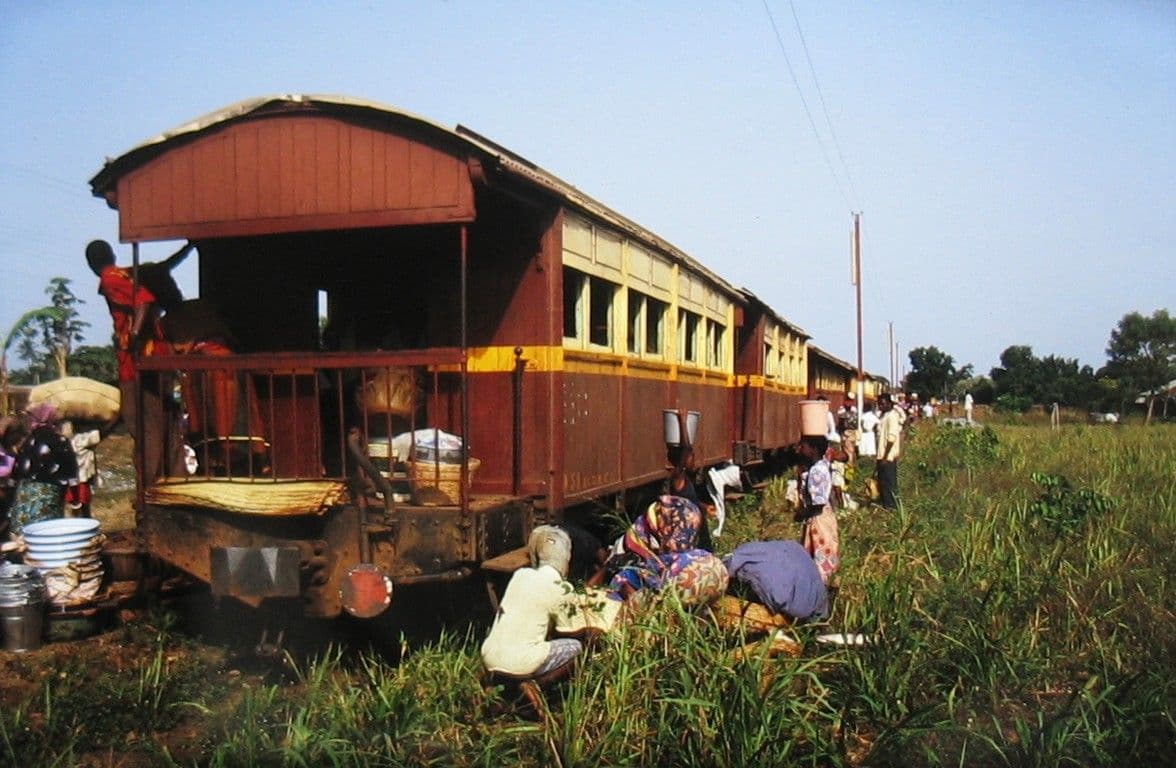
The Lomé–Kpalimé railway is the defining infrastructure of this route. Known historically as the Inlandbahn or Kakao-Bahn (cocoa railway), it was the second railway line built in what is now Togo. Construction began in 1904, following planning that started in 1902 during the German colonial era. The line utilized the Lomé terminus station of the earlier Lomé–Aného railway. This history is not merely archival. It shapes the physical landscape. The tracks run through the highlands, offering a view of the terrain that is impossible to replicate by road.
However, the current operational status of passenger service on this specific line was not verified in our recent search results. Do not assume daily passenger trains are running. Check with local transit operators or your hotel concierge upon arrival. The railway remains a cultural and historical landmark. The stations are concrete structures from the early 20th century. The architecture is utilitarian. The platforms are worn. If you are traveling from Lomé, the road connection is the primary mode of transport. Our sources confirm the distance is significant, though specific journey times remain unverified. Plan for a full day if you are driving or taking a bus. The rail line serves as a reminder of the region’s economic history, centered on cocoa export.
Local Craft & Culture
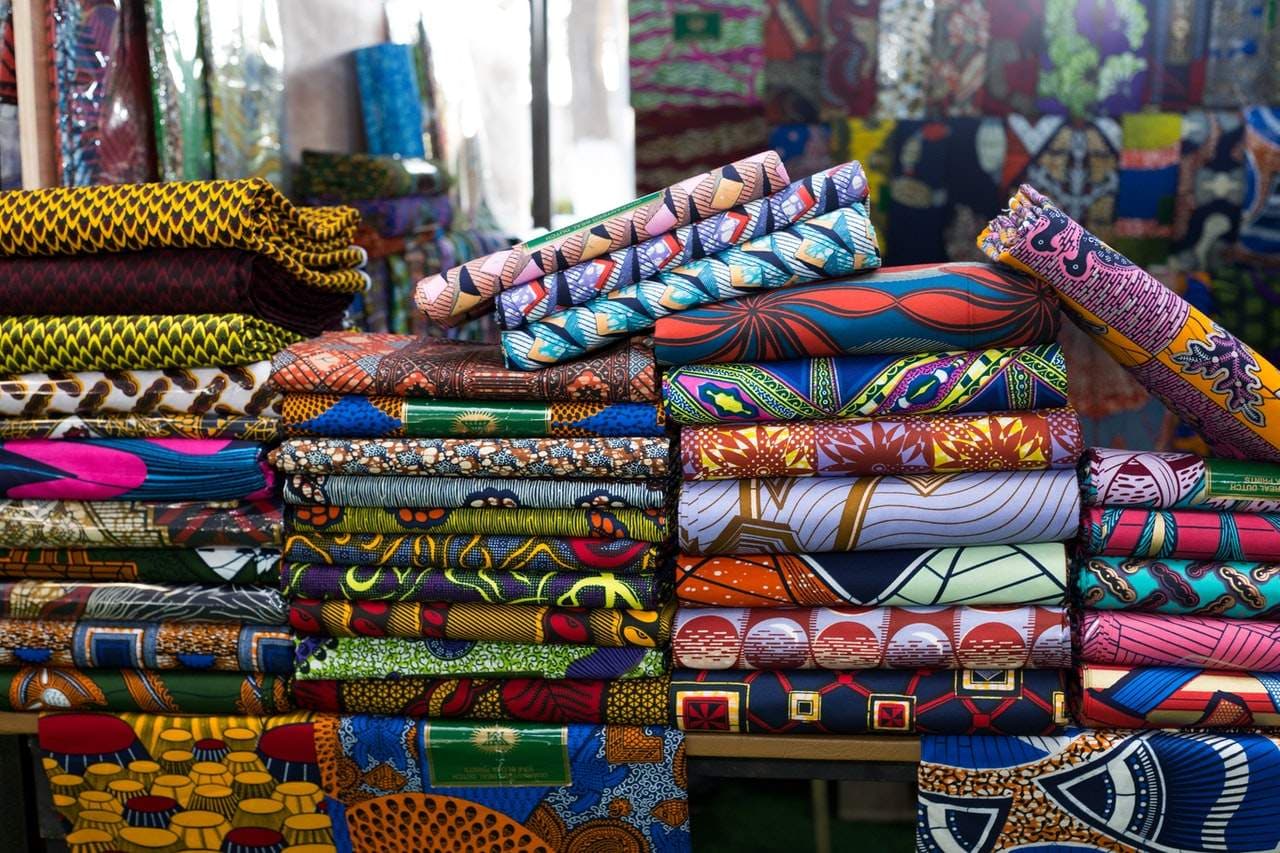
Kpalimé is located on the Route Kpalimé-Atakpamé, a corridor that hosts specific cultural sites. One confirmed landmark is the Aklala Batik du Togo. This is a batik and craft site. Batik is a wax-resist dyeing technique. In Togo, it is a traditional art form. The site offers a look into the production process. You can observe the dyeing, the wax application, and the finishing. The colors are typically earthy and bold. The textures are layered. It is a working craft site rather than a museum behind glass. The interaction is direct. You can purchase finished pieces or observe the artisans at work.
The cultural context of the Plateaux Region is distinct from the coast. The population is predominantly Ewe. The language spoken is Ewe, though French is the official language of Togo. Basic phrases in Ewe are appreciated but not required. French is the business language. The craft sector is small but significant. The batik site is a specific point of interest for those who value handmade goods. The quality of the wax application varies. Look for even coverage and sharp lines. Avoid pieces with blurred edges. The price is negotiable. Start with a polite inquiry. The artisans are professional. The atmosphere is calm. The light in the workshop is natural. It is a quiet counterpoint to the hotel lobby.
Practical Logistics
Money is straightforward. The currency is the West African CFA franc (XOF). European exchange rates apply. The €21.17 baseline for hotels translates to a specific amount in CFA francs. Carry small denominations. ATMs are available in Kpalimé, but availability can be inconsistent. Withdraw cash in Lomé if possible. The exchange rate is fixed, so there is no arbitrage. Keep your receipts.
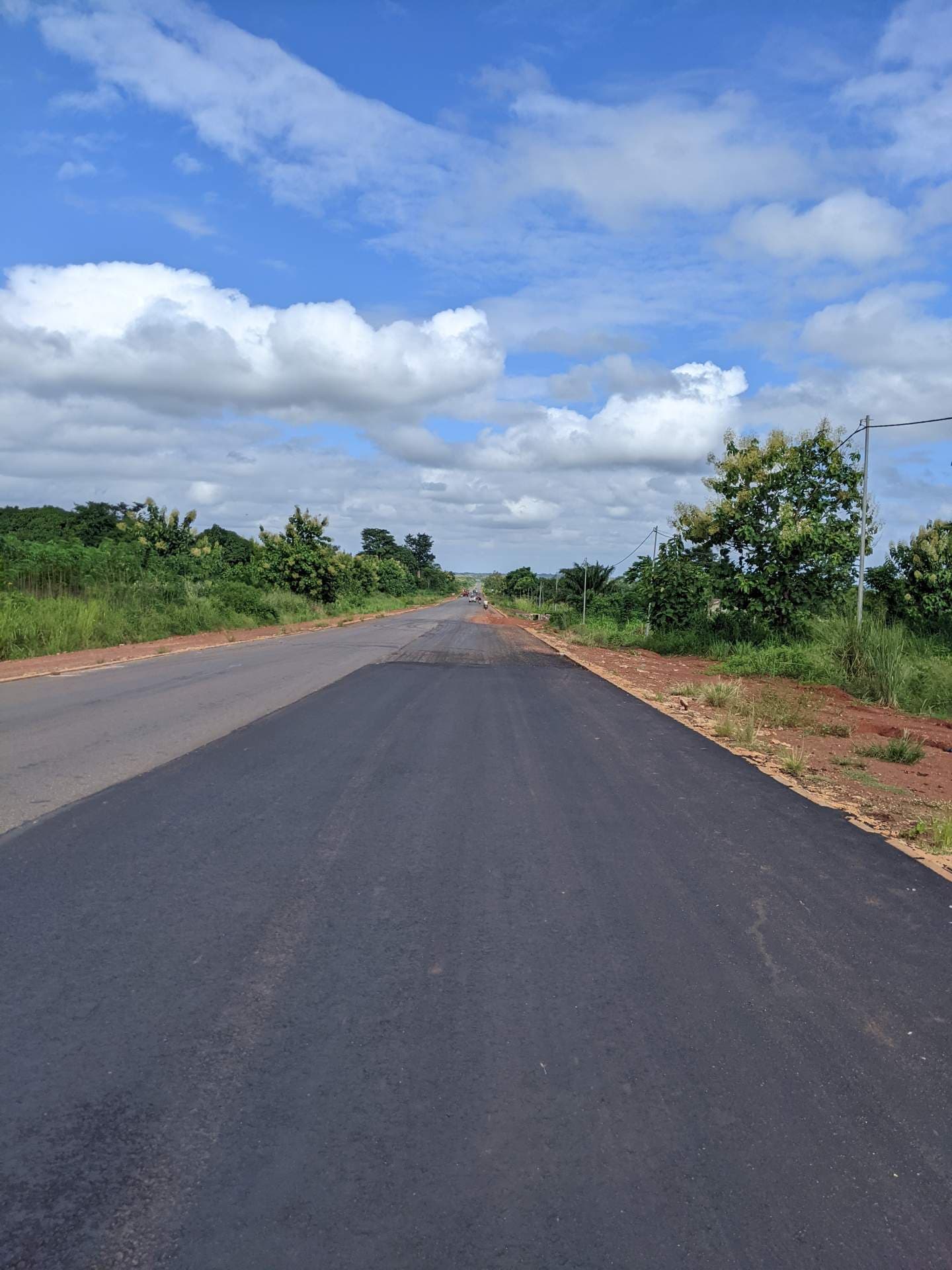
Transit is the primary logistical challenge. The road from Lomé to Kpalimé is the main artery. Buses and shared taxis are common. The fare is low, but the journey is long. The roads are a mix of paved and unpaved sections. The speed is variable. Do not plan tight connections. Allow buffer time. The hotel check-in time is typically 14:00 or 15:00. If you arrive early, ask if the room is ready. Do not assume. The front desk staff will inform you. The power supply is stable but not immune to outages. Keep a phone charger with you. The lighting in the hotels is adequate for work. The internet speed is sufficient for email and browsing. It is not suitable for video conferencing.
When to Go
The best time to visit Kpalimé is during the dry season. The rainy season brings heavy downpours. The roads can become difficult. The humidity is high. The dry months offer clearer skies and more predictable transit. There are no major holidays recorded for the next six months that would impact pricing or crowd levels. This means the rates remain stable. The occupancy is moderate. You are not competing with peak-season tourists. The audience for Kpalimé is the slow traveler. The solo business visitor. The one who values efficiency and authenticity over spectacle.
Stay for three to four nights. This allows time to settle in, explore the craft sites, and experience the local rhythm. Do not rush. The city does not demand it. The service is paced. The light is soft. The air is cool. It is a place for assessment.
FAQ
Do I need a visa to enter Togo? Citizens of many countries receive a visa on arrival. Check your specific nationality’s requirements before booking. The process is standard. Have your passport ready.
Is Kpalimé safe for solo travelers? Yes. The crime rate is low. Standard precautions apply. Keep your valuables secure. Use reputable transport. The locals are helpful. The environment is calm.
What is the average cost of a meal? Restaurants are limited. Expect to pay around €5–€10 for a standard meal. Street food is cheaper. Hygiene varies. Choose busy stalls. The quality is consistent in established places.