Find quiet family rooms near Waduk Gajah Mungkur and the southern coast. Practical lodging options in Wonogiri, Indonesia, starting under Rp 300k.
The Terrain Sets the Rules
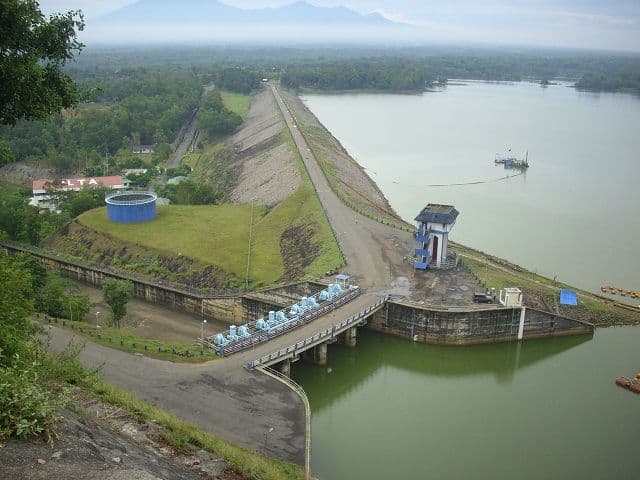
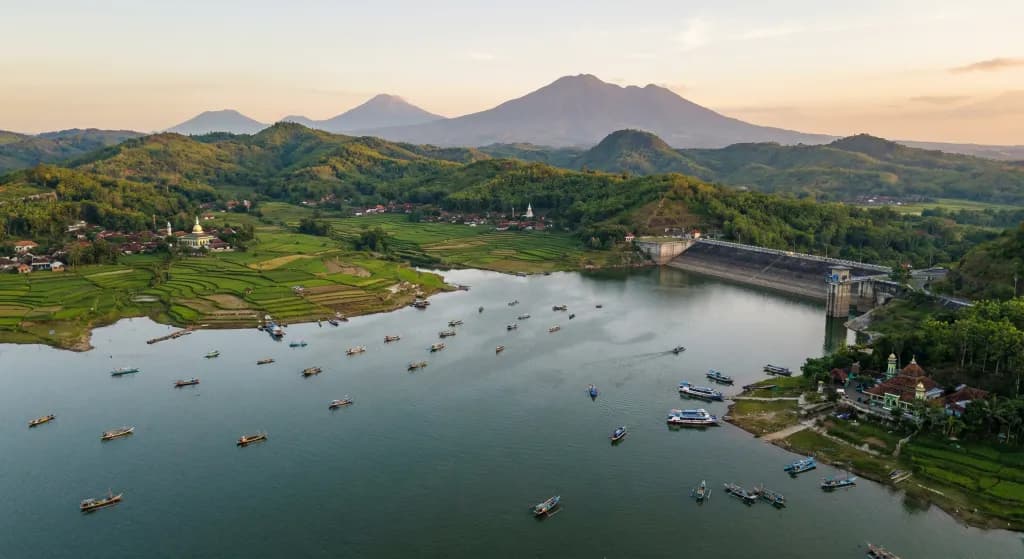
Wonogiri does not perform hospitality. It presents conditions. Situated in Central Java, the regency is defined by two opposing forces: the vast, still water of Waduk Gajah Mungkur to the north and the rugged, karst-heavy coastline to the south. This geography dictates where you sleep and how you move. The county’s iconic landmark, Waduk Gajah Mungkur, serves as the hydraulic heart of the area. It is a massive reservoir that creates a microclimate of cool, damp air distinct from the hotter lowlands to the east.
For families traveling with children, this dichotomy offers a specific advantage. You are not forced into a single type of environment. The interior offers the stability of the reservoir and the flat terrain of the town center. The coast offers the chaos of the Indian Ocean. Choosing accommodation here is a decision about which force you wish to submit to. Most visitors arrive from Solo, located approximately 30 kilometers away. By private vehicle, the journey takes roughly 53 minutes. This proximity allows for a strategy of base-camping: secure a room in the calmer interior, then deploy into the coastal heat during the day. The rules of the place are simple. Respect the water. Respect the stone. And understand that convenience is a matter of logistics, not magic.
Where to Stay
Accommodation in Wonogiri operates on a spectrum of availability and price that favors the patient traveler. You will not find high-rise international chains here. The market is dominated by homestays and small, family-run hotels. On aggregator platforms, homestays in the regency start from around Rp 233 per night, though this figure often reflects basic, unverified listings or extreme off-season discounts. For a reliable, family-oriented experience, expect to pay more.
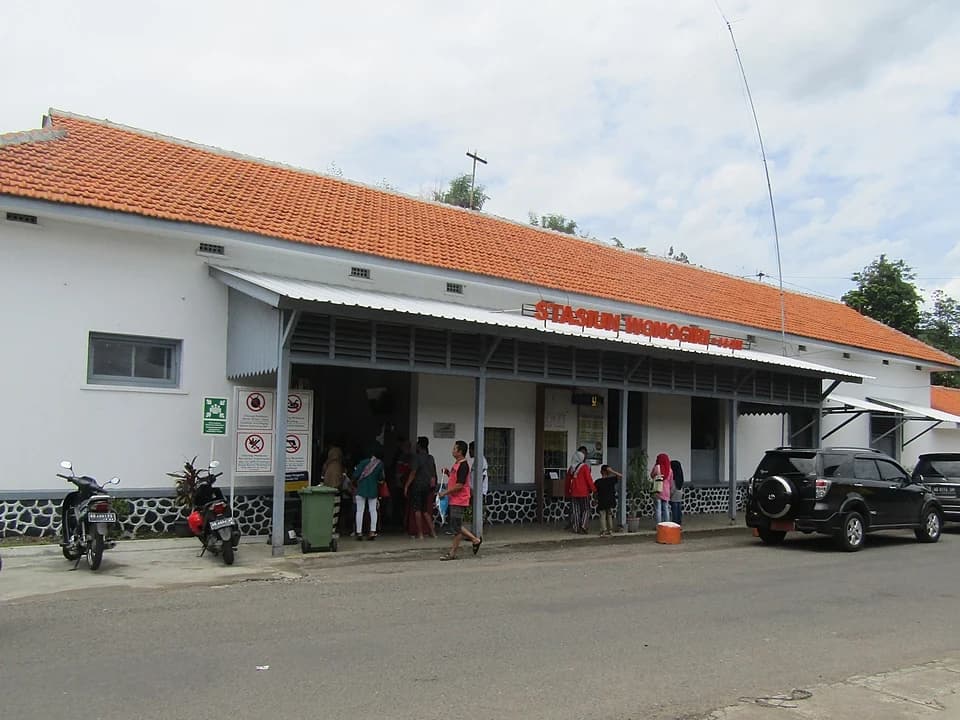
In the town center, near Stasiun Wonogiri, you will find small hotels that prioritize functionality. These are holding spaces for strangers, clean and functional, positioned for ease of access to the central market. Prices typically range from Rp 250,000 to Rp 450,000 per night for a standard double room. The differentiator here is logistics. Being near the station means you can manage luggage without excessive taxi fares.
Further out, toward the southern coast, the options shift. Properties near Pantai Nampu or the broader white-sand beaches of the south coast are often larger compounds. These are better suited for groups. They offer space to move, which is critical when children are present. Nightly rates here may be higher, reflecting the premium of proximity to the beach. The trade-off is distance. You are trading the walkability of the town center for the immediacy of the shoreline. Choose based on your tolerance for driving. If you want to walk to breakfast, stay in the center. If you want to hear the waves at 6 AM, stay on the coast.
The Commute and the Coin
Transportation in Wonogiri is a test of endurance and timing. The primary node is Stasiun Wonogiri (code WNG), a Class III station located in Giripurwo. It sits at an elevation of +144 meters, a modest height that places it firmly in the humid zone. The station is strategically placed behind Pasar Kota Wonogiri, the central market, and adjacent to Terminal Wonogiri Kota. This arrangement is deliberate. It forces a convergence of travelers, shoppers, and bus passengers in a tight, controlled space.
The rail connection is limited but reliable. The Batara Kresna (BK) commuter train serves the station. There are four daily departures: two originating from Wonogiri and two from Purwosari. The route follows the Solo–Sukoharjo corridor. The fare is a fixed Rp 4,000. This is a negligible cost, making the train a rational choice for short hops to Solo if you are staying in the immediate vicinity of the station. However, the frequency is low. You must align your schedule with the train, not the other way around. Missing the BK means waiting hours for the next option, usually a bus or a hired car.
For families, the private vehicle remains the dominant mode of intra-county movement. The roads are paved, but the distances between key attractions—the reservoir, the caves, the beaches—are significant. A full day covering the southern coast and the karst areas requires a full tank of fuel and a driver accustomed to winding roads. Do not underestimate the drive. The landscape changes rapidly from flat rice paddies to steep, rocky terrain.
Fueling the Body
Food in Wonogiri is a matter of sustenance and ritual. You will not be overwhelmed by culinary diversity. Instead, you will encounter repetition with intent. The signature dish is Bakso. It is legendary in this region, cited repeatedly as a local staple. The meatballs are served in a clear broth, often accompanied by noodles and tofu. It serves as a baseline for the local diet. Expect to find it in every stall, from the roadside to the main market. The taste is consistent because the recipe is standardized. It provides the necessary calories for a day of walking or swimming.
Equally important is Jamu. This traditional herbal drink is a legendary local specialty. It is bitter, earthy, and potent. For adults, it is a tonic. For children, it is a challenge. Offering jamu to a child is a rite of passage, a test of their willingness to accept the local palate. The drink carries a sharp bitterness. Its purpose is balance rather than pleasure. If you bring children, prepare them for the taste. Do not mask it with sugar. Let them experience the bitterness. It is part of the cultural texture of the place.
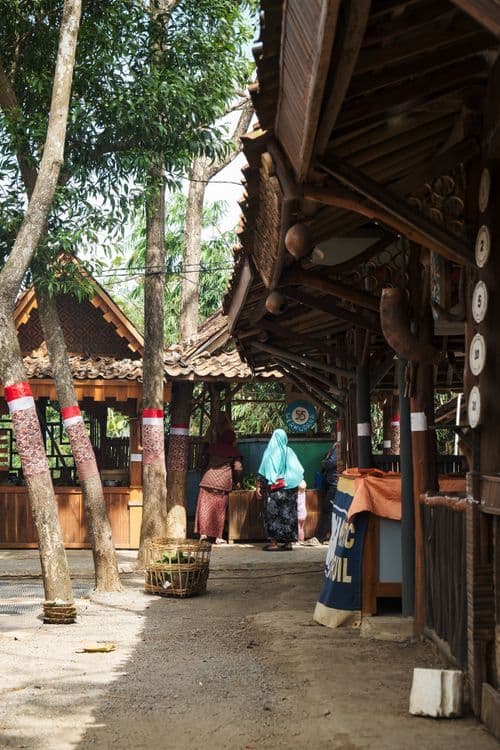
Eating happens in the open. Pasar Kota Wonogiri is the epicenter. Behind the train station, the market hums with activity. It is a convergence point where people take calculated risks regarding hygiene. For families, stick to the stalls with high turnover. Movement indicates safety. Stagnation indicates risk. Eat what is hot. Drink what is sealed. The local food scene focuses on maintenance.
Timing and Audience
Wonogiri is a destination for the slow traveler. It is a place that resists speed. The best time to visit is during the dry season, typically from May to September. During this window, the southern beaches are accessible, and the karst caves are dry enough to enter safely. The humidity is lower, and the light is clearer.
Upcoming holidays will affect availability and pricing. Christmas Day falls on December 25, 2026. This date is in the wet season. The rain will limit coastal activities, making the interior and the museum options more appealing. Bookings will tighten around this date. New Year’s Day, January 1, 2027, follows shortly after. The crowd density will increase. Prices for accommodation may rise slightly. If you seek solitude, avoid these dates. If you accept the noise, go.
Lunar New Year, estimated for February 6, 2027, will also draw crowds. This is a period of celebration, and the town center will be active. For families, this period offers a vibrant atmosphere but requires earlier booking. The ideal duration for a stay is three to four days. Two days is too rushed to appreciate the shift from the reservoir to the coast. Five days is too long, as the variety of activities is limited. Three days allows you to settle in, explore the coast, and return to the quiet of the interior.
Frequently Asked Questions
Is Wonogiri safe for children? Yes. The crime rate is low. The primary risks are environmental: heat, sun exposure, and uneven terrain. The karst areas require sturdy footwear. The beaches have currents. Supervision is mandatory. The water is deep and unforgiving.
How do I get from Solo to Wonogiri? The most efficient method is by private vehicle or hired car. The distance is approximately 30 kilometers, taking about 53 minutes. Public transport exists but is slower and less flexible. The Batara Kresna train connects to Solo but runs only four times daily.
What should I pack? Light, breathable clothing for the heat. Rain gear, especially if visiting between October and April. Insect repellent is essential, particularly near the reservoir and the forested karst areas. Sturdy shoes for hiking the limestone trails.