High-altitude hospitality in eastern Bhutan demands preparation. Here is how to secure comfort for children in a remote, mountainous landscape.
The road to Trashigang does not forgive hesitation. It climbs through the eastern Himalayas, a ribbon of asphalt cutting through pine forests and steep ravines, demanding a steady hand on the wheel and a tolerant stomach for the passengers inside. For families traveling with children, this journey is not merely a transit; it is a test of endurance. The altitude rises, the air thins, and the conveniences of the lowlands vanish. Yet, for those who arrive, the reward is a profound silence, broken only by the distant chant of monks or the rush of the Mangde Chhu river.
Choosing where to sleep here requires a shift in perspective. You are not looking for a theme park or a playroom. You are looking for stability. In a region where infrastructure is defined by resilience rather than luxury, the right accommodation acts as a sanctuary—a warm, secure holding space where a child can recover from the day’s exertions. The options are limited, but they are deliberate.
Where to Stay
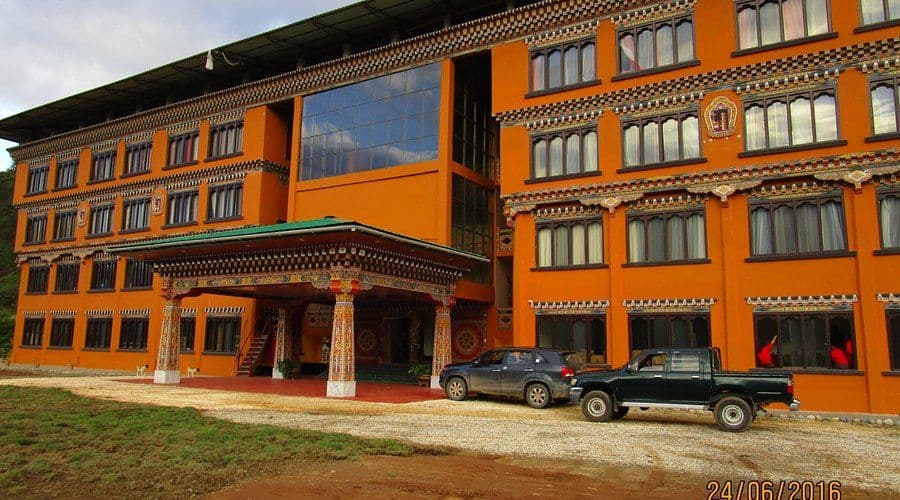
There are no large hotel chains in Trashigang. The concept of "kid-friendly" here is stripped of its commercial gloss. It does not mean mini-bars or cartoon bedding. It means clean water, reliable heating, and rooms that can accommodate a family unit without forcing strangers into close proximity.
Most travelers converge on the small cluster of lodges and guesthouses situated near the town center, often within walking distance of the administrative buildings. These establishments are typically family-run. The owners understand the rhythm of travel in the high country. They know that a child sleeping well is the priority.
Look for properties that advertise private bathrooms. Shared facilities are common in rural Bhutan, but for a family with young children, the hygiene and convenience of an en-suite room are non-negotiable. Prices vary, but expect to pay between 3,000 and 6,000 Ngultrum per night for a standard double room with basic amenities. This range covers clean sheets, hot water (usually solar-heated, so timing matters), and breakfast included.
Some larger lodges offer family suites or interconnected rooms. These are rare and must be booked in advance. Do not assume availability upon arrival. The inventory is small. If you require specific dietary accommodations for a child, communicate this before you land in Paro. The kitchens here cook with local ingredients—rice, buckwheat, radish, and cheese. Flexibility is limited, but honesty from the hosts is guaranteed.
The Reality of Transport
Getting to Trashigang is the first hurdle. There is no airport here. The nearest airfield is in Bathpalathang, serving the nearby town of Mongar, but flights are infrequent and weather-dependent. Most visitors arrive by road from Thimphu or Phuentsholing.
The drive from Thimphu takes approximately 10 to 12 hours. From Phuentsholing, it is closer to 9 to 11 hours. These are not gentle drives. The roads are narrow, winding, and often shared with livestock. Motion sickness is a real threat for children. Pack medication. Bring snacks that do not require refrigeration. The stops are irregular.
If you hire a private vehicle, negotiate the terms clearly. The driver will likely be familiar with the route but may not be accustomed to the pacing required for young passengers. Request breaks every two hours. There are few service stations, so fuel stops are planned, not improvised. The bus service exists, but it is not recommended for families with small children. The vehicles are crowded, the journey is long, and the seats are hard. The privilege of controlling the environment is worth the extra cost of a private hire.
Practical Details for Families
Prepare for a self-sufficient trip. There are no pharmacies with extensive stock in Trashigang. Bring a comprehensive first-aid kit. Include altitude sickness medication, anti-diarrheal drugs, and pain relievers. The climate in summer is mild during the day but drops sharply at night. Layers are essential. A child who is cold is a child who is difficult to settle.
Electricity is available but can be intermittent. Bring power banks. Charging ports may be limited in older lodges. Wi-Fi is not a given; assume you will be offline. This is not a defect; it is a feature. It forces interaction. Read books. Play card games. Talk.
Money is cash-based. ATMs are scarce and often out of service. Withdraw sufficient Ngultrum or Indian Rupees in Thimphu or Phuentsholing. Small bills are preferred. Vendors and drivers may not have change for large notes.
Food safety is a concern. Drink only bottled or boiled water. Avoid raw vegetables unless you can wash them yourself with safe water. Stick to cooked meals. The local cuisine is hearty and nutritious, but unfamiliar spices may upset sensitive stomachs. Start slowly.
Local Culture and Etiquette
Trashigang is a place of deep religious significance. The dzong, though its specific details remain obscured in the mist of limited information, dominates the skyline. It is a center of administration and worship. Respect is mandatory. Dress modestly. Shoulders and knees should be covered, especially when entering religious sites.
Children should be taught to walk clockwise around stupas and temples. Pointing feet at statues or people is considered rude. Silence is valued. Loud noises and disruptive behavior are frowned upon. The locals are gentle, but they do not tolerate chaos. Teach your children to observe quietly. Let them watch the monks in their maroon robes, the farmers carrying loads on their backs, the artisans weaving textiles. These are not performances; they are daily life.
The people of Trashigang are hospitable. They will smile at your children. They may offer food. Accept politely, even if you do not eat it. Gratitude is the currency of social exchange here. A simple "Kuzuzangpo" (hello) goes a long way.
When to Go and Who It Suits
The best time to visit Trashigang is between October and November, or March and April. The skies are clear, the temperatures are moderate, and the risk of rain is lower. Summer brings monsoon rains, which can cause landslides and disrupt travel. If you must travel in summer, be prepared for delays.
There are no major holidays scheduled in the immediate future that would impact your stay. This is an advantage. The town is quiet. The crowds are minimal. You will not compete for resources.
This destination is not for everyone. It is not for families seeking convenience, entertainment, or ease. It is for those who want to show their children a different way of living. It is for parents who believe that discomfort builds character. It is for travelers who understand that the journey is part of the experience.
Stay for three to four days. Longer stays allow you to acclimatize to the altitude and the pace. Use the time to explore the immediate surroundings, visit the dzong, and simply breathe. The air is thin, but it is clean. The views are vast. The silence is heavy. And the nights, in a warm room with the door locked, are deeply peaceful.
FAQ
Is Trashigang safe for children? Yes, crime is virtually non-existent in Bhutan. The primary risks are physical: altitude sickness, motion sickness, and minor injuries from uneven terrain. Exercise caution and prepare medically.
Are there pediatricians in Trashigang? Medical facilities are basic. For serious issues, evacuation to Thimphu or Phuentsholing is necessary. Ensure your travel insurance covers medical evacuation.
Can we bring our own baby formula? Yes. Supplies are limited and expensive. Bring enough for the entire duration of your stay, plus extra for delays.