Skip the resort trap. Al Jafr offers a 10 km escape into the world's largest oasis, where kids touch 2.5 million date palms and sleep in quiet, family-run rentals.
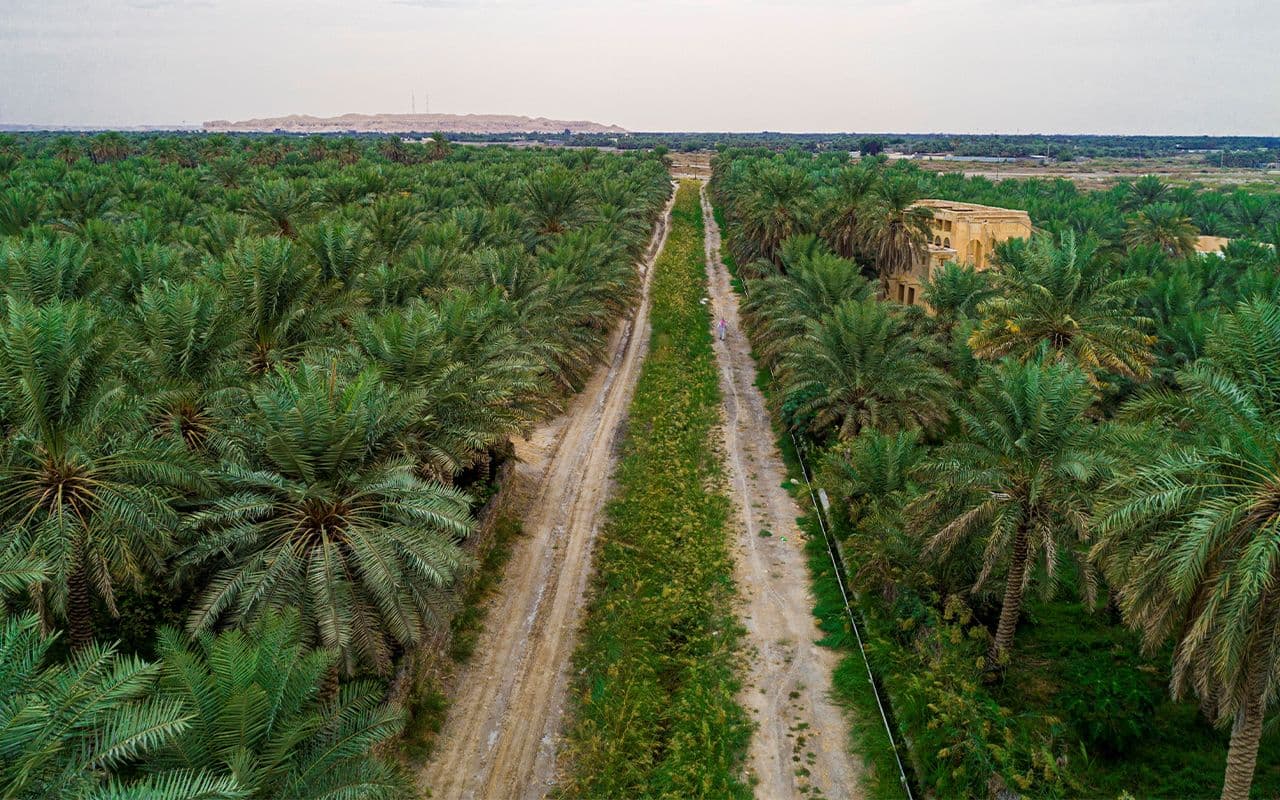
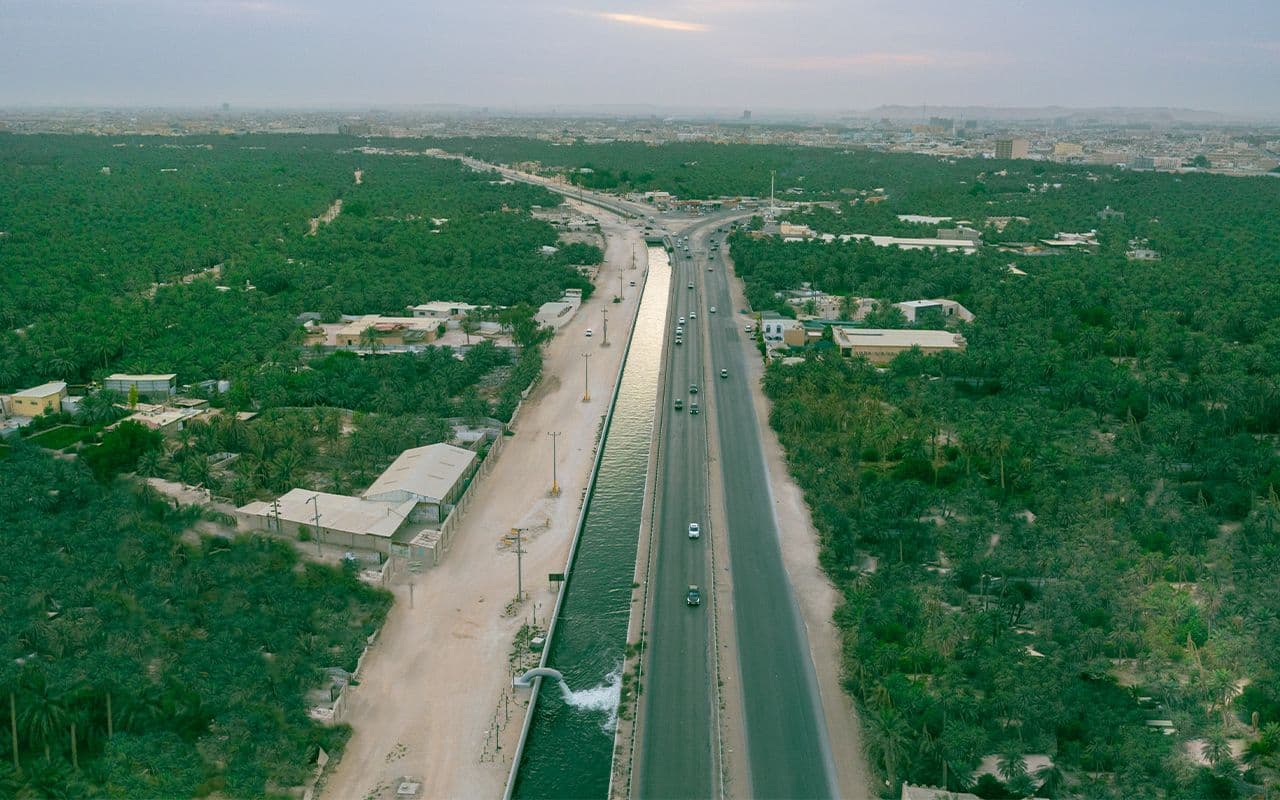
The clock reads 08:00. The air in Al Jafr, a village in Saudi Arabia’s Eastern Province, is already thick with the scent of dust and drying fruit. You are 135 meters above sea level, surrounded by a landscape that does not perform for you. There are no neon signs. No queue for a "themed" breakfast. Just the rustle of fronds in the wind and the distant hum of a generator. This is the Al-Ahsa Oasis, a UNESCO World Heritage Site containing over 2.5 million date palms. Al Jafr sits within this green expanse, roughly 10 km from the town of Al-Hofuf. For a family tired of sanitized hotel corridors where children are viewed as noise rather than guests, this is the reset button.
Why the Oasis Beats the Hotel
Most family travel is a performance. You check in, you check out, you post the photo. In Al Jafr, the environment does the work. The village is small, with a population of around 9,710 people. The place does not beg for your attention. The rhythm here is set by the sun and the harvest.
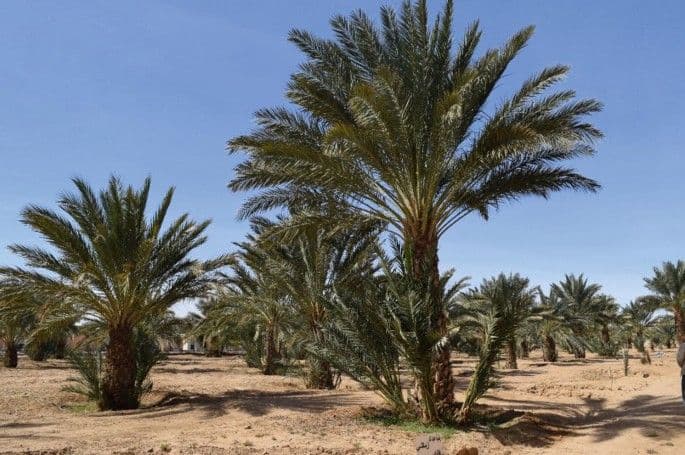
The core of the experience is the date palm. This is a working agricultural zone, not a curated botanical display. The Al-Hasawi date is a national product here, and the trees are not just scenery—they are the economy. For a child, the scale of this greenery is visceral. Walking through the groves, the light filters through dense canopies, creating a dappled, cool shade that feels miles away from the asphalt heat of Dammam. You are standing inside a living system, not merely looking at a "landscape." The texture of the bark, the weight of the fruit clusters, the smell of the earth—it engages the senses in a way a swimming pool never can.
There is a specific honesty to this place. The Al-Jafr General Hospital is a notable landmark in the village, a government facility that stands out among nearby settlements. It signals that this is a functioning community, not a resort island. You are staying among people, not in a bubble. That proximity matters. It changes the dynamic of family travel from "consumption" to "observation."
Where to Stay
You have three realistic options for sleeping in or near Al Jafr. None of them are "luxury" in the traditional sense, and that is the point.
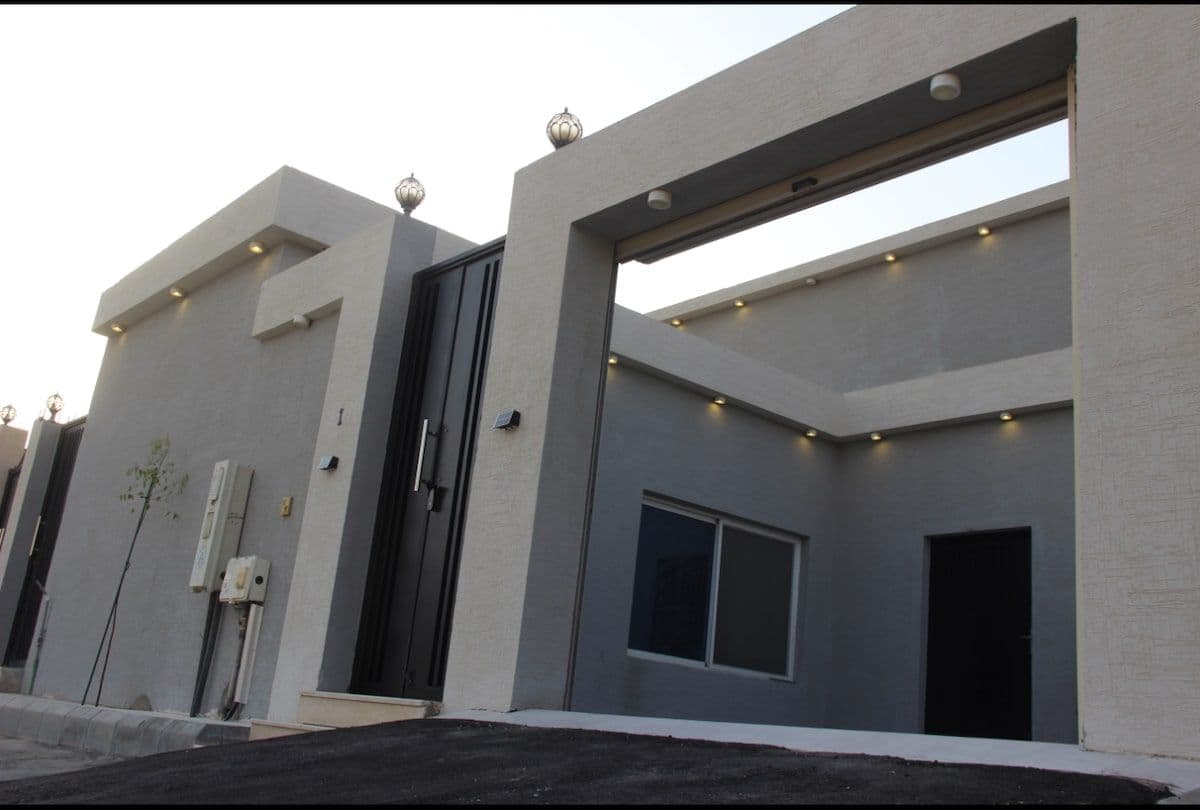
1. Holiday Rentals in Madinat Al Jafr Airbnb lists properties in the "Madinat Al Jafr" area. These are typically apartment-style rentals or guesthouses.
- Vibe: Private, spacious, kitchen available.
- Price Band: Varies, but typically mid-range for the region.
- Why it works: You have a kitchen. In a place where fresh dates and local produce are the staple, cooking for your kids is a lesson in itself. You are not stuck on a hotel menu. You can buy fresh seafood or Arabic coffee beans from the local market and prepare simple meals. The space allows kids to run, to be loud, to be themselves without a housekeeping staff judging the state of the carpet.
2. Lagona Serviced Apartments (Nearby Al Ahsa) Located in the wider Al Ahsa area, these serviced apartments offer a step up in infrastructure while maintaining a residential feel.
- Vibe: Modern, clean, self-catering.
- Price Band: Mid to upper-mid.
- Why it works: If you need a bit more polish but still want the freedom of a residence, this is the compromise. It is close enough to the oasis for day trips but offers the convenience of a well-managed building.
3. Al Ahsa InterContinental (Nearby Al Ahsa) The major international option in the region.
- Vibe: Standard international luxury.
- Price Band: High.
- Why it works: You choose this if you want a pool, a gym, and a spa. But be honest with yourself: you are paying for the brand and the amenities, not for the location. You will be driving back and forth to experience the actual place. It is a cage of comfort. Fine, if you want it. But do not confuse the lobby with the oasis.
The Real Itinerary
Do not overpack. You do not need a guidebook. You need a map and a sense of direction.
The Orchard Walk Start early, before the heat sets in. Walk into the date palm groves. Let the kids count the fronds. Let them touch the bark. The Al-Ahsa Oasis is the world's largest of its kind. The scale is hard to grasp until you are standing in the middle of it. The silence is broken only by the wind and the birds. This is a walk, not a "tour." The difference is that you set the pace. If the kids are tired, you stop. If they are curious, you follow the dirt path.
The Local Market Head to the market area in Al-Hofuf, the nearest major town, just 10 km away. This is where the local economy pulses. Look for the fresh dates. Taste them. They are sweet, dense, and different from the dried packs you buy in supermarkets back home. Buy a few. Eat them in the car on the drive back. The act of buying food, handing over cash, and receiving a nod from the vendor is a small, honest transaction. It is the last honest corner of the trip.
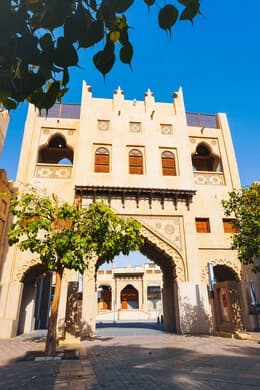
The Heritage Sites If you have energy to spare, look at the nearby heritage sites. Ibrahim Palace and Qaisariya Market are named landmarks in the Al-Ahsa region. They sit just outside Al Jafr village, but they are close enough for a short drive. Qaisariya Market is a good place to see the architecture of the past. The structure still breathes; it is a living piece of history, not a static museum exhibit. Let the kids run their hands on the walls. Feel the texture of the stone. It is a reminder that this place has been lived in for centuries, long before the first highway was paved.
Practical Detail
Getting There There is no dedicated Al-Jafr train station. Saudi Arabia Railways (SAR) operates a North–East network, but Al Jafr is not a stop. You will fly into Dammam or Bahrain and drive. The drive from Dammam to Al Jafr is manageable. Expect around 10 km from Al-Hofuf to the village. The roads are good, but the landscape is open. Keep your eyes on the horizon.
Money Bring cash. Small bills. The local market operates on cash. You will not find a card terminal in every date stall. Saudi Riyals (SAR) are the currency. Exchange your money in Al-Hofuf or Dammam before you head out.
Timing The best time to visit is the date harvest season, which peaks in the summer. Yes, it is hot. But the orchards are full. The trees are heavy with fruit. The air smells of sweetness. If you go in the winter, it is cooler, but the trees are bare. You are choosing between comfort and spectacle. For a family trip, the spectacle wins. Pack light clothing. Bring water. More water than you think you need.
Language Arabic is the local language. English is spoken in the hotels and main towns, but not in the village. Learn a few words. "Ahlan" (welcome). "Shukran" (thank you). It goes a long way. It shows you are not just passing through. You are there.
When to Go
National Day Holiday — 2026-09-23 This is in about two weeks. Expect higher demand and surge pricing. If you are going now, book immediately. The village is small. The rentals are limited. Do not wait for the "perfect" price. There is no perfect price. There is only "booked" and "not booked."
Founding Day Holiday — 2027-02-22 This is about six months away. It is a major holiday. Expect crowds in Al-Hofuf and Dammam. Al Jafr will be quieter, but the roads will be busy. Book your rental early.
Eid al-Fitr Holiday (estimated) — 2027-03-09 to 2027-03-12 A four-day holiday. This is a peak travel time. Families will be moving. The oasis will be full of people. If you want solitude, avoid this window. If you want energy, go.
Who It Is For This is for families who want to see the world, not just a version of it. It is for parents who want their kids to touch the dirt, taste the fruit, and understand where food comes from. It is not for families who need a kids' club, a pool, and a daily activity schedule. If you need those things, go to a resort. If you want to live in the place, go to Al Jafr.
Stay for three days. Two is too short to settle in. Four is too long to stay in a rental without washing clothes. Three days is the sweet spot. You arrive, you settle, you explore, you leave. Clean. Honest. Done.
FAQ
Do I need a visa to enter Saudi Arabia? Yes. Most nationalities require a visa. You can often get an e-visa online. Check the official Saudi government website for the latest requirements. Do not assume your passport is enough.
Is Al Jafr safe for families? Yes. It is a small, quiet village. The population is around 9,710. It is a residential area, not a tourist trap. The streets are calm. The people are local. It is as safe as any other small town in the region.
What should I pack? Light clothes. Comfortable shoes. A hat. Sunscreen. Water bottles. A power bank. A small first-aid kit. Do not overpack. You are not going on a cruise. You are going to a village. Bring what you need, not what you want.