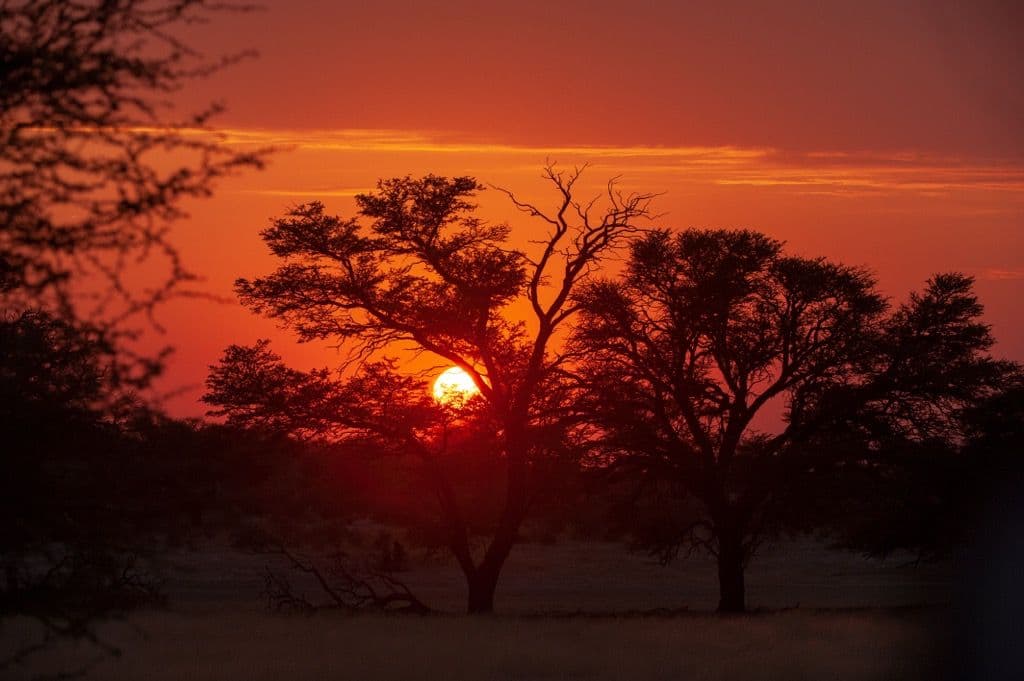
Escape the lowveld heat. At 1,139 m in the Kgalagadi, Kang offers cooler nights and direct access to the Kgalagadi Transfrontier Park.
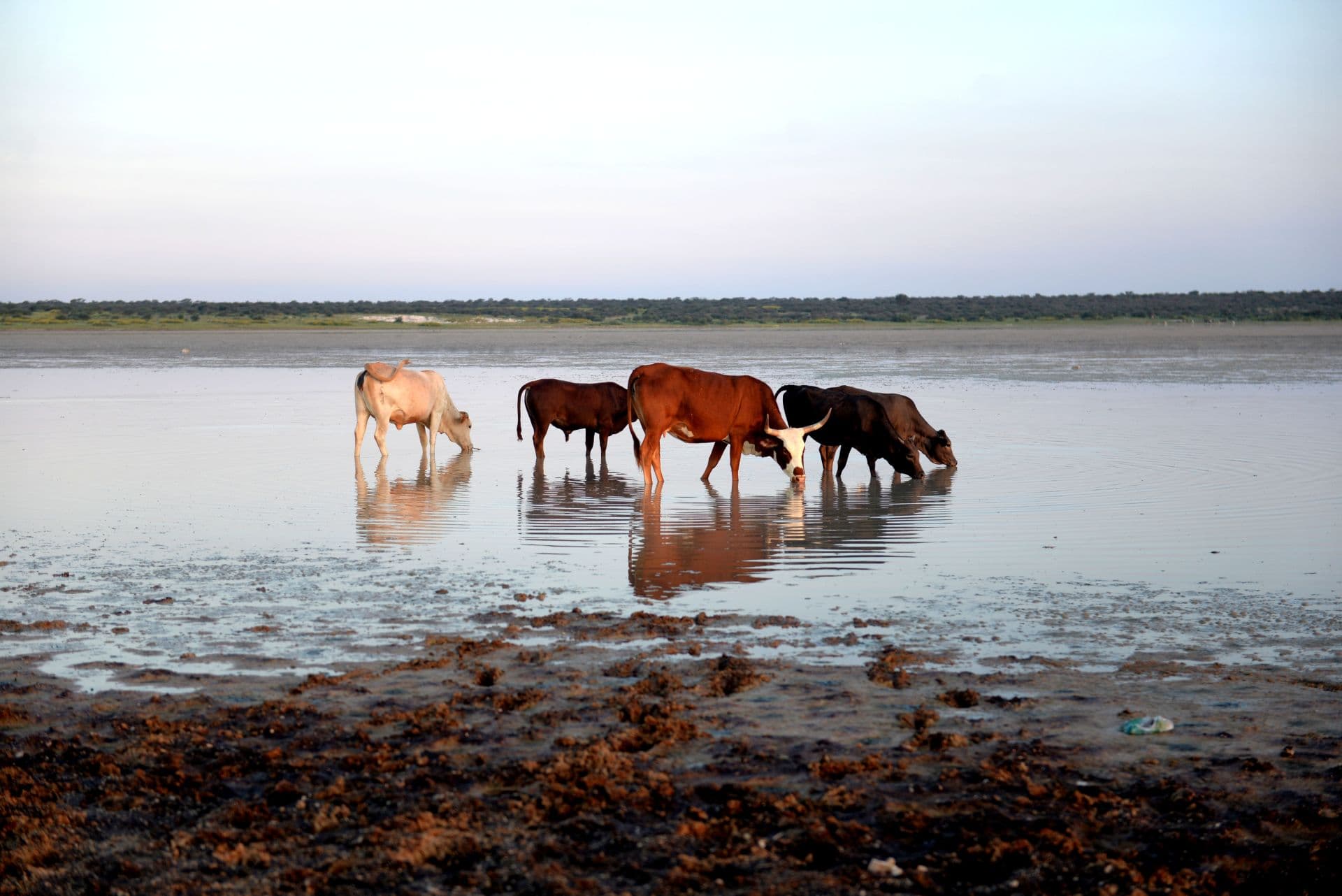
The thermometer in Gaborone often hits 35°C during the summer months, but in Kang, the air feels different. Sitting at an elevation of approximately 1,139 metres, this village in Botswana’s Kgalagadi District benefits from the thinning atmosphere of the high plateau. It is a subtle but significant shift for travelers seeking relief from the intense heat of the lowlands. With a population of 6,764 according to the 2022 census, Kang is small enough to feel quiet yet growing rapidly enough to offer basic amenities like groceries and dining options. For those looking for a "mountain" experience in a country defined largely by flat savannah, Kang provides a unique high-altitude vantage point without the trekking demands of true alpine regions.
Where to Stay
Accommodation in Kang is limited, which suits its role as a rest stop rather than a destination resort. The most prominent option is the Kang Ultra Stop, a three-star property located on Plot #106 of the Trans Kalahari Highway. It is designed with business travelers and long-haul drivers in mind, offering free WiFi, free parking, and an outdoor pool—a welcome respite after a long drive. Nightly rates here typically fall within the mid-range bracket for Botswana, making it accessible for independent travelers.
For those preferring a more rustic experience, the village itself offers guesthouse-style options, though specific names outside of the Ultra Stop are not widely documented in major international booking platforms. The area also hosts a Botswana Tourism Office presence, which can assist with local recommendations. If you are traveling further afield, the proximity to the Kgalagadi Transfrontier Park means many visitors choose to base themselves in Kang before heading into the reserve. Lodging prices in this tier generally range from 300 to 600 Pula per night, depending on the season and availability.
Getting There and Around
Reaching Kang requires a commitment to the road. The Trans Kalahari Highway runs directly through the village, serving as the primary artery connecting the interior to the coast. There is no railway line or station serving Kang; all travel is by road. From the capital, Gaborone, the journey covers roughly 384 to 398 kilometres. By car, this trip takes approximately four hours, offering a straightforward drive through the arid landscape of the Kgalagadi.
Public transport exists but is less frequent. Bus services operate between Gaborone and Kang, with fares starting around $32 USD for a one-way ticket. While cheaper than hiring a vehicle, the bus schedule is not as rigid as urban transit, so flexibility is key. Once in Kang, the village is compact enough to walk, but a vehicle is essential for exploring the surrounding districts. Renting a car in Gaborone and driving up is the most common strategy for tourists, allowing you to control your timing and stop along the highway at scenic points.
Exploring the Kgalagadi
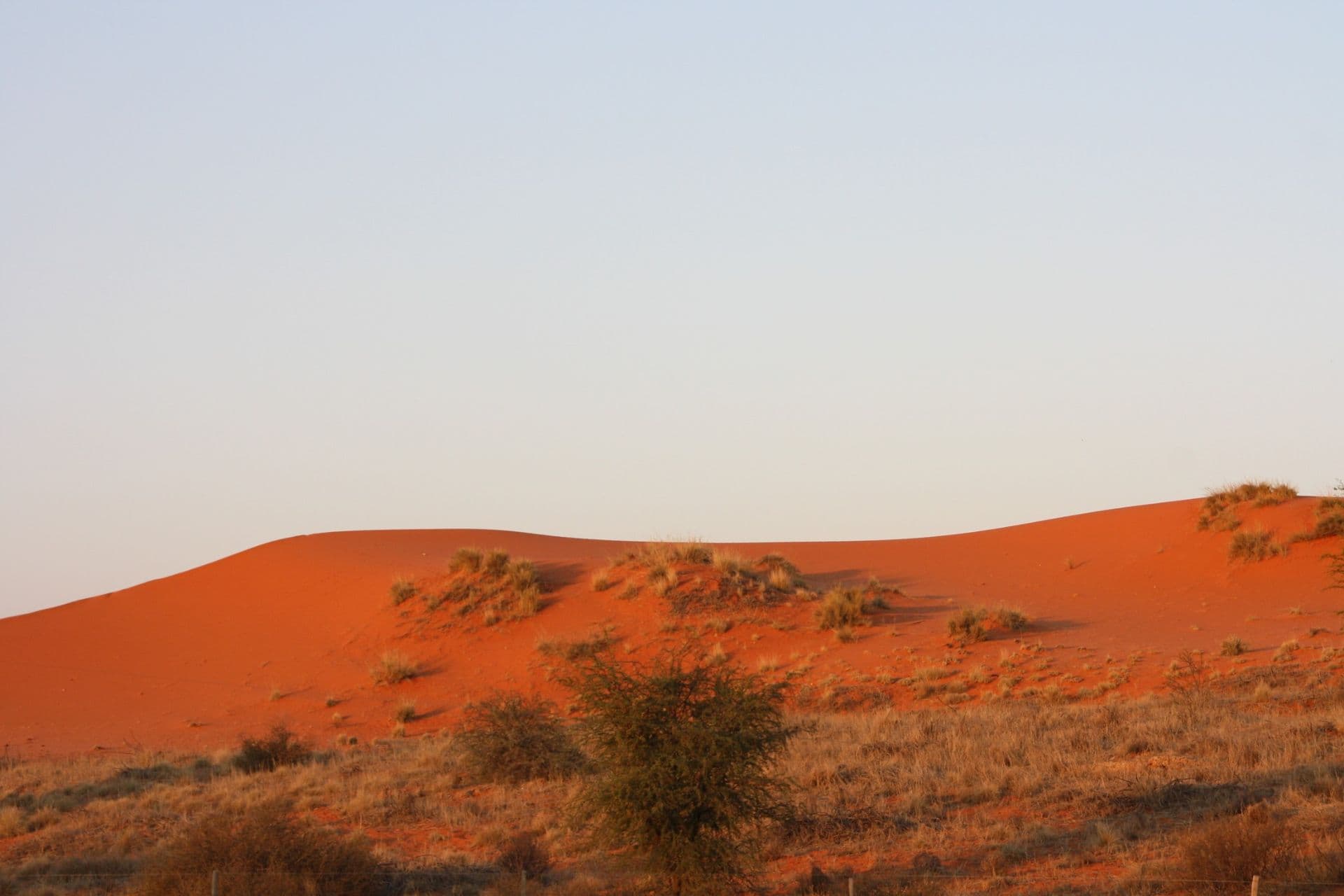
While Kang itself is a village, its value lies in its gateway status to the larger Kgalagadi Transfrontier Park. Created in 2000, this massive protected area merges South African and Botswana national parks, offering vast stretches of desert wilderness. The park is renowned for its black-maned lions, cheetahs, and other big cats, as well as a diverse array of bird species. It provides a stark contrast to the green lowlands of northern Botswana, featuring red sand dunes and dry riverbeds.
The landscape around Kang is dominated by dry riverbeds and sparse acacia trees. The elevation gives the area a cooler climate, particularly in the evenings. Days can be very hot in the summer, but nights drop significantly, sometimes approaching freezing in the winter months. This temperature swing means packing layers is essential, even in the heart of the dry season. The Botswana Tourism Office in the area can provide updated information on park entry fees and guided tours, ensuring you have the latest details on access and conservation efforts.
Food and Local Life
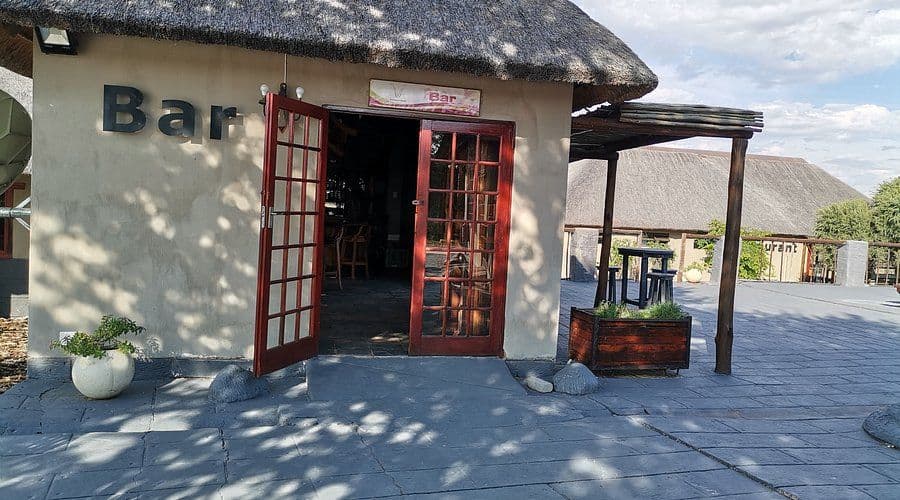
Specific local dishes unique to Kang are not well-documented in international culinary guides, reflecting its size and function as a transit hub. However, the village does have a restaurant and grocery store, ensuring that travelers can find basic meals and supplies. Expect standard South African and Botswana fare: grilled meats, pap (maize porridge), and simple vegetable sides. Prices for a meal here are modest compared to city centers in Gaborone or Francistown.
The local culture is influenced by the San people, the indigenous group of the region, and the broader Setswana-speaking community. While the village is small, it serves as a point of cultural exchange for travelers moving between the north and south of the country. Engaging with locals in the few shops and eateries can provide insights into the rhythms of life in the Kgalagadi, far removed from the tourist circuits of Chobe or Okavango.
When to Go
The best time to visit Kang depends on your tolerance for heat. The dry season, from May to September, offers the most comfortable conditions for wildlife viewing and outdoor activities. During this period, days are warm but manageable, while nights are cool. The summer months, November to March, bring intense heat and occasional rains, which can make roads dusty or muddy.
Upcoming holidays will affect availability and pricing. Botswana Independence Day falls on September 30, followed by a public holiday on October 1. If you plan to visit during this window, expect higher demand for accommodation in the Kgalagadi region. Booking several weeks in advance is advisable. For a quieter experience, aim for late June or early July. The Christmas period in December is also busy, with many families traveling across the country, so secure your lodging early if you plan to be there during the festive season.
Practical Tips
Currency in Botswana is the Pula (BWP). ATMs may be scarce in small villages like Kang, so it is wise to withdraw cash in Gaborone or Mahalapye before heading north. Credit cards are accepted at larger lodges like the Kang Ultra Stop but may not work at smaller local shops.
Safety is generally good, but standard precautions apply. Drive carefully on the Trans Kalahari Highway, as wildlife can cross the road unexpectedly. Carry plenty of water, especially during the hotter months. If you are planning a trip to the Kgalagadi Transfrontier Park, check the park’s operating hours and entry requirements beforehand, as they can change based on seasonal management practices.
FAQ
Is Kang safe for solo travelers? Yes, Kang is considered safe. It is a small, quiet village with a low crime rate. As with any remote area, it is best to stay aware of your surroundings and avoid walking alone at night.
Can I get fuel in Kang? There are fuel stations in Kang, but they may have limited hours or stock levels compared to cities. It is recommended to fill up in Mahalapye or Gaborone before the final leg of the journey.
What is the internet connectivity like? The Kang Ultra Stop offers free WiFi for guests. Mobile data coverage in the village is available but may be slower than in urban areas. Offline maps and downloaded content are recommended for navigation.