Capture the stark beauty of the island’s highest point and Ottoman-era ruins on Yemen’s largest Red Sea island, a remote dive destination for the truly adventurous.
The first thing you notice about Kamaran isn’t the heat, though the air is thick enough to chew. It’s the silence. At 22 square miles, this is the largest Yemeni island in the Red Sea, yet it feels smaller than a suburban parking lot because so little is here. You land on a poorly defined north–south runway, reported to be 1,800 metres long, which serves as the aerodrome for the village of Kamaran. There is no terminal, no check-in desk, and no bag claim. If you’re shooting, you pack light. The island is hot and dry, a landscape of sand, scrub, and stone that demands a lens that can handle high contrast without blowing out the highlights.
The High Point and the Cape
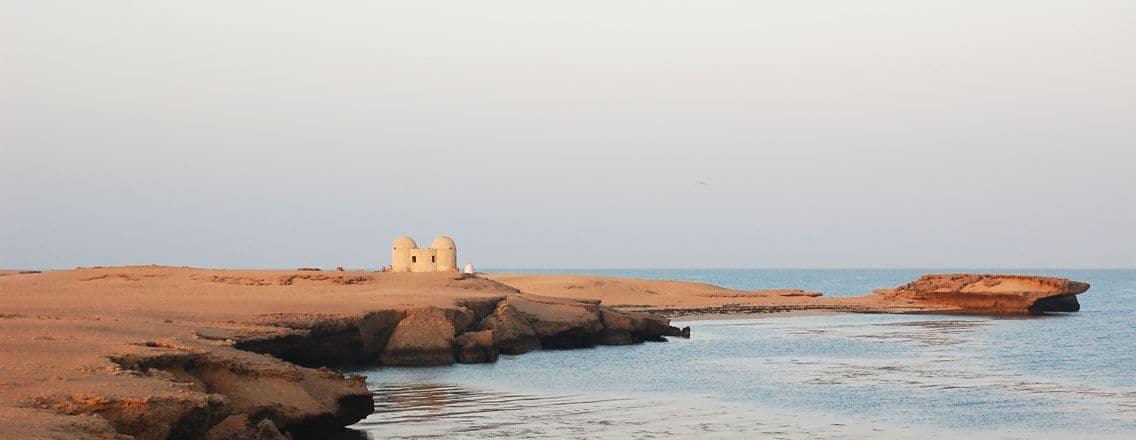
Your primary subject is the island’s highest point, a modest peak rising 24 metres above the sea level. Do not let the number fool you; on a flat island, that elevation commands the entire horizon. It sits roughly three kilometres from Ra’s al Yaman, the southeastern cape. The walk from the cape to the peak is a study in texture. The ground shifts from loose, sun-bleached sand to rocky scree, and the light changes as you ascend. At the top, the view is unobstructed. You can see the curvature of the Red Sea stretching out, the water a deep, opaque indigo that contrasts sharply with the pale, dry land.
For photography, the cape itself is a better composition than the peak. Ra’s al Yaman offers a natural frame where the land juts out into the water. The shadows here are long and sharp, especially in the late afternoon. If you are using a telephoto lens, compress the distance between the rocky foreground and the distant water to emphasize the isolation. The wind at the cape is constant, which means your sandbags or bean bags will be essential. Tripods will feel precarious unless you dig the legs into the loose soil. The scene is stark, almost monochromatic, relying on the interplay of grey stone and blue water rather than color.
Ruins and Historical Layers
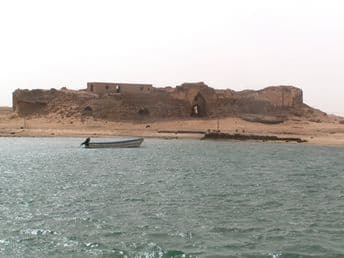
Kamaran is a palimpsest of human activity layered over its geology. The most significant structure for the photographer is the site of the Ottoman post office. It operated until 1915, and a sub-post office under Aden began in 1924. While the structure itself may not be a grand building, the historical weight is palpable. This is a place where empires touched the sand and left marks. When shooting these sites, avoid the center-frame composition. Place the ruins in the lower third, letting the vast, empty sky dominate the upper two-thirds. This emphasizes the smallness of human ambition against the scale of the landscape. The light here is harsh and unforgiving, so use a polarizer to cut the glare off the stone and enhance the blue of the sky behind the ruins.
The "decisive moment" disappears in this setting, replaced by the "decisive light." The ruins are best shot in the early morning when the sun is low, raking across the stonework to reveal the texture of the masonry. The shadows are deep, creating a graphic quality that suits black-and-white film or high-contrast digital processing.
The Lighthouse and the Coastline
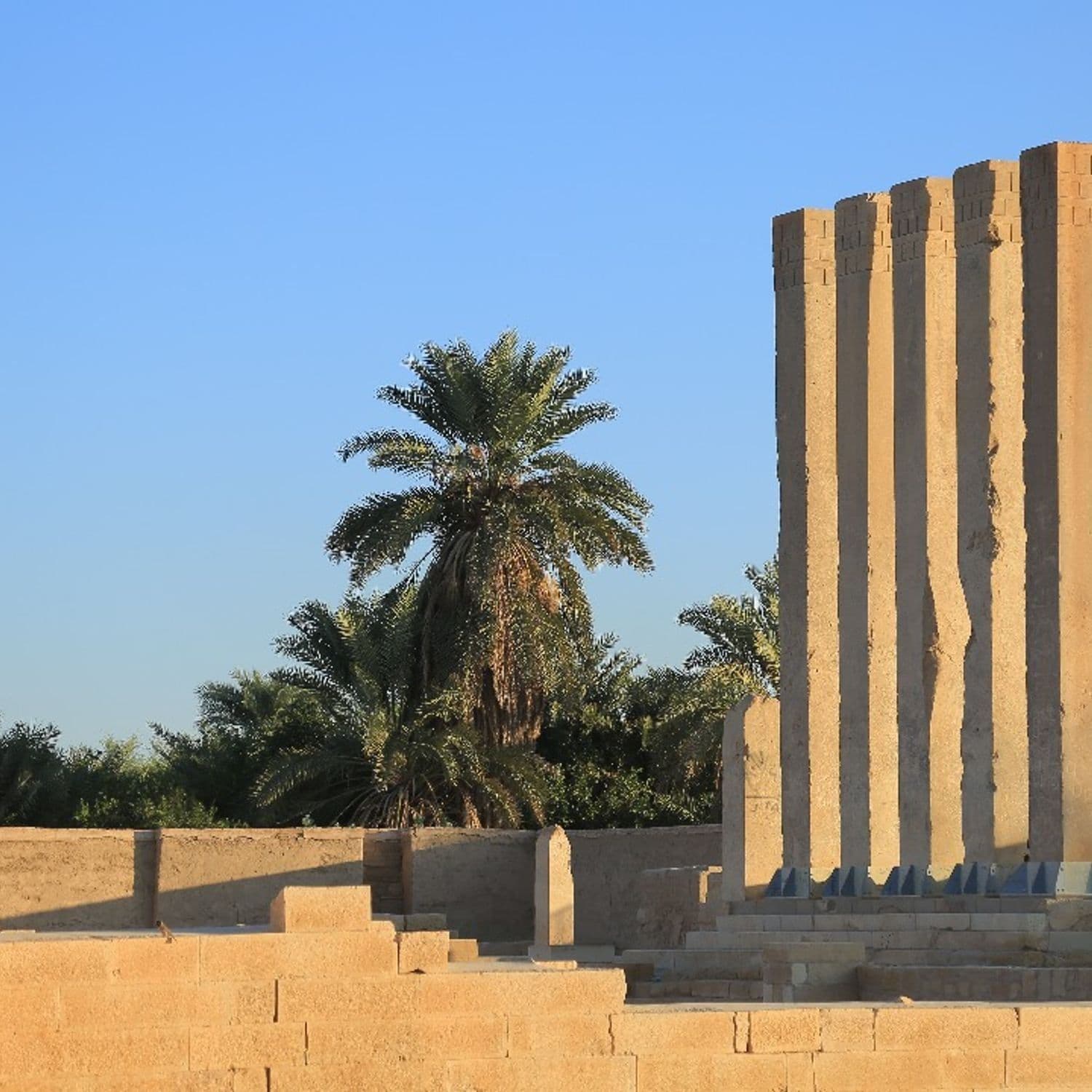
The lighthouse is a feature that anchors the island’s visual identity. It stands as a vertical element in a landscape that is otherwise horizontal. From a distance, it is a thin white line against the horizon. Up close, the paint is peeling, and the structure shows the wear of the elements. The lighthouse is a classic subject, but to make it interesting, you need context. Shoot it from the water if you have access to a boat, or from the rocky outcrops along the coast where the waves break. The movement of the water provides a dynamic element that contrasts with the stillness of the tower.
The coastline around Kamaran is rugged, with cliffs and rocky inlets. These are the spots where the light is most interesting. The water is clear enough for diving, which means the underwater world is a separate photographic universe. If you are a diver, the coral reefs and marine life offer a vibrant alternative to the dry, stark surface. Above water, the focus is on form and texture. The rocks are sculpted by wind and water, creating shapes that are almost abstract. Use a wide-angle lens to capture the scale of the cliffs and the smallness of the human figure against them.
Practical Logistics for the Shutterbug
Getting to Kamaran is a logistical challenge that requires planning. There is no railway line or station serving the island. The primary mode of transport is by boat from the Yemeni coast. The journey is described as unsafe and impractical under current conditions, and official advice likely warns against travel. If you are proceeding, you must be aware that access is limited and the infrastructure is minimal. The island is noted as interesting mainly for divers and remote-travel seekers, which means you are not going to find a bustling market or a hotel with a view.
The climate is very hot and dry. This affects your equipment as much as your comfort. Cameras can overheat in direct sunlight, so keep them in the shade when not in use. Lenses can fog up when moved from the cool interior of a building to the hot exterior, so allow them time to acclimate. Batteries drain faster in extreme heat, so bring more than you think you need. There are no specific local dishes confirmed for the island, so you will likely be eating simple, local food or bringing your own provisions. The lack of amenities means you must be self-sufficient. You are not a tourist in the traditional sense; you are a guest in a place that does not cater to visitors.
When to Go and Who It’s For
There are no holidays on record in the next six months, so the calendar is clear of major tourist influxes. The best time to visit is during the cooler months, though the island is hot and dry year-round. The light is best in the early morning and late afternoon, when the sun is lower and the shadows are softer. The midday sun is brutal, creating harsh contrasts that are difficult to manage without a graduated filter.
This destination is for the solo traveler, the diver, and the photographer who seeks isolation. It is not for families or those who expect comfort. You should plan to stay for at least two to three days to allow time for acclimatization and to capture the light at different times of day. The audience is small, mostly local fishers and occasional boaters, so you will have the island to yourself. This is a place for slow travel, where the pace is dictated by the sun and the tide.
Frequently Asked Questions
Is it safe to travel to Kamaran Island? Access is described as unsafe and impractical under current conditions. Official advice likely warns against travel. You must check the latest government travel advisories before planning any trip.
How do I get to Kamaran? There is no railway line or station. The island is reached by boat from the Yemeni coast or by landing at Kamaran Airport (KAM / OYAN), which has a poorly defined north–south runway reported to be 1,800 metres long.
What kind of camera gear should I bring? Bring a versatile kit with a wide-angle lens for landscapes and a telephoto lens for compressing distance. A polarizer is essential for cutting glare off the stone and water. Bring extra batteries, as the heat will drain them quickly.