At 2,000 meters, luxury is measured in warmth, not amenities. Here is how to navigate the limited high-end options in this fragile Himalayan gateway.
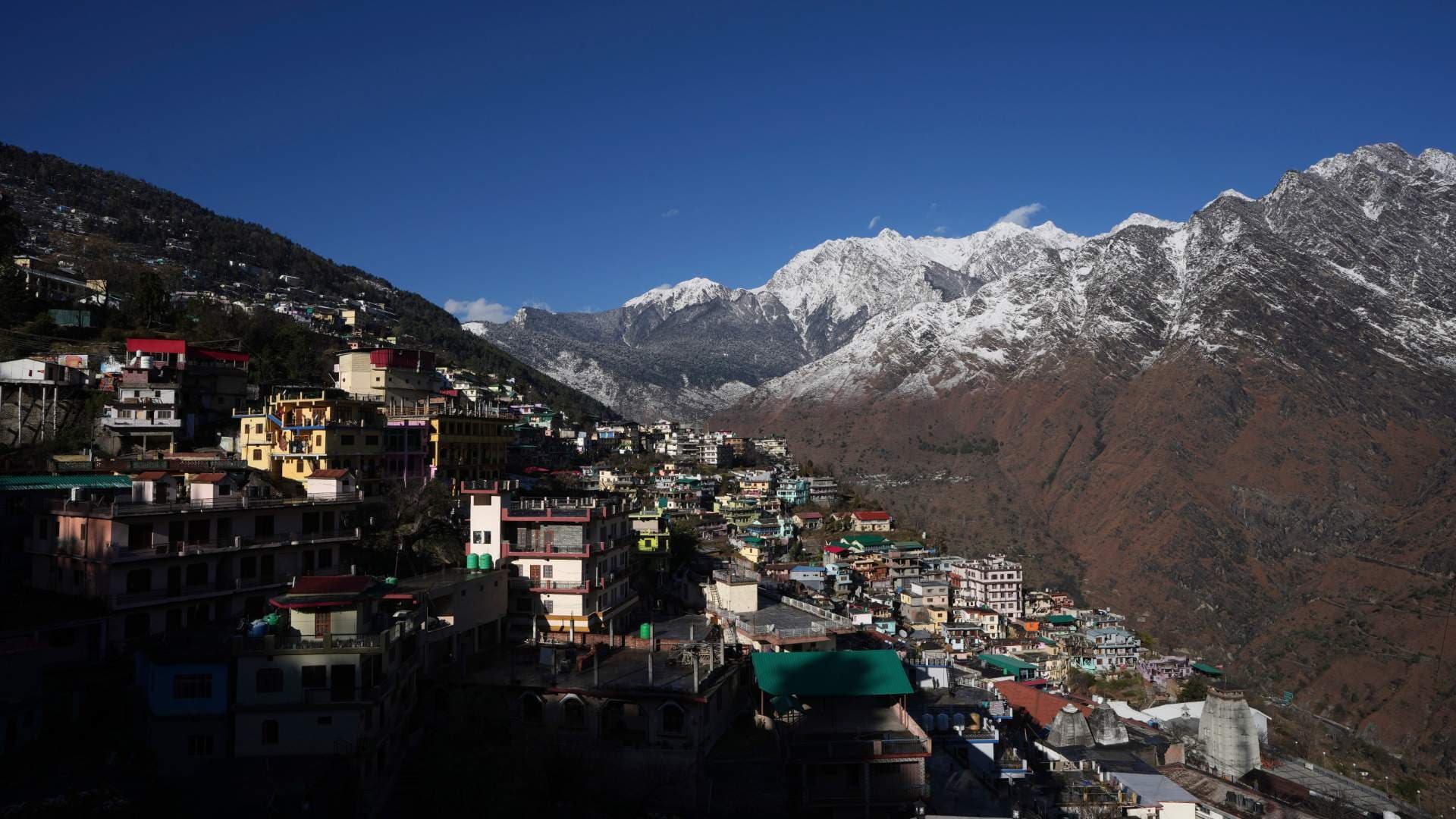
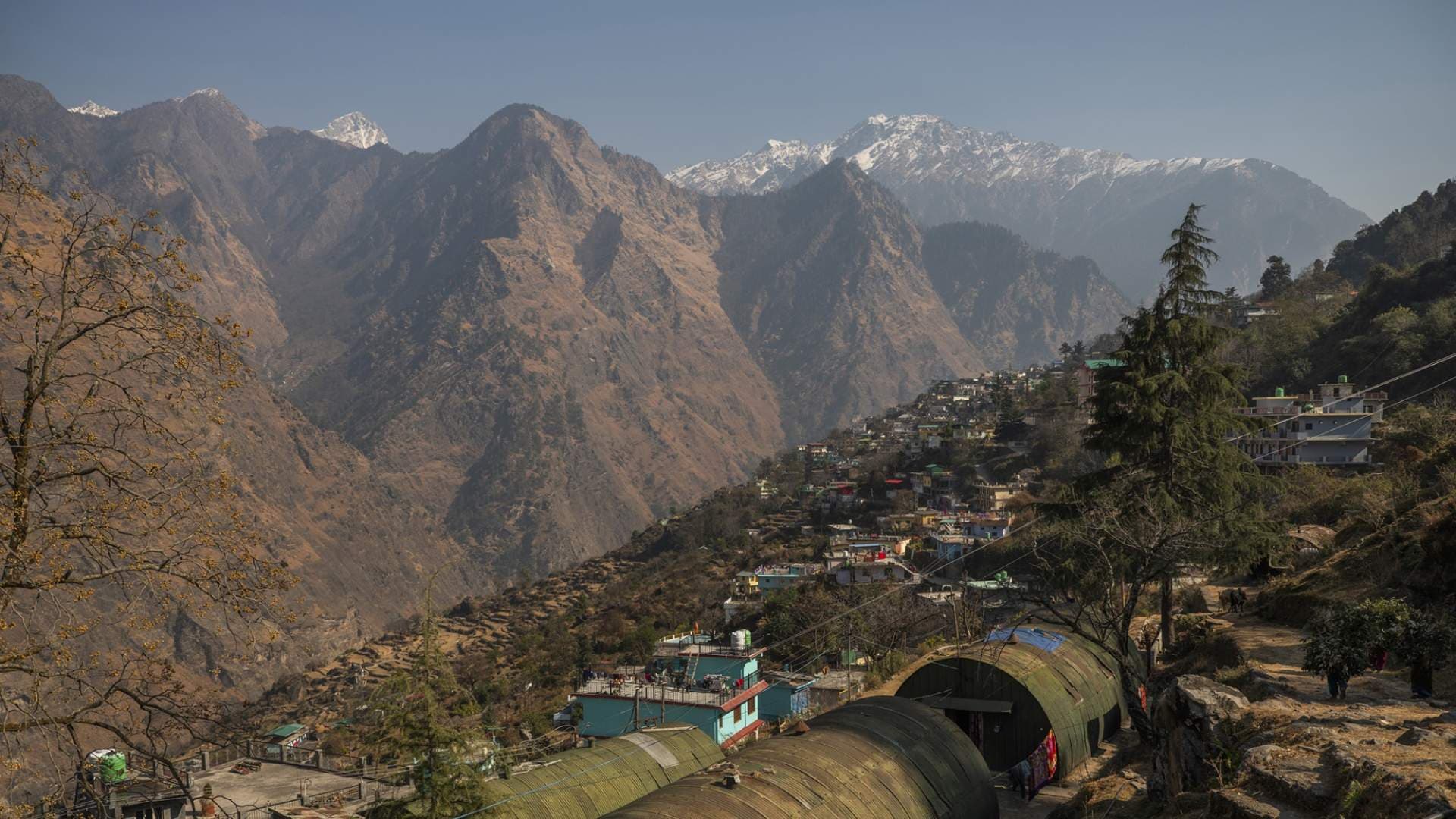
The thermometer reads 18 degrees Celsius on a July afternoon in Joshimath, Uttarakhand. The air is thin, the light hard. This is a town built on a geological fault line, serving as the base camp for the Badrinath pilgrimage. The absence of marble lobbies or heated pools is part of its character. The concept of a "five-star hotel" here is a technicality. There are very few properties that hold the formal five-star rating, and even fewer that operate year-round. For the traveler seeking comfort in this remote corner of the Chamoli district, the choice is binary: accept the austere reality of mid-range local stays, or seek out the handful of premium lodges that offer reliability in an unpredictable landscape.
The Reality of High-End Lodging
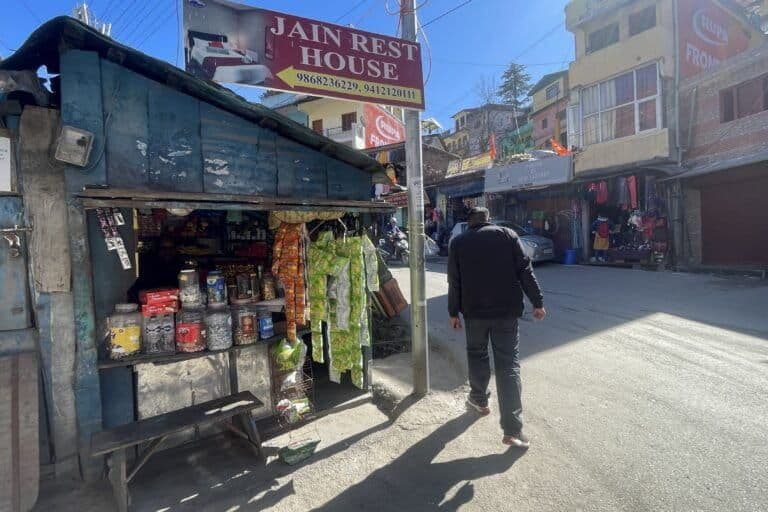
In Joshimath, the five-star category is sparse. Major global platforms like Agoda and Expedia list "five-star" filters for the region, but the actual inventory consists of a small cluster of well-appointed hotels and resorts rather than the sprawling international chains found in cities like Delhi or Mumbai. These properties are designed for resilience, not just opulence. They prioritize thick walls, consistent heating systems, and reliable power backup, because the infrastructure here is not as robust as in the plains.
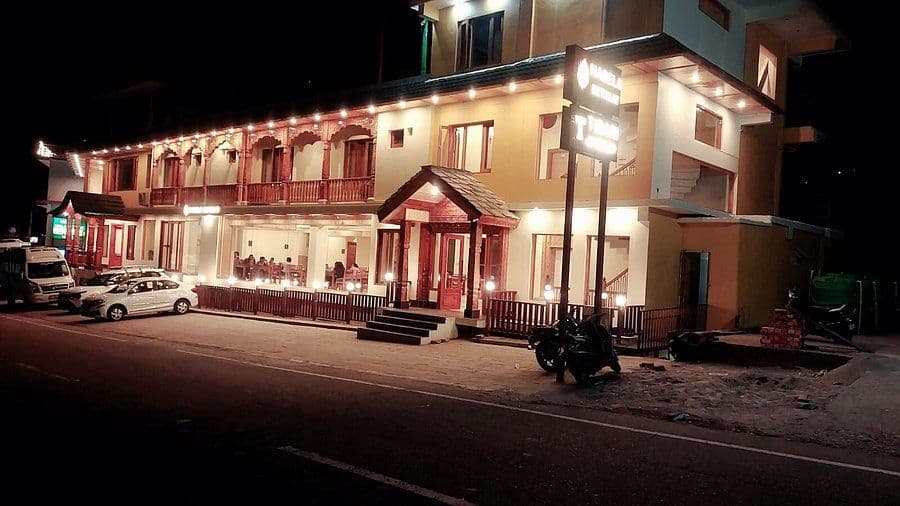
If you are looking for a specific named property, the options are limited. Most listings on TripAdvisor and other booking engines categorize the upper tier as "luxury" or "premium," often with rates starting significantly higher than the budget average, which hovers around a few dollars per night. The premium segment typically commands nightly rates that far exceed the local standard, depending on the season and availability. These hotels are generally located in the central town area, within walking distance of the main market and the bus stand. The differentiator lies in the consistency of service. In a town where water pressure can fluctuate and internet connectivity is intermittent, a hotel that guarantees both provides an experience that feels five-star.
Where to Stay
Since specific brand names for true five-star operations are scarce and often change management, the practical approach is to choose based on location and verified reviews rather than chasing a star rating label.
- Central Joshimath Town: This is the densest area for hospitality. Hotels here are closer to the main road connecting to Rishikesh. Prices in the upper-mid range offer private bathrooms, hot water, and attached rooms. The trade-off is proximity to traffic and less privacy.
- Auli Base Area: While technically a separate village up the valley, some travelers consider properties near the Auli cable car base as part of the broader Joshimath stay. These locations are quieter, further from the town center, and often offer better views. However, access is more dependent on the cable car operating schedule, which can halt due to wind or fog.
- Badrinath Roadside Resorts: Located along the road leading to the shrine, these properties cater primarily to pilgrims. They are functional and clean but rarely meet the aesthetic standards of a five-star urban hotel. Choose these only if your sole purpose is the temple visit and you prefer minimal travel time.
When booking, look for properties that explicitly mention "power backup" and "hot water 24/7." These are non-negotiable in the Himalayas. Most listed hotels on major platforms are refundable, which is a critical safety net given the weather-dependent nature of travel in this region.
Getting There: The Long Road
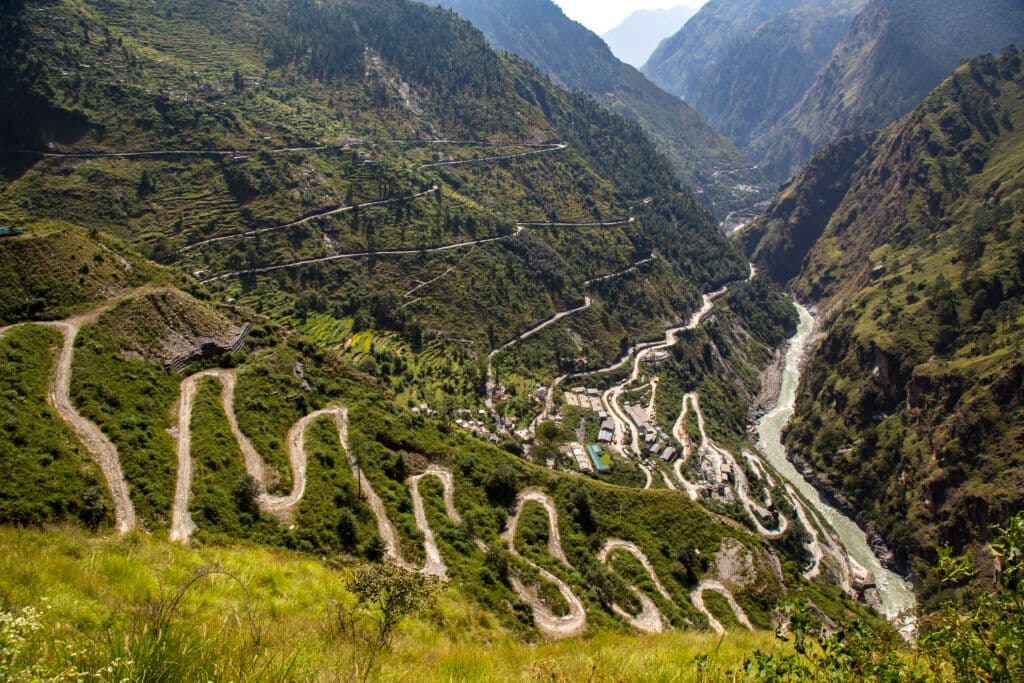
There is no airport in Joshimath. There is no train station. The town is accessible only by road. The nearest railhead is Rishikesh Railway Station, a major hub connected to Delhi and other northern Indian cities. From Rishikesh, the journey to Joshimath covers approximately 260 kilometers and takes eight to nine hours by car or bus. The route climbs through the Shivalik and Middle Himalayas, passing through dense forests and narrow gorges.
The drive demands endurance. The roads are winding, and visibility can drop quickly due to fog or monsoon rains, especially in late July and August. Shared taxis and state-run buses operate from Rishikesh, but schedules are irregular during the peak pilgrimage season. For those prioritizing comfort, hiring a private vehicle is advisable. The cost varies, but expect to pay a premium for the return leg if you do not arrange it in advance. The mountains do not yield easily.
Sustenance in the Hills
The food in Joshimath reflects the Kumaoni and Garhwali culinary traditions of Uttarakhand. It is hearty, simple, and designed to provide energy for physical exertion. The staple is Kafuli, a dish made from spinach and fenugreek leaves cooked in iron pots, often served with bhatt ki churani (black gram dal). Rice is the primary grain, accompanied by various dals and pickles.
Gastronomic experimentation is absent from the local menu. Many of the upper-tier hotels serve decent local cuisine. You will find thalis (platters) featuring dal, vegetables, and meat (for non-vegetarians) at moderate prices. Street food is limited but includes chutneys and papad. The focus is on sustenance. The menu is constrained by what can be transported to this elevation.
Timing Your Visit
Joshimath is a year-round destination, but the experience changes drastically with the seasons. Currently, in late July, the monsoon rains are active. Landslides are a risk on the approach roads, and fog can obscure the view of the Narsingh Temple, located about three kilometers from the town center. The temperature is mild, ranging from 10°C to 20°C, but humidity is high.
For the best conditions, March to May offers pleasant weather ideal for trekking, while December to February brings snowfall and colder temperatures (-3°C to 10°C), appealing to winter sports enthusiasts. However, many tourist facilities, including some hotels, may close or reduce services during the extreme winter months. The upcoming period sees Mawlid (estimated) on August 25, which may see increased religious activity, though Joshimath is primarily a Hindu pilgrimage site. Diwali in November will bring crowds to the temple, so booking accommodation early is essential if you plan to visit during that window.
Practical Questions
Is Joshimath safe for solo travelers? Yes, the town is generally safe. However, isolation can be an issue. Keep emergency numbers handy and inform someone of your itinerary. The rugged terrain means that in case of illness or injury, medical evacuation can be slow.
What is the best way to pay for services? Cash is king. ATMs are present in Joshimath but can run out of cash during peak seasons. Credit card acceptance is limited to a few upscale hotels. Carry sufficient INR in denominations suitable for daily expenses.
Can I drive my own car to Joshimath? Technically yes, but it is discouraged for inexperienced drivers. The roads are narrow, steep, and subject to landslides. Local taxis are safer and more familiar with the route conditions.