Swap the Parisian café noise for Mediterranean light. Hyères offers a 22-minute train ride to Toulon and three islands for your weekend reset.
The Commute That Doesn’t Ruin Your Day
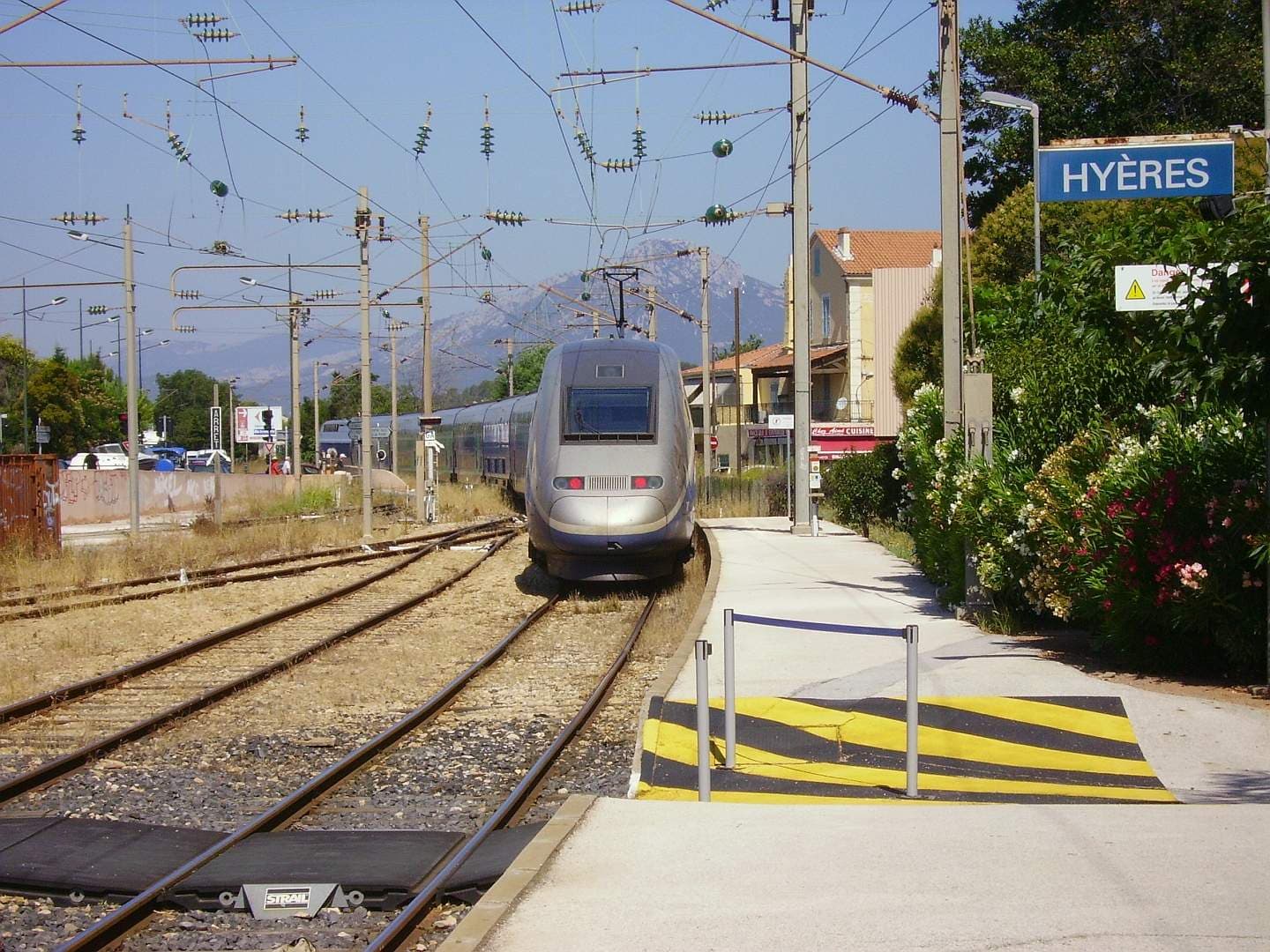
Most digital nomads in the south of France suffer from the "commute tax." You pick a pretty town, and then you spend forty minutes each way on a crowded bus that smells of diesel and wet wool. Hyères avoids this trap. It sits on the coast, just north of Toulon, and the direct TER train from Gare de Hyères to Gare de Toulon takes roughly 21 to 22 minutes. That is the length of a podcast episode. You can have your coffee, check your inbox, and be standing on the Toulon platform before the espresso has gone cold.
The fare is negligible—usually between €3 and €10 depending on the ticket type you buy. If you are tight on cash or just want to sit back and watch the coastline roll by, there is a line 103 bus service that runs the same route for about €2, though it takes closer to 35 minutes. For a remote worker, the train is the clear winner. It is fast, reliable, and it keeps your headspace clear. You are not a commuter here; you are a visitor who happens to have a laptop. The infrastructure supports a serious work week without the friction that makes other coastal towns feel like a weekend-only proposition.
The Islands: Your Weekend Reset Button
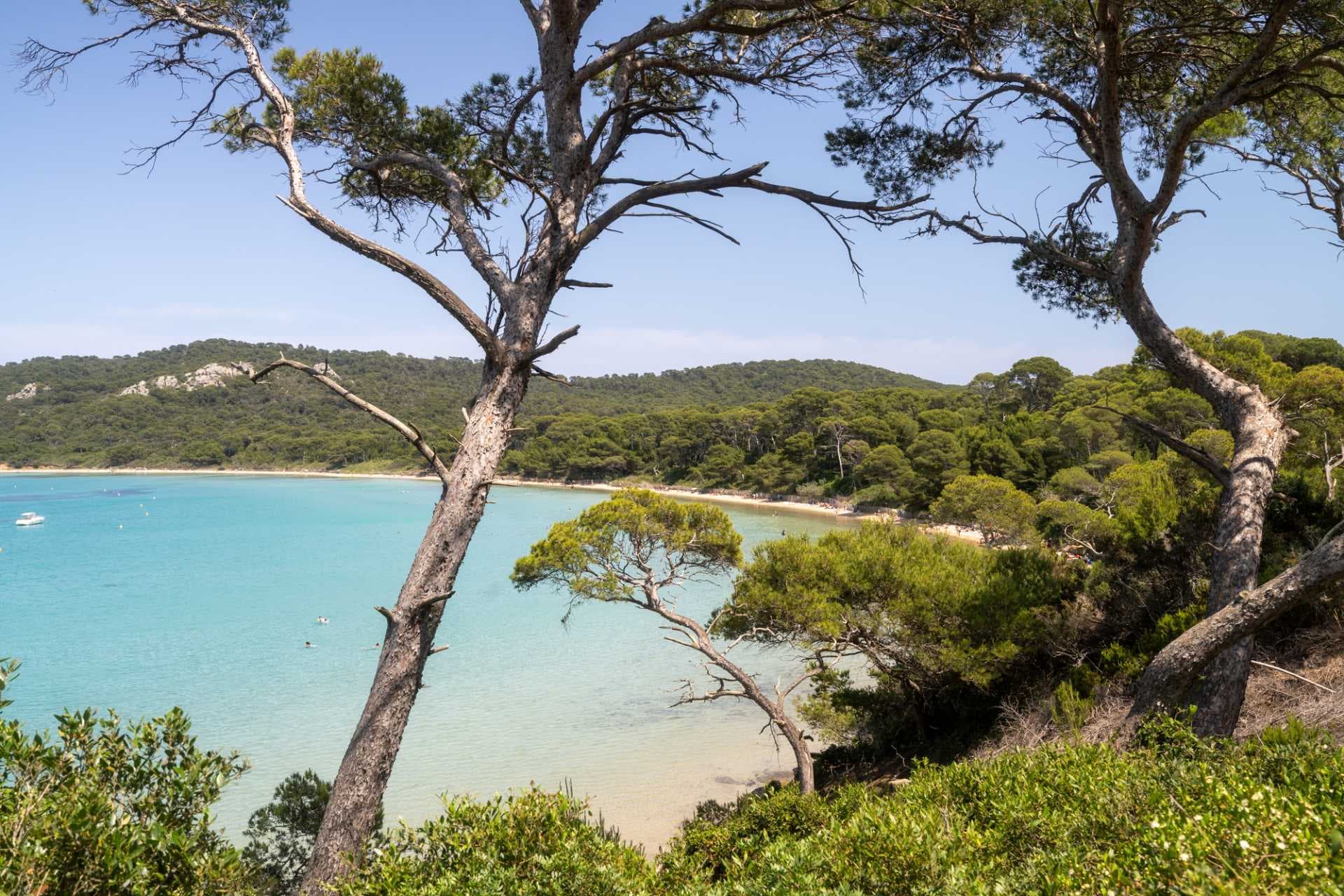
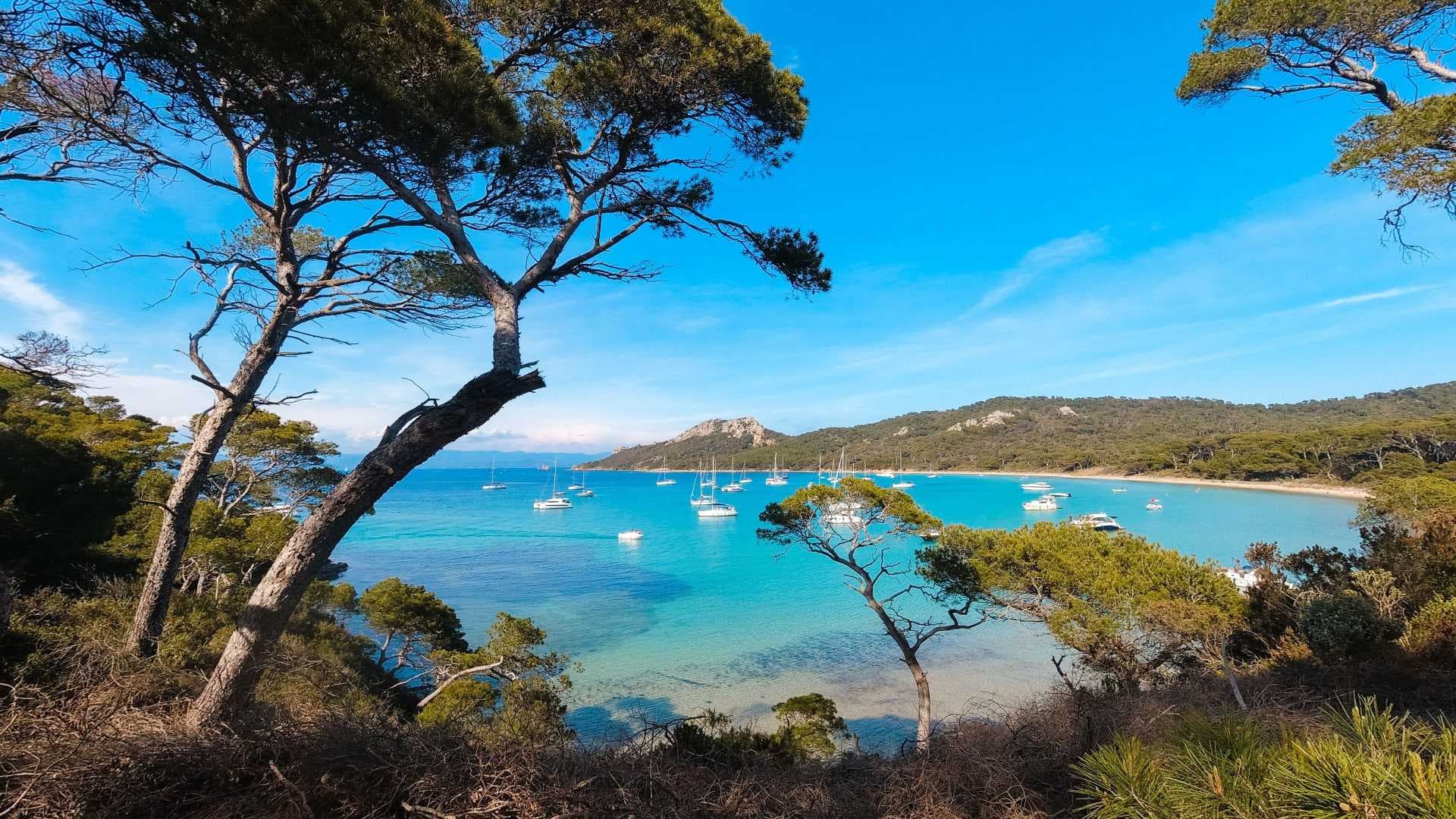
You cannot talk about working in Hyères without talking about the Îles d'Hyères. The town is the gateway to three islands: Porquerolles, Port-Cros, and Le Levant. They are often called the "îles d'or" or golden islands, and the name is not marketing fluff. The light on these islands is distinct. It hits the water and the stone in a way that changes your color palette for the rest of the week.
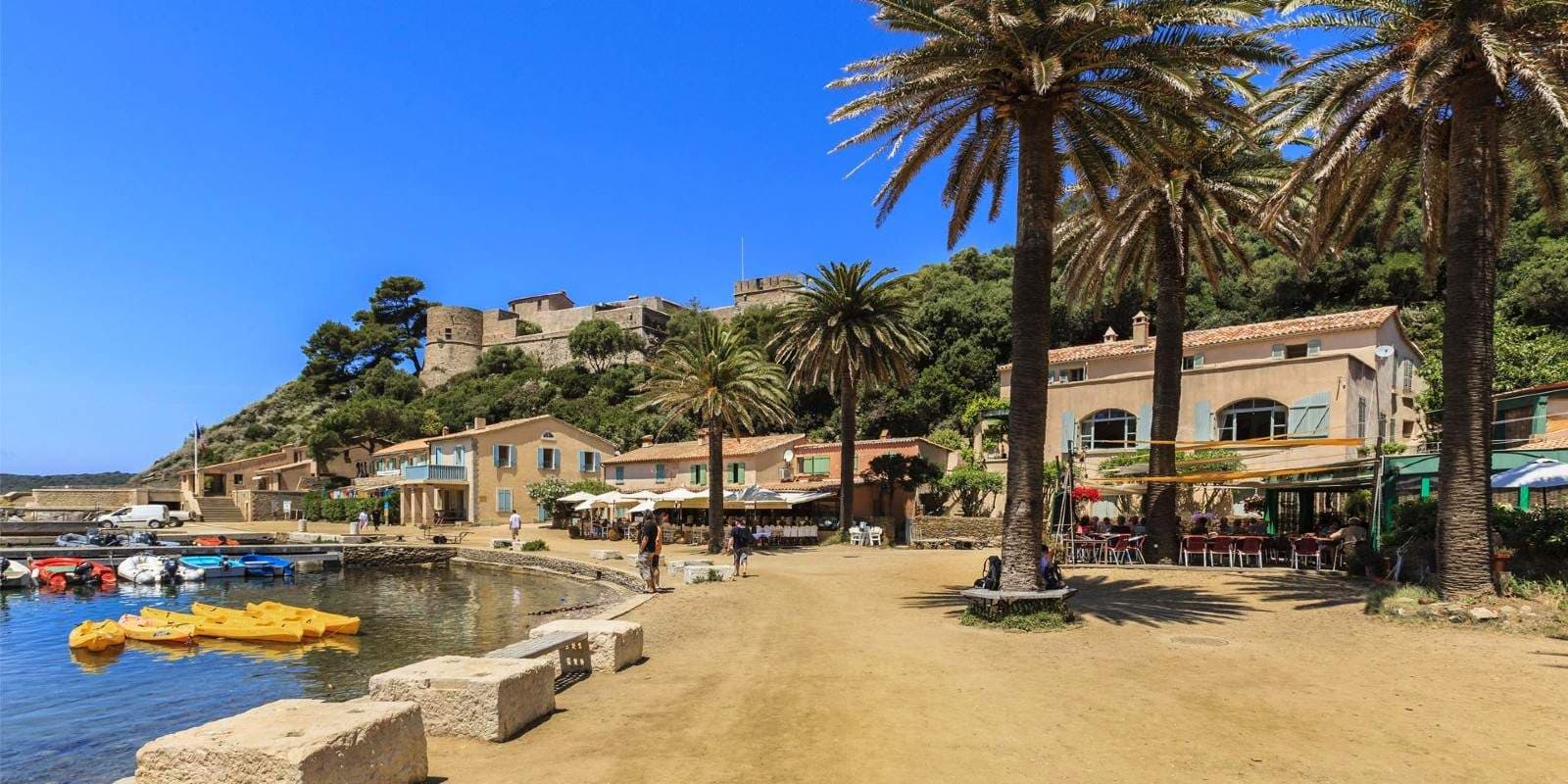
Porquerolles is the most popular, and for good reason. It is a car-free zone. You park your bike or walk from the port, and the air is cleaner. The island is famous for its pine forests and the Fort Saint-Agathe, a 17th-century defensive structure that looks out over the bay. It is a brutal hike to the top, but the view from the ramparts is the kind of thing that resets your mental state better than any meditation app. Port-Cros is wilder, denser with scrub, and quieter. Le Levant is the smallest and the least visited. If you are a designer or a creative who needs silence, go to Le Levant. The contrast between the buzz of the Hyères port and the silence of Le Levant is stark. You work in the city, you recharge on the rock. It is a simple, effective loop.
The Built Environment: Stone, Light, and Function
Hyères is a working port town shaped by its military history and trade. The architecture is functional, with a lot of limestone and a palette of whites, beiges, and terracotta. This is the aesthetic of the French Riviera, but stripped of the tourist gloss you get in Saint-Tropez. The buildings are sturdy, often with shuttered windows that protect against the strong southern sun.
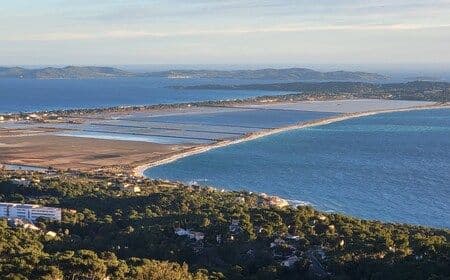
The Presqu'île de Giens, a peninsula extending south from the city, is a key area for lodging. It feels more residential and less commercial than the main town center. The streets here are wider, the air is saltier, and the light in the evening is softer. If you are staying for more than a few days, this is the area to look at. It offers a sense of scale and space that the dense old town lacks. The design language here is about utility and light. You are not looking for ornate facades; you are looking for a space that allows you to breathe. The quality of light in the late afternoon, when the sun hits the limestone facades, is exceptional for photography and general mood. It is a practical, beautiful place to live for a month.
Fuel: The Bouillabaisse Question
You will hear the word "bouillabaisse" constantly in Hyères. It is the signature dish of the region, a Provençal fish stew served with rouille and traditional garnishes. But as a remote worker, you are not eating a three-course meal every night. You need fuel. The local food scene leans heavily on fresh seafood and soupe de poisson, a simpler fish soup that is often more affordable and quicker to eat.
La Bouillabaisse is a well-known restaurant in the town, often cited by locals and visitors alike. It is a solid option for a Friday night treat. However, for your daily grind, look for the smaller fishmongers and casual eateries near the port. The seafood is fresh because it is landed right there. You do not need to dress up. A bowl of soup and a baguette is the standard working lunch. The food is simple, but the quality of the ingredients is high. You are eating the catch of the day, not a frozen import. This consistency is what makes Hyères sustainable as a work hub. You are not spending half your budget on dinner; you are eating well for a reasonable price.
When to Go and Who It’s For
The best time to work in Hyères is the shoulder season: late spring (May–June) and early autumn (September–October). The summer months are hot, and the islands get crowded. In autumn, the light is still strong, but the crowds have thinned. The air is cooler, and the pine forests on the islands turn a deeper green.
The upcoming holiday calendar is important for planning. All Saints’ Day is on November 1, 2026. Expect higher demand for accommodation and ferry tickets to the islands in the week leading up to it. Book early if you are staying around that date. Armistice Day follows on November 11. After that, the town settles into a quieter rhythm. This is the ideal window for a long-stay remote worker. You avoid the peak summer chaos but still get the Mediterranean climate.
This is a hub for solo travelers and couples who value independence. Hyères is a place to work, walk, swim, and eat well. If you are looking for a nightlife scene, look elsewhere. If you are looking for a place where the infrastructure supports a productive week and the weekend offers a genuine escape, Hyères is one of the few spots on the coast that delivers both without compromise.
Practical FAQ
How do I get to Hyères from the airport? Fly into Marseille or Toulon. From Toulon, the train to Hyères is the most direct option. It takes about 22 minutes and costs less than €10. It is far more efficient than a taxi or bus.
Is it safe for remote workers? Yes. Hyères is a standard French coastal town. It is generally safe, with low rates of violent crime. As with any popular destination, be mindful of your belongings in crowded tourist areas, but the residential zones on the Presqu'île de Giens are quiet and secure.
Can I get a work visa through Hyères? No. Hyères is a city, not a visa jurisdiction. You must apply for a long-stay visa or the French "talent pass" (for remote workers) through the French consulate in your home country. Your location within France does not change the visa requirements.