Spring in the Pacific offers a specific kind of clarity for the traveler seeking solitude. In Ulimang, the administrative capital of Ngaraard State in the Republic of Palau, the dry season is firmly established. The humidity, often oppressive in the summer months, has receded enough to make trekking through the dense, volcanic-tinged rainforests a manageable and deeply rewarding endeavor. For hiking enthusiasts, this small island nation provides a landscape defined by ancient limestone karsts, vibrant coral reefs visible from coastal paths, and a silence that is broken only by the calls of endemic birds.
Ulimang sits at just 11 meters above sea level, serving as the gateway to a rugged interior that rises sharply from the coast. The trails here are not marked by manicured signage or frequent ranger stations. Instead, they demand preparation, respect for local customs, and a willingness to navigate terrain that has remained largely unchanged for centuries. This guide outlines how to approach hiking in this remote corner of Palau safely and responsibly during the spring months.
The Landscape of Ngaraard State
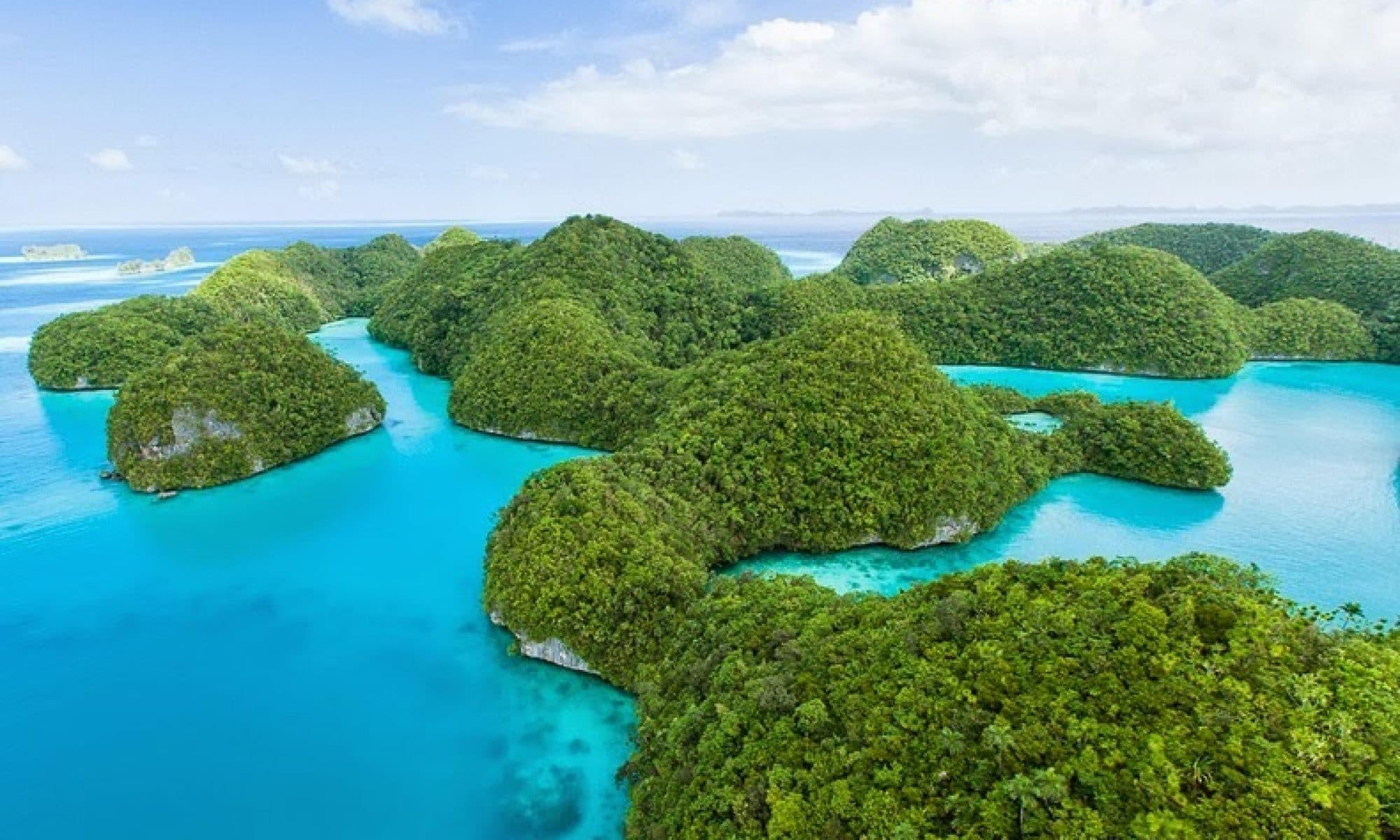
The terrain surrounding Ulimang is characterized by steep, jagged limestone formations that pierce through a canopy of tropical vegetation. Ngaraard State is one of the largest states in Palau by area, yet it remains one of the least populated. This demographic reality ensures that trails remain quiet and free from the congestion found in more tourist-heavy islands like Koror or Babeldaob’s main tourist circuits. The vegetation is thick, consisting of broad-leafed tropical trees, ferns, and creeping vines that cling to the porous rock faces.
Spring, spanning March through May, provides the most stable weather conditions for exploration. Average temperatures hover around 28°C (82°F), with lower humidity levels compared to the monsoon season. Rainfall is less frequent, meaning mudslides are rare and trail conditions are firmer. However, the tropical sun remains intense. Hikers should expect high UV indices and plan their treks to begin early in the morning, ideally before 9:00 AM, to avoid the peak heat of the midday sun. The light in the morning filters through the canopy in dappled patterns, illuminating the intricate textures of the limestone and the vibrant green of the understory.
Essential Preparation and Gear
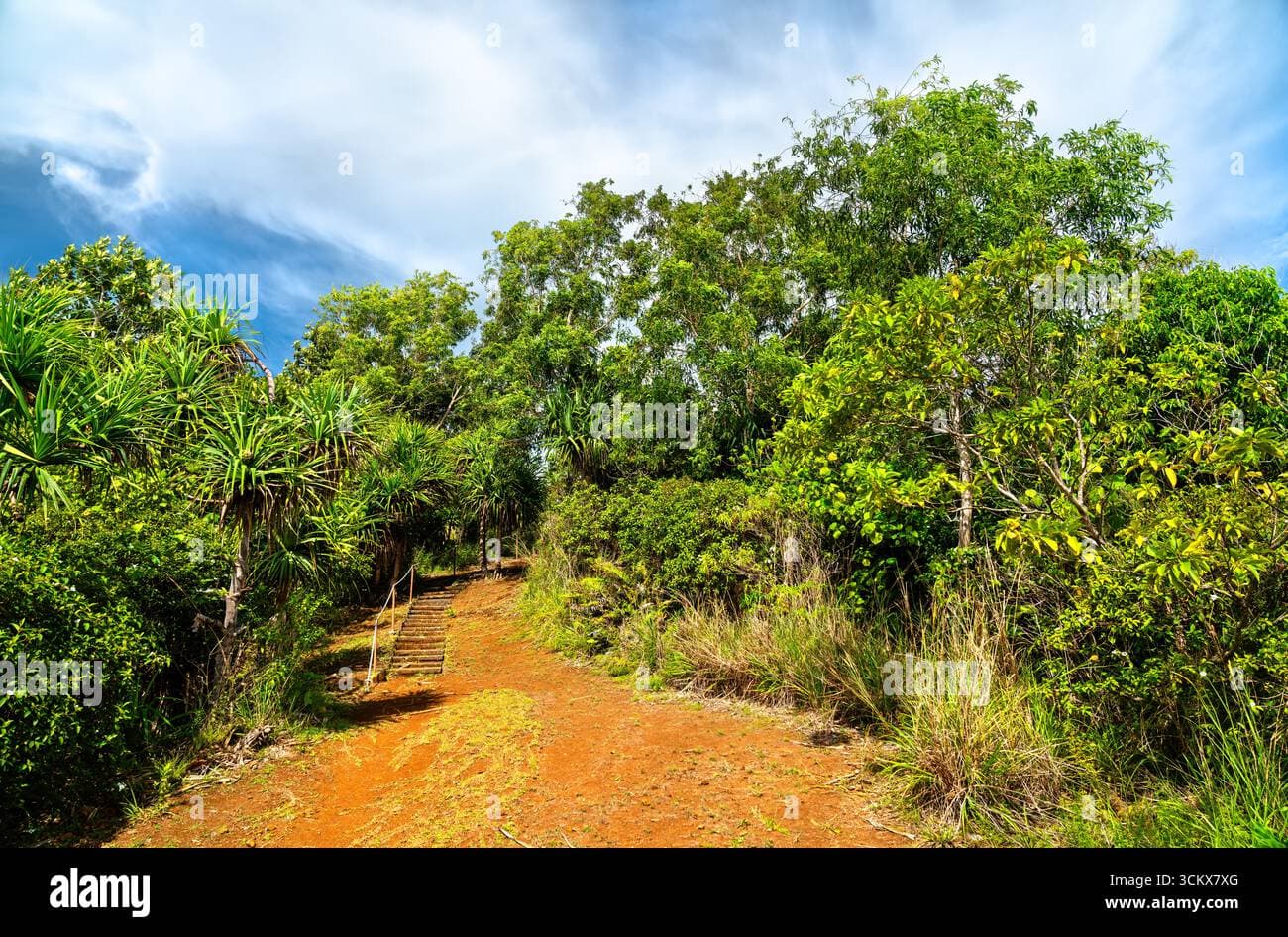
Preparation is paramount in Ulimang. Unlike established national parks in larger countries, Palau’s trails require self-sufficiency. There are no vending machines or emergency shelters along the routes. A comprehensive packing list is essential for a safe and enjoyable experience.
- Footwear: Sturdy hiking boots with aggressive tread are non-negotiable. The limestone can be slippery when wet, and the roots of tropical trees create uneven, tripping hazards. Trail runners may suffice for shorter, drier paths, but boots provide necessary ankle support on steeper inclines.
- Hydration: Carry at least 2–3 liters of water per person for a half-day hike. There are no potable water sources on the trails. Dehydration can set in quickly in the tropical heat, even in the shade.
- Insect Protection: Long sleeves and pants made of breathable, quick-dry fabric are recommended. Treat clothing with permethrin and use EPA-approved insect repellent containing DEET or picaridin. Mosquitoes and sandflies are active, particularly in low-lying areas near the coast.
- Navigation: GPS devices or offline maps are crucial. Cell service is spotty in Ngaraard State, and trails are not always clearly marked. A physical map and compass serve as reliable backups.
- Sun Protection: A wide-brimmed hat, UV-protection sunglasses, and reef-safe sunscreen are essential. The reflection off the limestone can intensify sun exposure.
Trail Etiquette and Local Customs

Palau has a strong cultural emphasis on respect for nature and community. The concept of Beltul el Angel Belau (Palau Pledge) is not just a tourist formality but a reflection of local values. When hiking in Ulimang and the surrounding Ngaraard State, visitors are expected to adhere to strict environmental and cultural guidelines.
Do not remove any natural items, including rocks, shells, or plants. The ecosystem is fragile, and the limestone formations are culturally significant to the Palauan people. Stay on established paths to minimize erosion and protect the root systems of native trees. If you encounter local residents, a simple greeting in Palauan, such as "Ablel" (hello), is appreciated. The people of Ulimang are known for their hospitality, but privacy is also valued. Avoid photographing individuals without permission.
Additionally, be mindful of sacred sites. Some areas within the state may have cultural restrictions. If a sign indicates a restricted area, or if a local guides you away from a specific spot, comply immediately. These areas may be burial grounds or sites of spiritual significance. Respect for these boundaries is a critical component of responsible travel in Palau.
Safety Considerations for Remote Hiking
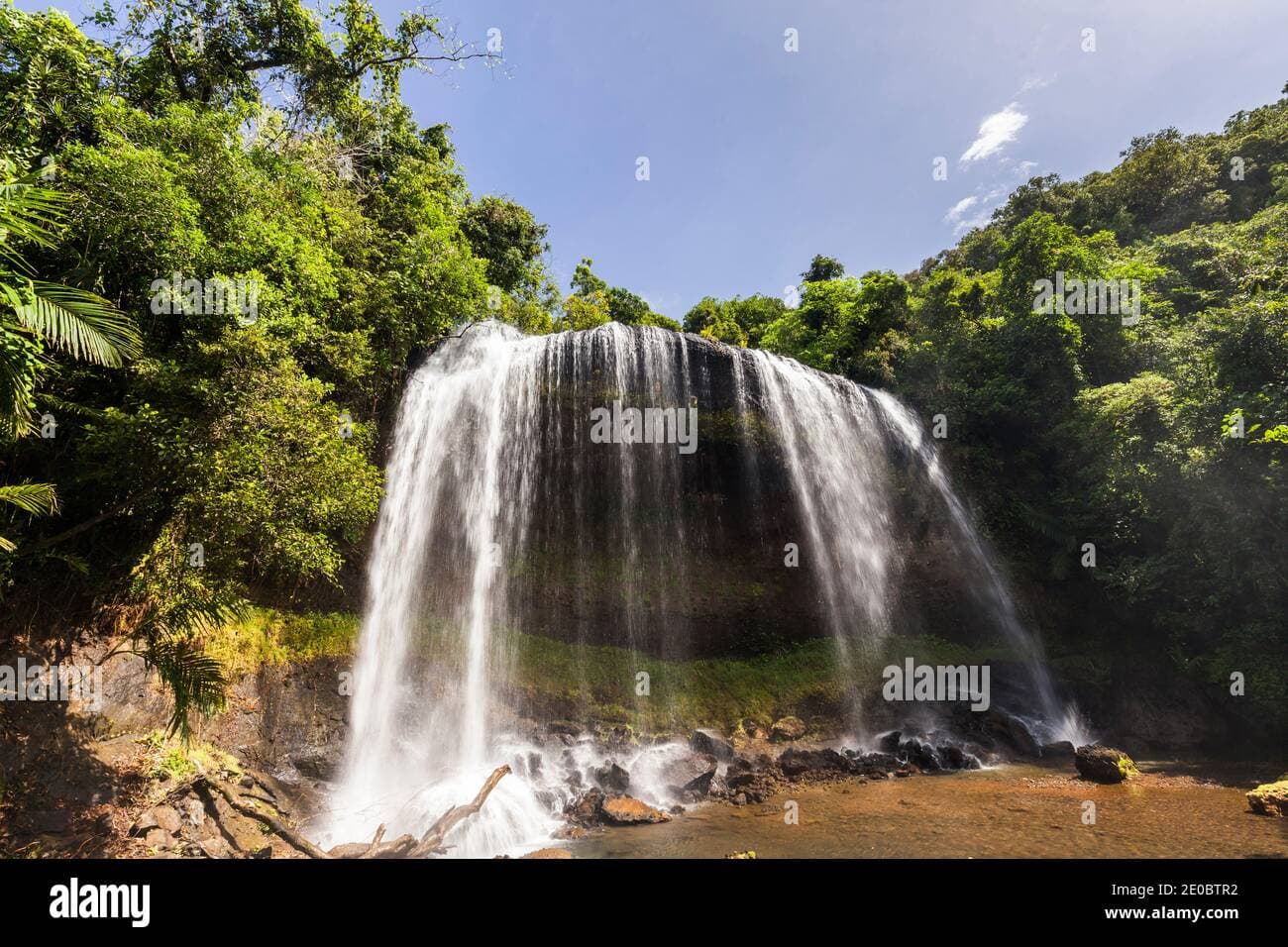
Hiking in Ulimang involves inherent risks due to its remote location. Emergency services are available in Koror, the largest city, but response times from Ngaraard State can be significant. Therefore, prevention is the best strategy. Always inform someone of your hiking plans, including your intended route and expected return time. This could be your hotel staff, a local guide, or a travel companion.
Wildlife encounters are generally benign but require caution. Monitor lizards and snakes are common; while most are harmless, it is wise to watch where you place your hands and feet. Crocodiles are present in some coastal mangrove areas, so avoid wading in murky, slow-moving water near the trailheads.
Health preparedness is also key. Carry a basic first-aid kit with bandages, antiseptic wipes, blister treatment, and any personal medications. Insect-borne diseases such as dengue fever are present in the region. Vaccinations for Hepatitis A, Typhoid, and Tetanus are recommended before travel. If you experience severe allergic reactions, carry an epinephrine auto-injector if prescribed by your physician.
Accessing Ulimang and Logistical Details
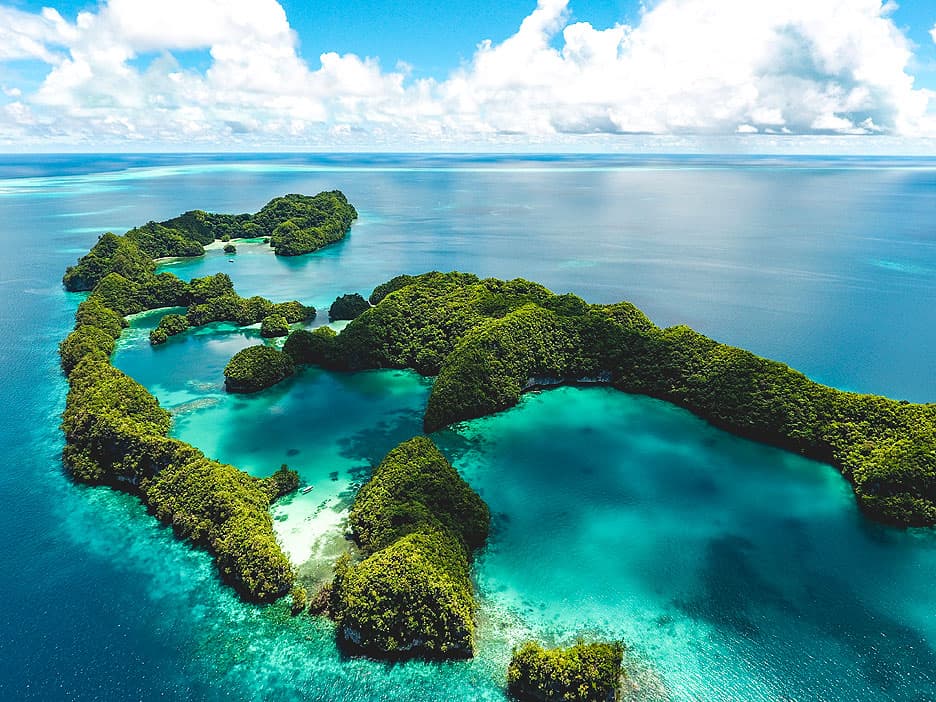
Reaching Ulimang requires a bit of logistical planning, as it is not the primary tourist hub. Most international flights arrive at Palau International Airport in Koror. From there, visitors can rent a car or hire a driver to travel north to Ngaraard State. The drive takes approximately one to one and a half hours, depending on road conditions. The roads are generally paved but can be narrow and winding, with sharp curves and occasional potholes.
Accommodation options in Ulimang itself are limited. Most hikers choose to stay in Koror or on nearby islands and make day trips to Ngaraard. However, some local guesthouses and homestays are available in the state, offering a more immersive experience. It is advisable to book these well in advance, especially during the peak spring travel season.
For those seeking guided experiences, local tour operators in Koror can arrange hikes in Ngaraard. These guides provide valuable insights into the local flora, fauna, and cultural history, enhancing the hiking experience. They also assist with navigation and safety, making them a worthwhile investment for first-time visitors to the region.
Hiking in Ulimang, Palau, is not merely a physical activity; it is an immersion into a pristine and culturally rich environment. With proper preparation, respect for local customs, and a focus on safety, travelers can enjoy the unique beauty of Ngaraard State’s trails. The silence of the jungle, the rugged limestone peaks, and the warmth of the local community make this a destination that rewards the thoughtful and prepared explorer.