Plan your Kuwait trip with confidence: understand national health protocols, clinic access, and seasonal risks in this suburban district.
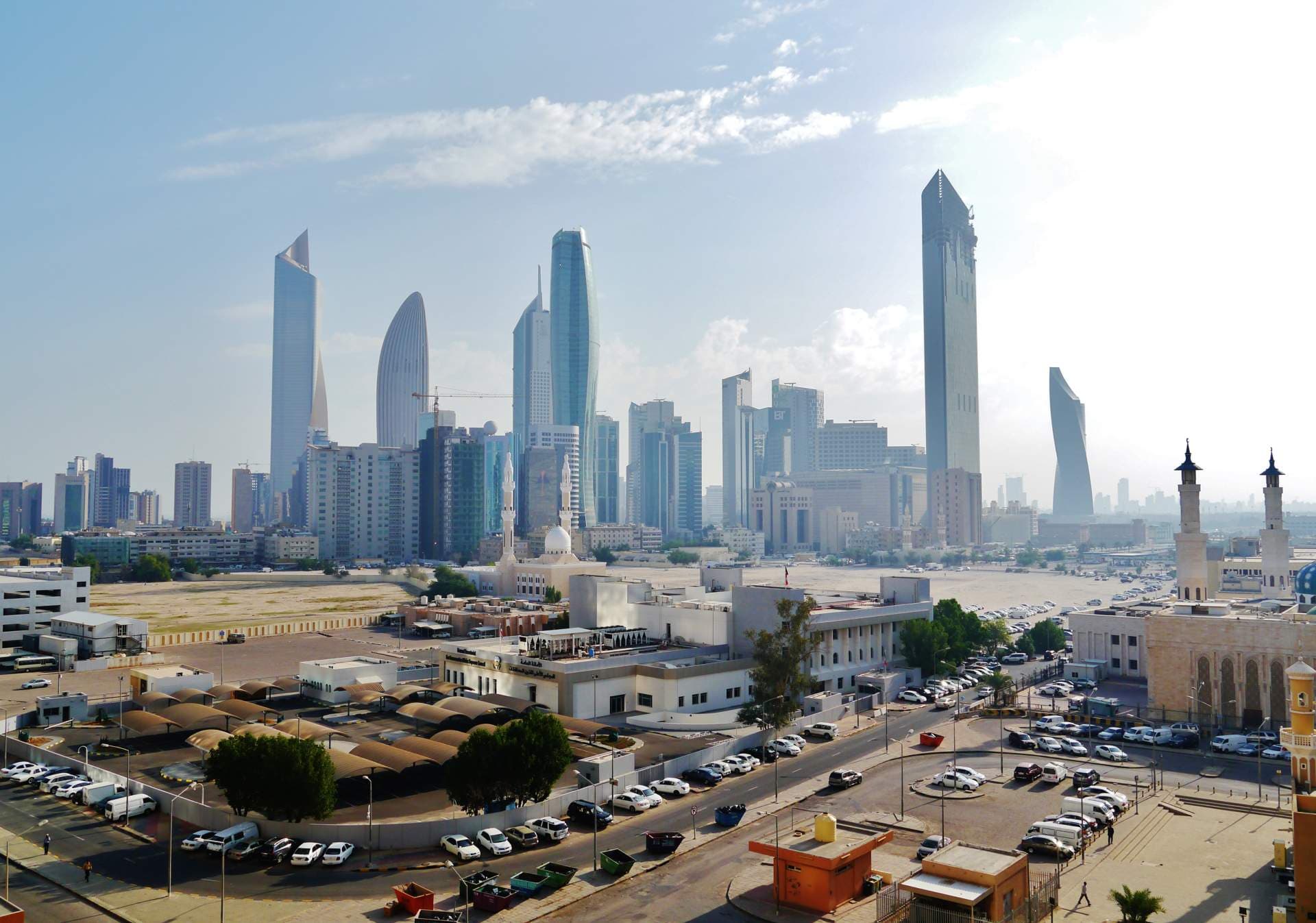
The first thing you notice about Şabāḩ as Sālim is the silence of its infrastructure compared to the capital. It is a suburban district in Mubārak al Kabīr Governorate, defined by mixed-use development—residential blocks, commercial strips, and schools—rather than a dense urban core. For a traveler, this means that while the district itself does not host a major international hospital, the logistics of healthcare are tied to the broader Kuwaiti national system. If you are staying in this area, likely at a property like The 58 Hotel Sabah El Salem, your primary medical interaction will be with the national Ministry of Health network, not a local clinic. Understanding how this system works, particularly regarding travel health and vaccination requirements, is essential for a smooth stay.
The National Health Framework
Kuwait operates a centralized public health system. The Ministry of Health manages a network of hospitals and clinics across the country. A recent development in this infrastructure is the expansion of travel health services. The Ministry has opened new travel health clinics, with one notable addition at Farwaniya Hospital, bringing the national total of such specialized centers to eight. While Farwaniya is not in Şabāḩ as Sālim, it represents the tier of specialized care available to residents and visitors. For a traveler in this district, the implication is that routine care is accessible, but specialized travel medicine—such as pre-departure vaccinations or complex tropical disease prophylaxis—requires navigating the national system. You are dealing with a state-run entity that prioritizes preventative health, rather than a fragmented private market. If you require specific vaccinations before entering Kuwait, you must arrange them in your home country, as Kuwait does not typically administer entry-required vaccines to visitors on arrival.
Seasonal Health Risks
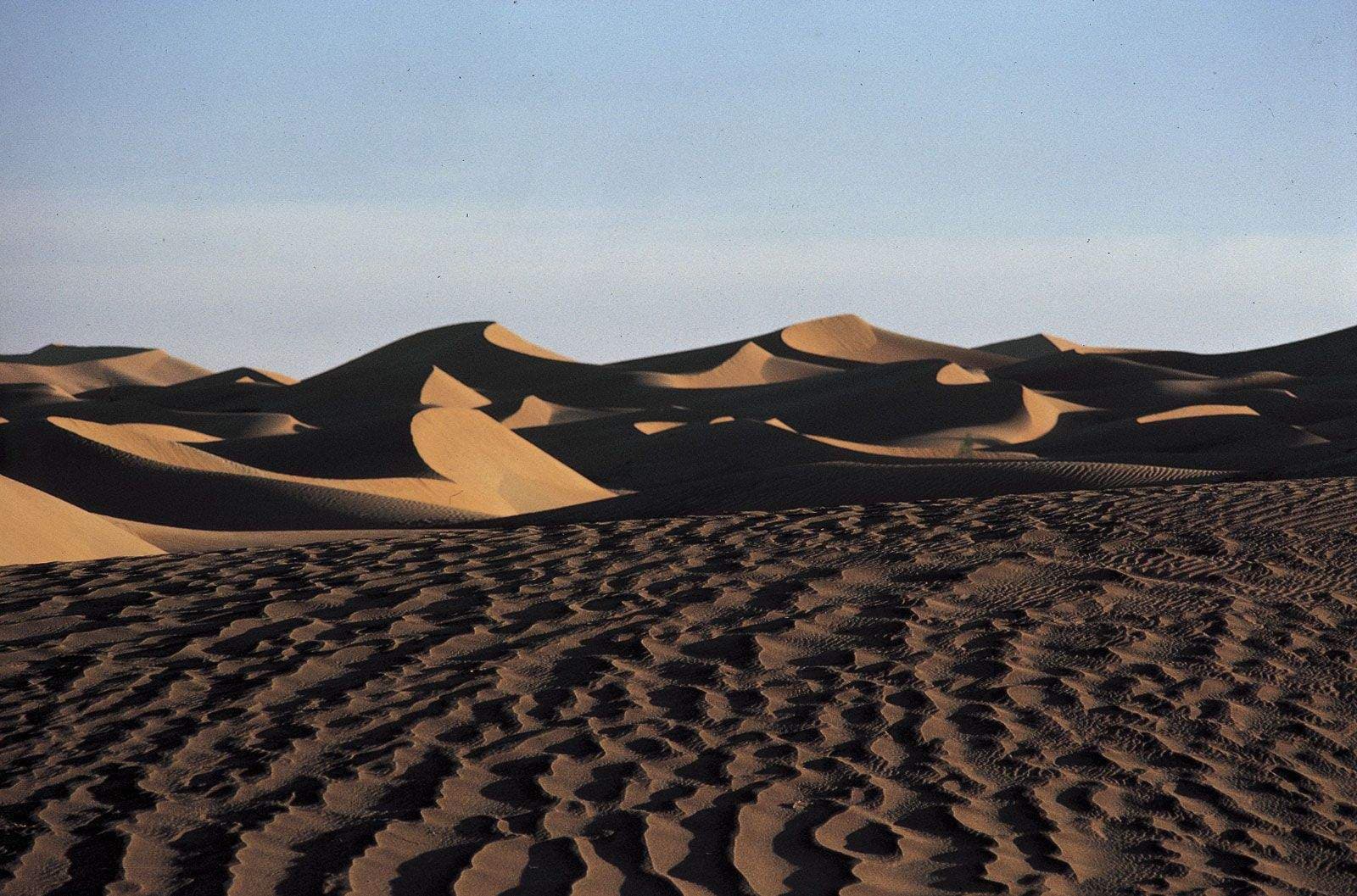
Şabāḩ as Sālim sits at coordinates 29.2572, 48.0572, placing it in a hot desert climate. The health risks here are environmental rather than infectious, at least for the majority of visitors. The primary concern is heat stress. In the months leading up to the winter holidays, temperatures begin to drop, but the autumn season (September to November) can still see high daytime temperatures. Dehydration is the most common health issue for visitors. The air is dry, and the lack of shade in commercial areas can be deceptive. You need to carry water whether you are hiking or simply walking between a hotel and a commercial strip.
There is no confirmed specific local food-borne disease outbreak associated with Şabāḩ as Sālim in recent records. However, general hygiene advice applies to all of Kuwait. Drink bottled water, which is widely available and cheap, and be cautious with ice in street-side establishments if you have a sensitive stomach. The district’s mixed-use nature means you will be eating in a variety of settings, from modern restaurants to smaller local eateries. Stick to well-cooked foods and fresh produce that has been washed. The risk of mosquito-borne diseases is low in this specific suburban district compared to more rural or marshy areas of the region, but standard insect repellent is a sensible pack item, especially in the evenings.
Practical Medical Access
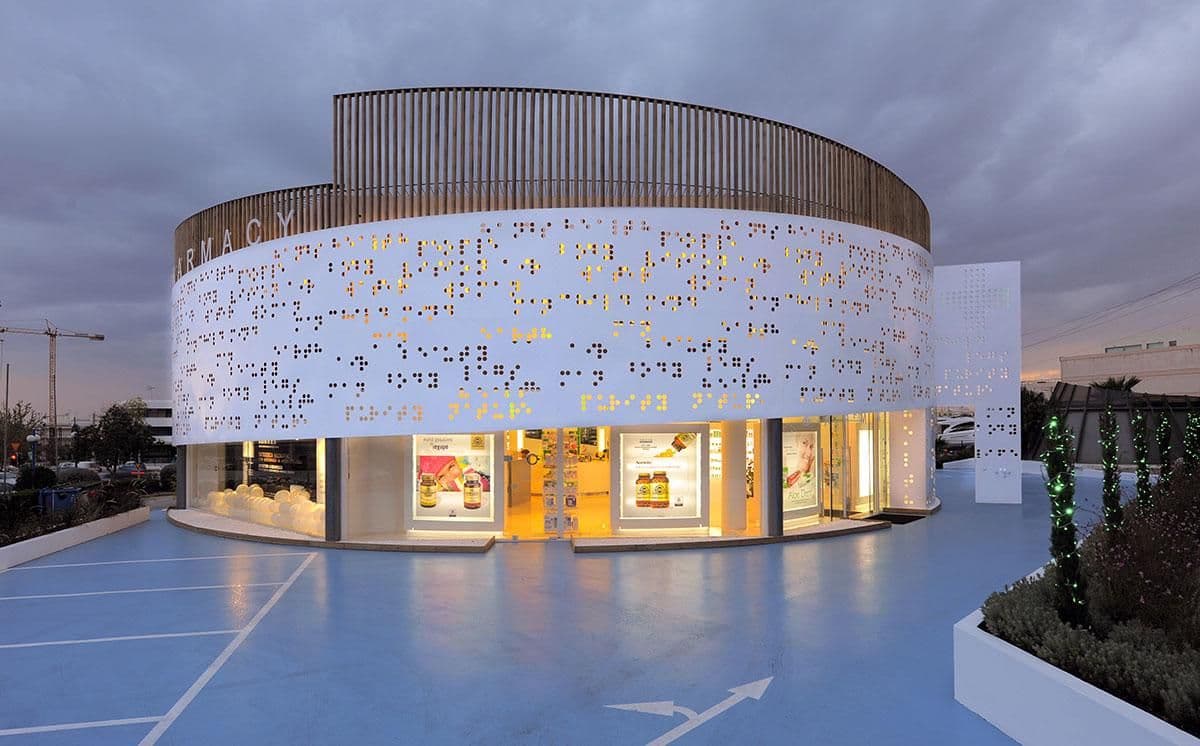
If you fall ill in Şabāḩ as Sālim, your first stop should be a private clinic or the nearest public health center. The district’s commercial establishments likely include pharmacies, which are well-stocked with over-the-counter medications. For anything more serious, you will need to travel to a hospital in the Mubārak al Kabīr Governorate or the capital, Kuwait City. Travel times depend on traffic, which can be heavy during rush hours. It is advisable to have the address of the nearest emergency facility written down in Arabic and English.
Insurance is critical. Kuwait’s public system is designed for residents. While emergency care is available to visitors, the costs can be significant if you do not have comprehensive travel insurance that covers medical evacuation and hospitalization. Do not assume that your home country’s reciprocal agreements cover you here. Check your policy specifically for Kuwait. If you are staying at a hotel like The 58 Hotel Sabah El Salem, ask the front desk for the nearest 24-hour emergency number and the location of the closest pharmacy. They will have this information readily available for guests.
When to Go and Holiday Impacts
The best time to visit Şabāḩ as Sālim, and Kuwait in general, is from November to March. During this window, temperatures are manageable, and the risk of heat-related illness drops significantly. The upcoming holidays in Kuwait will impact your travel plans. New Year’s Day (January 1, 2027) is a minor public holiday, but it marks the start of the peak tourist season. Isra' and Mi'raj (estimated January 5, 2027) is a religious observance that may see reduced business hours but no major crowds.
The most significant impact on your trip will come from National Day (February 25, 2027) and Liberation Day (February 26, 2027). These two days are major national celebrations. Expect increased traffic, higher hotel prices, and potentially longer wait times for medical services due to the influx of domestic tourists and returning residents. If you are planning a trip around these dates, book your accommodation and any medical appointments well in advance. Eid al-Fitr (estimated March 9-10, 2027) is another major holiday, with similar implications for crowding and pricing. For a health-focused traveler, the quieter months of November and December offer the best balance of comfortable weather and accessible services.
FAQ
Do I need specific vaccinations to enter Kuwait? No, there are no mandatory entry vaccinations for most travelers from non-endemic regions. However, you should ensure your routine vaccinations (MMR, Tdap, etc.) are up to date. If you are coming from a country with active yellow fever transmission, a certificate may be required.
Is the tap water safe to drink in Şabāḩ as Sālim? Kuwait’s tap water is treated and generally safe, but many visitors prefer bottled water due to taste or personal preference. Bottled water is inexpensive and available everywhere, including in small commercial shops in the district.
What should I do if I need emergency medical care? Dial the local emergency number for ambulance services. If you are staying at a hotel, ask the front desk for the nearest hospital. Have your travel insurance details and passport ready. For non-emergency issues, visit a local pharmacy or private clinic in the commercial areas of the district.