Skip the tourist traps. Gwanak-gu offers authentic Seoul shopping, from Nakseongdae’s bakeries to Line 1 transit, without the crowds.
The Real Deal in Gwanak-gu
You’re not here for the neon glare of Myeongdong or the polished glass of Gangnam. You’re here for the cracks in the pavement, the steam rising from a noodle shop, and the quiet dignity of a neighborhood that refuses to perform for tourists. Gwanak-gu, tucked into southern Seoul, is where the city sheds its tourist skin. It’s a district that trades spectacle for substance. You don’t come here to be impressed; you come to find out what shopping feels like when nobody is watching.
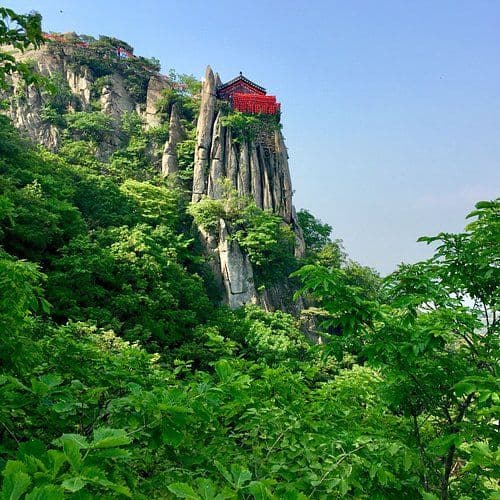
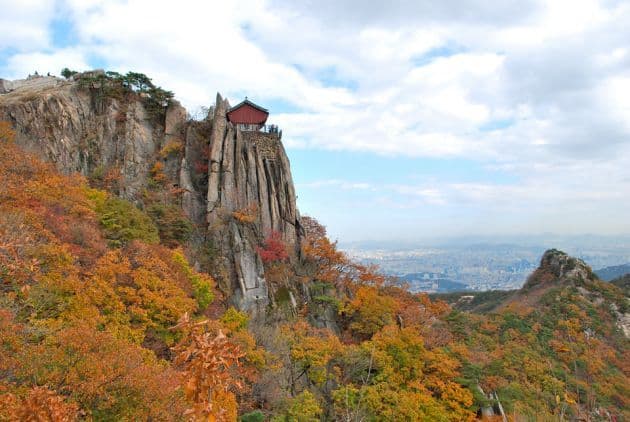
The district is anchored by Gwanaksan Mountain, a small peak straddling the border with Geumcheon-gu. Its slopes host Gwanaksan Park and Nakseongdae Park, a green buffer between the residential blocks and the commercial strips. This isn’t a postcard. It’s a working neighborhood where the mountain isn’t a backdrop but a neighbor. You can walk from the park gates straight into the shops, which means your “shopping” often starts with a breath of pine and damp earth before you hit the first storefront.
Where to Shop
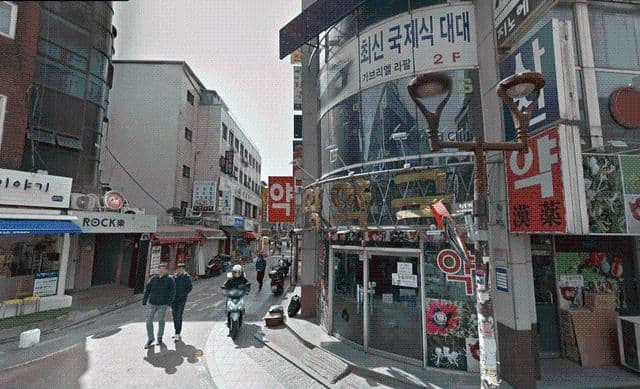
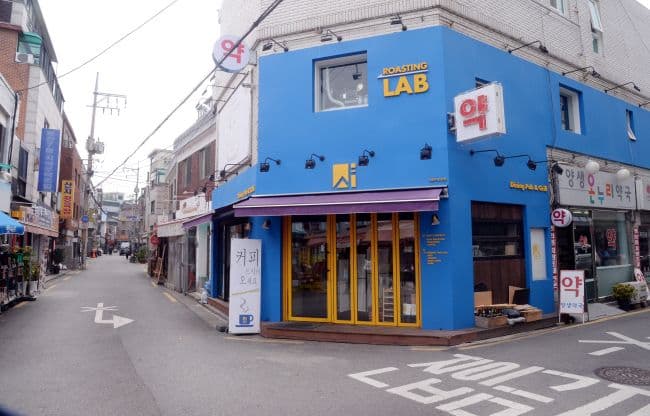
Forget the department store maze. The real action in Gwanak-gu happens in the narrow streets around Nakseongdae-dong. This is the commercial heart, a cluster of independent shops that have been there for years, not months.
The standout is Jean Boulangerie Nakseongdae Main Store, located in Bongcheon-dong. For over a decade, it’s been a local fixture, one of the few bakeries in Seoul that locals actually queue for. You’re not buying a souvenir baguette; you’re buying a warm, buttery loaf that smells like a kitchen you grew up in. It’s a small shop, no frills, just bread.
For food-focused shopping—yes, you can “shop” for a meal—look near Nakseongdae Station. Jungang Kalguksu is a noodle specialty spot known for reasonable prices. You’re not paying for ambiance; you’re paying for a bowl of Korean noodles that tastes like home. Nearby, Wansan Jeong serves bean sprout hangover soup, a dish that’s less about luxury and more about recovery. It’s the kind of food you eat when you’ve been walking all day and need to reset.
Getting Around
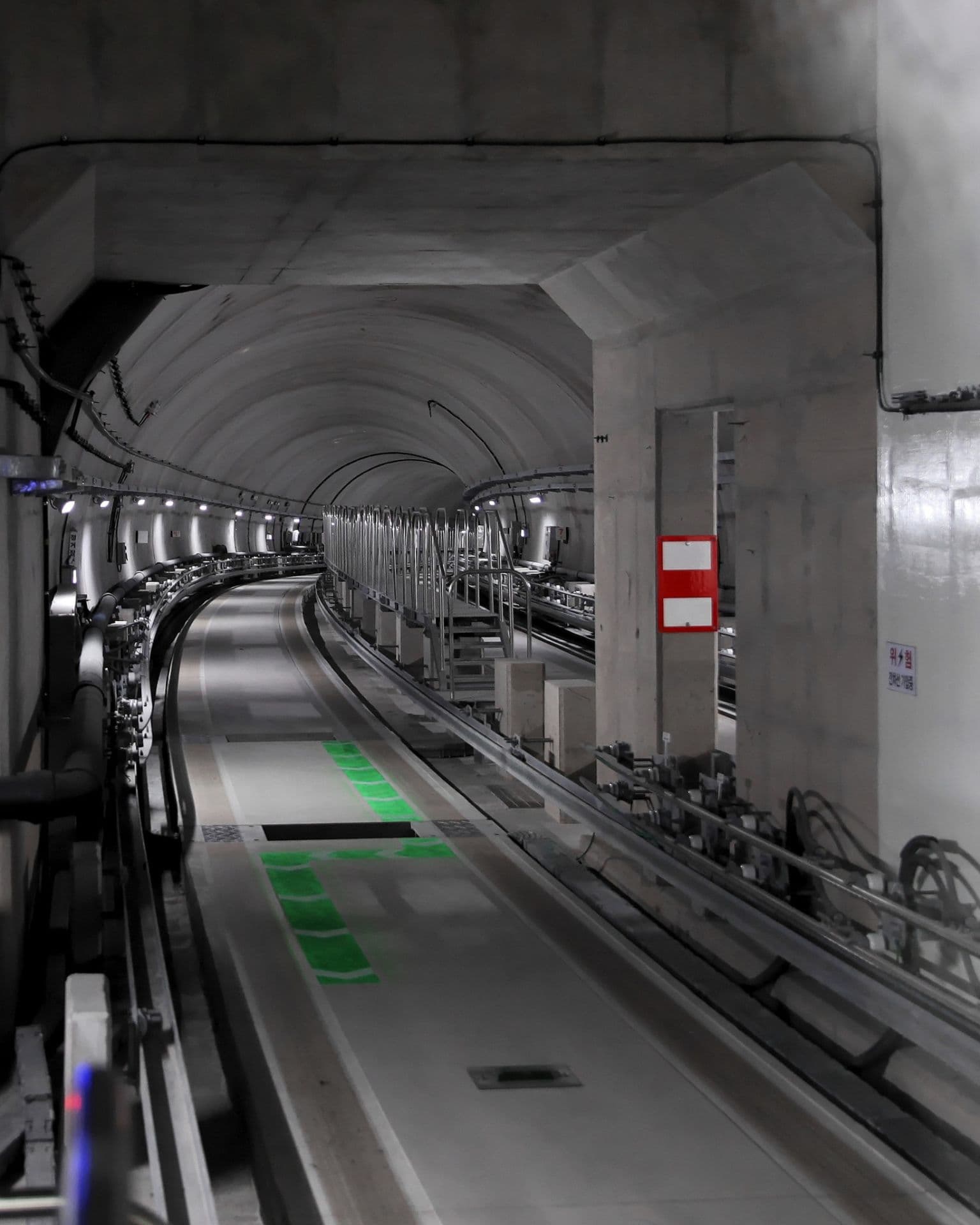
You don’t need a car. You need a subway ticket. Gwanak Station sits on Line 1 and the Gyeongbu Line, named after the mountain. It’s the main artery for getting in and out of the district. From Gwanak Station to central Seoul (Sadang to Hoehyeon), trains run every 10 minutes. The ride from Gwanak to Seoul Station takes about 34 minutes, costing between ₩3,100 and ₩4,500. That’s your budget for transit. Cheap, frequent, and reliable.
If you’re coming from the south, Gwanaksan Station is your other entry point. It’s the southern terminus of the Sillim Line extension, which means you’re arriving, not transferring. The Sillim Line connects you to the rest of the network, but for Gwanak-gu, Line 1 remains the workhorse. Don’t overthink it. Take the train, get off, walk. The district is compact. You can cover the main shopping strips in an hour or two on foot.
Eating While You Shop
Shopping in Gwanak-gu isn’t just about buying things; it’s about fueling. The district’s food scene is unpretentious. Marinated grilled ribs are the most famous menu item at the local Korean restaurants here. It’s not a “gourmet” experience; it’s a hearty, meaty meal that fits the district’s no-nonsense vibe.
Jungang Kalguksu offers Korean noodles at prices that won’t make you wince. It’s a practical choice for a quick lunch between shops. Wansan Jeong’s bean sprout soup is for when you need something light and restorative. These aren’t “hidden gems” in the marketing sense; they’re just good, local food that locals eat. You’re not performing a food tour; you’re eating like a resident.
When to Go
Autumn is the window. The weather in Gwanak-gu in late September is mild, perfect for walking the parks and streets without the summer heat or winter chill. But watch the calendar. National Foundation Day is October 3, 2026, and the alternative holiday is October 5. That’s this week. Expect higher demand, surge pricing on hotels (romantic hotels start around $78/night), and crowds in the parks and stations. If you’re visiting this week, book early. The next major holiday is Hangul Day on October 9, which also brings a local holiday vibe. After that, it’s quiet until Christmas and New Year’s Day in late 2026 and early 2027.
For solo travelers or slow travelers, this is a good fit. You can spend a full day here: morning in the park, midday shopping and eating, afternoon wandering. Families will like the park, but the shopping strips are best for those who prefer independent exploration over group tours.
Practical FAQ
Do I need a visa to enter Gwanak-gu? Gwanak-gu is in Seoul, South Korea. Visa requirements depend on your nationality. Check the latest rules on the Korean embassy site for your country. Many nationalities get visa-free entry for short stays.
How do I get from Gwanak-gu to central Seoul? Take Line 1 from Gwanak Station. Trains run every 10 minutes. The ride to Hoehyeon or Seoul Station takes about 34 minutes, costing ₩3,100–₩4,500. It’s the fastest, cheapest option.
What should I budget for a meal in Gwanak-gu? A bowl of noodles at Jungang Kalguksu is reasonable—think ₩5,000–₩8,000. A plate of marinated grilled ribs at a local restaurant might run ₩10,000–₩15,000. Prices are lower than in central Seoul, but not “cheap” in the street-food sense. They’re fair for the quality.