Pack light for the heat. Here is exactly what to bring to Granada, Nicaragua, to handle the humidity, the colonial cobblestones, and the local currency with confidence.
The Heat-Ready Kit
Granada sits on the western shore of Lake Nicaragua, the largest lake in Central America. The climate here is tropical and unforgiving to unprepared shoulders. If you are arriving in the autumn season, you are entering the tail end of the wetter months or the transition into the dry spell, but the humidity remains consistently high. Your backpacking essentials must prioritize breathability and protection from the sun, which hits hard between 10:00 and 16:00.
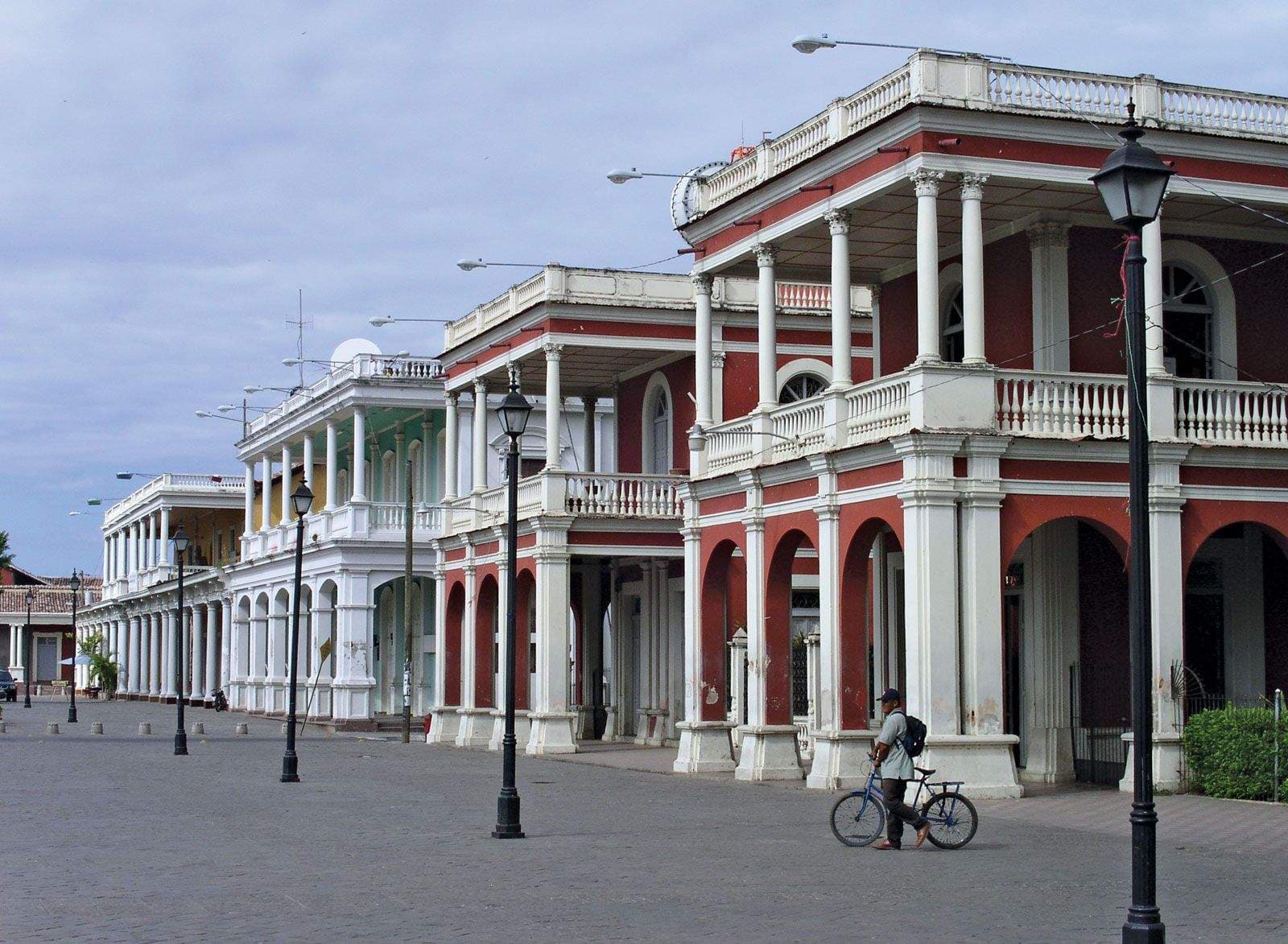
Forget the heavy wool sweaters you packed for the Andes. Instead, focus on quick-dry fabrics. A lightweight, long-sleeved shirt made of synthetic material serves a dual purpose: it blocks the UV rays and protects your skin from the occasional sandfly or mosquito that lingers near the lake’s edge. Bring at least three pairs of breathable shorts or trousers. The cobblestones in the city center, particularly around the Plaza Mayor de Granada, are uneven and often slick after rain. You need footwear that can handle both the heat and the uneven terrain. Sturdy sandals with good grip are acceptable for casual wandering, but if you plan to walk the perimeter of the city or take a trip to Volcan Mombacho, closed-toe walking shoes are non-negotiable.
Money and Connectivity
The currency of Nicaragua is the córdoba (C$). While US dollars are widely accepted, having local currency is essential for small expenses, such as buying a coconut from a street vendor or paying for a shared taxi. Budget travelers report that roughly $35 per day can cover three meals, a dorm bed, local transport, and a few beers. This makes Granada one of the more affordable destinations in Central America, but you still need to manage your cash flow.
ATMs are available in the city center, but they can be unreliable. It is wise to carry a mix of cash and cards. For connectivity, most hostels and cafes offer Wi-Fi, but speeds can be inconsistent. If you rely on your phone for navigation or translation, consider buying a local SIM card upon arrival. The main bus route from Managua to Granada, which passes through Jinotepe, is a common transit link for travelers arriving from the capital. While specific rail lines serving Granada are not verified in current data, bus connections are the primary mode of inter-city travel.
Food and Hygiene
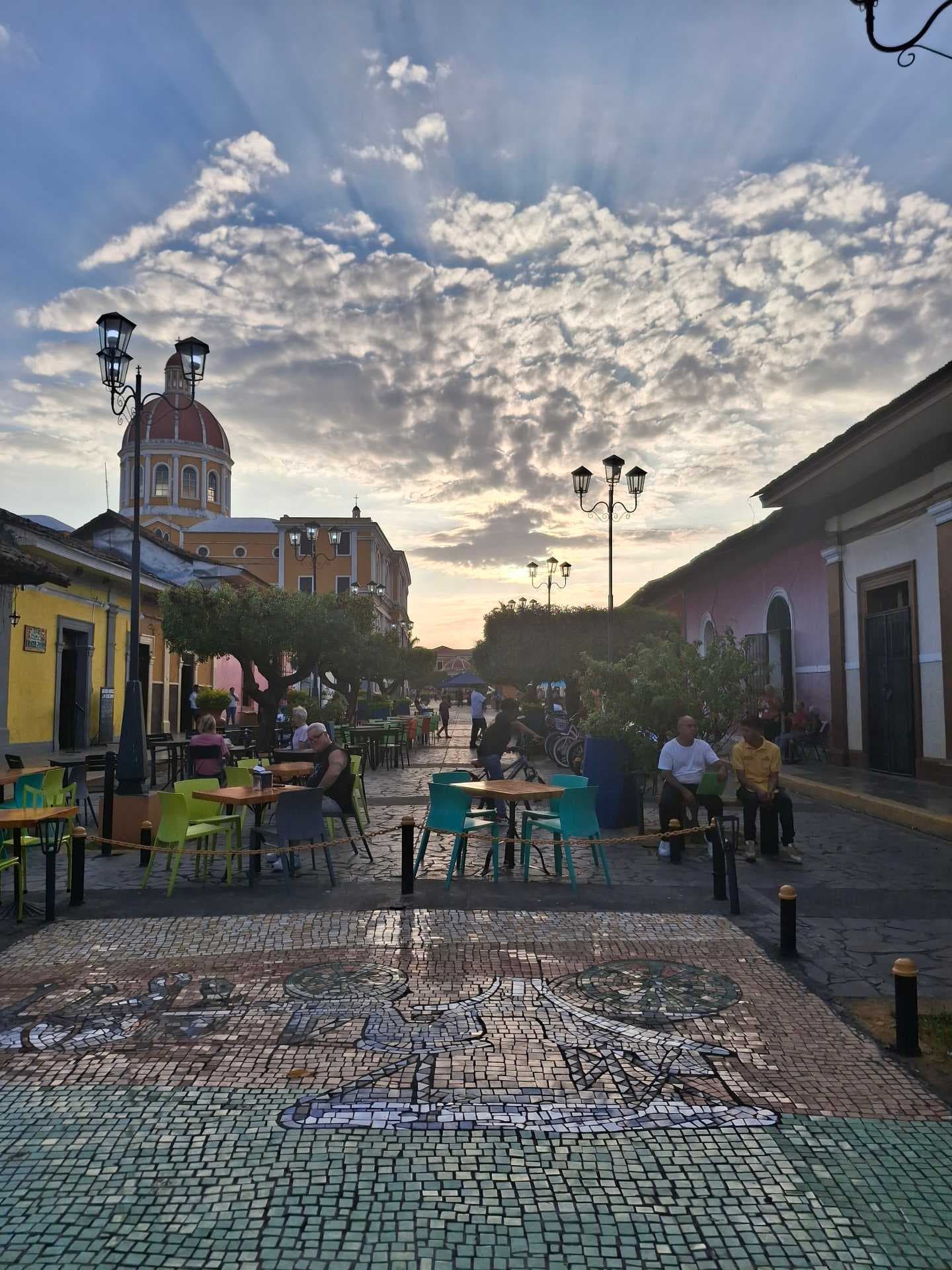
Your packing list should include basic hygiene products, but you can save weight by buying toiletries locally. Granada’s food scene is anchored in traditional Nicaraguan dishes. Gallo pinto, the rice-and-beans staple, is available at nearly every breakfast spot. For lunch, look for a "plato típico" or "plato del día" at a local comedor. These set meals typically cost between C$150 and C$210 and provide a balanced, filling option. Nacatamal, a traditional dish of corn dough and meat wrapped in banana leaves, is a staple of the Nicaraguan breakfast that you might find in specific local eateries.
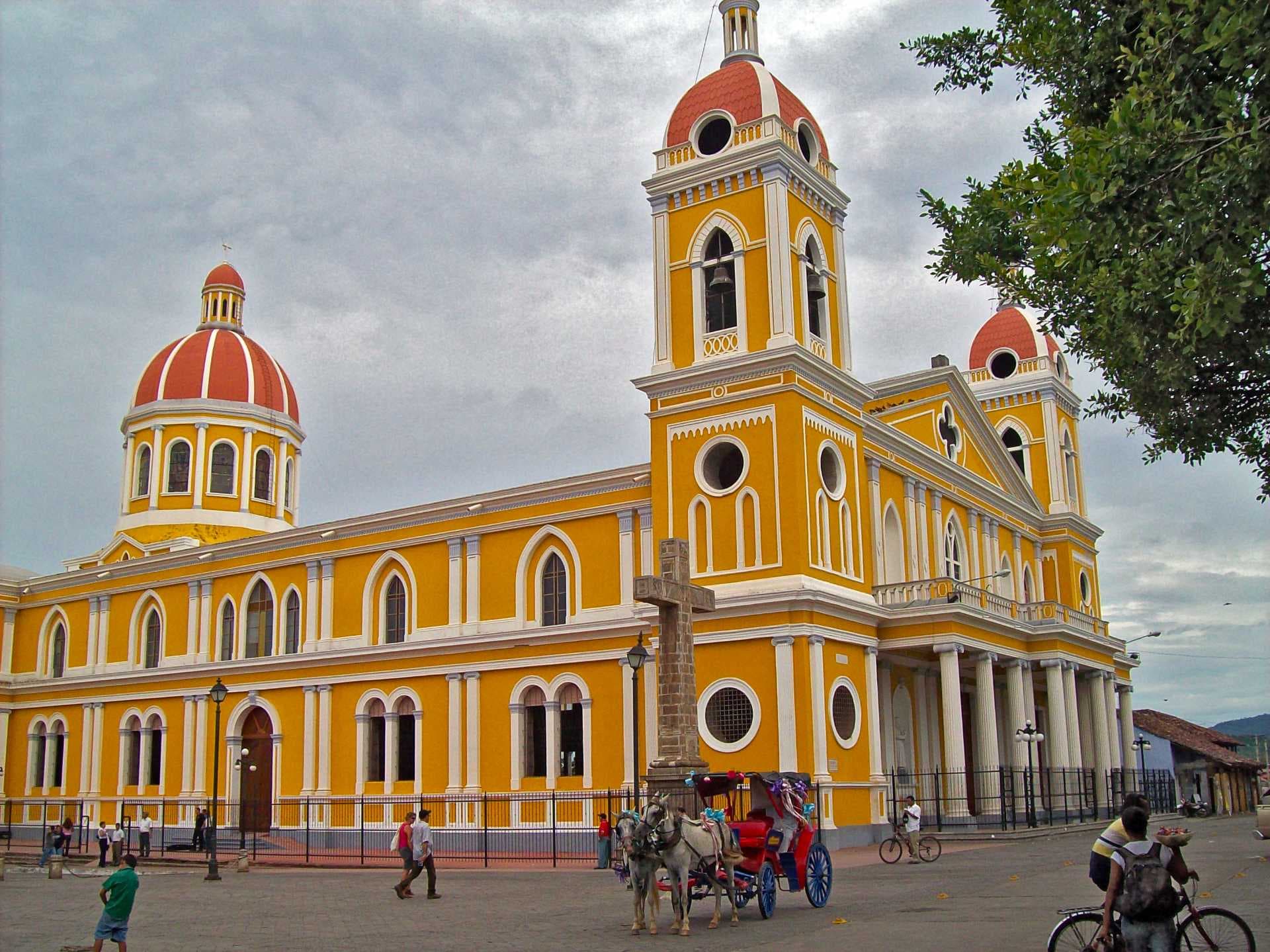
Because the food is often spicy and the climate is hot, digestive aids can be useful. Pack a small supply of anti-diarrheal medication and oral rehydration salts. Water safety is a standard concern in Central America. Stick to bottled or filtered water. Many hostels provide filtered water dispensers, so bringing a reusable water bottle is both an environmental and economic essential. You will use it constantly, whether you are walking to the Granada Cathedral or sitting in the shade of the Plaza Mayor.
Health and Safety
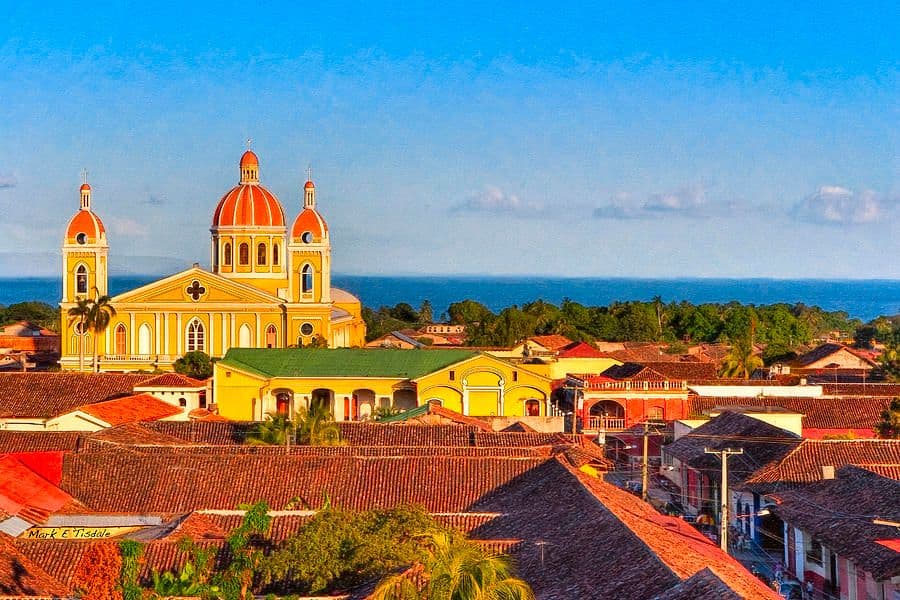
The altitude in Granada is relatively low, near sea level, so altitude sickness is not a concern. However, the heat and humidity can lead to dehydration quickly. Electrolyte tablets are a smart addition to your first-aid kit. Mosquitoes are present, especially near Lake Nicaragua. Pack a reliable insect repellent containing DEET or picaridin. If you are planning to visit Volcan Mombacho, which offers views from the city, the trails can be steep. A small daypack with water and snacks is sufficient for these shorter excursions.
Health insurance is a critical but often overlooked essential. While the cost of care in Nicaragua is lower than in North America or Europe, medical evacuation can be expensive. Ensure your policy covers the region. For safety, standard urban precautions apply. Keep your valuables out of sight. The city is generally safe for tourists, but pickpocketing can occur in crowded areas like the central square. A money belt or a hidden zip pocket in your backpack adds a layer of security without sacrificing mobility.
When to Go
The best time to visit Granada is during the dry season, which typically runs from December to April. During these months, the skies are clearer, and the humidity is slightly more manageable. However, if you are traveling in the autumn, you may encounter rain. This is not a dealbreaker; in fact, it can be a benefit. The rain keeps the crowds thinner and the prices in hostels slightly lower.
Upcoming holidays in the region include Virgin's Day on December 8, 2026, followed by Christmas Day on December 25, 2026, and New Year's Day on January 1, 2027. If you plan to visit around these dates, book your accommodation in advance, as local families often return to Granada for the holidays. The city fills up, and prices for lodging and tours may increase. For solo travelers or those seeking a quieter experience, the shoulder months of May or November offer a good balance of weather and availability.
Practical FAQ
Is it safe to drink the tap water in Granada? No. It is recommended to drink bottled or filtered water. Many cafes and hostels have filters, but when in doubt, use a purification tablet or carry a portable filter.
How much does a typical meal cost? A "plato típico" at a comedor costs between C$150 and C$210. Street food items like gallo pinto are cheaper, often under C$100.
Do I need a visa to enter Nicaragua? Citizens of many countries, including the US, Canada, and most of Europe, do not need a visa for short stays. However, you must have a valid passport and proof of onward travel. Check with your country’s embassy for the most current requirements before you fly.