No plane lands in Çorovodë. You arrive by road from Berat, crossing the River Osum, into a town that measures time by water, not wheels.
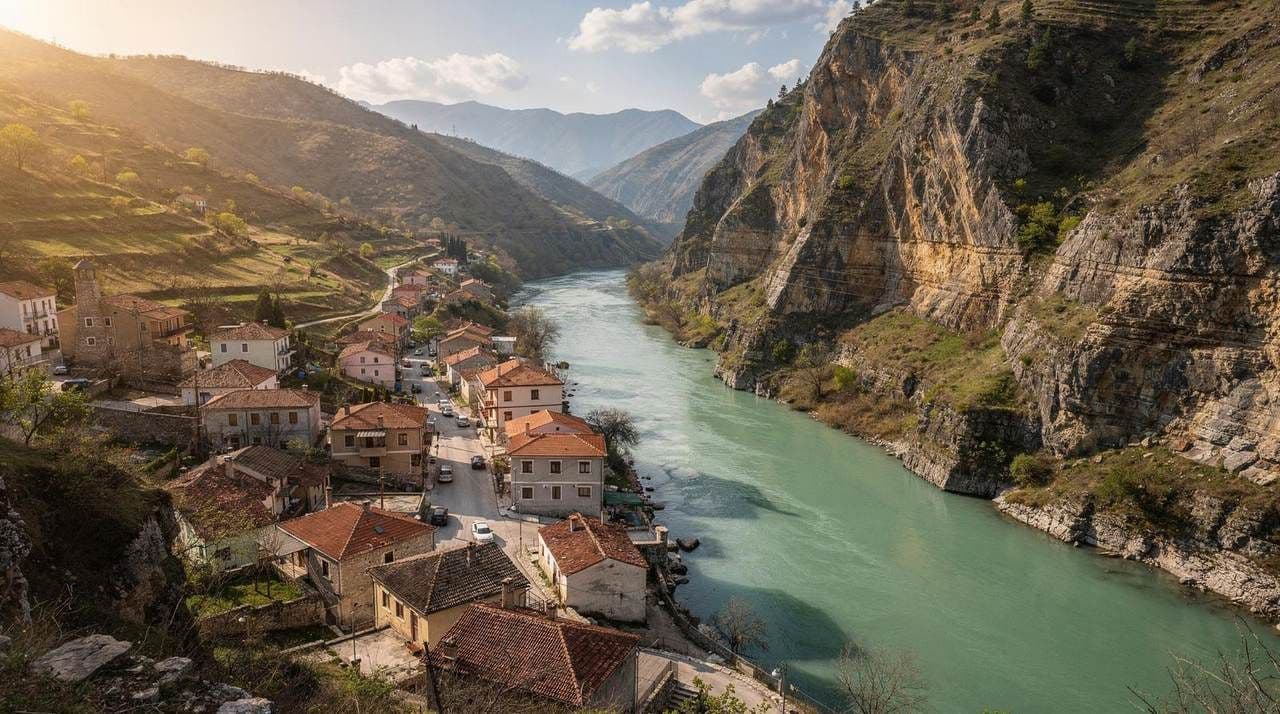
The terminal in Tirana is a machine for sorting bodies. You scan, you wait, you board a low-cost carrier that burns fuel for the sake of a cheap seat. But the flight ends before the story begins. Çorovodë, the seat of the Skrapar municipality in Berat County, does not have an airport. It does not have a train. It exists outside the reach of the sky and the rail, accessible only by the slow, inevitable crawl of asphalt. To understand this place, you must abandon the fantasy of speed. You must accept that arrival here is a test of patience, a negotiation with distance.
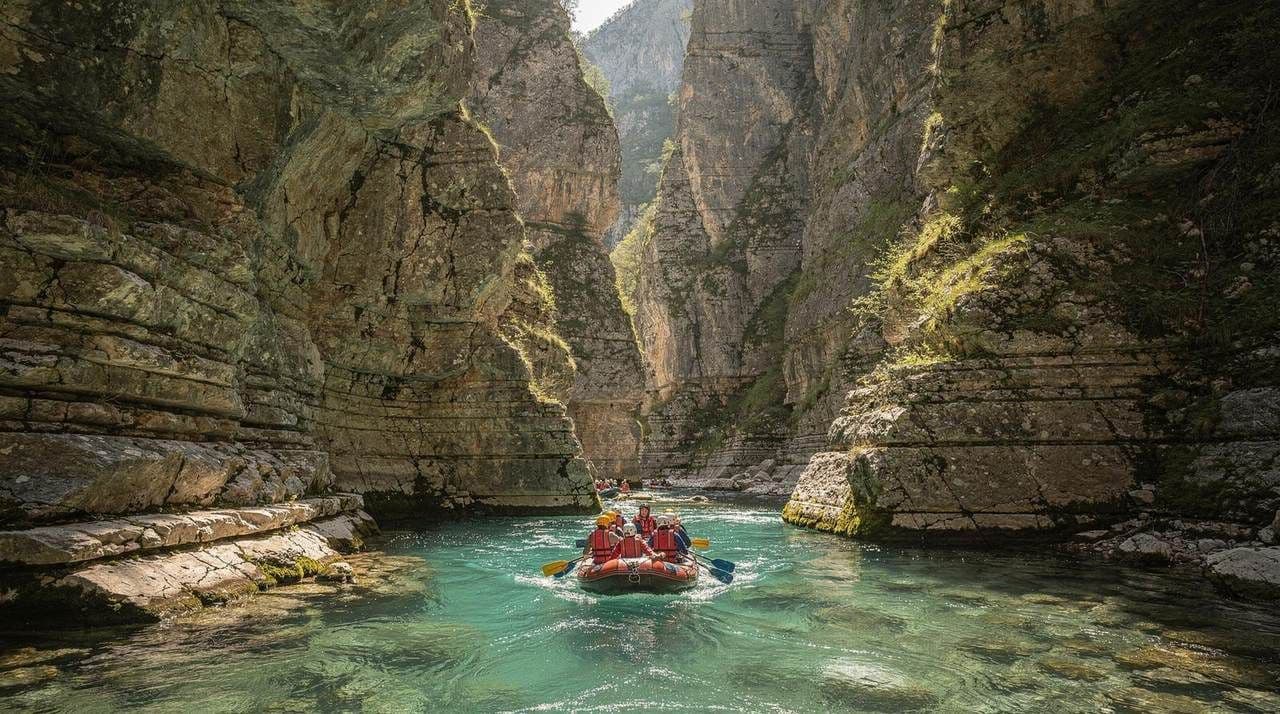
The economy of the Balkans runs on diesel and dust. When you leave the major hubs, the budget airline model dissolves. What remains is the road. The route from Berat to Çorovodë is a ribbon of tarmac winding through the Skrapar Canyon region. The air changes as you descend. The heat of the lowlands gives way to the cooler breath of the valley. This is where the River Osum cuts its path, a grey-green line that dictates the town’s layout and its mood.
The Weight of Distance
There is no direct train service to Çorovodë. Albania’s national railway, Hekurudha Shqiptare, serves the coast and the capital, but its tracks do not reach into the interior mountains. For the traveler, this is a constraint. For the resident, it is a condition. The town, with a 2023 census population of 3,918, operates on its own clock. The absence of rail means that the road is the only artery.
Driving or taking a local bus from Berat, you will find the journey takes time. The roads are functional, lacking the postcard quality of scenic routes. They are utilitarian paths carved into limestone hillsides. The vehicle rocks. The sound of the engine is constant. There is no noise-canceling headphone to isolate you from this reality. You are inside the mechanism. The town waits at the end of the line, unchanged by the passage of hours.
This isolation is the defining characteristic of the place. The town is a holding space, a pause in the movement between the coast and the highlands. It does not compete with the beaches of Vlorë or the architecture of Gjirokastër. It stands apart, defined by what it lacks. The lack of air connectivity forces a slower engagement. You do not skim the surface. You sink into the rhythm of the place.
Water as Boundary
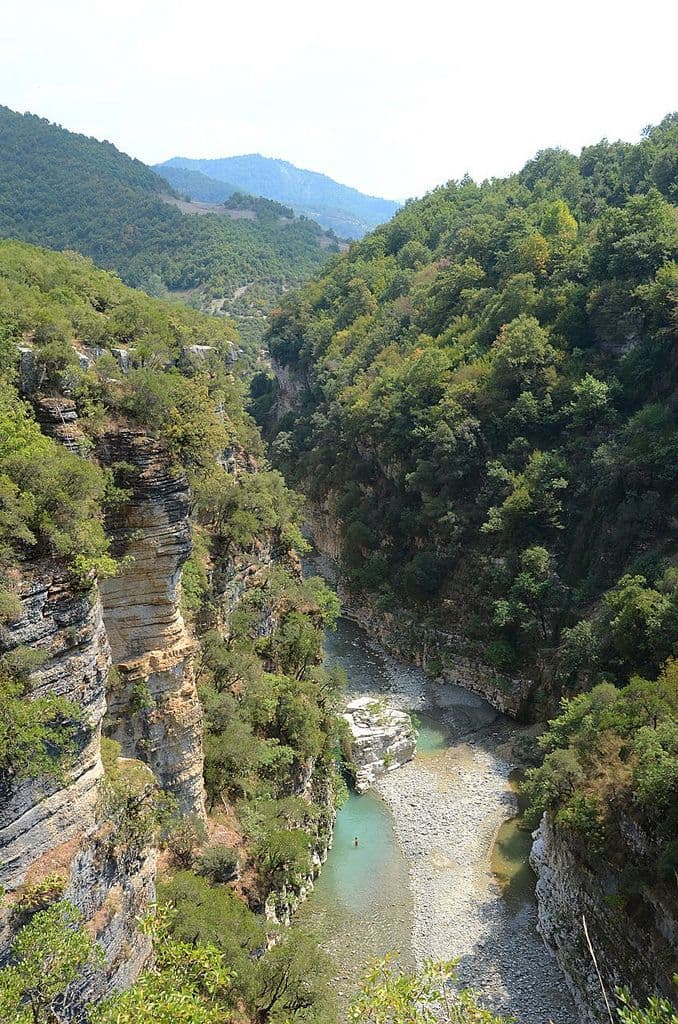
The River Osum is the central figure in the town’s geography. It passes directly through Çorovodë, acting as both a lifeline and a barrier. In the summer months, the water runs low, revealing stones that have been worn smooth by centuries of flow. The banks are raw edges, places where the human-made world meets the persistent force of nature.
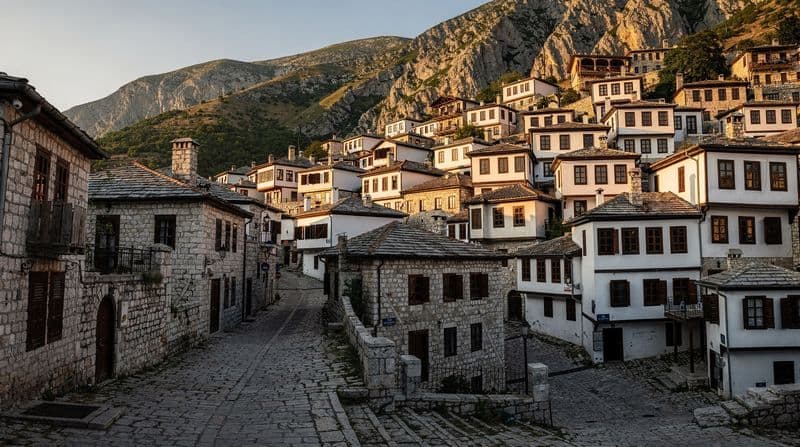
To walk along the river is to understand the scale of the region. The Skrapar Canyon rises on either side, steep and silent. The light here is different than in the coastal plains. It is harder, sharper. Shadows fall quickly as the afternoon approaches. The town’s buildings, mostly modest structures of stone and plaster, huddle close to the water’s edge. They are built to withstand the elements, not to impress the visitor.
There are no grand monuments to point to. The landscape itself is the monument. The canyon walls are the walls of the room. The river is the floor. Everything else is temporary. This clarity is unsettling for those accustomed to curated tourist experiences. It asks nothing of you except attention. It does not perform. It simply is. The tension in the air comes from the knowledge that the water level can change, that the road can wash out, that the connection to the outside world is fragile.
Practicalities of Arrival
Since no budget airline data exists for this destination, planning requires a shift in logic. You fly into Tirana International Airport. From there, you transfer to the road. The distance from Tirana to Berat is significant, often taking several hours by car or intercity bus. From Berat, the final leg to Çorovodë adds further time.
Money is simple. The Albanian Lek is the currency. Cash is king in smaller towns. ATMs may be scarce or unreliable, so carry sufficient funds from the larger cities. Prices are low compared to Western Europe. A meal will cost a fraction of what it would in a capital city. Accommodation is basic. Guesthouses and small family-run lodgings are the norm. Expect simplicity: clean sheets, hot water, and a view of the valley.
Timing is critical. Summer brings heat, but the valley provides some relief. However, the narrow roads can become congested with agricultural traffic. Autumn offers cooler temperatures and clearer skies. The winter months bring rain and potential isolation. The road is the only link, and when it fails, the town is cut off. Plan with this vulnerability in mind. Do not rely on last-minute connections. Book your accommodation well in advance, especially if traveling during local holidays.
The Calendar of Silence
The next major holiday is Mother Teresa Canonization Day, falling on September 5, 2026, with an observed day on September 7. This event will draw crowds to religious sites, primarily in Tirana, but the ripple effect will increase demand for travel infrastructure across the country. If you plan to visit Çorovodë in early September, expect higher prices for transport and lodging. The roads will be more crowded. The silence of the valley will be broken by the movement of pilgrims and tourists.
Later in the year, Independence Day and Liberation Day fall on November 28 and 29, respectively, with observed days extending to December 1. These national holidays mark the country’s history. While Çorovodë is not the epicenter of these celebrations, the national mood will affect travel patterns. Roads may be busier. Local businesses may adjust their hours.
For the traveler seeking solitude, the weeks between these peaks offer the best opportunity. Late spring and late autumn provide the quietest moments. The town caters to those who have accepted that some places cannot be rushed. It tests your willingness to sit still. It rewards those who look past the lack of amenities and see the clarity of the landscape.
Frequently Asked Questions
Is there a train to Çorovodë? No. Albania’s rail network, operated by Hekurudha Shqiptare, does not extend to Çorovodë. You must travel by road from Berat or Tirana.
What is the nearest airport? Tirana International Airport is the primary gateway. There is no local airport in Çorovodë or Berat. Budget airlines serve Tirana, but you must arrange ground transport for the remaining distance.
Can I visit without a car? Yes, but it is difficult. Intercity buses connect major cities, but local transport to smaller towns like Çorovodë is limited. Relying on public transport requires flexibility and patience. Hiring a driver or renting a car is the most reliable option for exploring the Skrapar Canyon region.
The coin has landed. You are here. The river flows. The road winds. You have arrived.