Skip the tourist traps. Tamsalu offers quiet Baltic nature, cheap rail access, and the kind of unpolished honesty most family trips lack.
The train pulls into Tamsalu station with a clatter that echoes off the small platform, leaving behind the noise of Tallinn and Tartu. This is Tapa Parish in Lääne-Viru County, a place where the 2021 census counted just 2,427 souls. You will not find this town on a glossy magazine cover. Instead, the air smells of rye bread baking in distant ovens, and the silence between trains is loud enough to hear your own thoughts. For families tired of performing happiness for social media, Tamsalu offers a reset button. You are here to walk, to eat simply, and to let the kids run without a crowd watching.
Why Choose This Quiet Corner
Most travel advice tells you to maximize efficiency. Tamsalu rejects that premise. The town sits on the Tallinn–Tartu railway line, a corridor that connects the capital to the historic east, but Tamsalu itself moves at a glacial pace. There are no guided tours shouting over megaphones. There are no ticket queues. The primary draw is the proximity to local waterways and historical sites in the broader region, offering the raw material for genuine exploration: water, grass, and history that hasn't been sanded down for tourists.
The town centre is compact enough that you can navigate it on foot in twenty minutes. This scale is a feature, not a bug. With fewer than 2,500 residents, the social contract is different. People notice you. They don’t judge you, but they don’t perform for you either. For a family, this means safety without surveillance. Children can ride bikes down the main street without traffic rushing past. The sensory experience is tactile: the texture of pebbles by the water, the weight of a heavy rye loaf, the sound of wind in the birch trees. You are inhabiting a space, not consuming a product.
Getting There and Around
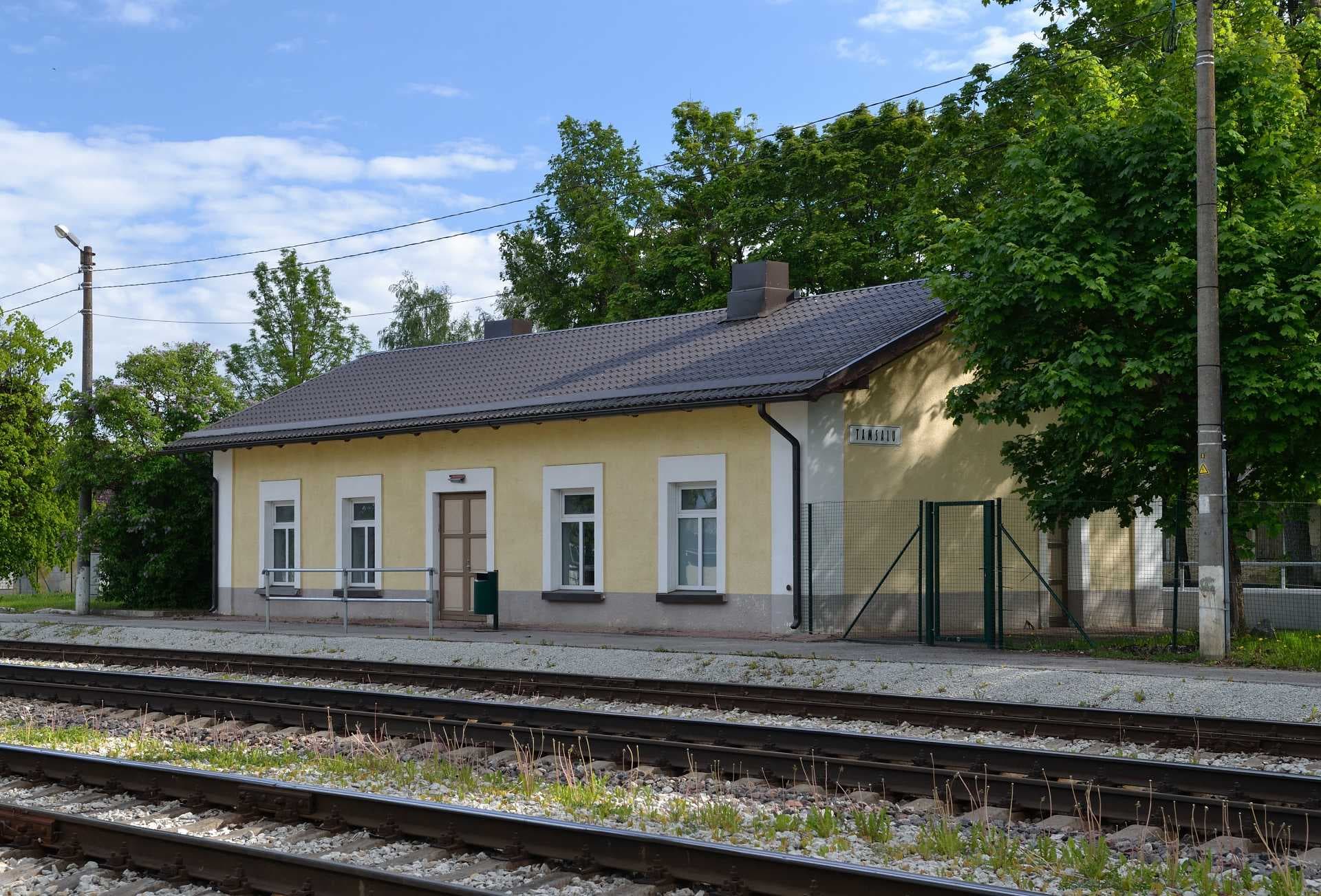
Logistics matter when you are traveling with children. Tamsalu is accessible via the Tallinn–Tartu railway. If you are coming from Narva, the journey takes approximately 4 hours and 41 minutes, with roughly five services daily. All services require a transfer, so plan accordingly. The cheapest ticket from Tamsalu to Narva starts at around €6.00, a price point that makes spontaneous travel feasible. From Tapa, the adjacent parish, you can reach Tamsalu by train, the line 53 bus, taxi, or car. The flexibility is high.
Once in town, you do not need a car. The station is the anchor. The town centre is a short walk away. If you want to reach the wider surroundings, a local taxi or a rented bicycle is often more efficient than waiting for infrequent rural buses. The currency is the Euro, which simplifies transactions for many European visitors. Cash is still king in small towns, so carry some euros. Card payments are becoming common but are not guaranteed in every village shop or kiosk. Budget for the basics: a meal for a family might cost €30–€50 depending on whether you buy groceries or eat out. Train fares are predictable. Accommodation varies, but expect to pay a premium for privacy in a place this small.
What to Eat
Food in Tamsalu focuses on sustention and tradition. The staple is leib, rye bread. This dark, dense, and slightly sour loaf is made from rye flour. It is a typical food of the region and serves as the base for almost every meal. Pair it with local cheese or butter, and you have a snack that lasts.
Restaurants in a town of this size are limited. You will likely find a few cafes or small eateries in the town centre. The menu will reflect Estonian norms: hearty, meat-based, and vegetable-heavy. Expect stews, grilled fish, and potatoes. Prices are lower than in Tallinn, but do not expect luxury. The value is in the authenticity. Buying fresh produce from local markets or shops is a better strategy for family meals. Rye bread, local sausages, and seasonal vegetables form the backbone of the diet. This is food that fuels work, not food designed to be photographed. Eat slowly. The flavors are subtle but deep.
Practical Planning
Timing is critical. Tamsalu is a summer destination. The best months are June through August, when the days are long and the temperatures are mild. Winter is harsh, with short daylight hours and freezing conditions, making outdoor activities difficult for young children. Check the weather before you go. Summer storms can move quickly across the flat landscape, so pack rain gear.
Accommodation is sparse. You will likely stay in guesthouses or apartments rather than large hotels. Book ahead, especially during school holidays. The town is small, so availability is limited. If you are visiting during Independence Restoration Day, which falls on August 20, expect higher demand and potential crowding. This holiday marks the restoration of Estonian independence and is a significant cultural event. While Tamsalu is small, the national sentiment permeates the region. Plan your itinerary to avoid peak holiday congestion if possible, or embrace the atmosphere.
For families, the key is flexibility. Do not over-schedule. Allow time for nothing. Let the kids explore the edges of town. The value of Tamsalu is in the absence of pressure. It is a place to breathe. Pack light. Bring books, games, and comfortable shoes. Leave the itinerary at home. The town will reveal itself to you if you stop trying to control it.
When to Go
Summer is the window. July and August offer the longest days and the warmest temperatures. The landscape is green, and the lakes are swimmable. Spring is unpredictable, with lingering cold. Autumn brings rain and fog. Winter is for the hardy. If you are traveling with small children, stick to the summer months. The light stays up late, allowing for extended outdoor play.
Holiday considerations are minimal compared to major cities, but Independence Restoration Day on August 20 is notable. It is a public holiday, and while Tamsalu is not a major festival hub, the national mood will affect local businesses and availability. Book accommodation well in advance if you are visiting during this week. Otherwise, mid-June to early September is ideal. The crowd levels remain low throughout the season, preserving the sense of isolation and peace that defines the location.
Who is this for? It is for families who want a break from the performance economy. It is for solo travelers seeking silence. It is for slow travelers who understand that movement is not the same as progress. Stay for at least three days. Two days is enough to see the station and the town centre. Three days allows you to settle into the rhythm of the place. Four days lets you explore the surrounding parish and truly disconnect.
Frequently Asked Questions
Do I need a visa to enter Tamsalu? Tamsalu is in Estonia, a member of the Schengen Area. Citizens of many countries, including the US, UK, and Australia, can enter with a valid passport for up to 90 days without a visa for tourism. Always check the latest entry requirements for your specific nationality before traveling.
Is Tamsalu safe for families? Yes. With a population of under 2,500, crime rates are extremely low. The environment is quiet and community-oriented. Standard precautions apply, such as keeping an eye on children near local water bodies, but there is no significant safety concern for tourists.
What is the best way to get from Tallinn to Tamsalu? The most direct method is by train on the Tallinn–Tartu line. While specific journey times from Tallinn vary by service, the train is the primary public transport link. Alternatively, you can drive, which offers more flexibility for exploring the surrounding countryside. Check the live train times for the day you travel, as schedules can change.