Skip the guidebooks. In Kinmparana, food is a daily rhythm, not a destination. Here is how to eat like a local in Ségou Region.
The Reality of the Menu
You will not find a restaurant guide for Kinmparana. That is because there isn't one. With a population hovering around 6,000, this town in Ségou Region caters to itself. The food here is fuel, community, and survival wrapped in a clay pot.
When you ask what to eat in Kinmparana, the honest answer is: whatever the women in the market are cooking that morning. There are no confirmed, town-specific dishes unique to Kinmparana in any verified source. Instead, you will eat the same staples that sustain the broader Ségou and Sikasso regions. Do not look for a "Kinmparana special." Look for the regional backbone of Malian cuisine.
The foundation is dibi (local rice) or tô (millet porridge). These are the main course. In Kinmparana, tô is likely the dominant breakfast and lunch staple. It is a thick, sticky porridge made from millet flour, served with a stew. The texture is dense, almost dough-like. You do not use a fork. You use your right hand to tear off a piece, dip it in the sauce, and eat. If you are uncomfortable with this, you are not ready for rural Mali.
The stews are where the flavor lives. Expect sauce d'arachide (peanut sauce), which is the national comfort food. It is thick, nutty, and often served with chicken or goat. Poulet frit (fried chicken) is also common, a crispy, oily treat that pairs well with the heavy porridge. If you see kinkeliba (a local herbal tea) being brewed, drink it. It is bitter, earthy, and cheap. It is the local alternative to imported tea, and it tastes like the land it grows in.
Where You Will Actually Eat
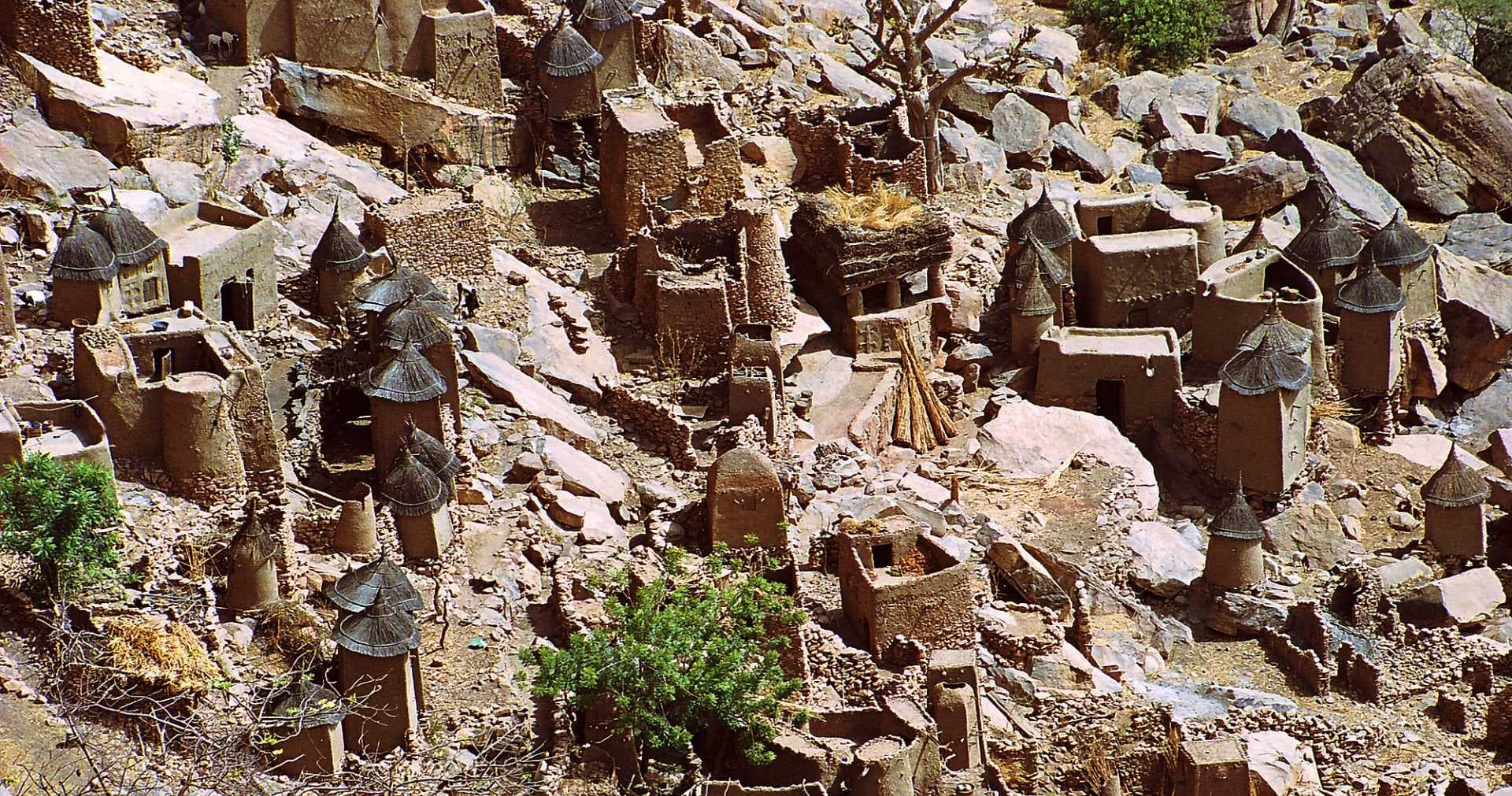
There are no named restaurants in Kinmparana that appear in verified travel databases. Do not expect a menu with prices in XOF and English. You will eat in one of two places: the home of a local family or the open-air market area.
In a town this size, hospitality is often transactional but warm. If you are staying with a local host (which is the only realistic lodging option in Kinmparana), you will eat with them. Meals are communal. You sit on the floor or on low stools. The food is placed in the center. You share. This is simply how people live.
If you are passing through or staying in a guesthouse run by a local entrepreneur, the food will be simple. A bowl of dibi with a vegetable stew. A plate of fried plantains. Bread and butter if the supply truck from Sikasso has arrived. The prices are negligible by international standards. A meal might cost you the equivalent of $1–$3 USD (roughly 500–1,700 XOF). Do not haggle over the price of a bowl of rice. It is a contribution.
The market is the other hub. In Kinmparana, the market is a section of the main road or a dusty clearing. Here, you can buy fresh ingredients. Tomatoes, onions, peppers, and leafy greens are sold in piles. You can also buy prepared snacks: roasted corn, grilled skewers of meat, or akoué (a fermented grain drink). The market is loud, dusty, and alive. The smell is a mix of woodsmoke, frying oil, and ripe fruit. This is where you go if you want to see what people actually buy.
Practical Logistics: Money and Timing
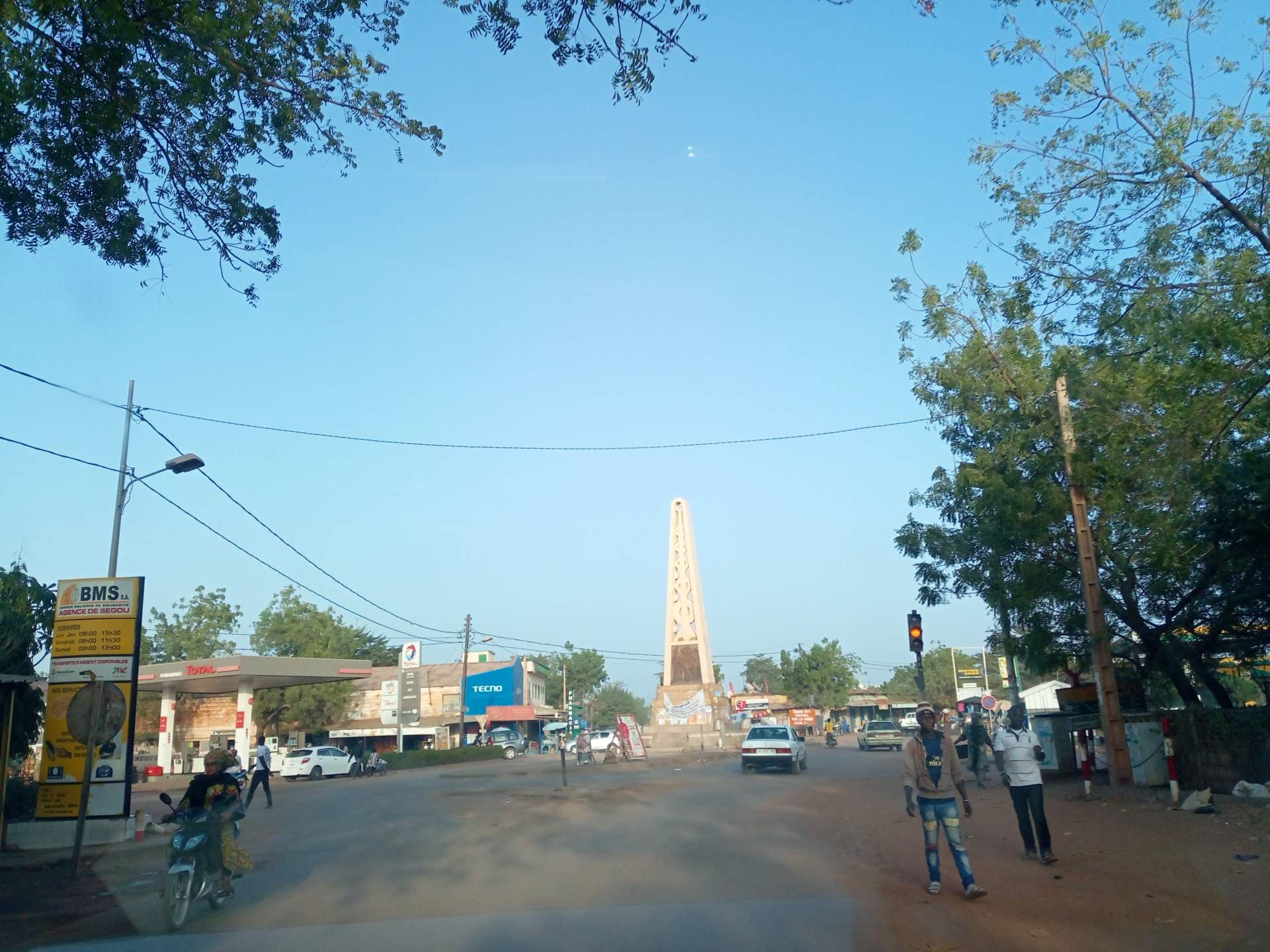
The currency is the West African CFA franc (XOF). One US dollar is approximately 565 XOF. Cash is king. There are no ATMs in Kinmparana. You will need to withdraw cash in Sikasso or Ségou before you arrive. Bring small bills. A 5,000 XOF note is too large for a street snack. A 500 or 1,000 XOF note is more useful.
Timing is everything. In rural Mali, the day is structured by the sun and the heat.
- Breakfast (7:00–9:00 AM): Tô with a light sauce, or bread and tea. The light is soft, and the air is still cool. This is the best time to be outside.
- Lunch (12:00–2:00 PM): The main meal. Dibi or tô with a hearty stew. The heat is at its peak. Most people are indoors or in the shade.
- Dinner (6:00–8:00 PM): A lighter version of lunch, or leftovers. The evening air cools down, and the town comes alive.
Do not expect 24-hour food. If you are hungry at 2:00 AM, you are on your own. Plan your meals around the local rhythm.
Etiquette and the Local Angle
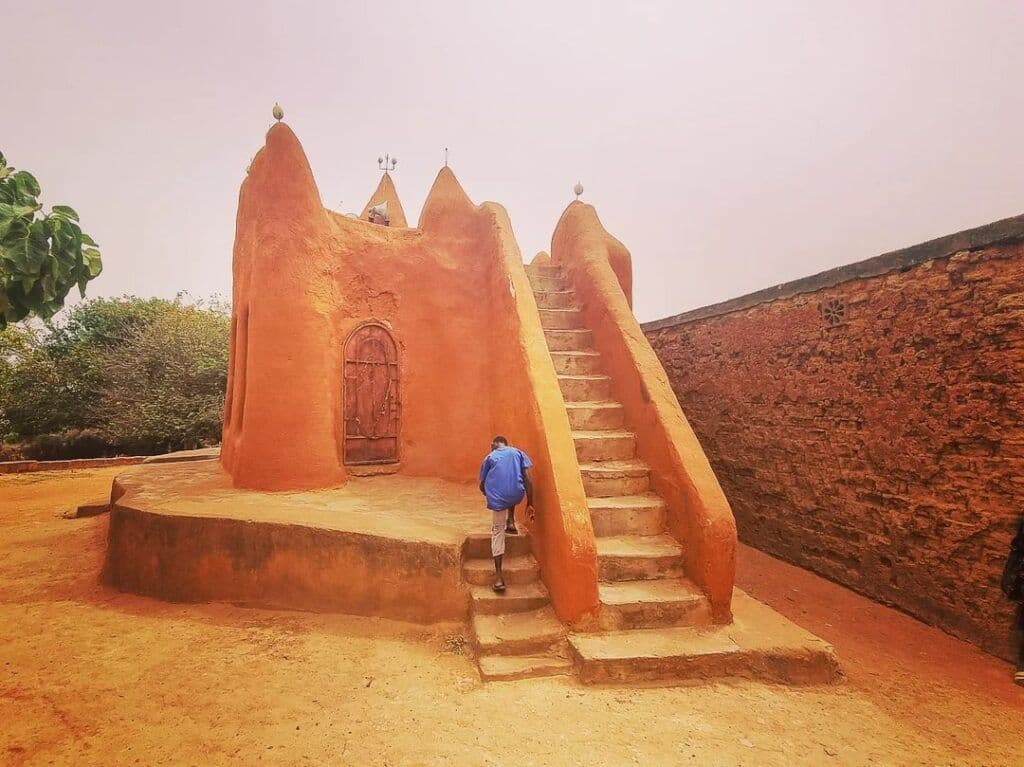
Eating in Kinmparana is a social act. You do not eat alone. If you are invited to a meal, you accept. If you are not invited, you do not impose yourself on a family's private space. However, in the market, interaction is expected.
The Right Hand Rule: This is non-negotiable. In many West African cultures, the left hand is considered unclean. You eat, shake hands, and pass food with your right hand. If you use your left hand, you are signaling a lack of respect.
Blessing the Food: Before you start eating, a local may say a prayer or ask for a blessing. You should wait until they finish. Then, you begin.
Praise the Cook: If the food is good, say so. "This is delicious" is a universal language, but in a local context, it matters more. The cook is often a woman who has spent hours preparing the meal. Your appreciation is a form of respect.
Alcohol: Alcohol is less common in rural Mali than in Bamako. If you are Muslim, you will not drink. If you are not, you may find local beer or wine. The focus is the food and the company.
When to Go and Who It Is For
The best time to visit Kinmparana is during the dry season, from November to February. The rains (June to September) make travel difficult and can disrupt food supply. In the dry season, the market is well-stocked, and the heat is manageable in the early morning and late afternoon.
There are no major holidays in the next six months that will impact food availability in Kinmparana. However, religious festivals (Ramadan, Eid) can change the rhythm of the day. During Ramadan, locals fast during the day, so meals are eaten after sunset. If you are visiting during this time, adjust your expectations. The market may be quieter during the day, and dinner will be the main event.
This is a destination for the slow traveler, the anthropologist, or the person who wants to understand how people live. You need to be patient. You need to be flexible. You need to be willing to eat with your hands.
If you are a solo traveler, you will need to be respectful and observant. If you are a family, you will need to be prepared for the dust and the heat. If you are a photographer, you will need to ask permission before taking pictures of people eating.
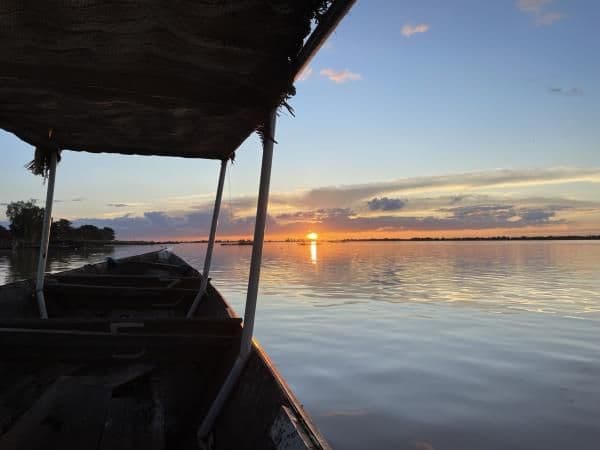
Stay for at least two days. One day is not enough to settle into the rhythm. Two days allows you to see the market in the morning, eat lunch with a local, and watch the evening light hit the clay pots.
FAQ
Do I need to book meals in advance? No. In Kinmparana, meals are shared. If you are staying with a host, you will eat when they eat. If you are in the market, you buy what is available.
Is the food safe? Yes, if you follow the same rules as anywhere else in rural West Africa. Eat food that is cooked fresh. Avoid raw vegetables that have been washed in untreated water. Drink bottled water or water that has been boiled. The local food is safe for locals, so it is safe for you if you are careful.
Can I eat vegetarian? Yes. Tô and dibi are vegetarian