Spring in Djibouti brings a rare reprieve from the intense heat, with temperatures averaging between 25°C and 30°C, making it an ideal time to explore this East African nation. For travelers seeking comfort, safety, and proximity to key attractions, choosing the right accommodation is essential. Djibouti’s hospitality scene, though modest compared to regional hubs, offers well-maintained options in the capital city, where most visitors stay. This guide highlights the best places to stay in Djibouti during spring 2026, focusing on practicality, security, and access to cultural and natural highlights.
Choosing Your Base: Djibouti City as the Hub
The overwhelming majority of tourists to Djibouti base themselves in Djibouti City, the country’s capital and only major urban center. It’s here that you’ll find the most reliable accommodations, dining options, and transportation links. The city’s compact size means that even mid-range hotels are within easy reach of key attractions such as the National Museum, the historic Fort of Djibouti, and the bustling Central Market. For first-time visitors, staying in the city center or near the port area ensures convenience and safety.
Safety is a top priority in Djibouti, and the government has made significant efforts to maintain stability in recent years. The country is considered relatively safe for tourists, especially when compared to its neighbors. However, travelers are advised to avoid rural areas and stick to well-lit, populated zones—especially at night. Hotels in Djibouti City are typically secure, with 24-hour reception, room safes, and gated access. Most properties are located along major thoroughfares like Boulevard de l’Indépendance or near the Port of Djibouti, which is a major economic and logistical hub.

Top Hotel Options in Djibouti City
For travelers seeking comfort and modern amenities, the Hotel Djibouti stands out as a reliable choice. Located in the heart of the city, it offers clean, air-conditioned rooms, a restaurant serving both local and international cuisine, and free Wi-Fi. The hotel is frequently praised on travel platforms for its courteous staff and central location, making it ideal for those who want to explore the city on foot or by taxi. It’s also within walking distance of the National Museum and the Grand Mosque.
Another solid option is the Djibouti Palace Hotel, which caters to both business and leisure travelers. With a rooftop terrace offering panoramic views of the city and the Red Sea, it’s a favorite among those seeking a bit of luxury. The hotel features a small fitness center, a business lounge, and a restaurant with a focus on African and Middle Eastern dishes. It’s particularly well-suited for travelers arriving via the international airport, as it’s just a 10-minute drive away.
For budget-conscious travelers, the Hotel Océan provides clean, no-frills accommodations with excellent value. While not as upscale as its competitors, it offers a secure environment, basic amenities, and a friendly staff. It’s located near the port, which is convenient for those planning day trips to nearby islands or coastal areas.

Staying Near the Coast: Coastal Resorts and Guesthouses
While most visitors stay in the city, a growing number are opting for coastal accommodations during spring, when the weather is most pleasant. The coastal areas near the Port of Djibouti and along the Gulf of Tadjoura offer a more relaxed atmosphere, with views of the Red Sea and access to beaches. These areas are less developed, so amenities may be more basic, but they offer a unique experience for those seeking tranquility.
The L’Oasis Guesthouse is a popular choice for travelers who want to be close to the water. It features simple, clean rooms with private bathrooms and a shared outdoor terrace. The guesthouse is located just a few minutes from the beach and offers guided snorkeling tours to nearby coral reefs. It’s also a favorite among divers, who come to explore the rich marine life around the islands of Moussa and Arta.
For those seeking a more immersive experience, homestays with local families are available in the coastal villages. These accommodations offer authentic cultural interactions and are often more affordable than hotels. However, travelers should ensure they book through reputable agencies or hotels to guarantee safety and comfort.
Safety and Practical Tips for Your Stay
Djibouti is generally safe for tourists, but as with any destination, common sense is key. Always keep valuables secure, avoid displaying expensive electronics in public, and use licensed taxis or reputable ride-hailing services. The city’s public transportation is limited, so most visitors rely on taxis or private drivers for getting around.
Spring is an excellent time to visit, as the weather is mild and the risk of extreme heat is reduced. However, the region is arid, so staying hydrated is essential. Most hotels provide bottled water, and it’s wise to carry a refillable bottle. Sunscreen, hats, and sunglasses are also recommended, even on overcast days.
Day Trips and Nearby Attractions
From your base in Djibouti City, you can easily arrange day trips to some of the country’s most fascinating sites. The Lake Assal, the lowest point in Africa, is a popular destination for its otherworldly salt flats and geothermal springs. It’s about a 4-hour drive from the capital, but the journey is worth it for the unique landscape. The Ali Sabieh region, known for its lava fields and volcanic formations, is another must-see. For nature lovers, the Moussa Island offers excellent snorkeling and diving opportunities.
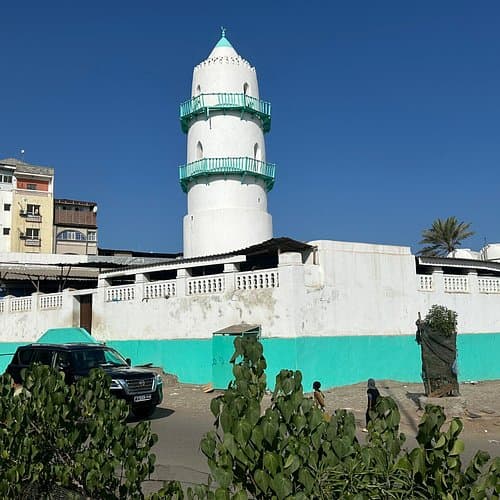
Travelers interested in history and culture should visit the Fort of Djibouti, a 19th-century French military outpost that now houses a museum. The Grand Mosque of Djibouti is also worth a visit for its stunning architecture and serene atmosphere.
Final Thoughts: Planning Your Spring Stay in Djibouti
Djibouti may not be a traditional tourist destination, but it offers a unique blend of natural beauty, cultural heritage, and strategic location in the Horn of Africa. Spring 2026 presents an ideal window to visit, with comfortable weather and fewer crowds. By choosing a well-located, secure hotel in Djibouti City or a coastal guesthouse, travelers can enjoy a safe and enriching experience.
Whether you’re drawn to the country’s volcanic landscapes, its rich maritime history, or its vibrant local culture, Djibouti offers a memorable stay for the curious traveler. With careful planning and the right accommodation, your spring visit to Djibouti can be both comfortable and unforgettable.