Plan your Costa Rica trip around Poás Volcano. Learn why inland hiking beats snorkeling here, plus transport tips and the best time to visit.
The Volcano First, The Water Later
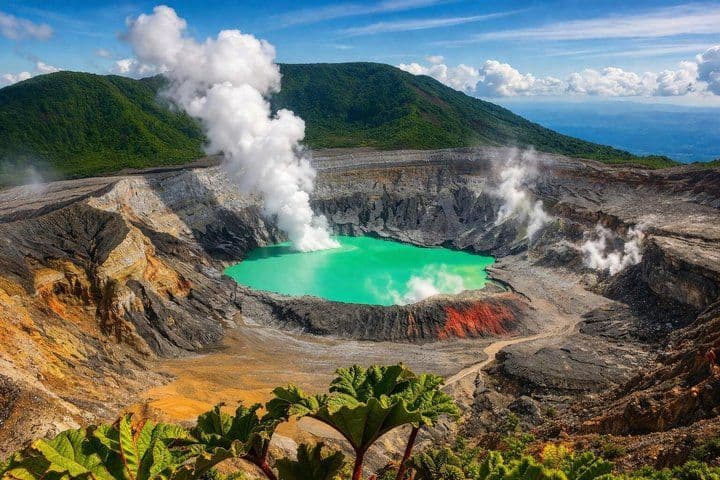
The crater of Poás Volcano sits at 2,700 metres (8,900 ft), a stark contrast to the saltwater reefs you might associate with Costa Rican water sports. Located in the Alajuela province, this national park covers roughly 65 square kilometres (16,000 acres) of highland terrain. The park is an inland destination. You will find no dive shops, snorkeling gear rentals, or marine life within its boundaries. If your itinerary centers on underwater exploration, Poás serves as the terrestrial anchor for your trip.
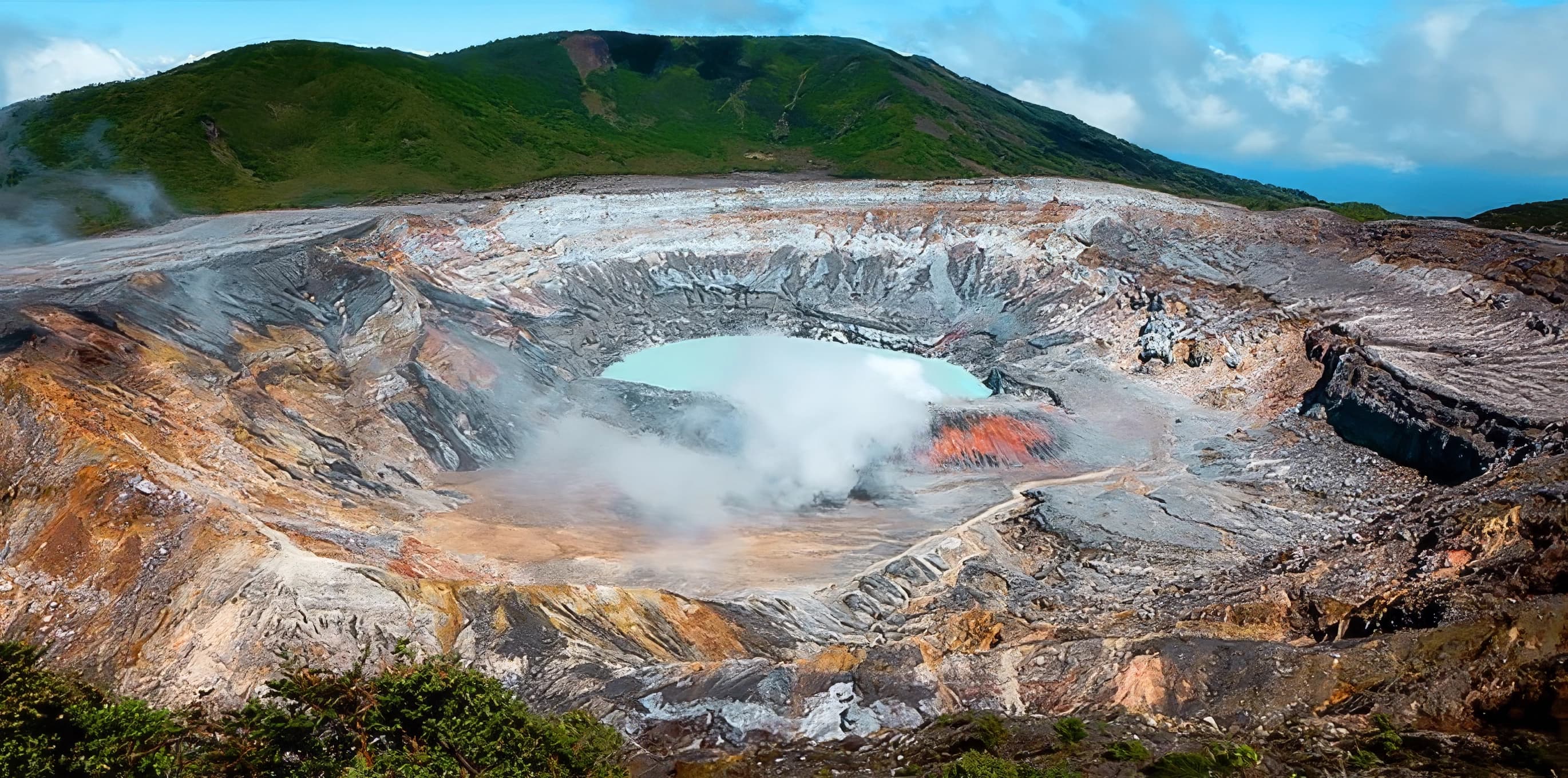
The park was established on 25 January 1971, protecting one of the country’s most active volcanic features. The landscape is defined by the 1910 eruption’s legacy: a vast, steaming caldera surrounded by trails that wind through volcanic rock and cloud forest. The primary draw is the view down into the crater, a geothermal spectacle that feels alien compared to the tropical beaches found elsewhere in the country.
Why Poás Is Not a Diving Destination
Searches for “snorkeling in Poás” yield no local results because the geography simply does not support it. Poás lies in the Central Valley, far from the Pacific or Caribbean coasts. The nearest confirmed snorkeling sites in Costa Rica, such as Caño Island, Catalina Islands, or Cahuita, are significant day trips or multi-day excursions away, requiring a change in both landscape and logistics.
For travelers committed to diving, the Costa Rica dry season (December to April on the Pacific side) offers the best visibility, but this window applies to coastal zones, not the highlands. Attempting to combine a full-day dive trip with a visit to Poás in the same day is logistically difficult due to the distance between the central valley and the coast. Instead, treat Poás as a dedicated highland experience. The activity here is hiking, observing geothermal activity, and navigating the changing weather of the cloud forest.
Planning Your Ascent
Accessing Poás Volcano National Park requires careful timing. The park limits entry to 500 visitors per day, and tickets must be purchased in advance on the official SINAC website. This cap ensures the trails remain manageable, but it means last-minute plans often fail. The entrance fee is US$15 for adults and US$5 for children aged 2–12, payable in cash only at the gate.
From San José, the drive is approximately 49 km, taking about 1 hour and 20 minutes. Many visitors opt for guided tours that depart from San José, which often include transportation and entry fees. Alternatively, bus service departs from Alajuela, a key transit hub for the region. Once at the parking area, a short shuttle bus, typically included in the entry process, runs to the trailhead.
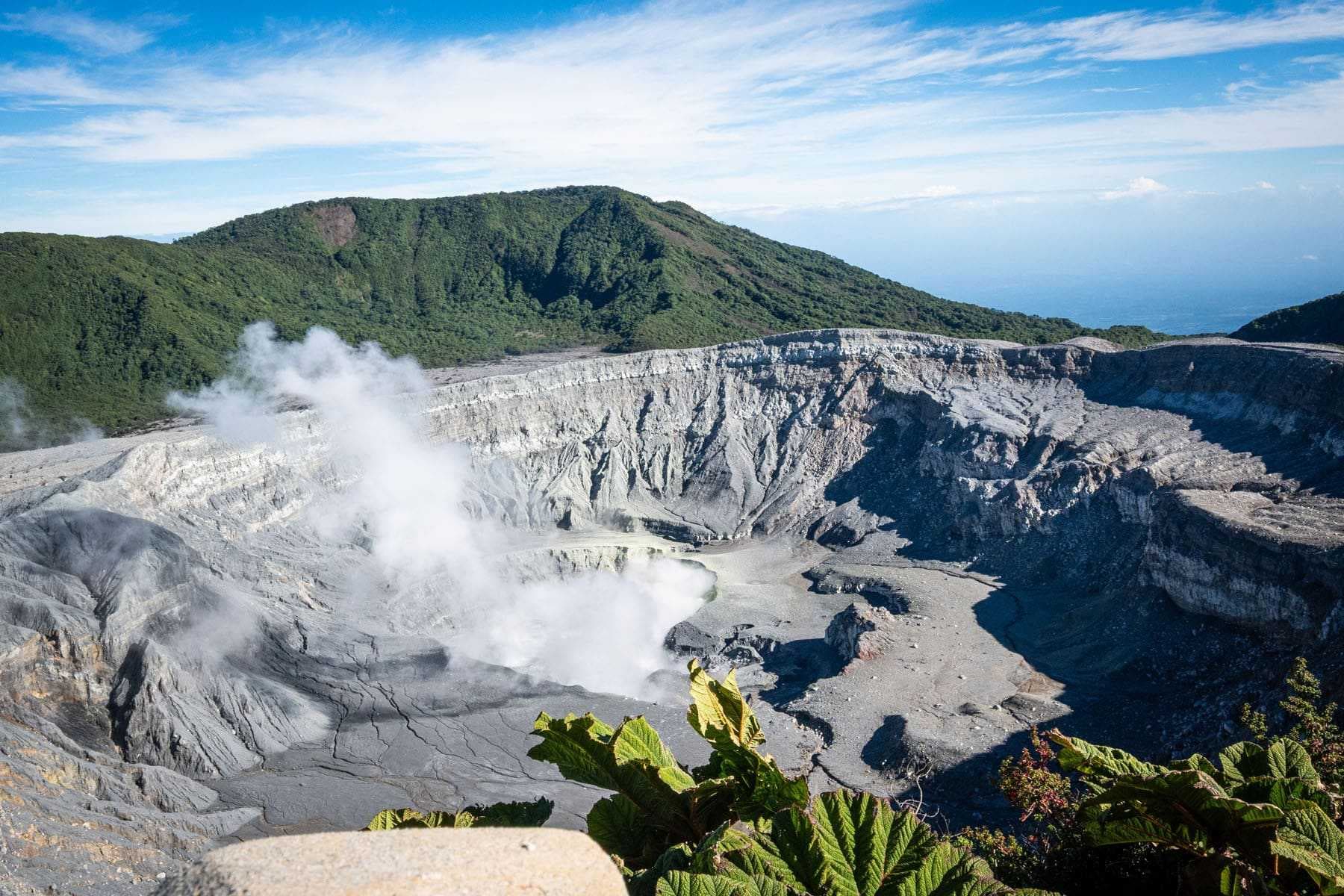
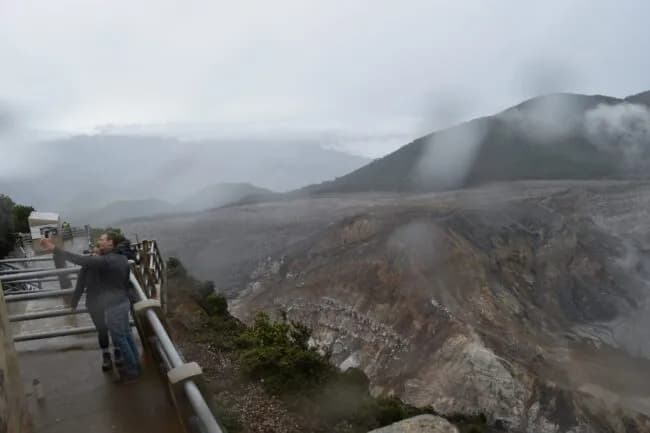
Weather is the biggest variable. Mist is common even on clear mornings, and the crater often becomes obscured by clouds by around 10:30 AM. To see the active lava lake and steam vents clearly, arriving at opening time is essential. Pack a rain jacket; the highland climate shifts quickly, and the temperature drops significantly compared to the lowland coasts.
Practical Logistics for Visitors
Since there is no local food infrastructure confirmed within the immediate park area that serves specific regional dishes, plan your meals in the nearby towns of Alajuela or San José before or after your visit. The park itself focuses on conservation and visitor management, rather than commercial hospitality.
When booking, note that half-day and full-day guided tours are widely available from San José. These tours simplify the logistics of buying tickets in advance and navigating the roads. If you are self-driving, ensure you have enough cash for the entrance fee, as card payments are not accepted at the gate.
For those interested in combining land and sea, consider splitting your Costa Rica stay. Spend two to three days in the highlands around Poás to hike the trails and witness the volcanic activity. Then, move to a coastal base like Guanacaste or the Osa Peninsula for diving and snorkeling. Trying to do both in a single day from Poás is inefficient and misses the depth of both experiences.

When to Go
The best time to visit Poás depends on your priority: crater visibility or comfortable hiking. The dry season (December to April) generally offers clearer skies, increasing the chances of seeing the crater before the clouds roll in. However, even in dry months, the 10:30 AM cutoff for clear views remains a reliable benchmark.
Upcoming holidays will affect availability and pricing. Independence Day falls on 15 September 2026, just two weeks away. Expect higher demand for tours and accommodation in the Alajuela and San José areas during this period. Book early if traveling then. Christmas (25 December) and New Year’s Day (1 January) are also peak times, with crowded trails and premium rates for tours.
For solo travelers or those preferring slower pacing, visiting outside major holidays allows for a quieter experience on the trails. The park is suitable for families, as the main trail to the crater rim is well-marked and accessible, though the elevation and weather require preparation. A half-day is sufficient for the main highlight, leaving the rest of the day for exploring the surrounding highland towns.
Frequently Asked Questions
Is there diving in Poás? No. Poás is an inland volcanic park. Diving and snorkeling require travel to coastal regions like the Pacific or Caribbean coasts, which are far from the park.
How much does it cost to enter Poás National Park? The entrance fee is US$15 for adults and US$5 for children (ages 2–12). Payment is cash-only, and tickets must be bought online in advance.
What time should I arrive to see the crater? Arrive as early as possible. The crater often fills with clouds by 10:30 AM, obscuring the view. Early morning visits offer the best chance of clear visibility.