Pedal 264 km along the provincial road to Namatanai, Papua New Guinea. A precise audit of terrain, logistics, and the local market rhythm.
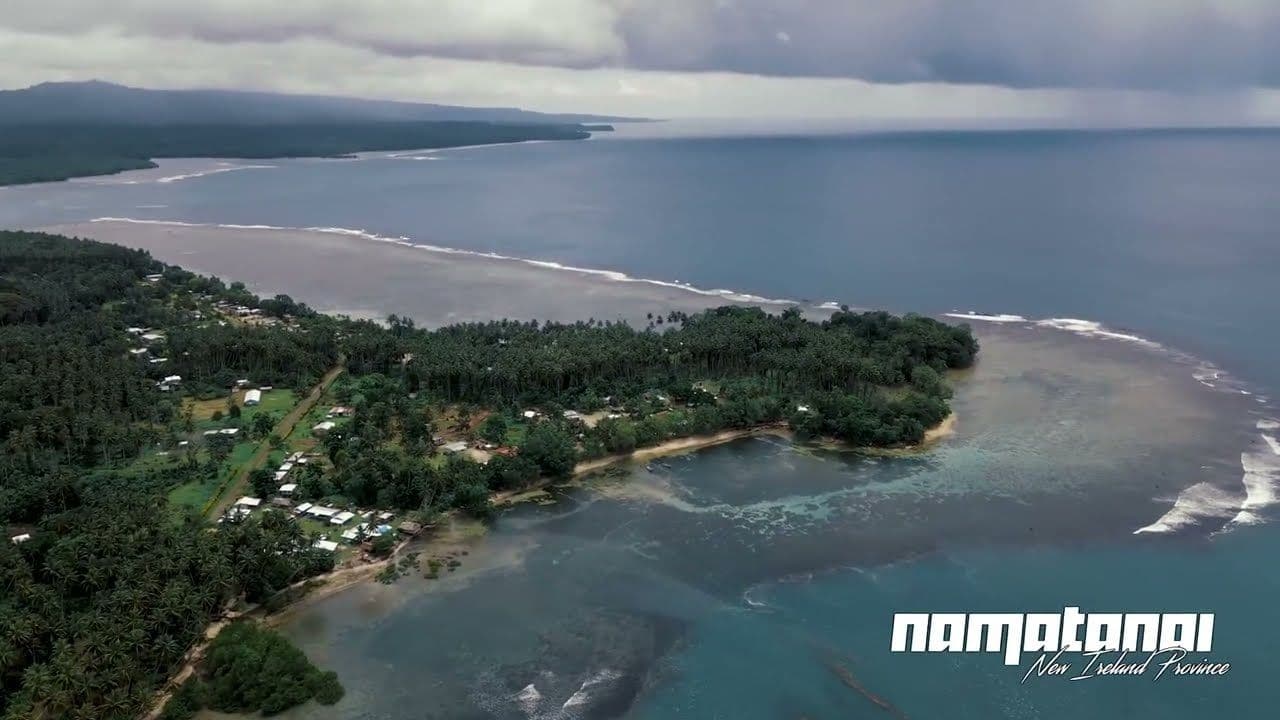
The road from Kavieng to Namatanai does not ask for permission. It is a 264-kilometer stretch of asphalt and gravel linking the provincial capital to Namatanai, the second-largest town in New Ireland Province. For the cyclist, this route serves as the primary arterial connection in a province defined by its isolation. Namatanai, with a population estimated at roughly 1,500 residents, operates with a quiet efficiency. The infrastructure is sparse but functional. The Namatanai Hotel anchors the town, built atop the foundation of the old German Station house from the era of German New Guinea. This historical layering provides a baseline for understanding the town’s character: disciplined, rooted, and unpretentious. Cycling here is a test of endurance and preparation, and it demands rigorous fitness.
The Route and Terrain
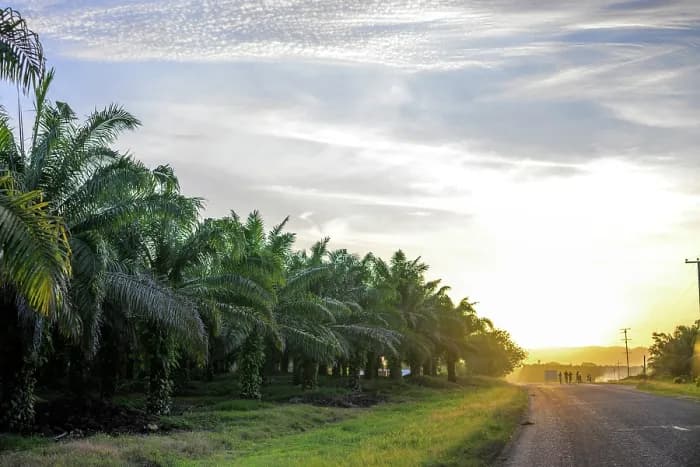
The journey from Kavieng to Namatanai follows the main provincial highway. The distance is significant, requiring careful pacing. The road surface varies, transitioning between paved sections and rougher gravel stretches that demand attention to tire pressure and suspension. There are no railway lines or alternative public transit systems connecting these towns directly, making the bicycle—or a private vehicle—the only viable independent mode of transport for the full length of the highway.
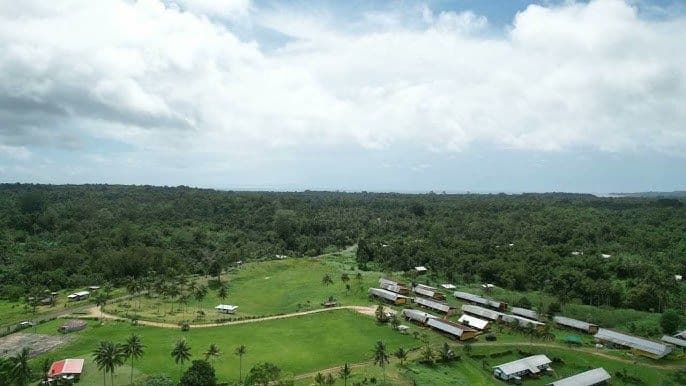
The landscape shifts from coastal flatlands to more undulating inland terrain. Visibility is generally good, allowing for accurate distance estimation. However, the heat in New Ireland is a constant variable. The air is humid, and the physical exertion required to maintain speed over 264 kilometers is non-trivial. Cyclists should anticipate a multi-day ride, breaking the journey into manageable segments. The lack of frequent fuel stops or repair shops along the highway necessitates carrying spare tubes, patch kits, and essential tools. The road is used by local traffic, including trucks and buses, so situational awareness is critical. The discipline of the route mirrors the town itself: straightforward, without unnecessary ornamentation.
Accommodation and Logistics
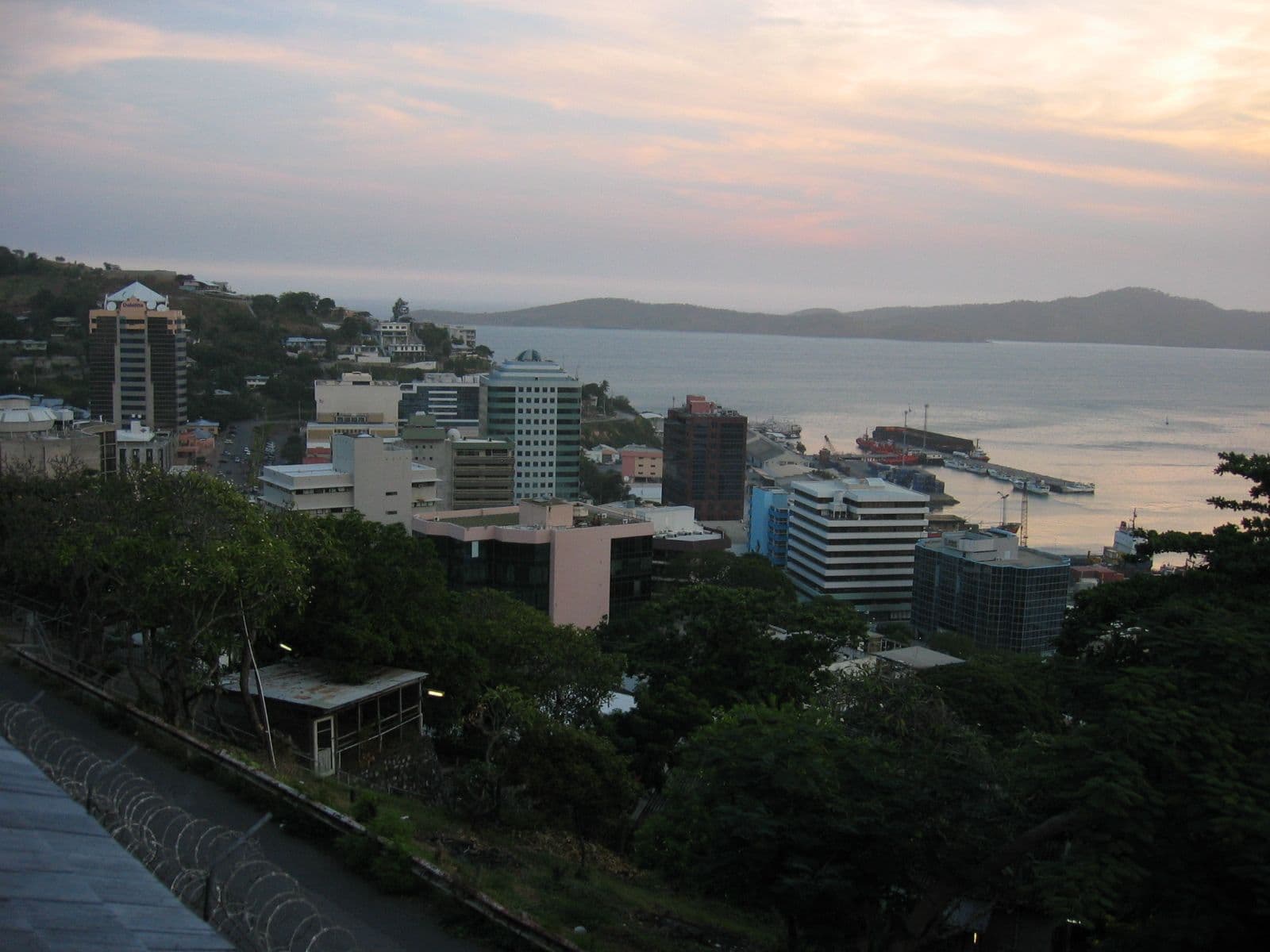
Namatanai Hotel is the primary lodging option in the town. Its location atop the historic German Station house offers a vantage point over the town center. The property reflects the colonial architectural heritage of the region, providing a stable base for cyclists completing the ride from Kavieng. Rates are modest compared to international standards, though specific pricing fluctuates based on season and availability.
For cyclists, the proximity of the hotel to the town center is a logistical advantage. The Namatanai Local Market is within walking distance, offering immediate access to fresh provisions. There is no confirmed chain hotel presence in Namatanai; the accommodation landscape is limited to local establishments. Travelers should book ahead during peak tourist seasons or national holidays. The airstrip, Namatanai Airport (IATA: ATN / ICAO: AYNX), serves as the entry point for most visitors arriving by air from Port Moresby or Kavieng. From the airstrip, arranging ground transport to the hotel is straightforward, though public bus schedules may be irregular.
Provisions and Food
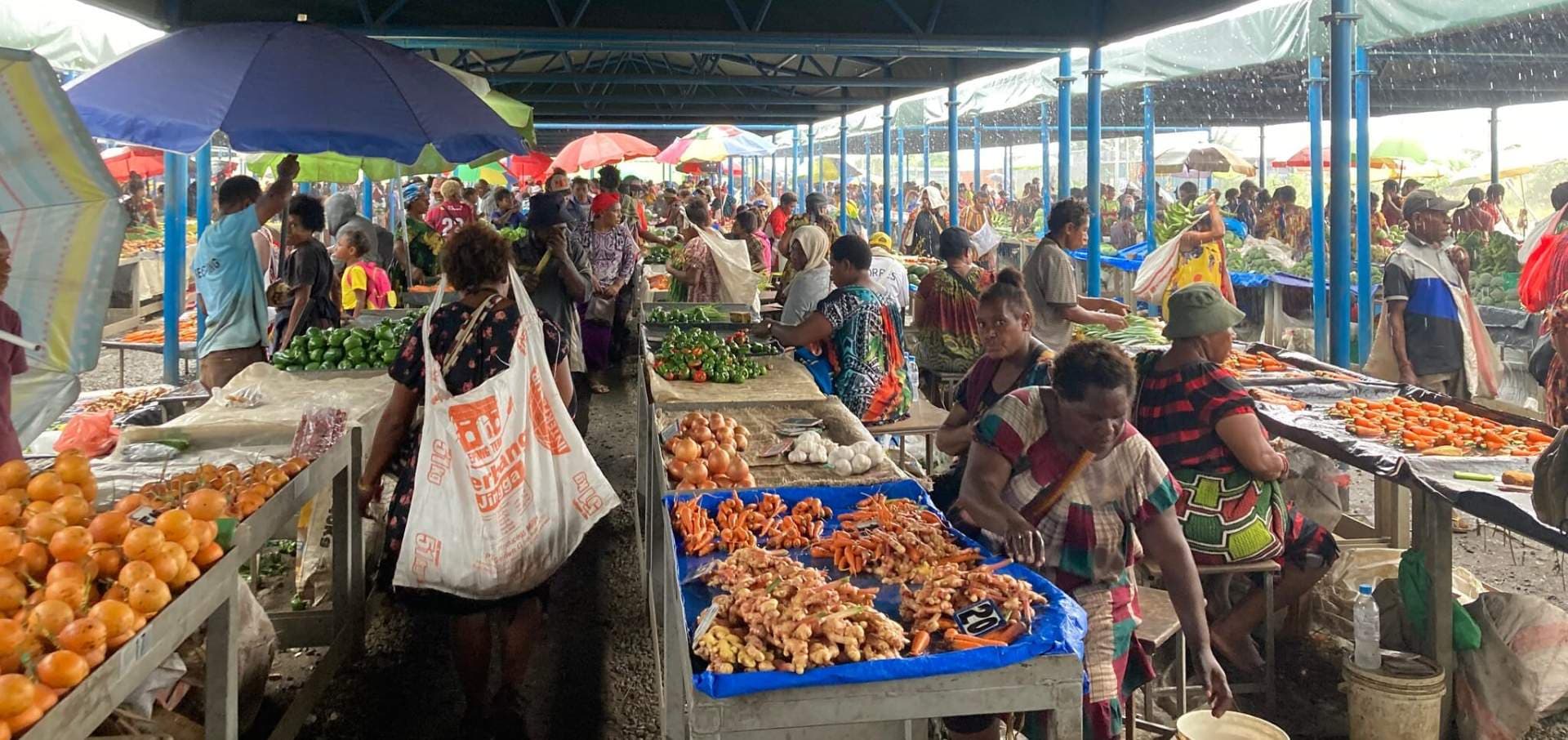
The Namatanai Local Market is the central hub for food and supplies. It is a compact, lively space operating primarily in the morning. Here, cyclists can stock up on fresh fish, taro, bananas, and sago. These are the staples of the Papuan diet, readily available and affordable. The market also sells small handcrafts and local snacks, offering a glimpse into daily life.
Cooking for oneself is recommended for long-distance cyclists to manage caloric intake and hygiene. The local cuisine relies heavily on root vegetables and coconut-based dishes. Sago and banana dumplings boiled in coconut milk are common regional preparations. While no specific named dish unique to Namatanai is documented in major culinary databases, the ingredients are consistent across New Ireland. Cassava, sweet potato (kaukau), and breadfruit (ulu) form the carbohydrate backbone. Fresh fish from the nearby waters is a reliable protein source. Water purification is essential; tap water should be treated before consumption. The market provides a sensory anchor: the smell of fresh produce, the sound of local conversation, and the visual array of tropical fruits.
Timing and Conditions
The best time to cycle the highway depends on weather patterns. New Ireland experiences a wet season and a dry season. The dry season offers more predictable road conditions and lower humidity, making it ideal for long-distance cycling. The wet season brings heavy rainfall, which can turn gravel sections muddy and increase the risk of landslides. Cyclists should check local forecasts before departing.
Upcoming holidays impact availability and pricing. National Repentance Day falls on August 26, 2026. As this date approaches, expect higher demand for accommodation in Namatanai. Booking early is advisable. Independence Day on September 16, 2026, will see increased local activity and potential crowding. The lead-up to these dates warrants early reservations for the Namatanai Hotel.
The audience for this route includes solo travelers, small groups, and experienced cyclists seeking remote routes. It is not suitable for beginners due to the distance and lack of support services. A minimum stay of five to seven days is recommended to cover the 264-kilometer distance comfortably, allowing for rest days and exploration of Namatanai and its coastal surroundings. The shoreline features clear waters and white sand, providing a necessary recovery spot after riding.
Practical FAQ
Is the road safe for cyclists? The highway is a main road used by local vehicles. Safety depends on visibility and driver behavior. Cyclists should wear high-visibility clothing and ride defensively. There are no dedicated bike lanes.
Can I get repairs in Namatanai? Basic bicycle repairs may be possible in the town, but specialized parts are unlikely to be available. Carry all necessary repair tools and spare parts from Kavieng or Port Moresby.
What currency is used? The Papua New Guinean Kina (PGK) is the local currency. Cash is king in Namatanai. ATMs are scarce, so withdraw funds in Kavieng or Port Moresby before starting the ride. Credit cards are rarely accepted outside major hotels.
Do I need a visa? Most travelers require a visa to enter Papua New Guinea. Check with the nearest PNG embassy or consulate for current requirements. Entry permits may be issued on arrival for certain nationalities, but pre-approval is safer.
The road to Namatanai is a test of preparation. It rewards those who respect the distance, the climate, and the local rhythm. The town offers a stark, efficient counterpoint to the chaos of larger cities. For the disciplined traveler, it is a route that delivers exactly what it promises: isolation, challenge, and authenticity.