Pedal past freight hubs and up granite peaks in Eswatini’s industrial heart. This is a workout against the grain of the landscape.
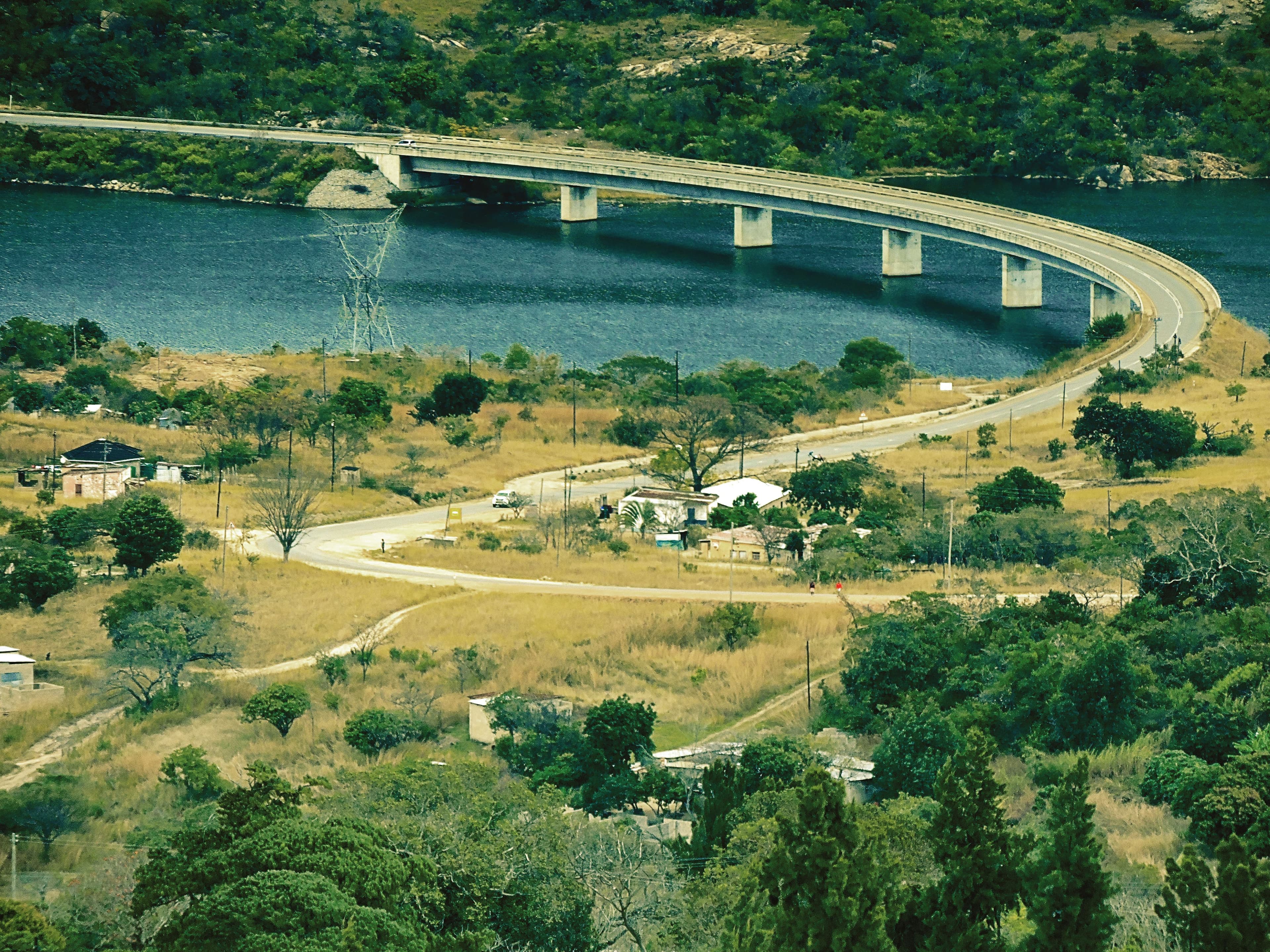
The chain ratchets. Your lungs burn. The road out of Sidvokodvo doesn’t curve gently; it climbs, cuts, and exposes you to the dry, red dust of Eswatini’s lowveld. You are not here to be pampered. You are here because the airport lounges and five-star resorts have failed to convince you that comfort is the same as living. Sidvokodvo is a junction. Literally. It sits at the intersection of railway lines that have moved ore and freight since the colonial era, a place where the iron skeleton of the country’s industry still hums beneath the soil. To cycle here is to ignore the sanitized brochure version of Africa and engage with the grit.
The Landscape of Labor
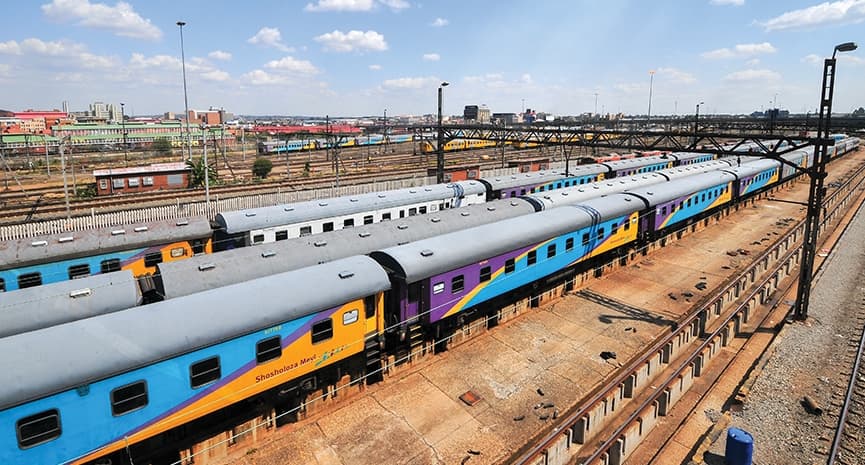
Sidvokodvo is a working town. The dominant feature is the Sidvokodvo Railway Junction. This is a central freight hub where lines from Mpaka meet those crossing the South African border via Phuzumoya. When you ride through the outskirts, you will hear the heavy, rhythmic clatter of trains. It is an abrasive sound. It reminds you that this land was carved out for extraction.
Most tourists skip this area, chasing the wildlife parks further south. They miss the texture of the real place. Cycling here forces you to slow down to the speed of the locals. You pass corrugated iron roofs, dusty yards, and the occasional rusted rail car sitting on sidings like a monument to obsolete industry. The air smells of dry grass and diesel. It is honest. It does not try to sell you a dream of safari luxury. It asks you to pedal.
The roads are paved but uneven, scarred by heavy trucks. You will feel every bump. This is good. It keeps you present. If you are looking for a smooth, ribbon-like path lined with manicured gardens, you are in the wrong country. Sidvokodvo demands attention. It demands that you watch the road, watch the traffic, and respect the machinery that moves through it.
Mlilwane: The Green Escape
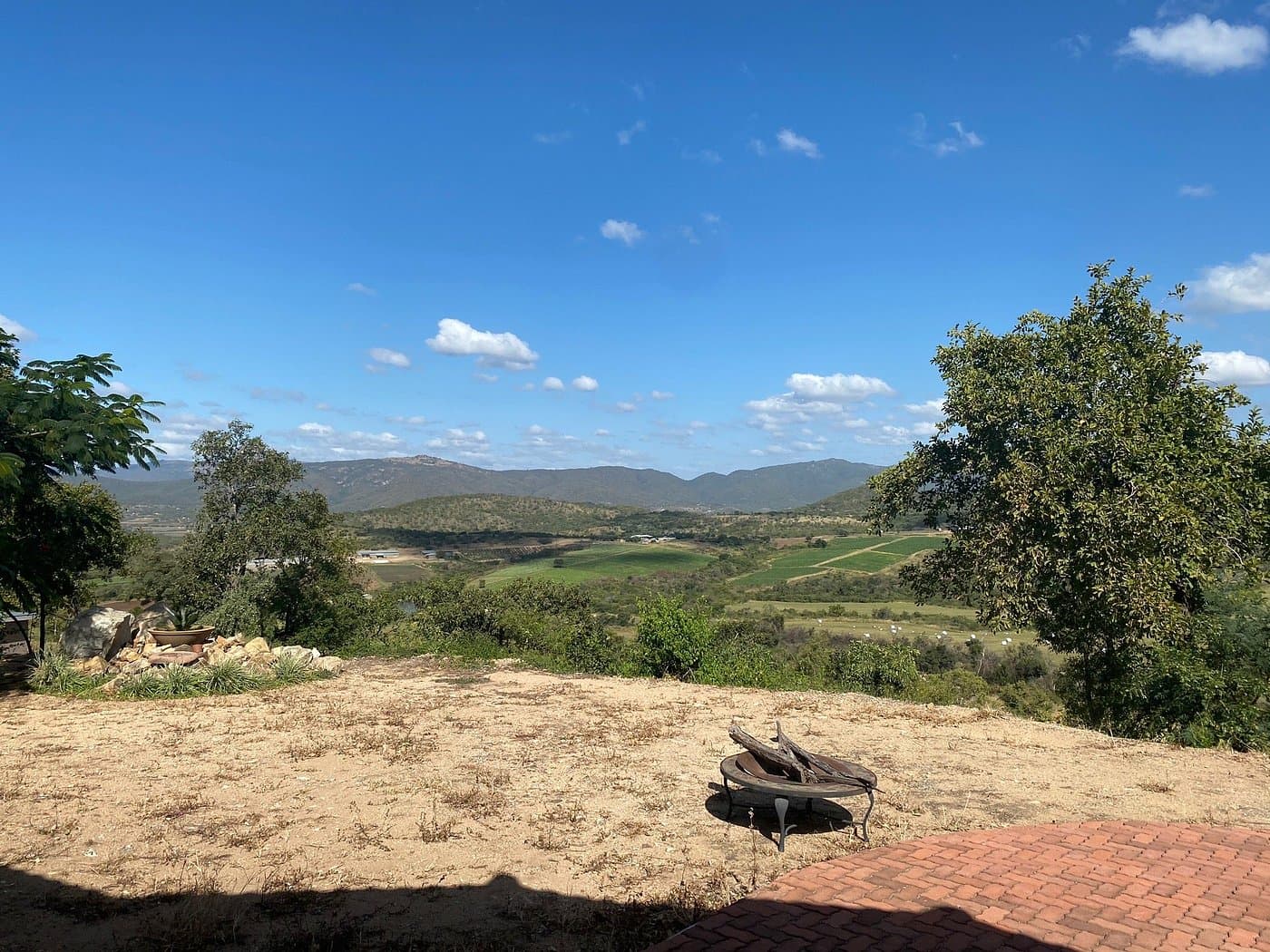
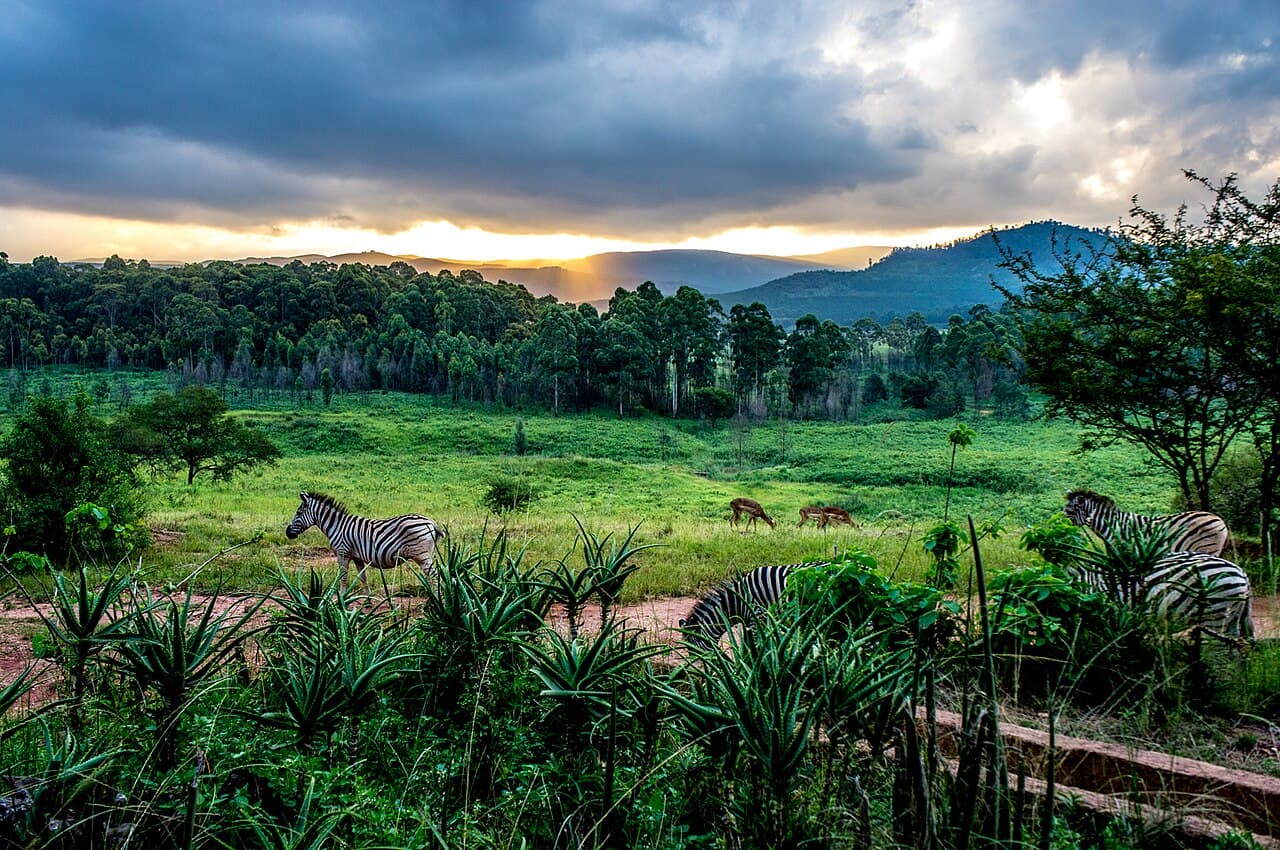
If you need a break from the industrial hum, you ride toward the Mlilwane Wildlife Sanctuary. It is listed as the most popular attraction in the vicinity, and for good reason. It is a stark contrast to the railway yards. Here, the air cools. The noise fades. You trade diesel fumes for the scent of eucalyptus and damp earth.
Mlilwane is not vast, but it is dense. Cycling the trails here is a different discipline. The paths are narrower, winding through bushveld that feels ancient. You might see a zebra grazing near the track, indifferent to your presence. This is not a zoo. These animals are used to the quiet intrusion of humans. The sanctuary serves as a buffer, a green lung in a region defined by stone and steel.
The ride to Mlilwane is a commute. It takes you out of the town’s immediate sprawl and into the rolling hills of the Lubombo region. The terrain is undulating. You will climb. You will descend. The views open up to reveal the patchwork of smallholdings and wilder patches of forest. Nature here is a competitor for space. You are riding through a living ecosystem that has survived alongside mining and farming. Respect the boundaries. Stay on the marked trails. The wildlife does not care about your itinerary.
Sibebe Rock: The Vertical Challenge
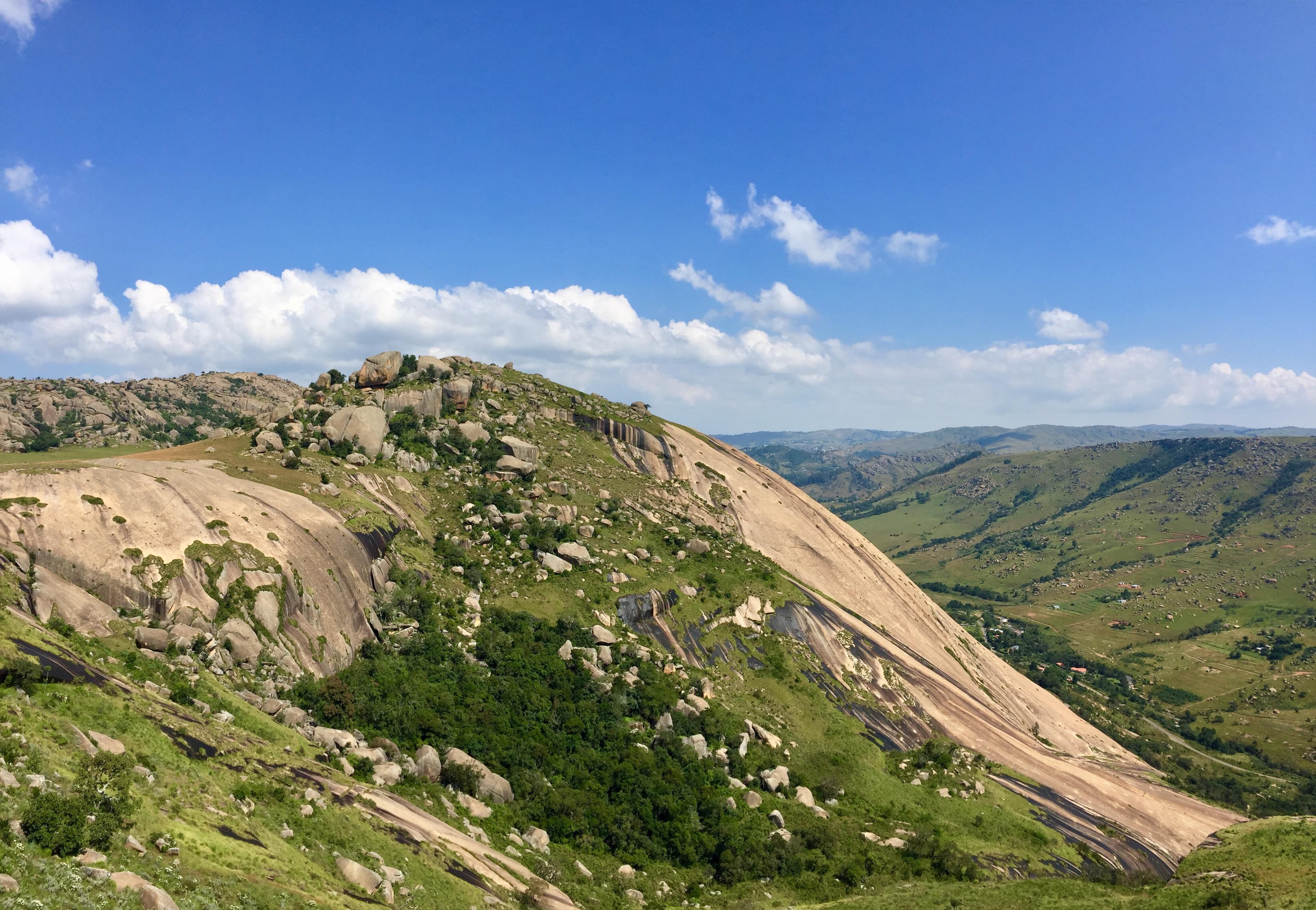
For those who think the flatlands are too easy, there is Sibebe Rock. It is a mountain, a massive granite peak that rises abruptly from the plains. It is often called the second-largest monolith in the world. Whether that title is accurate is less important than the physical reality of it. It is a wall of rock.
Cycling up to the base of Sibebe Rock is a test of endurance. The gradient is steep. The sun is unforgiving. You will sweat. You will question your life choices. This is the point. The view from the top is not just scenic; it is earned. You can see the entire region spread out below you, a tapestry of red soil and green vegetation. The rock itself is a geological anomaly, a relic of volcanic activity that has resisted erosion for millions of years.
The climb is solitary. There are no cable cars. No shuttle buses. Just you, the bike, and the stone. The air thins slightly as you ascend. The heat radiates off the granite. It is a brutal, beautiful experience. Do not attempt this if you are not prepared for the physical demand. Sidvokodvo does not coddle. It challenges. The summit offers a silence that feels heavy, a pause in the constant motion of the land below.
Practical Realities
Cycling in Sidvokodvo requires preparation. There are no dedicated bike lanes. You share the road with trucks, buses, and motorcycles. Visibility is key. Wear bright colors. Use lights, even during the day. The roads can be dusty, which means your chain will need frequent cleaning and lubrication. Bring extra gear. Mechanical failures are not an inconvenience here; they are a potential hazard.
Water is essential. The dry season, from May to September, is the best time to visit. The temperatures are cooler, and the game viewing in Mlilwane is better as animals congregate around water sources. However, the sun is still intense. Dehydration is a real risk. Carry more water than you think you need.
Accommodation options in Sidvokodvo itself are limited. Most visitors stay in nearby towns or in guesthouses near Mlilwane. Prices vary, but expect to pay for basic comfort. Luxury is scarce. This is a place for simple beds, clean sheets, and cold beer. Book ahead, especially during peak season. The infrastructure is not designed for mass tourism.
When to Go
The dry season (May–September) is the window. The rains have stopped. The roads are firm. The wildlife is visible. However, this is also the peak period for visitors to the region. The King’s Birthday (late July) is approaching. Expect higher demand for accommodation and increased crowding in local areas. Book early. If you can avoid the exact date of the holiday, do so. The roads will be busier. The prices will be higher.
Independence Day (early September) is another peak period. Locals will be celebrating. The atmosphere will be festive, but the logistics will be tighter. If you are a solo traveler or a couple seeking quiet, aim for the shoulder months of May or September. The weather is still good, but the crowds are thinner.
FAQ
Do I need a visa? Check current entry requirements for Eswatini (Swaziland) based on your nationality. Many nationalities require a visa on arrival or an e-visa. Visa requirements vary by nationality; check the official Eswatini immigration website before travel.
Is it safe to cycle? Sidvokodvo is a working town. Traffic can be unpredictable. Ride defensively. Cycling at night is not recommended due to poor lighting. Stick to daylight hours.
What about food? There are no specific local dishes verified for Sidvokodvo itself. You will find standard Eswatini fare: maize porridge (sawu), beans, and vegetables. Eat where the locals eat. It is cheaper, cleaner, and more authentic. Avoid packaged tourist traps.
Sidvokodvo is not a destination for the faint of heart. It is for those who want to see the machinery of the country, the sweat of the land, and the beauty that persists despite it. Get on the bike. Ride the rust. Feel the burn. It is the only way to know the place.