Step off the overnight train from Ashgabat into the heart of Turkmenistan’s cultural north. Explore the bazaar, taste nomadic cuisine, and stand before ancient ruins.
The Gateway to the North
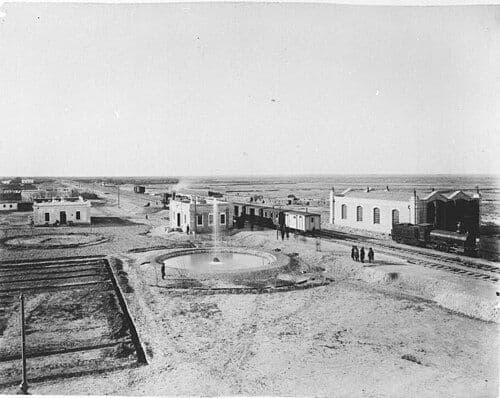
Arriving in Daşoguz is less about a grand entrance ceremony and more about the rhythmic clatter of the overnight sleeper train finally slowing down. Served by Turkmenistan Railways, the line from Ashgabat typically runs one to two times daily in each direction, with fares starting around USD 7. This affordable rail link makes the city a practical stopover for travelers moving between the capital and the country’s remote northern regions. The journey itself is part of the experience; waking up in a small central Asian city as the landscape shifts from urban sprawl to open steppe sets a deliberate pace. Daşoguz offers a distinct appeal for those seeking cultural immersion without the crowds of more famous destinations. It serves as a functional basecamp, a place where the rhythm of life is slower and the connection to the land is tangible.
Dining on Nomadic Traditions
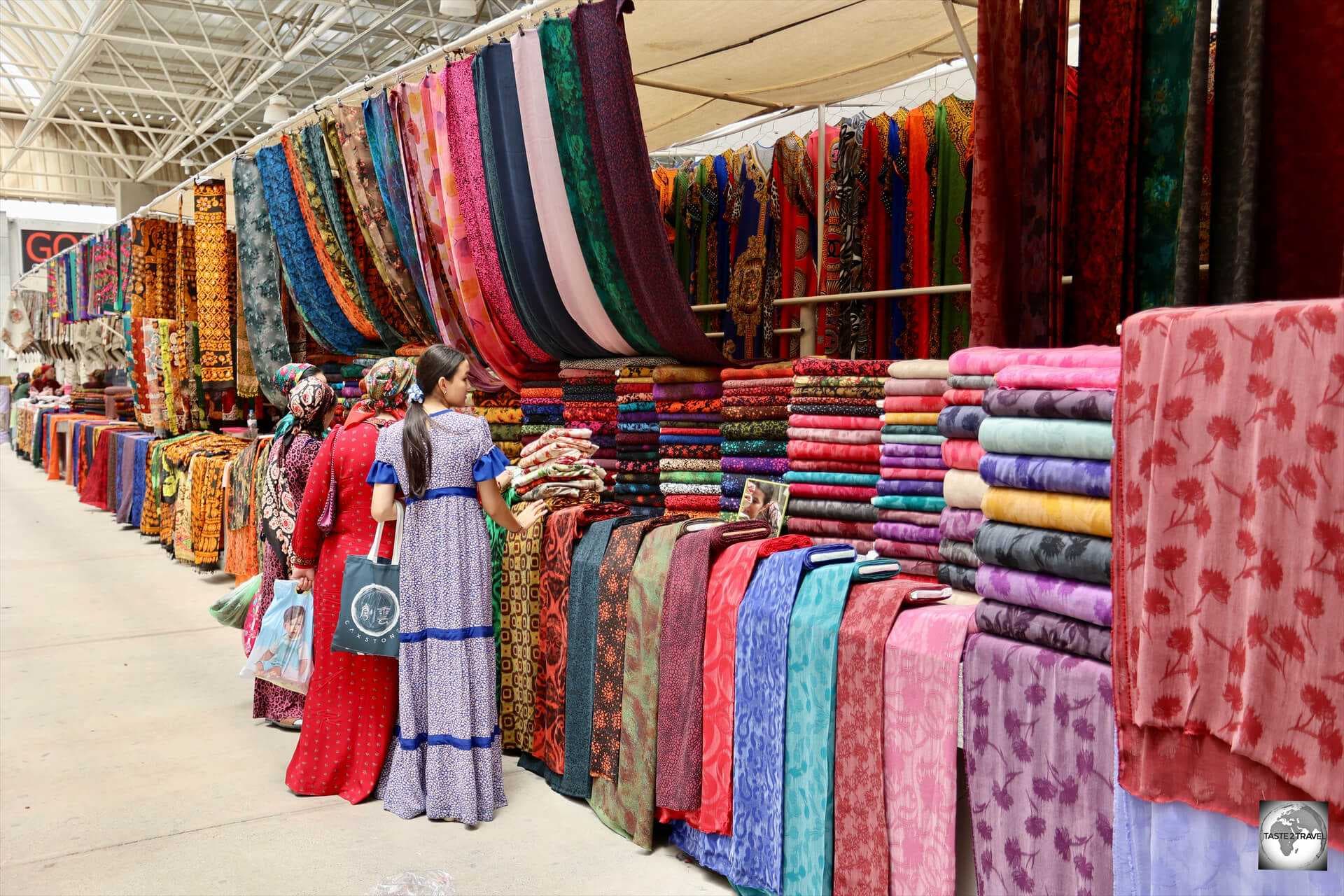
Food here is an extension of the nomadic heritage, heavily influenced by the arid climate and the availability of livestock. The cuisine is meat-focused, particularly mutton and lamb, paired with rice, dairy, and fresh vegetables. At the Dashoguz Bazaar, the air is thick with the scent of grilling skewers and fresh bread. Restaurants within the market area serve local Turkmen cuisine, offering a direct line to how locals eat. Dishes like plov, manti, and shashlyk are staples, though their preparation here reflects the specific ingredients available in the region. For a sit-down meal, Düýeçi Toý Mekany is a notable option, showcasing Turkmen dishes using fresh local-market ingredients. The focus is on hearty, comforting meals that sustain travelers through the dry heat. Eating well in Daşoguz means embracing the simplicity of the plate: slow-cooked meats, fluffy rice, and the ubiquitous flatbreads baked in tandoor ovens.
Echoes of Kunya-Urgench
While the city itself is modest, its proximity to the ancient site of Kunya-Urgench changes the character of any visit. Described as a gateway to exploring Turkmenistan’s past, this archaeological site offers a stark, beautiful reminder of the Silk Road’s former glory. The ruins stand in contrast to the modern bazaar, providing a quiet space for reflection. Walking among the crumbling walls and minarets, one can trace the historical significance of the region as a major trade center. The silence of the ruins contrasts sharply with the noise of the city center. History here is found directly underfoot, with the earth itself holding centuries of stories. Visiting this site provides the historical context needed to understand the cultural depth of the area, grounding the contemporary experience in a much older narrative.
Practical Logistics
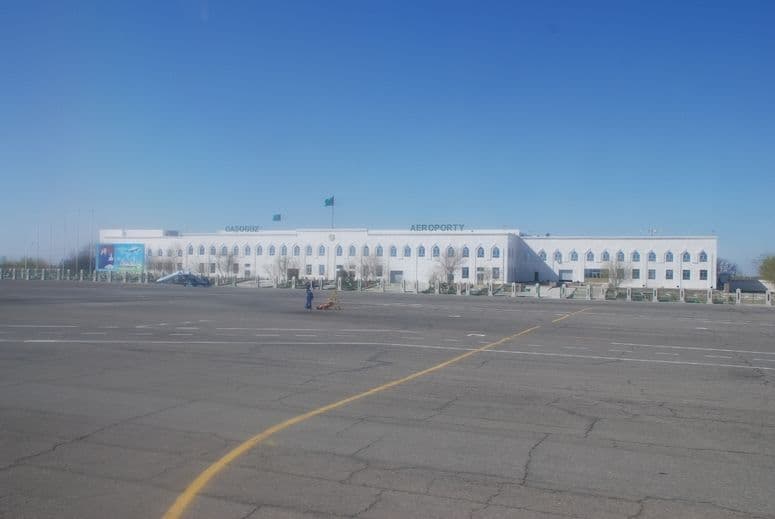
Getting around and managing money in Daşoguz requires a bit of flexibility. The Dashoguz Airport (TAZ) handles domestic flights, but the railway remains the most reliable and scenic mode of transport from Ashgabat. Trains are operated by Turkmenistan Railways, and while specific line names are not always publicized, the service is consistent. For those traveling during peak periods, such as the New Year, additional seasonal trains have been added to accommodate demand. Cash is king in the bazaar and smaller eateries, so having local currency on hand is essential. Taxis are available for shorter trips within the city, but for longer distances, the train or organized tours are the standard options. The infrastructure is functional rather than luxurious, fitting the city’s unpretentious character.
When to Visit
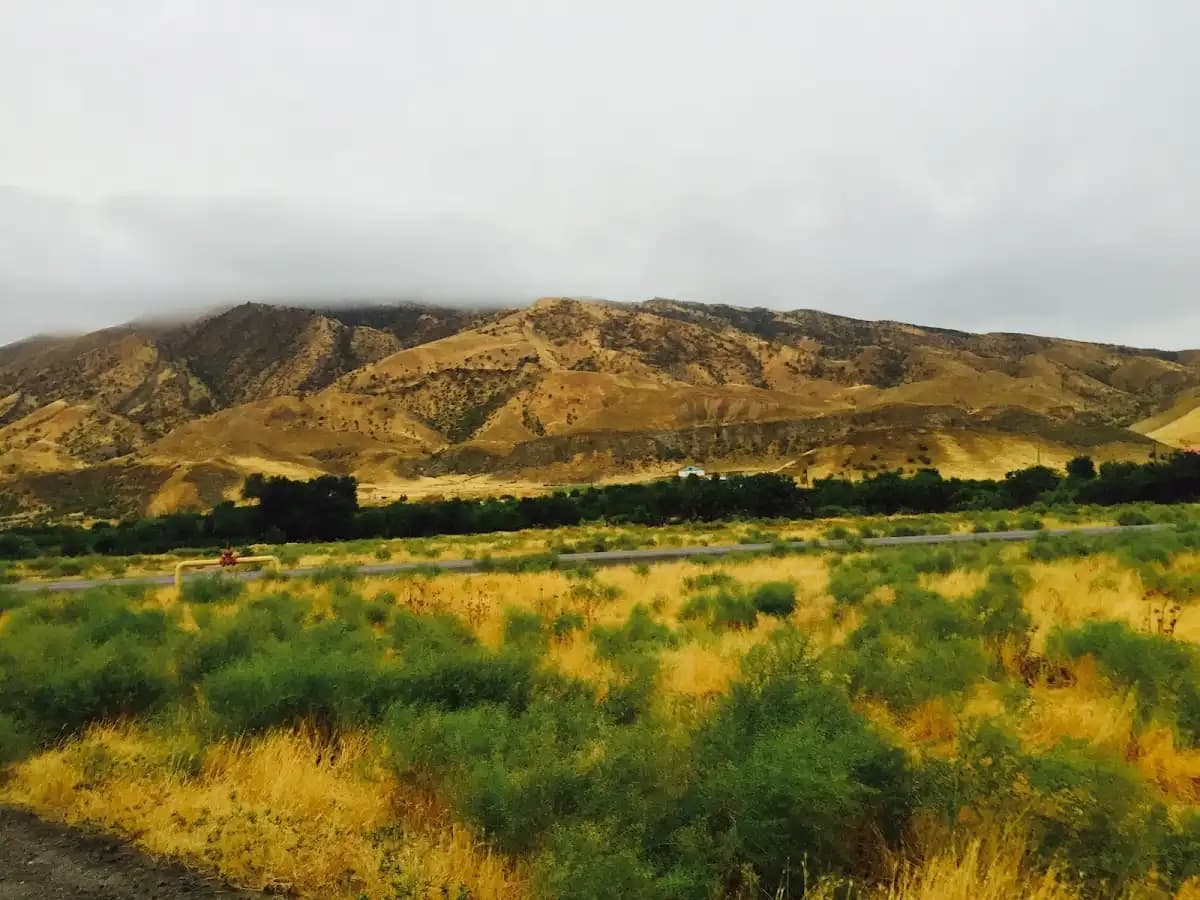
Summer in Daşoguz is hot and dry, typical of the region’s continental climate. While the heat can be intense, it is also the time when the landscape is most vividly green before the autumn droughts set in. There are no major public holidays recorded in the immediate future that would significantly impact crowd levels, making it a relatively quiet destination year-round. For cultural experiences, the shoulder seasons of spring and early autumn offer more comfortable temperatures for walking the ruins of Kunya-Urgench. Families and solo travelers alike will find the city manageable and safe, with a low-key atmosphere that encourages slow travel. A stay of two to three days is sufficient to explore the bazaar, dine well, and take a day trip to the ancient site.
Frequently Asked Questions
Is Daşoguz safe for solo travelers? Yes, the city is generally considered safe. As a smaller city, it has a quiet demeanor, and interactions with locals are typically friendly. Standard travel precautions apply, such as keeping valuables secure in the busy bazaar areas.
How do I get from Ashgabat to Daşoguz? The most common method is by overnight sleeper train, which is both cost-effective and convenient. Flights are also available at Dashoguz Airport, but train schedules are more frequent and often preferred for the scenic route.
What should I wear? Modest clothing is respectful, especially when visiting religious or cultural sites. In summer, light, breathable fabrics are essential due to the high temperatures, but bringing a layer for cooler evenings is advisable.