The Mekong does not invite you in; it permits passage. In Thakhèk, the water is the only law that matters.
The Mekong River at Thakhèk acts as a heavy, brown force that dictates the rhythm of the province. To speak of "cruise holidays" here is to misunderstand the nature of the water. There are no floating hotels gliding silently past manicured banks. There are no champagne sunsets served on decks designed to hide the reality of the current. In Thakhèk, Laos, the river is a workhorse, a border, and a mirror. It reflects the limestone karsts that rise from the land like broken teeth, and it carries the sediment of the entire region toward the sea. If you come seeking the polished indifference of a mass-market cruise, you will find only silence and the smell of wet earth. If you come to understand how people survive the pull of the water, you will find a place that tests your patience and rewards your stillness.
The Reality of Water Travel
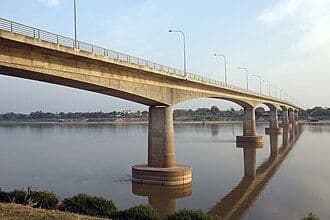
The concept of a cruise in Thakhèk is stripped of its commercial veneer. The river is the primary artery, but it is not a playground. The water levels shift with the seasons, rising in the wet months to swallow the banks and receding in the dry season to expose mudflats that crack under the sun. The schedule of departures and arrivals is unpredictable. It is a negotiation with nature.
Most visitors arrive by road, drawn by the promise of the Thakhek Loop, a 450 km motorbike route that cuts through the karst formations. But the river remains the center of gravity. Local boats ferry goods and people across the wide expanse, their engines coughing in the humid air. To float on the Mekong here is to accept that you are a guest in a system that does not care for your comfort. The water is opaque, carrying the weight of the mountains. It moves with a slow, inevitable momentum. There is no luxury in this movement, only the raw fact of displacement. You do not conquer the river; you endure it, and in that endurance, you find a clarity that land-bound travel rarely offers.
Kong Lor Cave: The Submerged Path
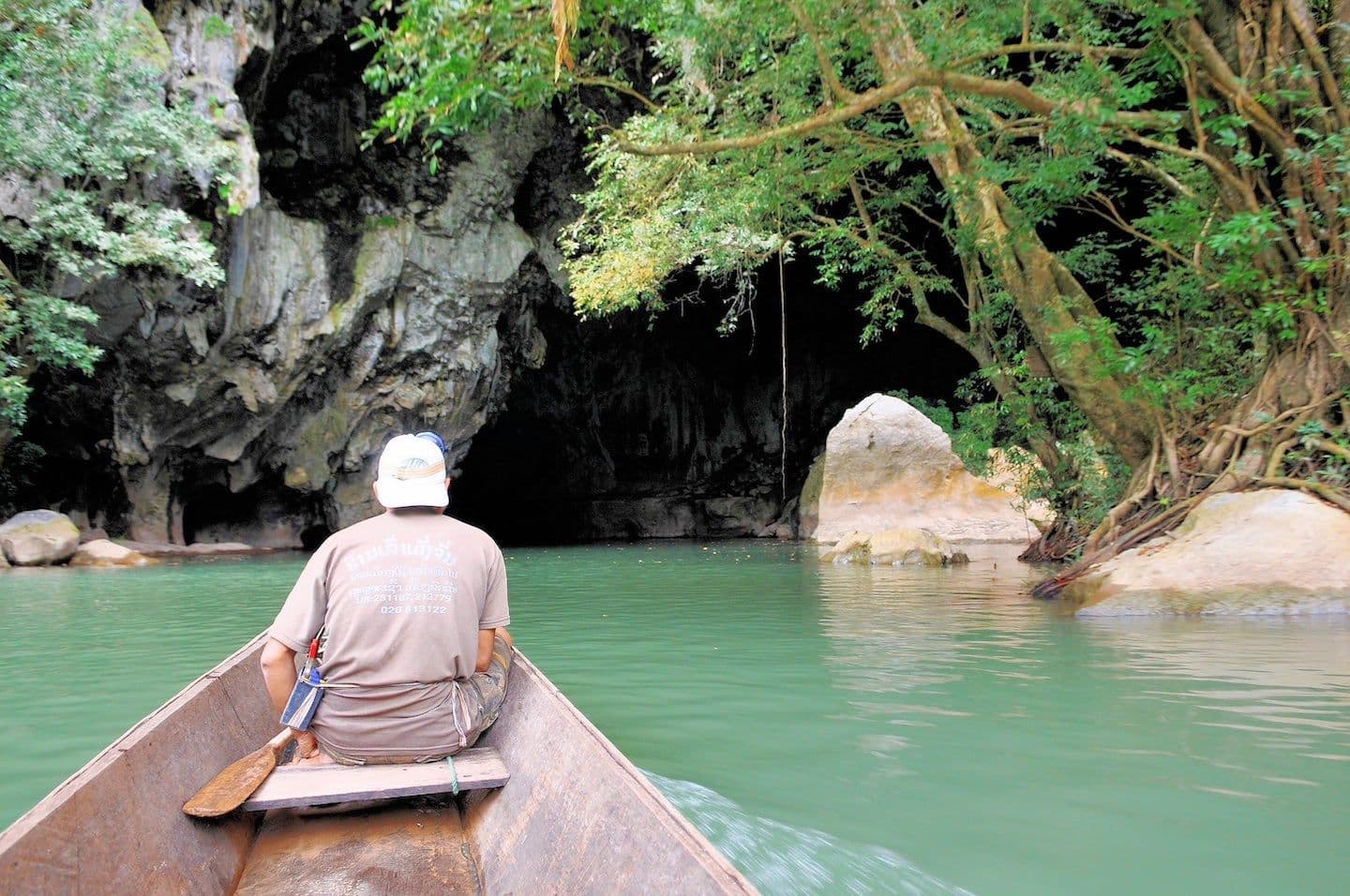
If the Mekong is the open face of Thakhèk, Kong Lor Cave is its hidden pulse. This is the closest approximation to a "cruise" experience that the region offers, but it is far removed from the notion of holiday ease. The cave stretches 7.5 km into the limestone, a dark throat that swallows the light. A river runs through it, narrow and swift, accessible only by small wooden boats.
You do not walk through Kong Lor; you are carried. The boatmen navigate the dark water with a practiced calm, their poles dipping into the current with quiet precision. Inside, the air is cool and heavy, smelling of damp stone and ancient silence. Stalactites hang like frozen tears from the ceiling, illuminated by the weak beams of headlamps. The journey through the cave is a descent into inevitability. There is no turning back once you enter the water. The boat moves forward, guided by the flow and the skill of the rower. It is a place where time seems to suspend, where the only sound is the lap of water against wood and the distant echo of your own breath. The experience is an immersion in the geological memory of the land.
The Thakhek Loop: Motion and Stone
The Thakhek Loop is a 450 km circuit that defines the landscape of the province. It is a route carved through limestone karsts, where the road climbs and descends in a relentless rhythm. Most travelers undertake this journey by motorbike, a choice that exposes them to the elements and the texture of the terrain. The road serves as a test of balance and focus.
The scenery is stark and beautiful. The karsts rise abruptly from the green valleys, their surfaces etched with centuries of wind and rain. The loop does not offer the comfort of a guided tour; it demands your attention. You are alone with the machine and the mountain. The heat rises from the tarmac, distorting the view ahead. The wind carries the scent of pine and dust. This is a journey that strips away pretense. You cannot hide behind a window. You feel every bump, every turn, every shift in the gradient. It is a physical engagement with the land, a reminder that movement is effort. The loop connects the villages and the caves, but its true value lies in the isolation it provides. In the space between the towns, there is only the road and the stone.
Colonial Echoes and Night Markets
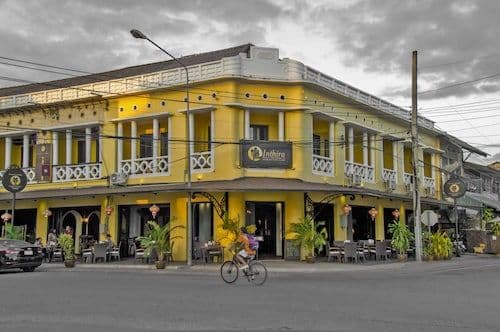
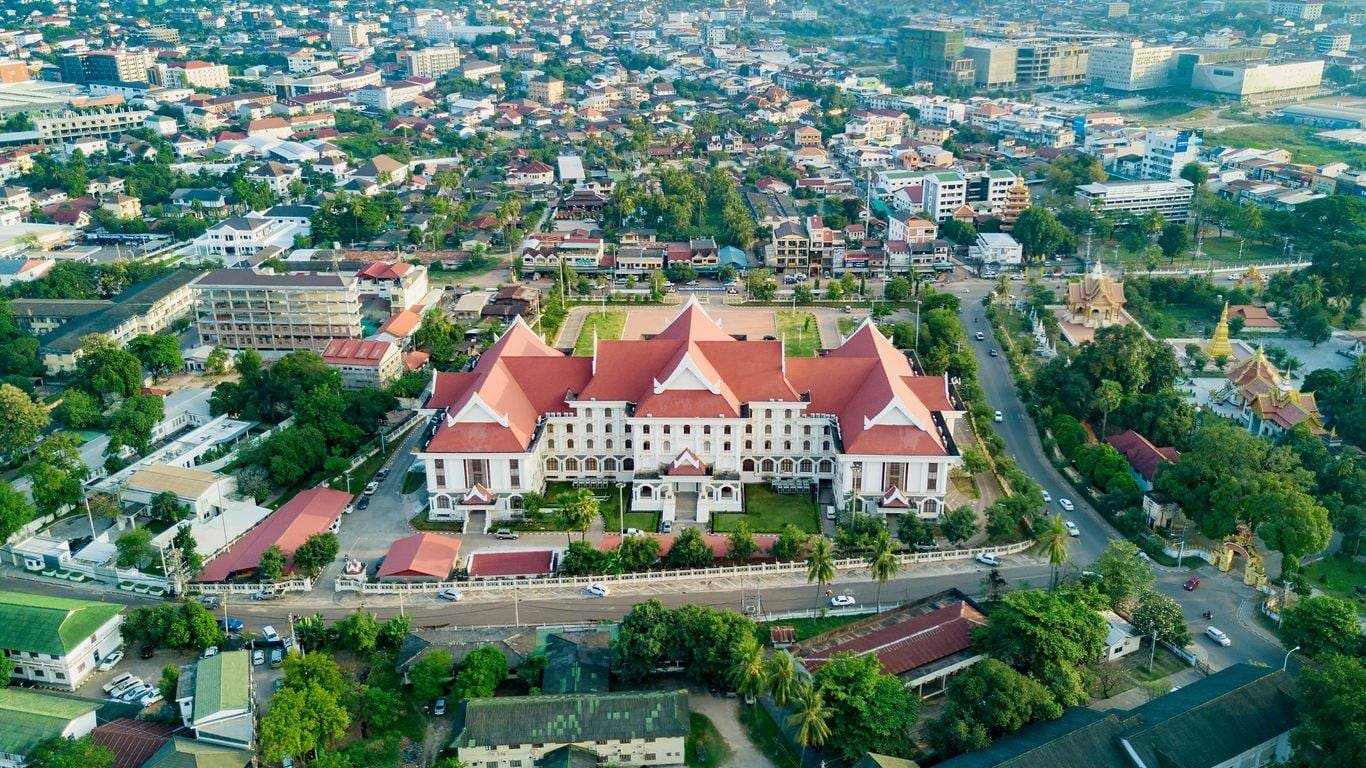
Thakhek town itself is a study in contrasts. The center retains the facades of colonial French architecture, shophouses with peeling paint and shuttered windows. These buildings stand as silent witnesses to a time when the river was a trade route for empires. They are not preserved museums; they are lived-in spaces, weathered by the sun and the rain. The architecture does not shout; it whispers. It suggests a history that is distant but not forgotten.
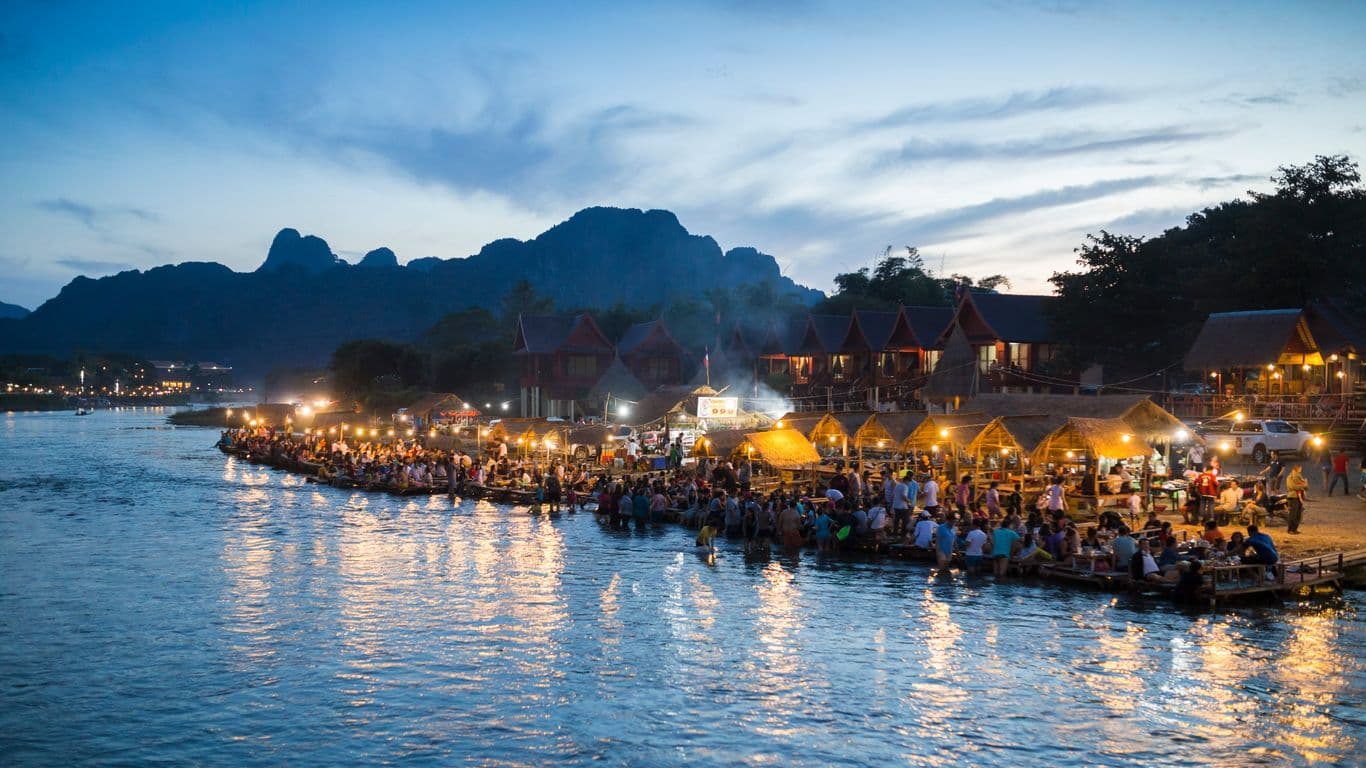
At night, the Thakhek Night Market comes alive. This is not a curated display of local culture; it is a convergence point where people gather to eat and trade. The air is thick with the smell of charcoal and spices. Vendors grill meat over open flames, the fat dripping onto the coals and rising in aromatic smoke. The food is simple and direct. You sit on low stools, eating with your hands or with chopsticks, surrounded by the murmur of conversation and the clatter of plates. The market is a place of observation. You watch the locals move through the stalls, their faces illuminated by the flickering light of the grills. It is a scene of daily life, unposed and unfiltered. The market does not care for your presence; it simply exists, a vital organ in the body of the town.
Food: The Taste of Place
The food in Thakhek is a reflection of its geography and history. Padaek, the fermented fish sauce, is the cornerstone of the local cuisine. It is pungent and salty, a flavor that defines the palate. Sticky rice is the staple, eaten by hand, its texture soft and clinging. Laap, a spicy minced meat salad, is served with herbs and lime, its heat cutting through the humidity. These dishes are not designed to please; they are designed to sustain. They are born from the land and the river, from the fish caught in the Mekong and the herbs grown in the hills.
Vietnamese food is also present, a reminder of the proximity to the border and the historical trading connections. The influence is subtle, woven into the fabric of the local diet. You will find pho and banh mi alongside Lao staples, a testament to the fluidity of borders. The food is not a spectacle; it is a necessity. Eating in Thakhek is an act of participation. You do not observe the culture from a distance; you ingest it. The flavors are strong and immediate, leaving a mark on your memory.
Practicalities: Timing and Transit
There is no operational railway in Thakhek. The Vientiane–Vũng Áng railway is a proposed project, with feasibility studies completed and an operational target of 2028. For now, access is by road. The journey from Vientiane is a long one, traversing the central plains before reaching the karst region. There are no specific fare data confirmed for local transport, but daily car trips and motorbike rentals are common. The Thakhek Loop is best undertaken in the dry season, from November to April. The wet season brings high water levels to the caves and muddy roads to the loop, making travel difficult and unpredictable.
The best time to visit depends on your tolerance for discomfort. The dry season offers clear skies and manageable roads, but also higher temperatures and more visitors. The wet season is lush and green, but the river rises, and the caves may be inaccessible. Lao National Day in December and New Year's Day in January bring local crowds and higher prices. Plan accordingly.
FAQ
Is there a cruise port in Thakhèk? No. Thakhèk is not a cruise destination in the traditional sense. River transport is limited to local boats and tours to Kong Lor Cave.
How do I get to Thakhèk? By road from Vientiane. There is no railway service currently operating.
What should I eat in Thakhèk? Try padaek-based dishes, sticky rice, laap, and charcoal-grilled meats. These are the staples of the region.
When to Go
The dry season (November–April) is the optimal window for visiting Thakhèk. The roads are dry, and the caves are accessible. The wet season (May–October) brings rain and high water, which can disrupt travel plans. Lao National Day (December 2) and New Year's Day (January 1) are peak times for local travel. Book accommodation in advance if you plan to visit during these periods. Thakhèk is for the traveler who seeks stillness and substance, not spectacle. It is a place where the river rules, and where the land demands respect. Stay long enough to listen to the water. It has much to say.