Evaluate Coronel’s coastal efficiency and Plaza de Armas calm. Book early for September; avoid the chaos, secure the symmetry.
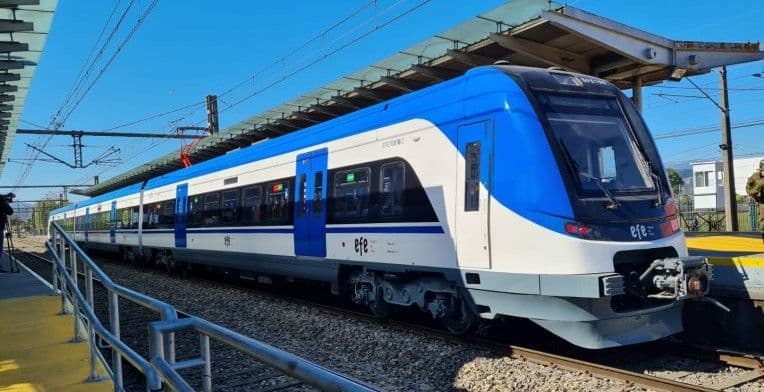
The commute from Concepción to Coronel operates on a rigid rhythm, dictated by the Biotren commuter rail network. While specific station names for the local terminus remain unverified in public records, the connection is part of the Línea L1 infrastructure that binds the Greater Concepción metro area. This is a logistical movement between nodes. You arrive in the Biobío Region, specifically Concepción Province, where the altitude is negligible and the horizon is defined by the Pacific. The air here is salt-heavy, consistent with coastal exposure. There is no pretense. Coronel functions as a residential and industrial anchor, offering a structured alternative to the chaotic energy of neighboring Talcahuano. It is a place for those who prefer order over spectacle.
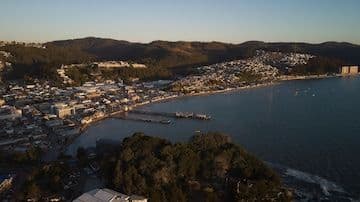
The Central Axis: Plaza de Armas
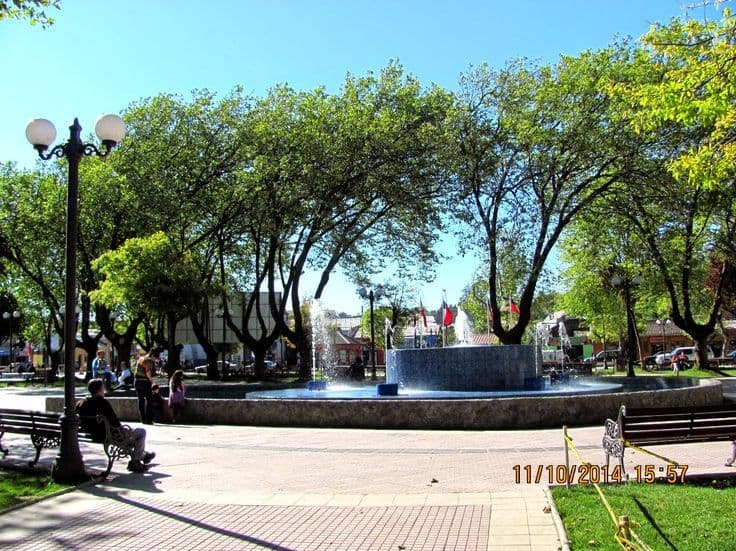
The Plaza de Armas serves as the geometric center of Coronel. It is a cultural hub, but its primary function is spatial organization. The square is flanked by municipal buildings and commercial fronts, creating a closed loop of activity. During the day, the light reflects off the paving stones with minimal glare, indicating a well-maintained surface. The benches are positioned for surveillance, not lounging. Visitors should expect a moderate foot traffic volume, peaking in the late afternoon when workers exit their shifts. This is the only truly public space in the city center that demands attention. The symmetry is preserved. The trees are pruned to standard heights. If you require a baseline for civic order, this is it.
Coastal Infrastructure: Playa Maule and Piscinas Costamar
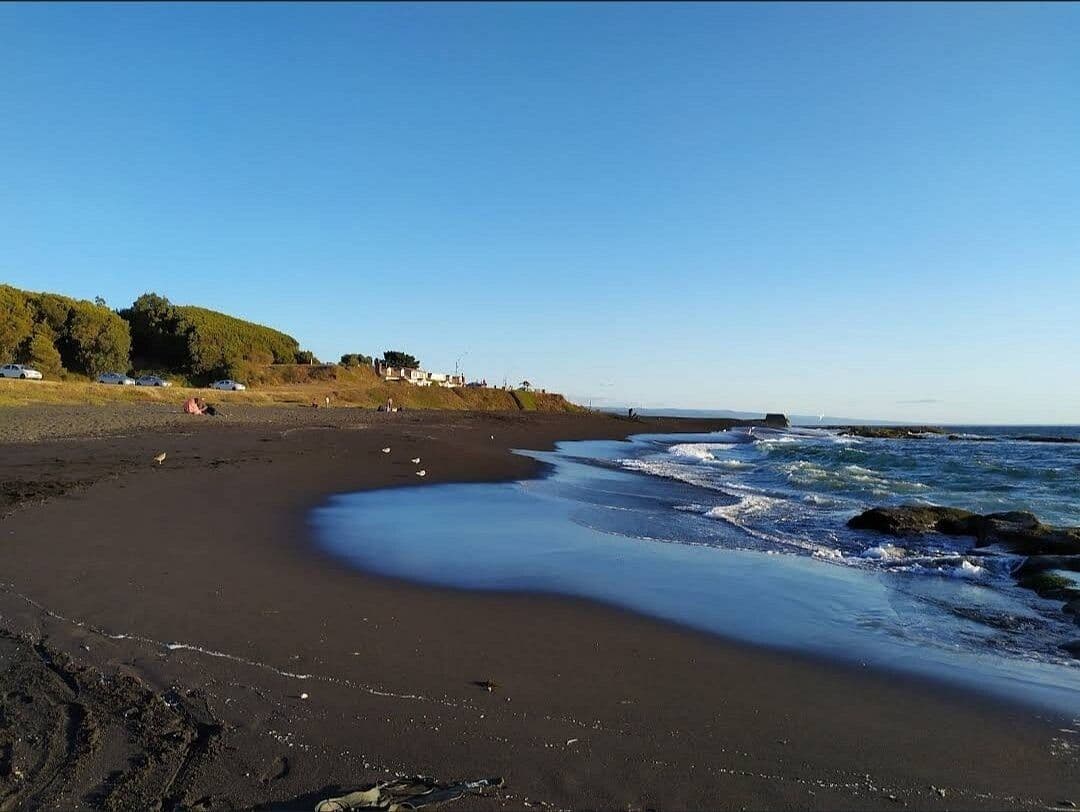
The coastline offers two distinct operational modes: natural access and managed recreation. Playa Maule provides direct access to the surf zone. The sand is coarse, typical of high-energy Pacific beaches. The water temperature remains cool year-round, requiring thermal protection for extended immersion. Adjacent to this natural strip is Piscinas Costamar, a seaside pool facility. This represents a controlled environment, separating the swimmer from the unpredictable swells. The contrast is stark. One side offers the raw, unfiltered ocean; the other offers chlorinated consistency. For a holiday audit, Piscinas Costamar scores higher on predictability. The noise levels are lower, the hygiene standards are regulated, and the entry point is clearly marked. Playa Maule remains for those who require the sensory input of wind and spray without the barrier of a fence.
Green Space and Markers
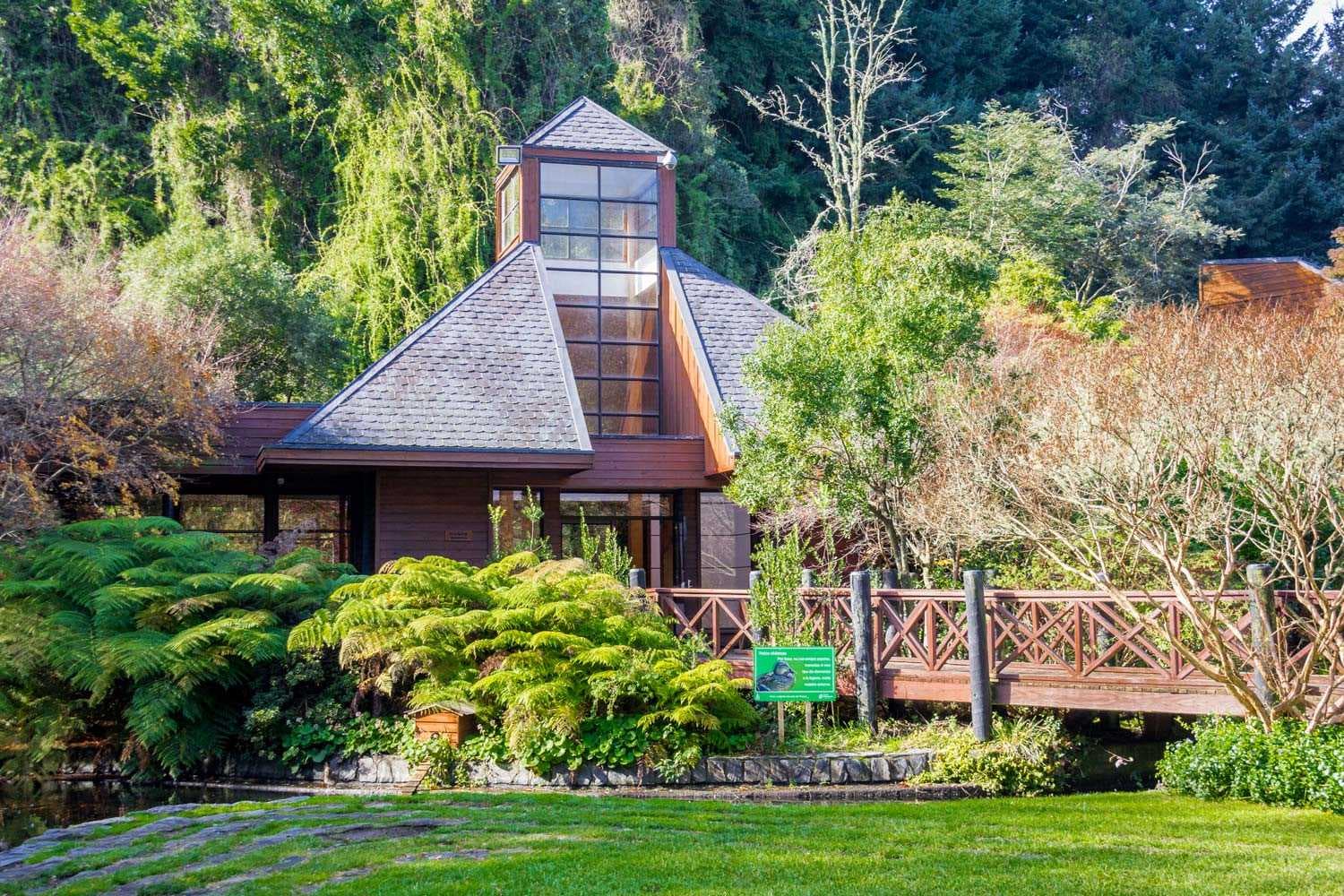
Parque Jorge Alessandri provides a necessary buffer from the urban grid. Although often associated with the broader Concepción area, its presence in the vicinity offers short walking trails that are well-kept. The paths are paved, suitable for efficient movement rather than hiking. The greenery is manicured, lacking the wildness of national parks but providing adequate shade during the midday heat. Nearby, the Hito Geográfico de Chile stands as a static marker. It is a geographic reference point, devoid of interpretive signage that would demand prolonged reading. It serves as a photo opportunity, nothing more. The Parroquia Familia de Nazaret completes the civic landscape. Its architecture is traditional, and its interior remains quiet. The acoustics are dampened by wood and stone. It is a place for silence, not performance.
Logistics and Timing
Transit relies heavily on the Biotren system. From Concepción, the journey is direct. Do not rely on informal taxi services; the rail connection is the standard. Fares are modest, typically within the range of standard commuter costs in the Biobío Region, though exact figures fluctuate with municipal tariffs. Budget for approximately 20,000 to 30,000 CLP per day for basic lodging and meals, assuming mid-range accommodation. The local cuisine is not distinct enough to warrant a dedicated gastronomic itinerary; eat where the locals eat, focusing on fresh seafood and grilled meats available in the commercial zones near the Plaza.
The holiday calendar dictates your timing. Independence Day falls on September 18, 2026. This is the critical date. Expect surge pricing in accommodation and increased congestion on the rail lines. Book at least four weeks in advance. Army Day follows on September 19, compounding the crowd density. If you seek efficiency, avoid this window. October brings Meeting of Two Worlds’ Day on October 12 and Reformation Day on October 31. These carry less local weight in Chile, resulting in normal operational conditions. November and December mark the transition into peak summer tourism. All Saints’ Day on November 1 and Immaculate Conception on December 8 are religious observances. They do not significantly disrupt travel, but they signal the approaching winter. For optimal conditions, target late October or early November. The crowds dissipate, the light improves, and the infrastructure returns to baseline efficiency.
Frequently Asked Questions
Is Coronel safe for solo travelers? Yes. The urban layout is compact and well-lit. The Plaza de Armas and main commercial streets see consistent activity. Standard urban precautions apply. Avoid isolated areas of the industrial port at night.
What is the best way to reach Coronel from Santiago? There is no direct high-speed rail from Santiago. The standard route involves a flight or bus to Concepción, followed by the Biotren commuter rail to Coronel. Total travel time is significant; allocate a full day for the transfer if arriving from the capital.
Are there unique local dishes in Coronel? No specific dish is exclusively identified with Coronel in authoritative culinary records. The region shares the Biobío culinary profile, centered on seafood, empanadas, and grilled meats. Focus on the quality of the catch rather than a specific local recipe.