Learn to cook Mauritanian staples in Tékane, a quiet oasis town where food is fuel, not performance.
The Oasis as Kitchen
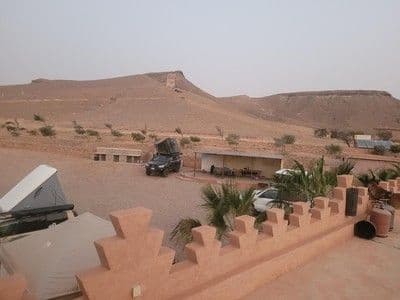
The palm trees at the Tékane Oasis do not just stand there for Instagram. They provide shade, fruit, and a psychological break from the Trarza Region’s relentless heat. This is a town of 22,000 people, not a destination for culinary tourism in the polished, white-tablecloth sense. If you are looking for a sanitized "experience" with a certificate and a wine pairing, you are in the wrong place. Tékane is about the raw mechanics of survival and sustenance in a semi-arid landscape. The water here is fresh, a critical detail in a region where scarcity is the default. Cooking in this context means understanding how ingredients are preserved, sourced, and transformed with minimal waste. The green of the palms against the sand serves as the primary resource. You are not visiting a museum of food; you are standing in the active engine room of local life. The smell is of drying herbs, wood smoke, and the distinct, earthy scent of the oasis soil. It is unfiltered. It does not care if you have a clean apron.
What You Will Actually Cook
There is no single "Tékane dish" confirmed by official tourism boards, so you will be learning the regional staples of Mauritania that sustain communities like this one. The menu is dictated by availability and tradition, not chef whims.
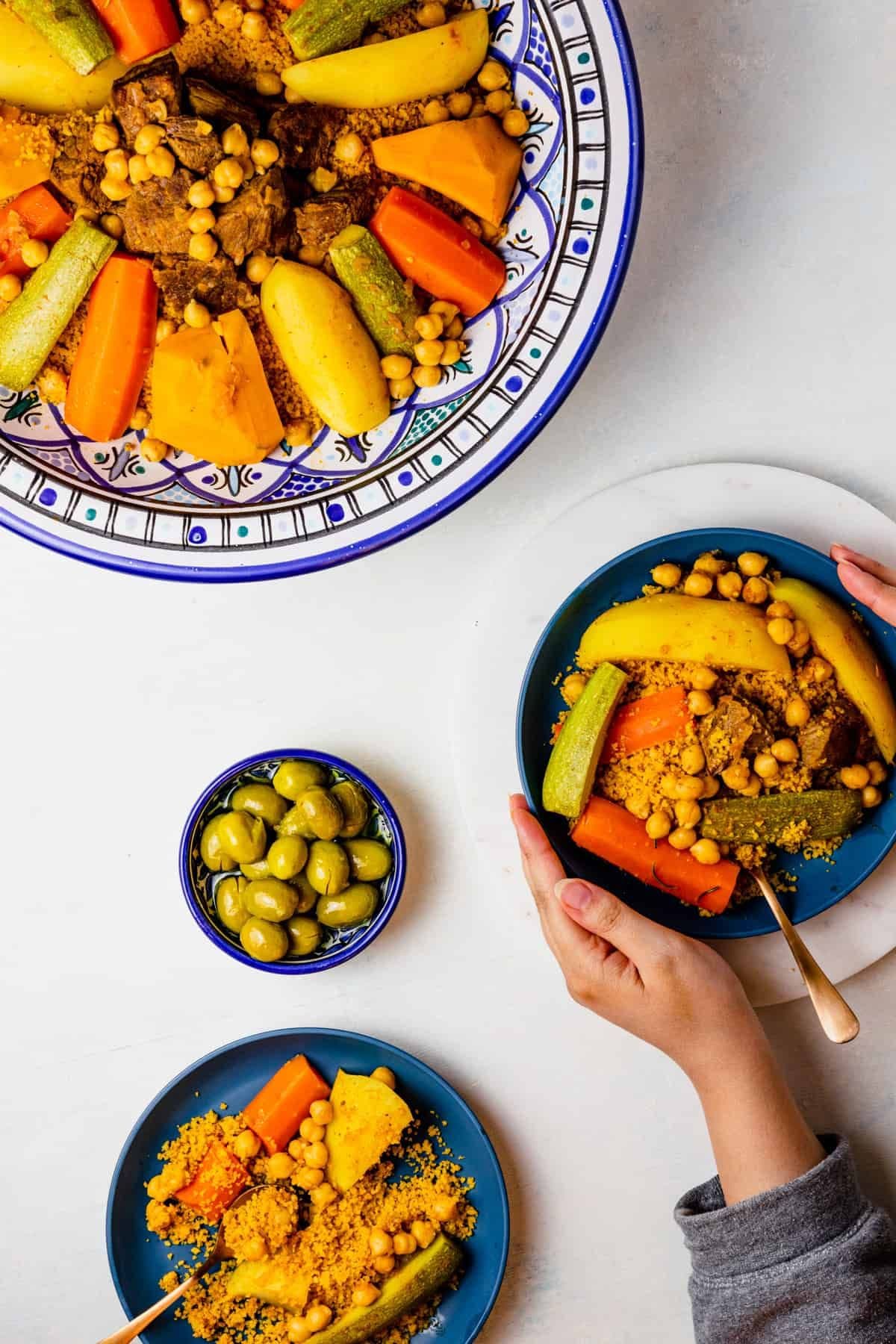
Thieboudienne (Cheb-u-jin) This is the national dish, a fish-and-rice preparation in tomato sauce. In Tékane, the fish is likely fresh from the Senegal River nearby or preserved. The rice is a hearty, textured base that absorbs the tomato and spice mix. You will learn to balance the acidity of the tomato with the heat of the spices. It is a labor-intensive dish that rewards patience with a deep, savory flavor profile.
Hakko A savoury sauce made from ground bean leaves, peanuts, and meat, served over couscous. This is a dish of resilience. Bean leaves are a local staple, often dried and ground. The texture is dense and nutty. Cooking Hakko teaches you how to build complexity from simple, durable ingredients. It is the food of hard work, not leisure.
Lakh A sweet dessert of baobab-fruit yogurt, millet couscous, peanut butter, and coconut. Baobab fruit is a regional treasure, high in vitamin C and with a tart, raspberry-like flavor. This dish is the reward after the heavy savory meals. It is sweet, thick, and deeply satisfying. Learning to prepare Lakh means understanding the local flora and how to preserve its nutritional value.
How to Find a Class
No specific cooking school or operator is confirmed for Tékane in current records. This is the point. You will not book a slot online. You will find a cook.
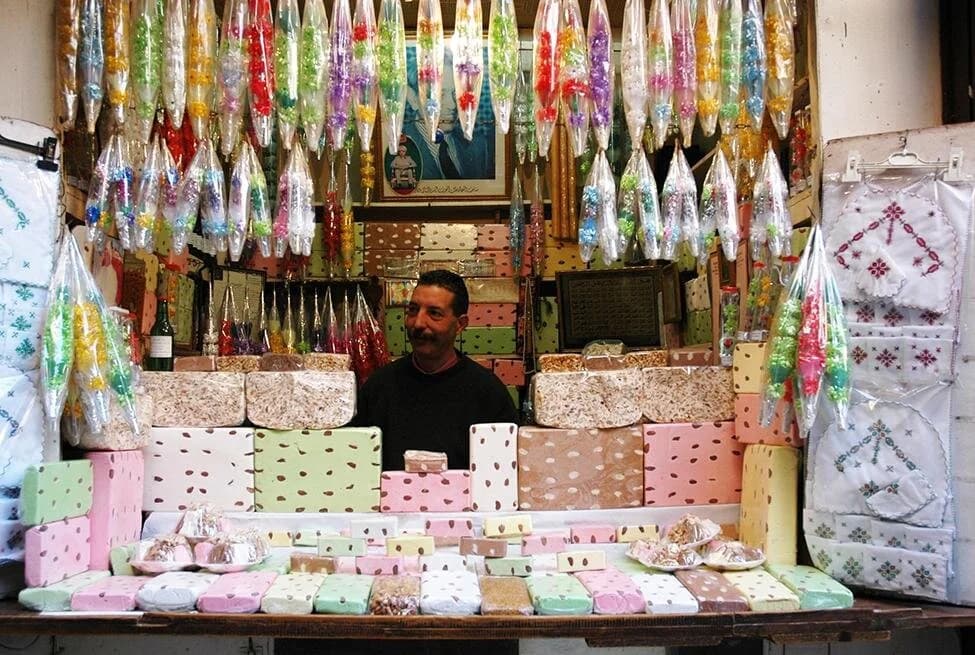
The Local Market Area Go to the main market. Look for women preparing large quantities of food for the day. Ask in French or Wolof (the local lingua franca) if you can observe. A small gift of fresh fruit or a modest cash offering is the standard currency of access. You are not buying a ticket; you are buying a few hours of their time and attention.
Home Cooking Sessions Many families cook in open-air courtyards. If you are staying with a local host or a guesthouse in the town center, ask if you can help. The "class" is the meal preparation itself. You will wash, chop, and stir. The instruction is non-verbal, intuitive, and direct. The teacher is the cook; the student is you. The feedback is the taste of the final dish.
Regional Context Tékane is near Rosso, the regional capital. If you need more structured instruction, a day trip to Rosso might offer more formal options, but you lose the intimacy of the oasis town. Stay in Tékane for the authenticity. The distance to Nouakchott is approximately 178 km, so do not expect quick access to big-city culinary schools.
Logistics and Money
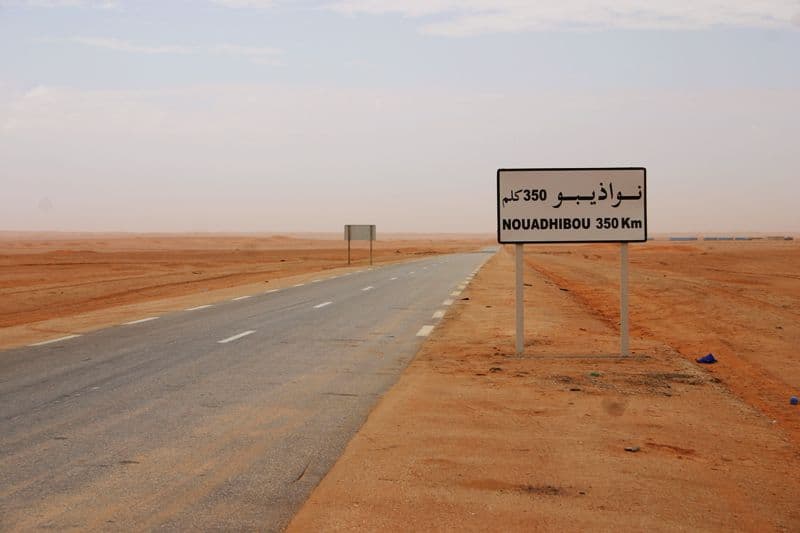
Transport There is no confirmed railway line for Tékane. You will travel by road. The route typically involves arriving in Nouakchott and driving east to Rosso, then continuing to Tékane. The drive is a mix of paved and unpaved roads. Budget for a shared taxi or a private car hire. The journey is a straightforward transit corridor.
Costs Specific cooking-class prices are not confirmed. However, a home-cooked meal in the region typically costs around 1,000–2,000 MRU (Mauritanian Ouguiya) per person if you are a guest. If you are paying for a dedicated instructional session, expect to pay for the ingredients plus a modest fee for the cook’s time. Cash is king. Bring small denominations.
Timing Cooking classes, if they are informal, happen when the cook is cooking. This is usually in the morning for breakfast preparations or in the late afternoon for dinner. The heat makes midday work difficult. Plan your days around the sun, not a clock.
Cultural Etiquette
Food is Sacred In Mauritania, sharing food is a fundamental social act. Do not eat alone. Do not refuse a second serving. The host’s hospitality is a test of your respect, not a trap.
Dress Code Modest clothing is expected. Cover your shoulders and knees. In the market, wear closed-toe shoes. The ground is dusty, and the heat is real.
Language French is the official language, but Wolof and Pulaar are widely spoken. Learn a few basic phrases: "Bonjour" (Hello), "Merci" (Thank you), "C’est bon" (It is good). A smile and a nod go further than perfect grammar.
When to Go and Who It’s For
Best Time November to February. The cooler months make the outdoor cooking and market visits bearable. The heat in summer is intense, and the oasis provides relief, but the air is still thick.
Holidays
- Independence Day (Nov 28, 2026): Expect local celebrations. Markets may be busier, and prices for fresh ingredients might spike slightly. It is a good time to experience the town’s civic pride.
- New Year’s Day (Jan 1, 2027): A quiet start to the year. Good for a slow, reflective trip.
- Eid al-Fitr (Est. Mar 9, 2027): A major Islamic holiday. Expect festive meals and community gatherings. It is a profound time to witness the social fabric of the town.
Who It’s For Solo travelers who are comfortable with ambiguity. Slow travelers who do not need a packed itinerary. People who want to understand a place through its sustenance, not its sights. If you need structure, go to Nouakchott. If you want truth, go to Tékane.
FAQ
Do I need a visa for Mauritania? Most travelers need a visa, which can often be obtained on arrival at Nouakchott airport or a land border crossing. Check current regulations before you fly.
Is it safe to eat local food? Yes, if you are careful. Stick to cooked foods and fresh fruits you can peel yourself. The water at the oasis is fresh, but always drink filtered or bottled water to be safe.
Can I book a cooking class online? No. There are no confirmed online booking systems for Tékane. You must arrange it locally upon arrival. This is part of the experience.