Learn traditional Omani cooking in Rustaq. Swap recipes in a local kitchen near historic forts and enjoy authentic flavors.
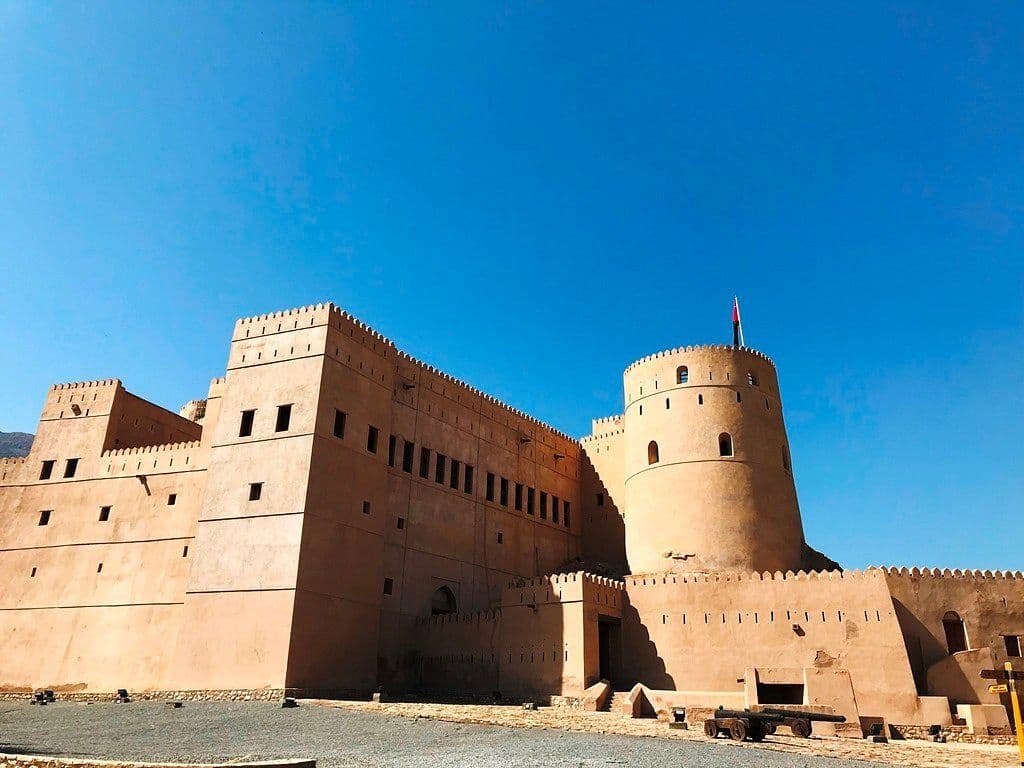
The heat in Rustaq, Oman, does not simply sit; it presses. By mid-morning, the air inside the walled town feels thick, carrying the dry scent of baked earth and distant frankincense. For the traveler arriving from the coast, this is the first lesson in Omani hospitality: shelter. You do not fight the sun here; you retreat into it. The walls of Rustaq Fort, one of the oldest and largest in the country, rise from the desert floor like a testament to that necessity. Inside, the museum offers cool shadows and insights into a past where survival depended on water management and community cohesion. The true heritage of this place resides in the kitchen.
To understand Rustaq is to understand the rhythm of its food. While the town is famous for its trio of forts—Rustaq, Nakhal, and Al Hazm—the real draw for the curious traveler is the chance to step behind the curtain of Omani domestic life. Cooking classes here are intimate exchanges, often hosted in family homes or small cultural centers. The focus remains on the slow, deliberate preparation of ingredients that have sustained this arid region for centuries.
The Heart of Omani Cuisine
Omani food is defined by patience. Unlike the quick stir-fries of Asia or the rapid grills of the Mediterranean, traditional dishes here require time. The most iconic example is Shuwa, a slow-cooked meat dish that can take up to 24 hours to prepare. The meat, usually lamb or goat, is marinated in a complex paste of spices, yogurt, and garlic, then wrapped in banana leaves or aluminum foil and buried in a pit oven. The heat is low, the smoke is aromatic, and the result is meat that falls apart at the touch of a fork.
In a Rustaq cooking class, you will likely not be burying meat in the ground for a day. Instead, you will learn the foundational techniques that make such dishes possible. You will handle the spice blends that form the backbone of Omani flavor profiles. Hilbah, a resinous spice mix, is essential. It provides a bitter, earthy counterpoint to the sweetness of dates and the richness of meat. You will learn how to balance these flavors, understanding that Omani cuisine prioritizes depth and layering over chili heat.
Another staple you may encounter is Halwa, the famous Omani sweet. While often bought as a souvenir, making it is a skill. It involves cooking sugar, ghee, and saffron to a precise consistency, then whisking in rose water and cardamom. The process is meditative. The smell of caramelizing sugar and blooming saffron fills the room, creating a sensory memory that sticks with you long after you leave the kitchen. In Rustaq, these skills are passed down through generations, and participating in a class is a way to honor that lineage.
Beyond the Forts: The Rustaq Loop
While the cooking class is the anchor of your culinary exploration, the context of Rustaq enhances the experience. The town is part of a larger circuit known as the "Rustaq Loop," which connects three major forts. After your lesson, it is common to drive to Nakhal Fort, situated on higher grounds and rebuilt in the 17th century. The view from Nakhal is stark and beautiful, offering a panorama of the wadi below. It is a place of silence, contrasting with the lively chatter of the kitchen.
Al Hazm Fort, another jewel on the loop, sits on a rocky outcrop, its white walls gleaming against the blue sky. These forts served as centers of trade and community alongside their military functions. The people who lived here, and their descendants who still do, developed a cuisine that was both practical and celebratory. When you eat a meal prepared in Rustaq, you are tasting the history of these structures. The dates you might eat as a snack are often sourced from the nearby oases, the same ones that sustained the fortifications for centuries.
The landscape itself is a teacher. The arid environment dictates the ingredients. Water is precious, so dishes are often stew-based or designed to maximize moisture. Meat is used sparingly but with impact. Vegetables, when available, are fresh and local. Understanding this connection between the land and the plate is part of what makes a cooking class in Rustaq different from one in a cosmopolitan city. It is grounded, literal, and deeply connected to place.
Practicalities for the Culinary Traveler
Planning a cooking class in Rustaq requires some flexibility. There is no central booking office or standardized curriculum. Classes are often arranged through local guides, hotels, or cultural tourism initiatives. It is advisable to book in advance, especially if you are visiting during the cooler months when tourism peaks. Communication is key; ensure your host understands your dietary restrictions. While Omani food is generally mild, it often contains nuts, dairy, and specific spices that may not suit everyone.
Transportation is entirely by road. Oman has no railway system serving Rustaq, so you will need a car to get here from Muscat, the capital. The drive is scenic, taking you through the Hajar Mountains and across wadis that may be dry or flowing depending on the season. Once in Rustaq, distances are short. The forts are within a few kilometers of each other, and most cooking classes are held in or near the town center.
Money is straightforward. The Omani Rial is the currency, and while cards are accepted in larger establishments, cash is preferred for smaller transactions, including tips for your cooking instructor. It is customary to tip generously if you enjoyed the experience, as it supports local families and preserves traditional skills.
When to Go and Who It’s For
The best time to visit Rustaq for cooking classes is during the cooler months, from November to March. The summer heat can be intense, making outdoor activities and even cooking indoors less comfortable. However, if you are visiting in summer, the air-conditioned kitchens of local homes can be a welcome refuge. There are no major holidays in the next six months that significantly impact availability, so booking is relatively flexible.
This experience is ideal for slow travelers, couples, and solo adventurers who want to engage deeply with local culture. The activity focuses on connection, learning, and tasting. Families with older children may also enjoy it, as the hands-on nature of cooking is engaging for all ages. Plan to spend at least two days in Rustaq to fully absorb the atmosphere. One day for the cooking class and fort visits, and another to explore the wadis or simply relax in the shade of a local cafe.
FAQ
Do I need to book a cooking class in advance? Yes. While Rustaq is not overrun by tourists, cooking classes are often hosted by local families or small operators with limited capacity. Booking ahead ensures availability and allows the host to prepare ingredients specific to your preferences.
Is Rustaq safe for solo female travelers? Oman is consistently ranked as one of the safest countries in the Middle East. Rustaq is a quiet, traditional town where visitors are generally treated with respect and hospitality. Standard precautions apply, but there is no reason to feel unsafe.
What should I wear to a cooking class? Comfortable, modest clothing is appropriate. Since you will be handling food and possibly moving around a traditional kitchen, avoid loose, flowing garments that might get in the way. Closed-toe shoes are recommended for hygiene and safety.