Makhinjauri serves as a transit node rather than a culinary capital. To engage in cooking here, one must first navigate the logistics of reaching Batumi’s kitchen.
The Audit of Place
Makhinjauri functions primarily as a settlement within the Batumi City Municipality in the Adjara region, situated roughly 5 to 10 kilometers from the center of Batumi. Its primary function is transit. The Makhinjauri Railway Station, which served as the historic gateway to Batumi until 2015, continues to operate on the Tbilisi–Batumi line. It is a place defined by movement rather than stillness. There are no prominent tourist landmarks within the village itself, nor are there curated gardens or heritage sites. The area consists mainly of railway infrastructure and the residential zones that support the adjacent coastal city.
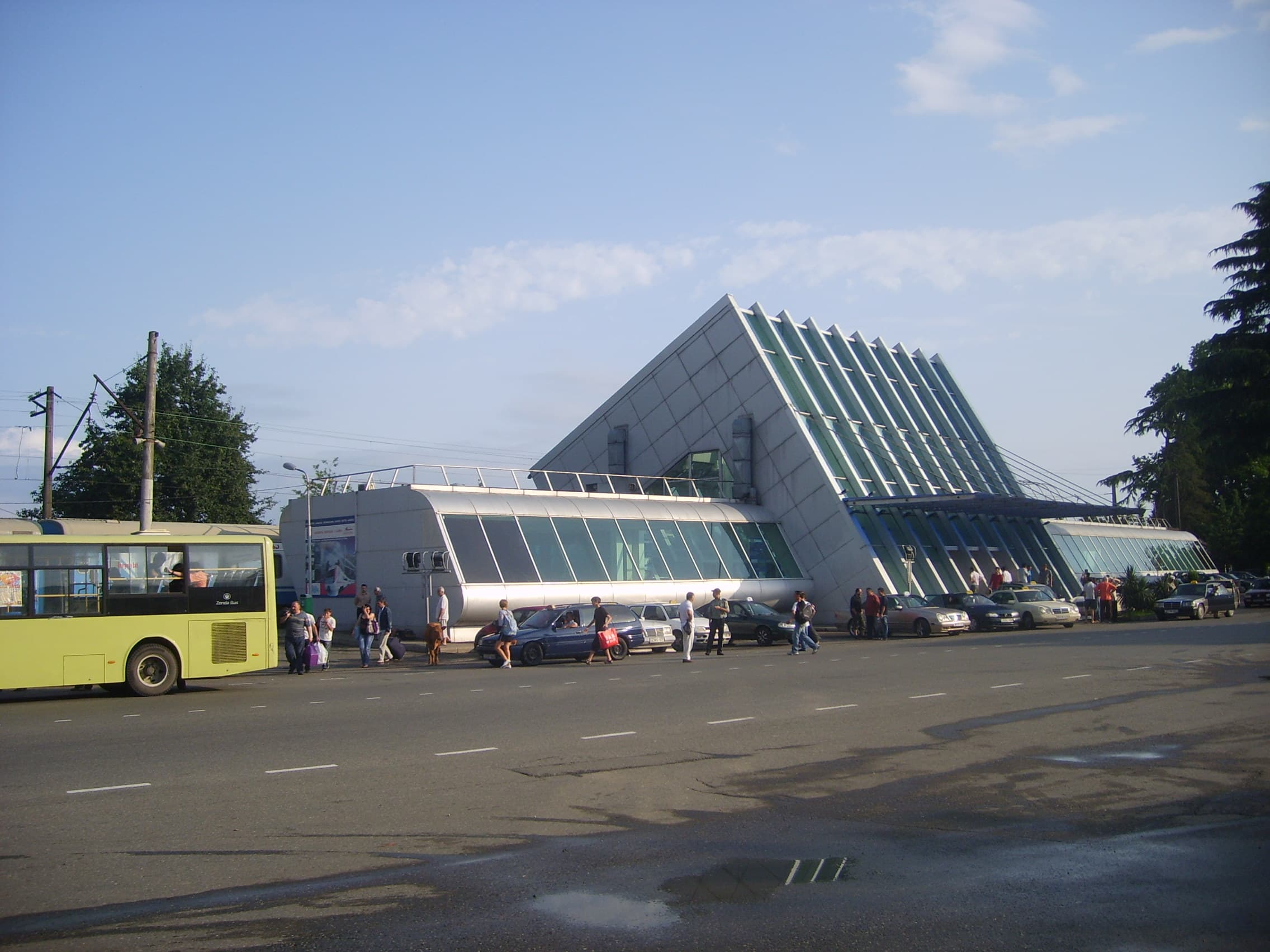
For the traveler interested in cooking classes, Makhinjauri presents a logistical consideration. There are no confirmed culinary schools or workshops within the village limits. The local food identity is part of the broader Adjara region. If you are in Makhinjauri, you are likely in transit, waiting for a train, or taking a local bus to Batumi. The cooking class is located in Batumi. The village serves merely as the starting coordinate for this culinary exploration.
The Culinary Objective
The Adjara region is defined by one dish: Adjarian khachapuri. It is a boat-shaped bread filled with sulguni cheese, butter, and an egg. The dish is heavy, salty, and structurally complex. This is the standard. Any cooking class in this vicinity that does not prioritize the structural integrity of the khachapuri falls short of regional expectations.
Makhinjauri itself offers no specific dishes. The local market areas supply the ingredients for the wider Adjara cuisine. You will find garlic, fresh herbs, and local cheeses. These are the raw materials. The skill lies in the assembly. The dough must be elastic enough to hold the cheese but thin enough to crisp. The butter must be added hot. The egg must be raw. The timing is precise.
In Batumi, the capital of Adjara, cooking classes are abundant. They are often held in small apartments or dedicated studios. The instructors are usually local women who have cooked this way for decades. They may not speak much English. They demonstrate. You watch. You replicate. The error rate is high at first. The dough tears. The cheese leaks. The shape collapses. This is expected. The class focuses on understanding the mechanics of the dough rather than achieving immediate perfection.
Logistics of Access
Getting from Makhinjauri to the cooking class requires planning. Local bus lines connect Makhinjauri to Batumi city center. These buses are frequent but do not always adhere to a rigid schedule. They often run on demand. You signal for the bus, and it stops. The fare is negligible. The journey takes approximately 20 to 30 minutes, depending on traffic.
If you are arriving by rail, the Makhinjauri Station is on the main Tbilisi–Batumi line. Trains from Tbilisi take approximately 6 hours and 56 minutes to reach Makhinjauri. Tickets start at around $40 USD. This is a slow journey. It requires patience. The train stops at Makhinjauri. You disembark. You take the bus. You arrive in Batumi. You find the class.
The timing is critical. Most cooking classes in Batumi operate in the morning. They finish by early afternoon. This allows you to return to Makhinjauri in time for an evening train if necessary. The bus frequency drops after 6 PM. You must calculate your return carefully. The last bus operates as a strict deadline.
The Class Experience
The typical class lasts two hours. It begins with dough preparation. The instructor provides the flour, water, and salt. You knead the mixture until the texture resembles an earlobe. If it is too dry, it cracks. If it is too wet, it sticks. You add the cheese. Sulguni is the standard. It is a stretched-curd cheese that melts smoothly. You shape the boat. The ends must be pinched shut. This is the most difficult step. The cheese expands as it bakes. If the seal is weak, it bursts.
The baking is done in a communal oven. The temperature is high. The bread cooks quickly. You add the butter and egg in the final minutes. The butter sizzles. The egg whites set. The yolk remains runny. You eat it immediately. It is hot. It is messy. You use your hands. This is the protocol.
The cost of the class varies. In Batumi, prices range from 50 to 100 GEL per person. This includes the ingredients and the instruction. It does not include transport. You must arrange your own transfer from Makhinjauri. The bus fare is minimal. The time cost is higher.
Practical Details
Money: The local currency is the Georgian Lari (GEL). Cash is preferred for small transactions. Cooking classes may accept card, but cash is safer. Have small bills.
Language: English is not widely spoken in Makhinjauri. In Batumi, it is more common, but limited. Use translation apps. Use gestures. The cooking process is visual. Language is secondary.
Timing: Book the class in advance. Popular classes fill up. Do not assume walk-in availability. Confirm the address. Confirm the time. Confirm the meeting point.
When to Go
Summer is the peak season for Batumi. The weather is warm. The crowds are larger. The prices are higher. If you are in Makhinjauri in June, July, or August, expect congestion. The buses will be fuller. The classes will be busier.
The next major holiday is Dormition of the Mother of God on August 28, 2026. This is a religious holiday. Many businesses may close or operate on reduced hours. Book your cooking class before this date. The Holiday of Svetitskhovloba on October 14, 2026, and Saint George's Day on November 23, 2026, are further out. They have less impact on summer travel.
This itinerary is for the solo traveler or the couple. It is not for families with young children. The process is messy. The waiting is long. The transit is basic. It offers an authentic, hands-on experience for those who value the craft.
FAQ
Is there a cooking class in Makhinjauri? No. There are no confirmed cooking classes in Makhinjauri. You must travel to Batumi.
How long does the train from Tbilisi take? Approximately 6 hours and 56 minutes to Makhinjauri.
What is the cost of a class in Batumi? Between 50 and 100 GEL per person, excluding transport.