Evaluate the coffee scene in Brunei’s capital: minimalist aesthetics, air-conditioned comfort, and precise extraction standards in a humid, disciplined city.
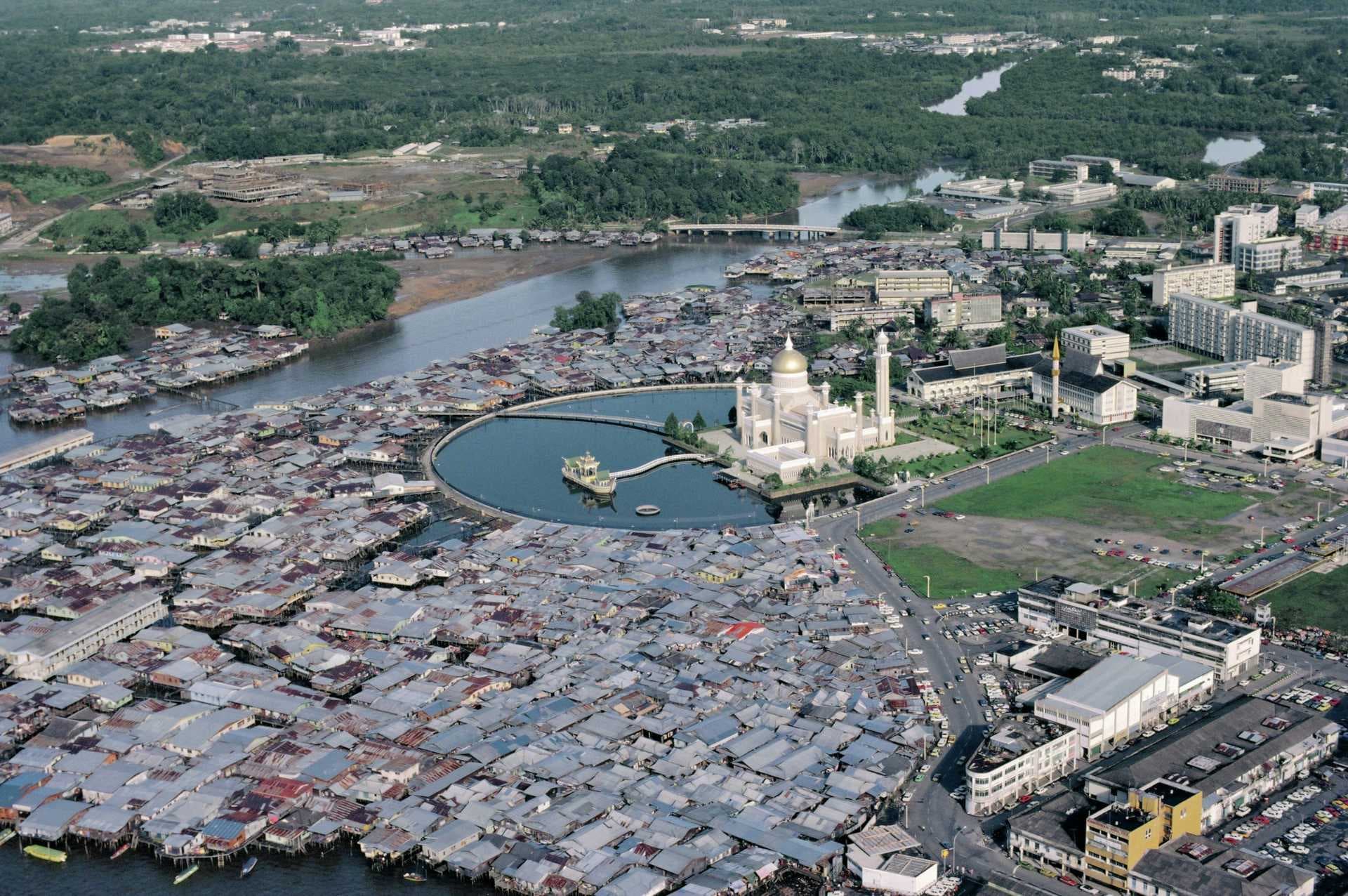
The temperature in Bandar Seri Begawan rarely drops below 27°C, and the humidity sits heavy enough to make cotton feel like a liability. The city demands indoor presence. The air conditioning here is a structural necessity, not a luxury. For the coffee traveler, this dictates the entire experience. You are auditing a climate-controlled environment for its ability to deliver a precise, cold, or carefully tempered cup without the sweat of the tropical afternoon interfering with the ritual. The capital of Brunei offers a small, curated selection of cafes that prioritize symmetry, cleanliness, and efficiency. It is a coffee culture that mirrors the city itself: orderly, modern, and unapologetically comfortable.
The Aesthetic Standard
The coffee scene in Muara District, where the capital is located, leans heavily toward the minimalist. There is little clutter. The design language is clean lines, neutral tones, and an emphasis on the beverage itself. The Moment Cafe exemplifies this approach. It is a modern, minimalist space popular with locals who value the quiet efficiency of a well-run establishment. The interior is designed to absorb sound and heat, offering a stark contrast to the humid exterior. Here, the coffee is the product, not the backdrop. The lighting is controlled, the surfaces are uncluttered, and the service is discreet. It is the kind of place where you check your phone, taste the coffee, and leave with a sense of professional satisfaction.
Extraction and Precision
For those who prefer a more specialized approach, Three Light Coffee Bar stands out. Listed among the best coffee stops in the region, it caters to those who view coffee as a technical discipline rather than just a caffeine fix. The focus here is on the quality of the bean and the precision of the extraction. It is a step up from the standard franchise model, offering a menu that likely includes single-origin pour-overs and carefully calibrated espresso drinks. The atmosphere is less about the architectural statement and more about the craftsmanship of the cup. If you are evaluating the depth of the local coffee culture, this is where you look for the technical rigor.
The International Baseline
Of course, there is the baseline. Segafredo Zanetti is present in the capital, providing the international standard against which local cafes are measured. It is reliable, consistent, and predictable. For the business traveler or the visitor who knows exactly what they want and does not wish to take a risk, it serves its function perfectly. It is the safe harbor. The coffee is correct. The environment is familiar, the prices are fixed, and the service is efficient. It allows you to work, to wait, or to rest without the cognitive load of navigating a new local menu.
Practical Logistics
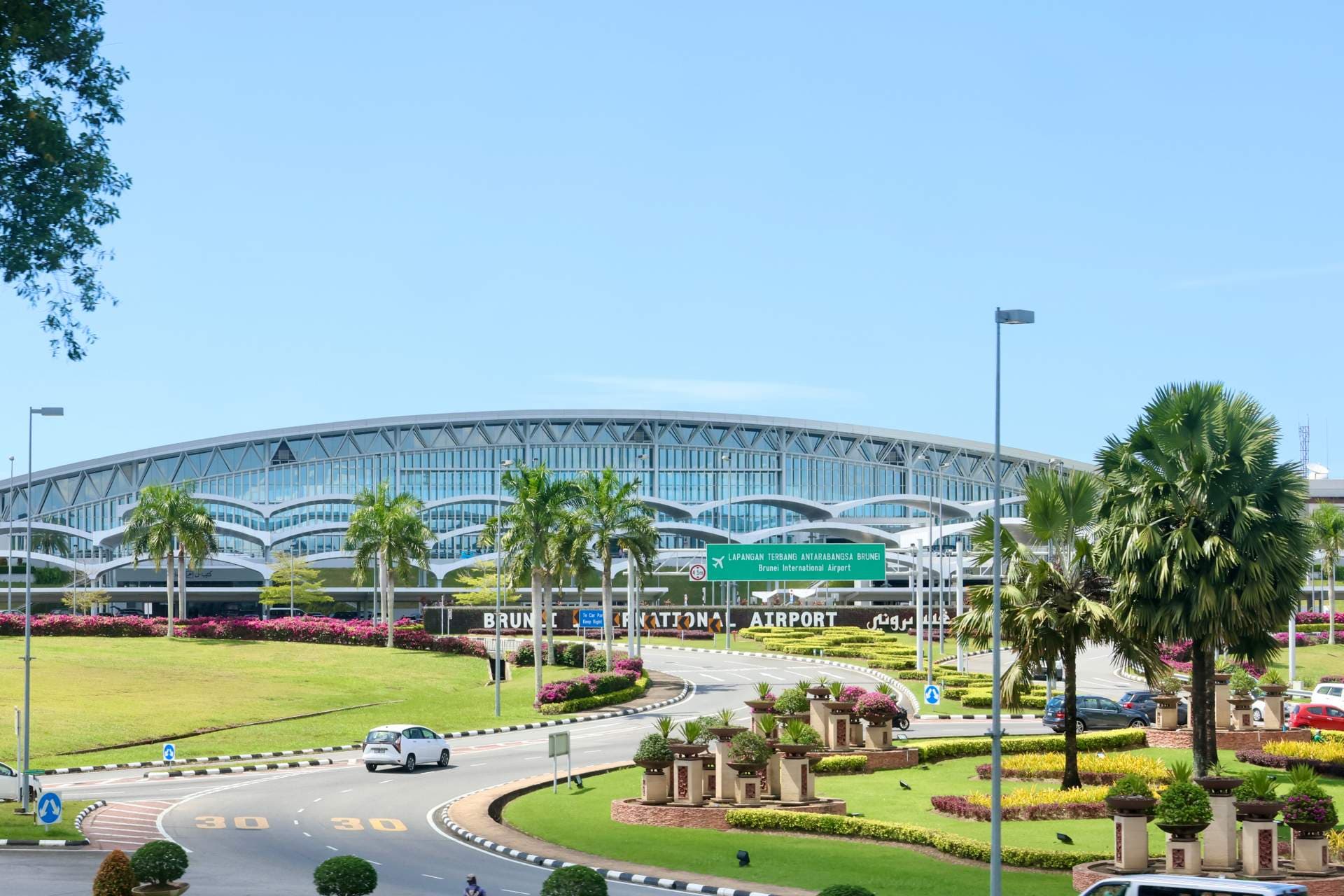
Getting to these spots is straightforward. The city is compact. Brunei International Airport serves the capital, and a taxi from the airport to the city center is a short, manageable ride. There is no railway, no complex bus network to decipher. You arrive, you take a taxi, and you are in the city. The flight from Kuala Lumpur takes approximately two hours and five minutes on Royal Brunei, a direct connection that eliminates the need for layovers. Once in the city, distances are short. You can walk between the major coffee stops and the landmarks if the humidity allows, or you can take a short taxi ride. The currency is the Brunei Dollar, which is pegged to the Singapore Dollar, making it stable and easy to use. Cash is accepted, but card payment is common in the modern cafes.
When to Go
The climate is hot and humid year-round, with no true dry season. There are wetter and less wet periods, but the difference is often marginal. The best time to visit is during the slightly less wet months, typically from January to March, when the rainfall is at its lowest. However, the coffee culture is an indoor affair. You will be in air-conditioned spaces regardless of the weather outside. This makes Bandar Seri Begawan a viable destination for coffee travelers in any season, provided you plan for the heat during transit between locations. The city is quiet compared to regional hubs like Singapore or Kuala Lumpur. It is a place for slow travel, for savoring the coffee, and for observing the local rhythm without the pressure of a crowded tourist trail.
FAQ
Is Brunei easy to visit for coffee tourists? Yes. The capital is compact, safe, and the cafes are modern and accessible. The air conditioning is a significant advantage in the tropical climate.
What is the currency in Brunei? The Brunei Dollar (BND) is used, and it is pegged to the Singapore Dollar (SGD). Cards are widely accepted in cafes and hotels.
How do I get from the airport to the city? Taxi is the primary mode of transport from Brunei International Airport. It is a short ride, and fares are reasonable. There is no train service.