Skip the capital crowds. A short ride gets you to Masis, Armenia, where Mount Ararat looms large and the pace slows down.
The marshrutka pulls away from the Sasuntsi Davit Bus Station with a decisive lurch, a mechanical sigh that signals you are leaving the frantic energy of Yerevan behind. You are not heading to some remote, off-the-grid wilderness. You are going to Masis, a town so close to the capital—roughly 9 to 14 kilometers southwest—that you could almost walk it if you had the stamina and didn’t mind the heat. But you won’t walk. You’ll take the minibus. It costs a few hundred Drams. For that price, you buy yourself thirty to sixty minutes of transit time, a plastic seat, and a view that changes from urban sprawl to open valley floor in what feels like seconds.
This is not a destination you visit for world-renowned museums or bustling nightlife. Masis does not offer either. It is a city break for people who realize that sometimes the best thing you can do is go somewhere quiet, look at a very famous mountain, and eat a meal that doesn’t require a reservation or a guidebook recommendation. It is the anti-city break, which makes it perfect for the modern traveler who is tired of being sold experiences.
Getting There: The Road Link
The logistics of reaching Masis are simple, which is half the appeal. In a region where transit can often feel like a puzzle with missing pieces, the route from Yerevan is straightforward. You have two primary options, both originating in the capital, though one is significantly more reliable for the casual tourist.
The most practical option is the marshrutka (minibus). These depart from the Sasuntsi Davit Bus Station in Yerevan. This is a busy hub, so arrive early and have small denominations of Armenian Dram ready. The ride takes between 30 and 60 minutes, heavily dependent on traffic conditions in Yerevan. During peak hours, the minibus can feel like a sardine can, but it offers flexibility in departure times. Once you hit the outskirts, the traffic clears, and the drive becomes smooth. You will arrive at the town center, ready to explore.
While railway infrastructure exists in the region, passenger services are limited and often unreliable for this specific short hop. The old Masis Station (Stantsiya Masis) sits quietly, a relic of a more connected past. Unless you have a specific reason to seek out the railhead, stick to the road. It is faster, more frequent, and less likely to leave you stranded wondering when the next ghost train will roll in.
The View: Living Next to Ararat
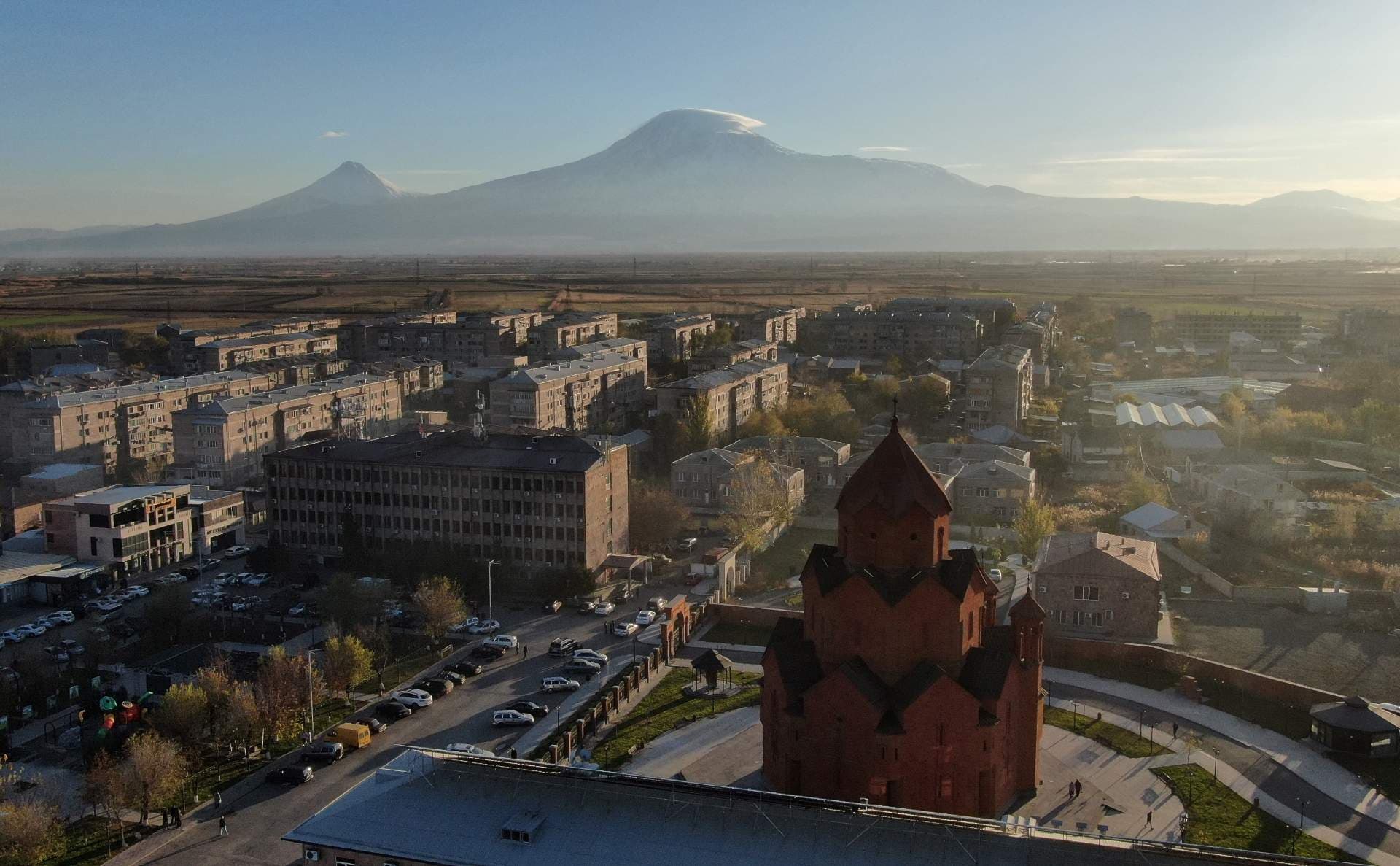
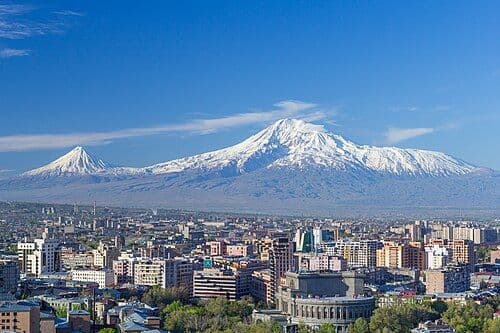
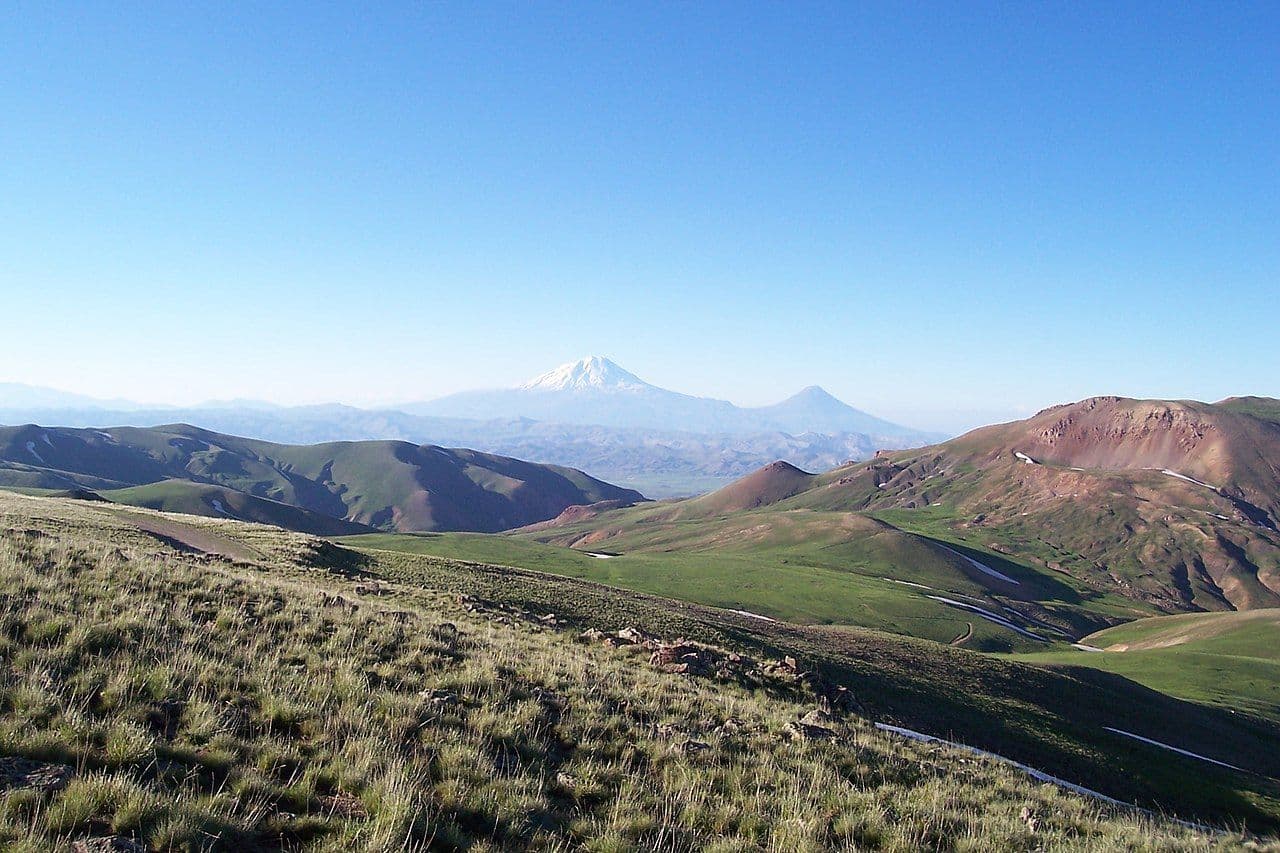
Masis is defined by what you see from it, rather than what is inside it. The town sits in the Ararat Valley, and its claim to fame is its proximity to Mount Ararat. On a clear day—and in Armenia, the skies are often aggressively blue—the mountain dominates the horizon. It is a massive, snow-capped presence that seems closer here than in many other parts of the country.
You do not need a guide to find the best view. Walk away from the main road, toward the residential areas or the edge of town. The architecture is modest, mostly low-rise buildings in warm, earthy tones that blend into the landscape. There are no towering skyscrapers to block the vista. The Aras River basin lies nearby, shaping the geography of the valley, though you may not see the water itself over the hum of daily life. The visual impact is immediate: the stark contrast between the green valley floor and the white peak creates a sense of scale that puts everyday worries into perspective.
Mount Ararat is physically located in Turkey, but it is visually and culturally central to Armenia. Standing in Masis, looking up at it, you understand why. It is a symbol. And in Masis, it is a backdrop to your morning coffee or evening stroll.
What to Do: The Art of Doing Nothing
There are no confirmed major landmarks, museums, or tourist attractions within the town limits of Masis. Your itinerary will likely revolve around observation and relaxation. This is a feature. The town is a place to unwind.
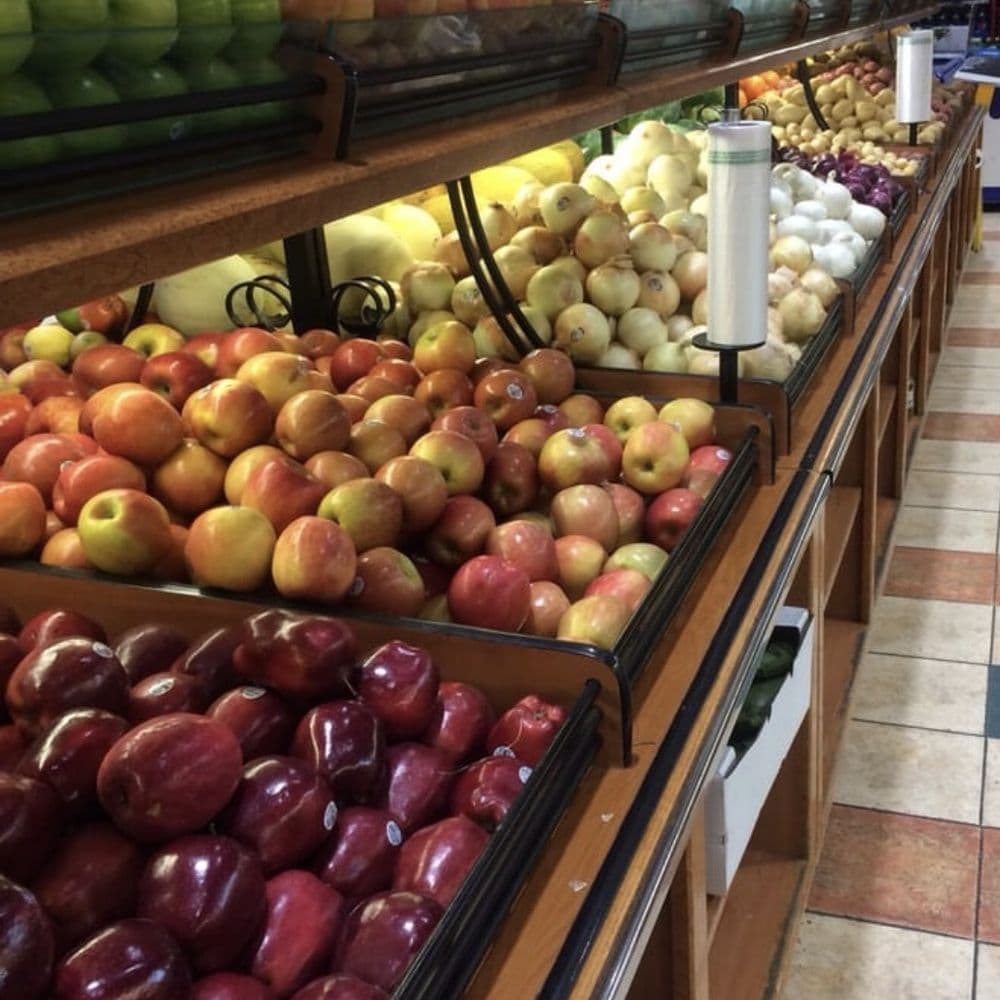
Rent a bicycle if you can find one locally, or simply walk. The distances are short. Explore the streets near the town center. Watch the locals go about their day. Notice the way the light hits the buildings in the late afternoon. Visit the local market area, where you can buy fresh produce, bread, and dairy products. The prices are lower than in Yerevan, and the quality is high. Buy some walnuts, dried apricots, and cheese. Eat them on a bench overlooking the valley.
If you want structure, plan a hike in the surrounding hills. The terrain around Masis is suitable for walking, with trails leading out into the countryside. You don’t need technical gear for a casual stroll. Just wear comfortable shoes and bring water. The air is cleaner here than in the capital, and the pace is slower. You can spend an entire afternoon without seeing a single tourist brochure, which is a rare luxury in today’s travel landscape.
Eating and Drinking: Local Flavors
Food in Masis is about authenticity. You will not find high-end dining scenes or Michelin-starred restaurants. Instead, you will find local eateries serving traditional Armenian cuisine. Expect dishes like loulam (barbecue), dolma (stuffed grape leaves), and lavash (flatbread).
Look for family-run restaurants near the center of town. These places often cook with ingredients sourced from nearby farms. The portions are generous, and the prices are reasonable. Order whatever looks fresh. The meat is usually tender, and the vegetables are crisp. Pair your meal with a local wine or a glass of vodka. Armenians take their spirits seriously, and the quality is generally high.
There are no specific named dishes unique to Masis, but the general availability of high-quality, home-style cooking makes every meal a pleasure. Don’t expect fancy presentations. The food is meant to be eaten, not photographed. Save your phone battery for the views.
When to Go and Practical Tips
The best time to visit Masis is during the autumn. The weather is mild, the crowds are thin, and the landscape turns golden. However, summer is also viable, especially if you plan to stay in the evenings when the heat subsides. Winter can be cold, with occasional snow, but the view of Mount Ararat is often clearer against the gray sky.
Be mindful of holidays. Independence Day is on September 21. Expect higher demand for accommodation and transport around this date. Book early if you plan to visit during this period. Other major holidays include New Year’s Eve (December 31) and Christmas/Epiphany (January 6). These periods are busy, with families gathering and prices surging. For a quiet city break, avoid these dates.
Masis is suitable for solo travelers, couples, and families. It is safe, clean, and welcoming. You can stay for a day trip from Yerevan, or extend your visit to a weekend if you want to truly disconnect. The cost of living is low, so you can stretch your budget further here than in the capital.
FAQ
Is Masis safe for tourists? Yes. Masis is a small, residential town with low crime rates. Standard precautions apply, such as watching your belongings in crowded areas, but there is little reason for concern.
How much does it cost to visit? Very little. Minibus fares are low. Meals cost between $5 and $15. Accommodation, if you choose to stay overnight, is affordable compared to Yerevan.
Do I need a visa? Check your country’s visa requirements for Armenia. Many nationalities can enter visa-free for up to 90 days. Always verify current regulations before traveling.