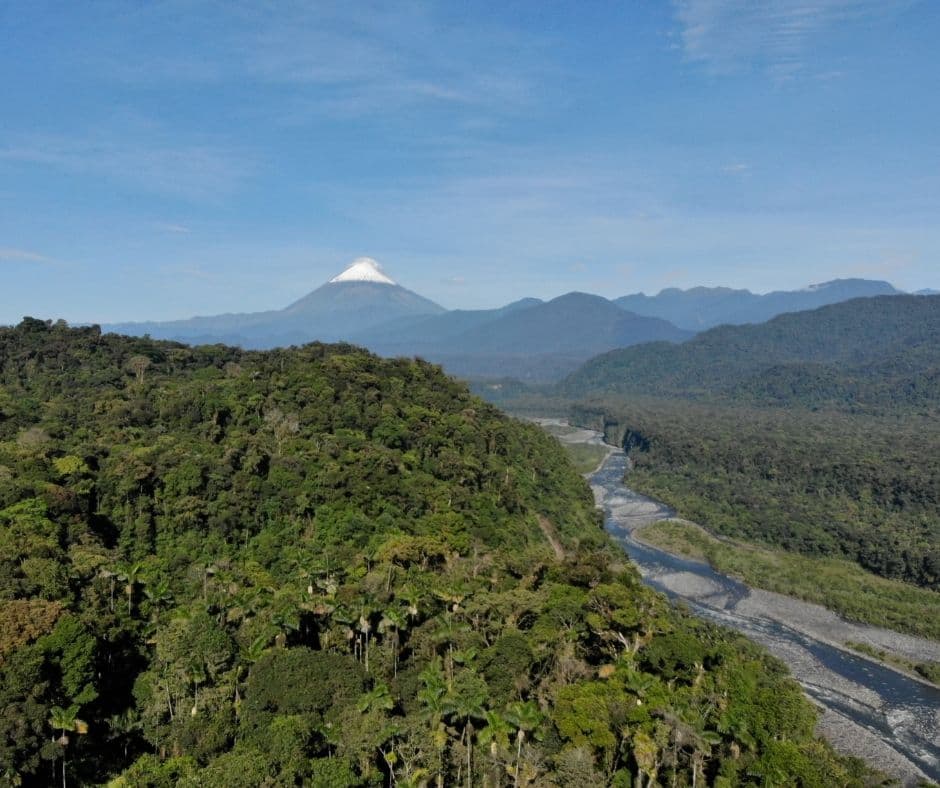
The road from Macas to Palora winds through dense cloud forest, where the air smells of wet earth and the light filters in dappled greens. This remote corner of the Morona Santiago province offers a raw, authentic Ecuadorian experience far removed from the crowded tourist circuits of Quito or Cuenca. For budget travelers, Palora is not just affordable; it is a masterclass in slow travel. Costs are low, hospitality is genuine, and the rhythm of life is dictated by the river rather than the clock. This guide provides practical strategies for stretching your peso while exploring this lush, often-overlooked destination.
Getting There Without Breaking the Bank
Transportation in rural Ecuador requires patience, but it is incredibly cheap if you know how to navigate the system. Palora is approximately 100 kilometers from Macas, the capital of Morona Santiago province. The most common and economical way to reach Palora is by bus. Local cooperatives, such as Cooperativa Rayo de Luna, operate regular services from the Macas terminal. A one-way ticket typically costs around $7 to $8 USD. The journey takes roughly one and a half to two hours, depending on road conditions.
Spring in Ecuador, which spans September to November, brings heavy rains. Roads can become muddy and slower. Check with the driver or local transport agents in Macas for the most current schedule before departing. If you are arriving from Quito, you will first need to take a long-distance bus to Macas. These buses depart from the Quitumbe terminal and cost approximately $25 to $30 USD for a day-long journey. Booking tickets a day in advance ensures you get a seat, especially on weekends.
Affordable Accommodation Options
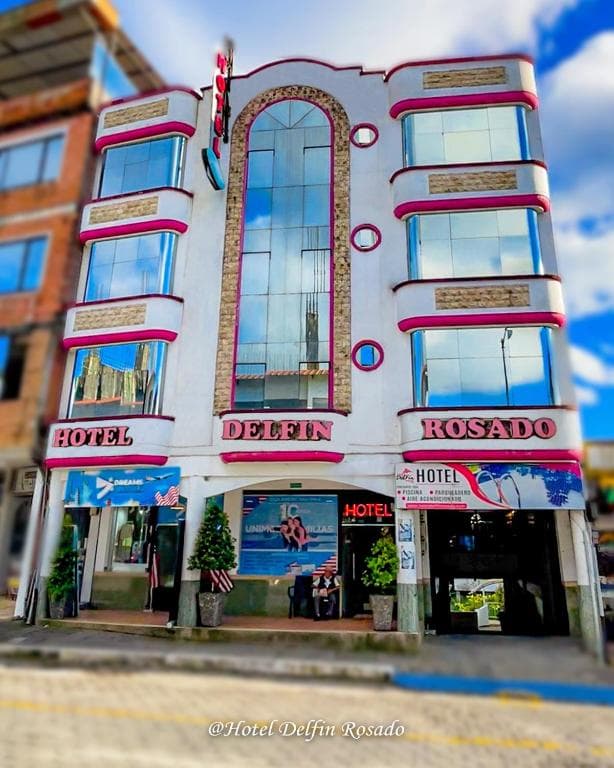
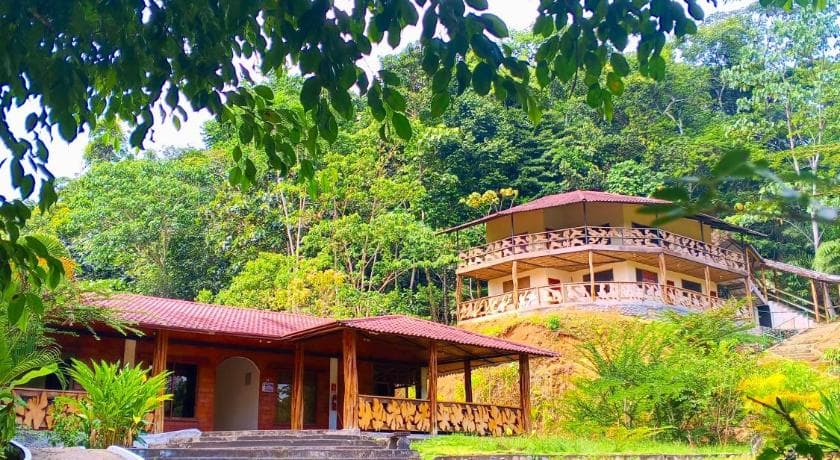
Palora does not have large international hotel chains, which keeps prices grounded. Most travelers stay in local hospedajes (guesthouses) or small family-run lodges. Rates for a basic private room with a shared bathroom generally range from $15 to $25 USD per night. If you are traveling solo or with friends, asking for a dormitorio or sharing a larger room can cut costs further.
Finca la Esperanza is a well-regarded local option that offers a more immersive experience, often including breakfast. For the ultra-budget traveler, some families in the town center may offer beds in exchange for help or a small donation, though this requires asking around in person. Always carry cash (Ecuador uses the US dollar) as credit card facilities are limited in rural areas. When booking, confirm whether hot water is included, as it is not always guaranteed in basic accommodations.
Eating Well on a Tight Budget
Food in Palora is fresh, hearty, and inexpensive. The local diet relies heavily on corn, plantains, river fish, and chicken. Avoid eating at restaurants aimed at tourists, as they are rare here, but if you find yourself in Macas before heading to Palora, stick to menú del día options. In Palora, meals at local eateries or cantinas cost between $3 and $5 USD. A typical menú includes soup, rice, plantains, a protein, and a drink.
Street food is also a viable option. Look for stalls selling empanadas de viento (fried dough pockets) or bollos (corn cakes) for under $1 each. Drinking water should be boiled or filtered; many locals drink agua purificada sold in reusable containers for a small fee. Buying a large bottle of purified water for $1 and refilling it is safer and cheaper than buying small bottles at every meal.
Free and Low-Cost Activities
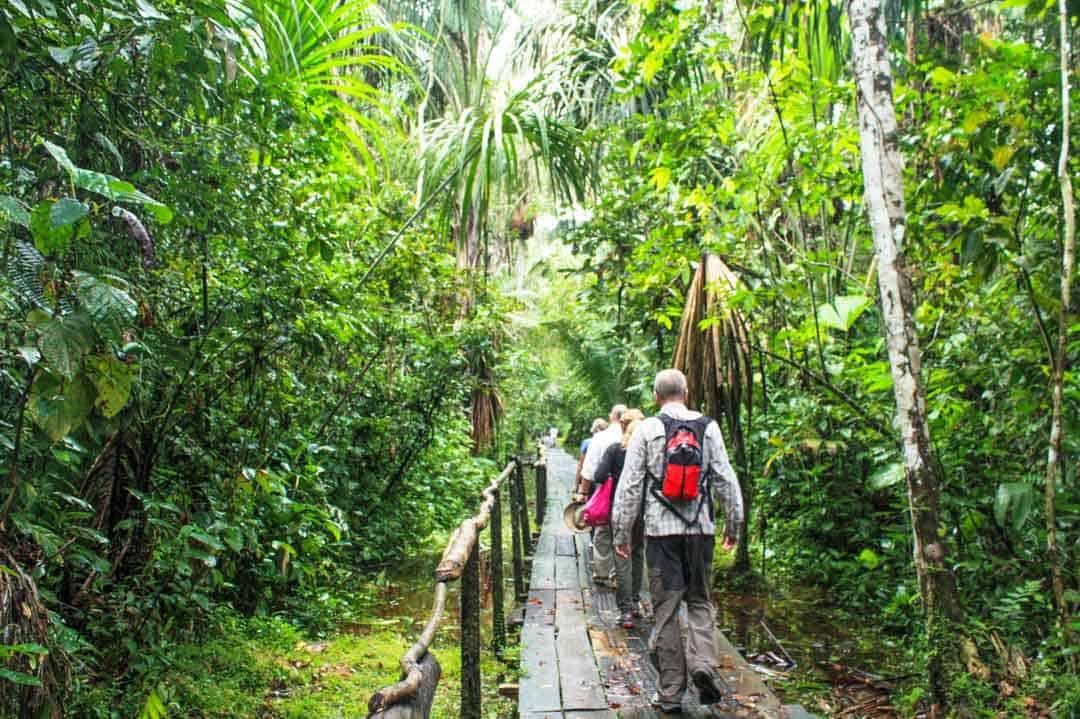
The primary appeal of Palora is its natural beauty, which is entirely free to access. The town sits along the Palora River, offering opportunities for swimming, fishing, and picnicking. The surrounding cloud forest is ideal for hiking. Trails are often unmapped, so walking with a local guide or asking residents for direction is essential. This also supports the local economy.
Visit the town center to see the main plaza and the local church. These sites offer a glimpse into the daily life and cultural heritage of the Shuar and other indigenous communities in the region. Interacting with locals is respectful and often leads to invitations for coffee or stories, enriching your trip without cost. If you have a camera, the waterfalls and misty landscapes provide stunning backdrops. Remember to pack out all trash, preserving the environment for future visitors.

Money-Saving Tips and Safety
To maximize your budget, travel light. Carrying a heavy backpack can lead to unnecessary expenses for porters or faster wear on your gear. Pack versatile clothing suitable for variable spring weather: rain jackets, sturdy hiking boots, and layers. Carry enough cash for small towns, as ATMs are scarce outside Macas.
Safety in Palora is generally good, but standard precautions apply. Keep valuables hidden, avoid walking alone at night in unfamiliar areas, and inform your accommodation of your plans if hiking. Health-wise, bring insect repellent and basic first-aid supplies. Mosquitoes are prevalent in the humid forest, and malaria prophylaxis may be recommended by your doctor. Travel insurance is non-negotiable; it protects against unexpected medical evacuations, which can be costly in remote regions.
Planning Your Itinerary
A typical budget itinerary in Palora might look like this:
- Day 1: Arrive in Macas, take the bus to Palora. Check into your hospedaje, explore the town center, and have a local menú for dinner.
- Day 2: Hike a local trail with a guide. Swim in the Palora River in the afternoon. Eat street food for lunch.
- Day 3: Visit a nearby community or waterfall. Interact with locals, practice your Spanish, and enjoy the slow pace.
- Day 4: Return to Macas for supplies or onward travel. Take a day to explore Macas’ markets and museums before heading to your next destination.
This pace allows you to absorb the atmosphere without rushing. It also minimizes transport costs by keeping you in one place for a few days. Flexibility is key in rural Ecuador; schedules change, and weather dictates movement. Embrace the unpredictability as part of the adventure.
Final Thoughts
Traveling to Palora on a budget is not about deprivation; it is about prioritizing experience over luxury. By using public transport, eating locally, and staying in modest accommodations, you can spend weeks in Ecuador without straining your finances. The connections you make with locals and the immersion in nature are priceless. Palora rewards those who are patient, respectful, and open to the simple joys of life in the cloud forest. Plan wisely, travel light, and let the rhythm of the river guide your journey.