Skip the capital's crowds. Dzuunmod offers a 43km escape into Töv Province for less than the cost of a coffee in Ulaanbaatar.
The 43-Kilometer Reality Check
The bus ticket costs 1,000 Mongolian Tugrik. That is roughly 0.30 USD. For that price, you trade the concrete sprawl of Ulaanbaatar for the flat, wind-scoured grasslands of Töv Province. Dzuunmod, the administrative seat of this central region, sits just 43 kilometers south of the capital. You are here because the modern world thins out. It is a place where the noise of the city finally drops away.
You are here because the alternative is staying in the capital, where identity is manufactured by billboards and traffic jams. Dzuunmod has a population of around 17,000 people spread over 19.18 square kilometers. It is small enough to walk, quiet enough to hear yourself think, and close enough to Ulaanbaatar that you can retreat to the city if the solitude becomes too heavy. The currency is the Tugrik, and in a town this size, cash is king. Digital payments exist in the capital, but here, your wallet's weight matters more than its connectivity.
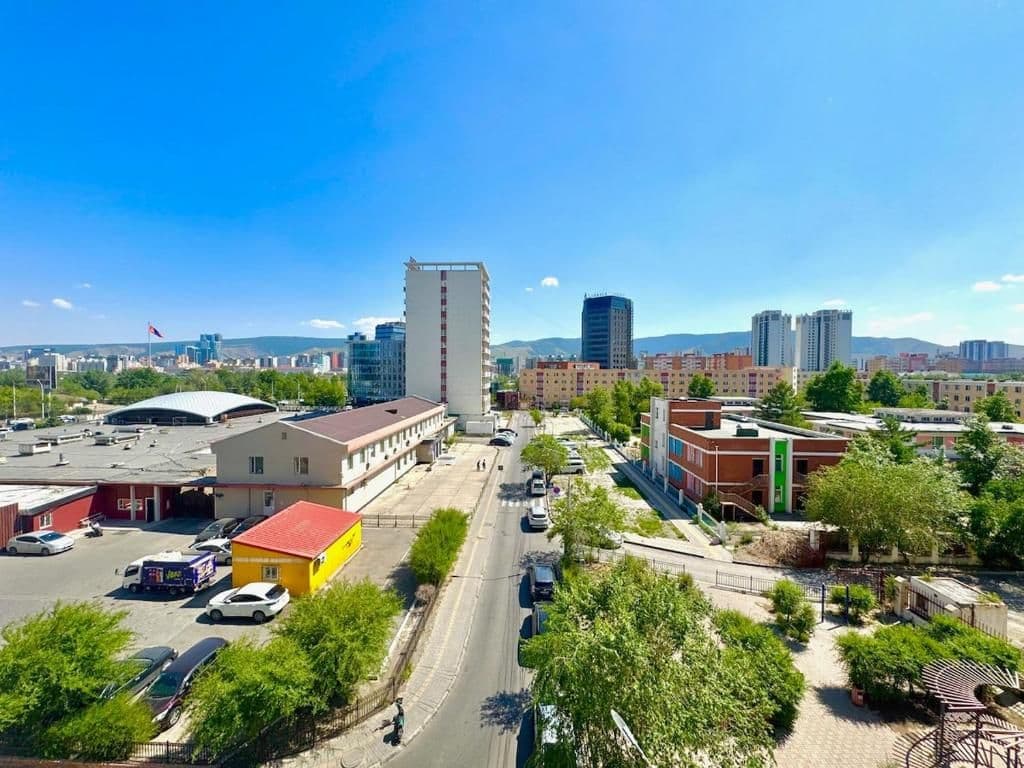
Where to Stay: The Sanitized Cage vs. The Back Alley
Lodging in Dzuunmod is a study in contrasts. What you will find are guesthouses and small hotels that serve a practical purpose: a bed, a hot shower, and a place to store your gear.
Since specific hotel names are rarely indexed in international databases for a town of this size, your strategy is location-based. Look for accommodations near the main bus terminal or the central market area. Prices typically range from 20,000 to 40,000 MNT per night for a private room, depending on the season and the quality of the heating. In autumn, heating is non-negotiable. The wind off the steppe does not care about your itinerary.
Avoid the temptation to overbook. In Dzuunmod, you do not need to reserve a month in advance unless it is a specific local holiday. Walk in. Ask. The interaction is part of the experience. You are a guest in someone's community. If the room is drafty, you move on. If the owner speaks a few words of English or Russian, you stay. Presence is the only goal.
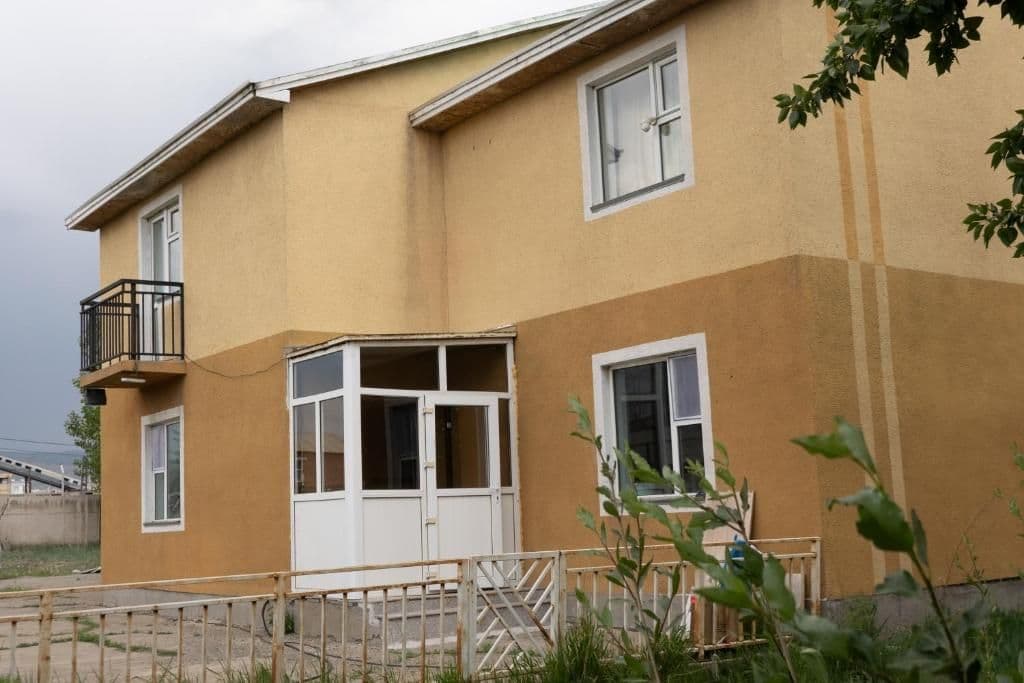
Getting Around: The Bus and The Steppe
The primary link to Dzuunmod is the public bus departing from the main bus station in Ulaanbaatar. The journey takes roughly an hour, depending on traffic and stops. The fare is fixed and cheap. This is the backbone of local transit. Do not overthink it. Buy the ticket, sit in the back, and watch the landscape shift from urban clutter to open steppe.
Once you arrive, you walk. Dzuunmod is compact. The town sits in the flat expanse of Töv Province, defined by the open horizon rather than a singular geographic anchor. To the south, the land opens up into endless grass. To the north, the road back to the capital disappears into the haze. This geography dictates the microclimate, which is why the town feels distinct from the capital even though it is so close.
There is no specific railway line serving Dzuunmod that is widely documented for tourists. The bus is your lifeline. If you miss it, you wait. There is no Uber, no taxi app. You stand on the corner, you look at the sky, and you wait. This is an inconvenience, but it also serves as a reset button.
The Ruins and The Trail
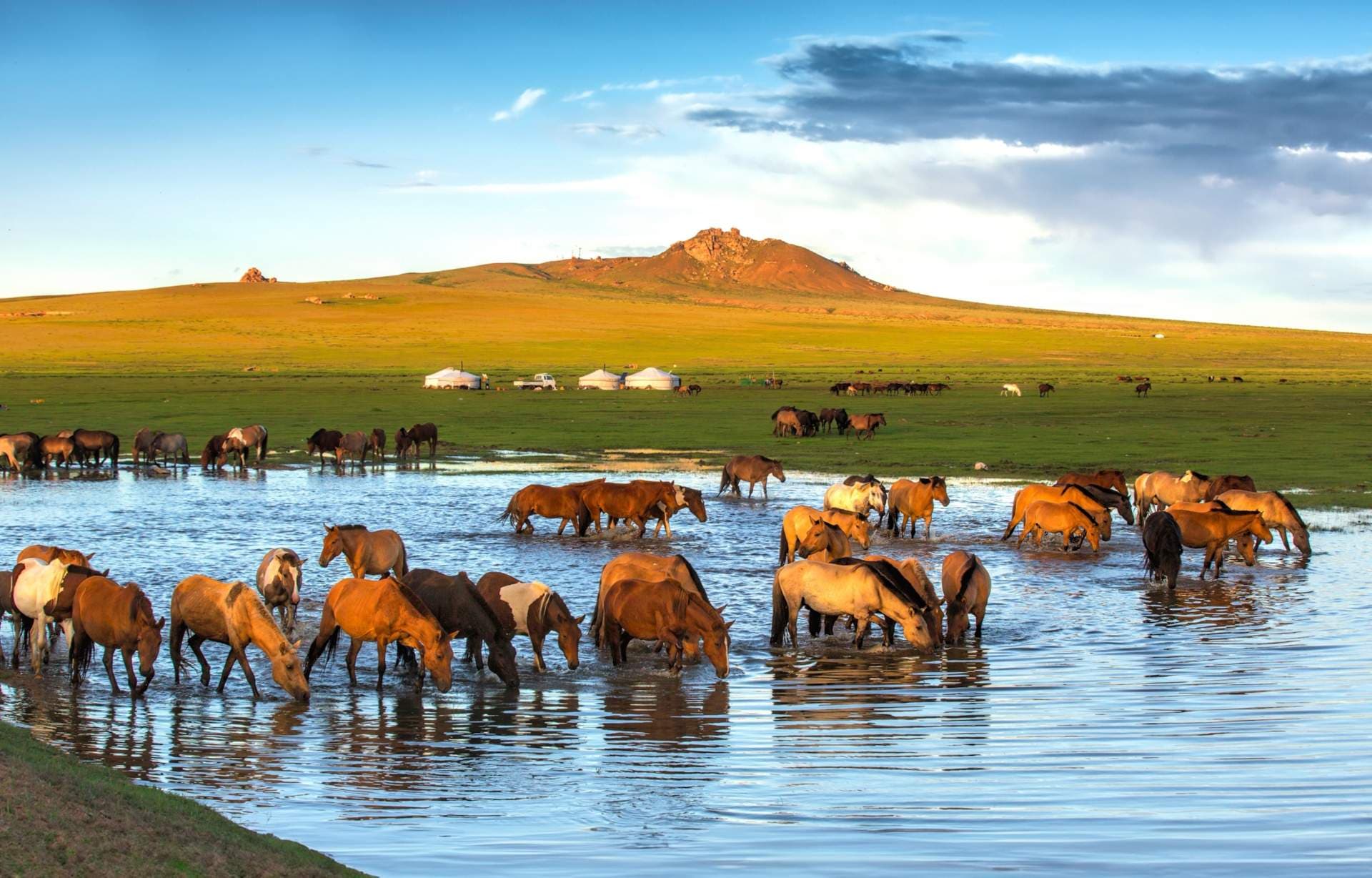
Just outside the city limits, along a hiking trail that heads toward Ulaanbaatar, lie the ruins of a destroyed Buddhist temple. This is the closest thing Dzuunmod has to a "must-see" landmark, though the term feels too heavy for the reality. The ruins are stones, wind, and silence.
Walking this trail is the best way to understand the place. The path is unpaved, likely uneven, and exposed to the elements. In autumn, the grass turns a dry, brittle gold. The air is sharp. The temple ruins offer a perspective on time that no museum can replicate. You stand among the stones and realize that what remains is enough. You need the silence.
This is the last honest corner of the region. It is just there. The hike is short, but the impact is disproportionate. You return to the town with a different weight in your chest.
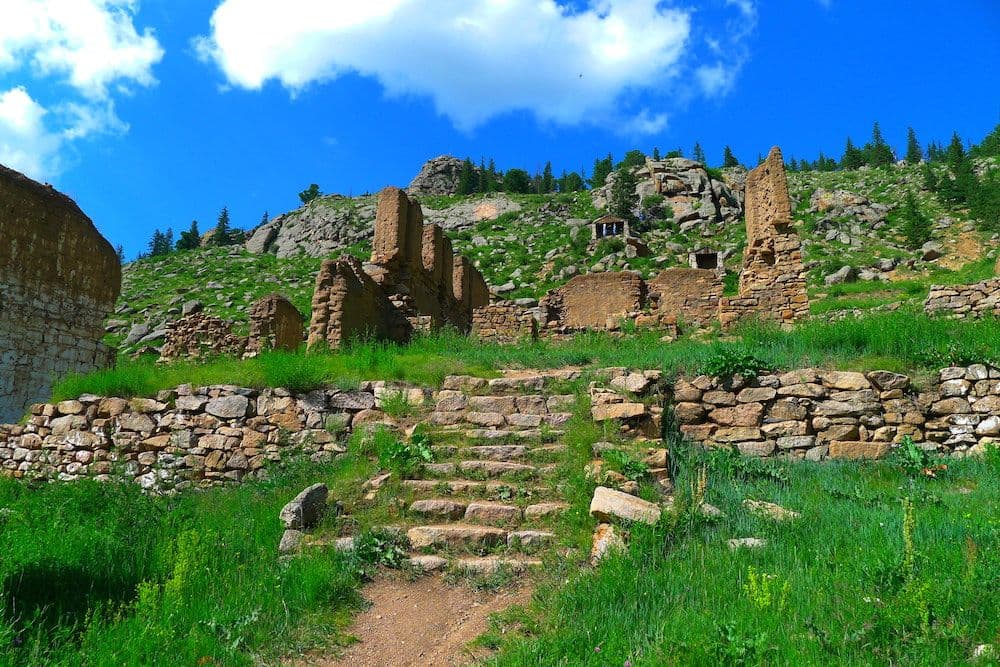
Food and The Local Rhythm
There is no confirmed "local dish" that defines Dzuunmod in the way that dumplings define Ulaanbaatar. The food scene is functional. You will eat what is available: soups, noodles, meat stews. The prices are low, but so are the expectations. Look for a warm bowl of soup at a small eatery near the market.
The rhythm of the town is slow. Shops open late, close early. The market area is the pulse of the day. Go there in the morning. Watch the transactions. Hear the language. The local dialect may differ slightly from the standard spoken in Ulaanbaatar, but it is close enough to understand the gist. You are here to observe.
When to Go and Who It's For
The best time to visit is summer, specifically June through August, with July being the peak. The climate score is high, and the grass is green. However, autumn is a viable alternative. The crowds are thinner, the light is harsher, and the silence is deeper. There are no major holidays in the next six months that will disrupt your travel, so you can go when the weather allows.
This is for slow travelers. It is for those who want to decompress. Stay for two to three days. One day is too short to feel the shift in pace. Four days is too long; you will start to feel the isolation.
FAQ
Do I need a visa to enter Dzuunmod? No. Dzuunmod is inside Mongolia. If you are a foreign national, you need a Mongolian visa to enter the country. Check the current visa requirements for your nationality before traveling to Ulaanbaatar, as you will likely enter through the capital.
Can I get cash in Dzuunmod? Yes, but ATMs are limited. It is wise to withdraw cash in Ulaanbaatar before taking the bus. Carry small denominations of Tugrik for bus fares, small meals, and tips.
Is it safe to walk at night? Generally, yes. Dzuunmod is small and quiet. However, as with any rural or provincial area, be