Skip the tourist traps. Banovići offers authentic Bosnian nature, history, and food at local prices, far from the crowds.
Banovići does not shout for attention. Tucked into the northeastern corner of the Federation of Bosnia and Herzegovina, within the Tuzla Canton, this town is defined by its industrial heritage and rugged natural surroundings rather than glossy brochures. For the budget-conscious traveler, this is an advantage. Without the premium pricing of Sarajevo or Mostar, Banovići offers a raw, unpolished look at daily life in the region. The cost of accommodation, meals, and local transport remains grounded in local reality, allowing visitors to stretch their euros further while engaging with the area’s mining history and limestone landscapes. This guide outlines how to navigate this lesser-known destination with practicality, respect, and a keen eye for value.
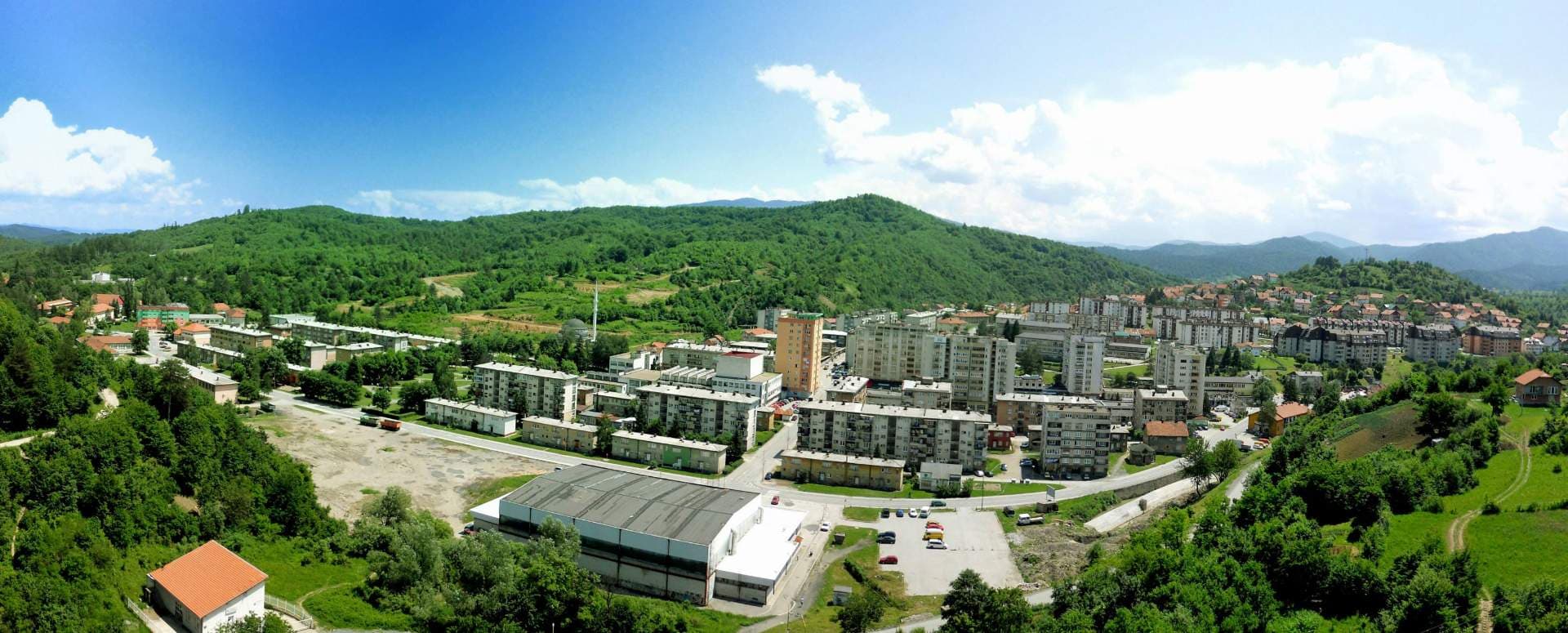
Getting Around on a Shoestring
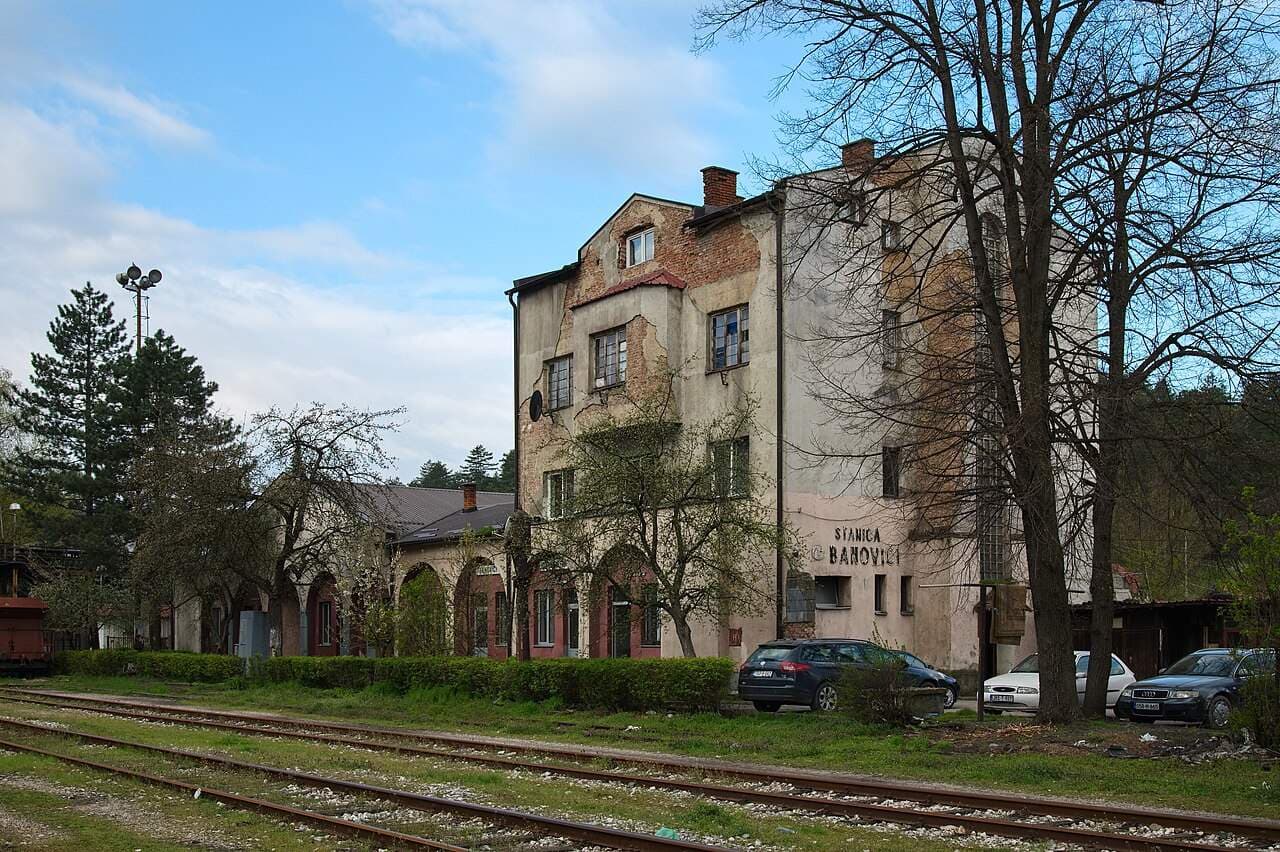
Transport in Banovići is shaped by its geography and industrial past. The town’s development was historically spurred by the railway network connecting it to the regional hub of Tuzla. While the primary rail line served as a backbone for commerce and movement, the town also features the remnants of industrial rail infrastructure. These railways were used historically for coal transport, offering a glimpse into the region’s economic engine. The heavy industry of the Banovići coalfield relied on robust rail connections to move resources, leaving behind a landscape marked by tracks and tunnels that speak to a bygone era of labor.
For the modern traveler, public rail schedules for general passenger transit can be sparse or irregular. It is essential to verify current timetables with the Railway Traffic Company of FBiH (ZFBH) before planning any rail-dependent itinerary. Often, the most cost-effective way to explore the immediate municipality is by foot or bicycle, especially given the town’s compact residential and commercial hub layout. If you require broader mobility, local minibuses (marshrute) connect Banovići to nearby towns like Tuzla or Brčko. These shared vehicles are a fraction of the cost of private taxis and offer a genuine insight into local routines. Always carry small change in convertible marks (BAM), as drivers may not have large bills to break.
Nature That Won’t Break the Bank
The primary draw for visitors to Banovići is the surrounding natural landscape. The region is dominated by karst terrain, ideal for hiking and exploration. The area offers numerous trails through forests and hills that provide a stark contrast to the industrial town center. Hikers can explore the rugged hills surrounding the municipality, where the air is crisp and the views extend over the broader Tuzla Canton.
Staying in local guesthouses or budget accommodations in the town center provides a budget-friendly alternative to hotel stays. These establishments typically offer simple, clean rooms with shared or private facilities. The food served is hearty, regional, and priced for locals. The hikes in the area vary in difficulty depending on the starting point, but the reward is panoramic views over the surrounding coalfields and valleys. It is a place to disconnect, with no Wi-Fi distractions, just the sound of wind and the crunch of gravel underfoot. The proximity to nature allows for spontaneous excursions without the need for expensive tour operators.
Subterranean Secrets and Ethno Charm
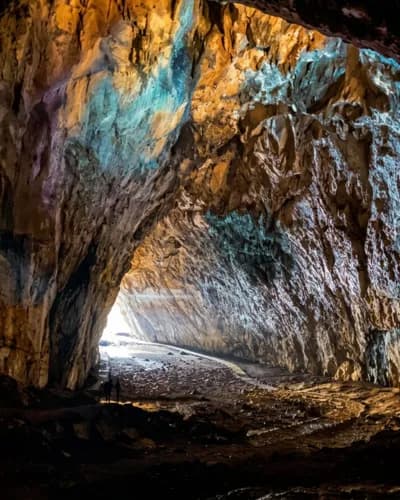
Beyond the mountains, the municipality holds geological treasures. The area is rich with karst formations, including caves and underground streams that offer a quiet, cool retreat from the summer heat. Visiting these natural sites often requires a local guide or careful navigation, which adds to the adventure. The cost is minimal, often just a small contribution to maintenance or a guide’s fee, keeping the experience authentic and affordable. These natural formations are raw and unpolished, providing a genuine glimpse into the geological history of the region without the commercial pressure of larger tourist sites.
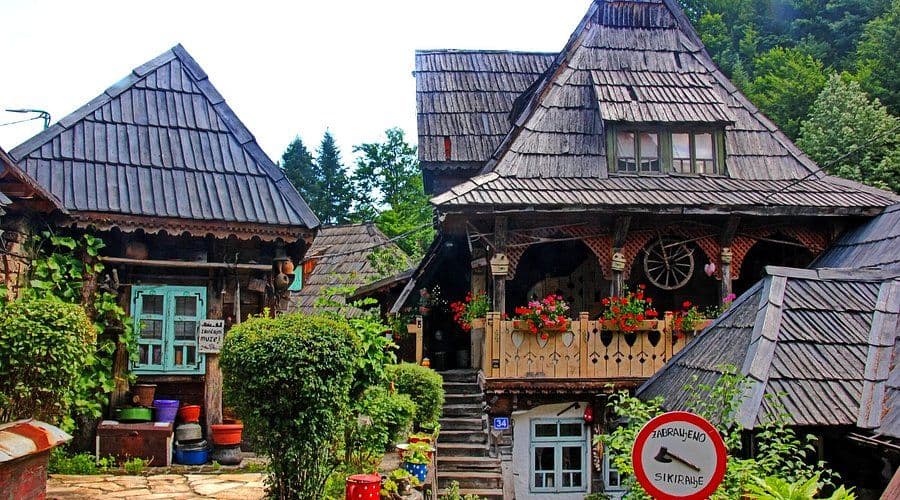
For a more structured cultural experience, local ethno establishments in Banovići are key stops. These sites are dedicated to preserving traditional architecture and lifestyle. Here, visitors can see handicrafts, antiques, and structures built in the old-fashioned way. The atmosphere is nostalgic, transporting guests back to a pre-industrial era of Bosnian life. It is an ideal spot for photography and understanding the domestic history of the region. Engaging with local artisans and learning about traditional crafts provides a deeper connection to the community, enriching the travel experience beyond mere sightseeing.
Eating Well Without Spending Much
Food in Banovići is straightforward, filling, and inexpensive. The local cuisine is rooted in traditional Bosnian methods, focusing on meats, dough, and seasonal vegetables. At local ethno establishments, you can sample these dishes prepared in the old-fashioned way, often using wood-fired ovens or traditional copper pots.
Expect to find staples like Ćevapi (grilled minced meat sausages), Burek (flaky pastry filled with meat, cheese, or spinach), and Dolma (stuffed grape leaves or vegetables). These dishes are prepared with local ingredients and a lack of pretension. A meal at a local ethno establishment or a small town café will typically cost significantly less than in tourist-heavy areas. A full meal with a drink might run you around 10–15 BAM, allowing for multiple days of dining out on a tight budget. Avoid restaurants with picture menus aimed at foreigners; stick to places where the clientele is local. The language barrier is minimal if you point to what others are eating, and the hospitality is genuine.
Practical Tips for the Budget Traveler
Money: The official currency is the Bosnian Convertible Mark (BAM). Euros are widely accepted in larger towns but may not be in smaller villages or rural establishments. Always carry BAM for small purchases. ATMs are available in the town center, but fees can apply for foreign cards.
When to Go: Spring through autumn is the ideal window. Summer offers warm days for hiking, while autumn provides cooler temperatures and vibrant foliage. Winter can be harsh, with snow blocking some rural access roads to natural sites.
Holidays: Be aware of local holidays which may affect opening hours. Catholic Christmas Day is on December 25, 2026. New Year's Day falls on January 1 and 2, 2027, followed by Orthodox Christmas Day on January 7, 2027. During these periods, some small businesses may close, but public transport usually runs on reduced schedules.
Who It’s For: This destination suits solo travelers, hikers, and those interested in industrial heritage and geology. It is not ideal for luxury seekers or those requiring extensive nightlife. Families with older children may enjoy the cave exploration and hiking, but the infrastructure is not tailored for young toddlers.
Stay: Accommodation options are limited. Local guesthouses in the town center are the primary noted options for overnight stays. For more standard lodging, check local guesthouses, but expect basic amenities. Booking in advance is not always necessary, but calling ahead is courteous and ensures availability.
FAQ
Is Banovići safe for solo travelers? Yes, it is generally safe. Like any small town, standard precautions apply: keep valuables secure and be aware of your surroundings at night. The local community is accustomed to visitors, particularly those interested in nature.
Do I need a visa? Citizens of the EU, US, UK, and many other countries do not need a visa for short stays in Bosnia and Herzegovina. Check the latest entry requirements for your specific nationality before travel.
What language is spoken? Bosnian is the primary language. English is spoken by younger people and in tourism-related roles, but proficiency varies. Learning basic greetings in Bosnian is appreciated and can help in rural areas.