Escape the coastal heat in Ta’if’s mountain air. Boutique stays here offer rose-scented terraces, valley views, and a slow pace in Saudi Arabia’s highland retreat.
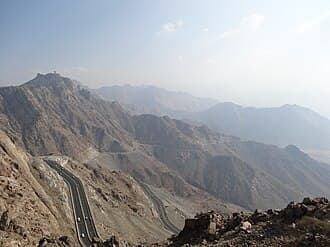
Ta’if does not shout; it exhales. At 1,900 meters above sea level, the air is thinner, cooler, and carries the faint, sweet perfume of rosewater that has defined this region for centuries. While Jeddah bakes under the summer sun, Ta’if offers a respite in the shadows of the Sarawat Mountains. For the modern traveler, the draw is not just the climate, but the texture of the stay. Boutique hotels here are not merely places to sleep; they are gateways to a landscape of terraced farms, ancient stone architecture, and a culinary identity built on strawberries and roses. This is a destination for those who want to trade the frantic pace of the city for the quiet rhythm of the highlands.
The Landscape of Ta’if
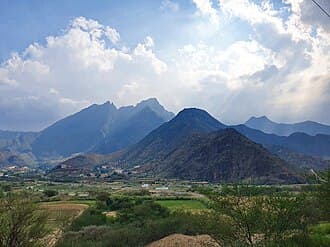
The geography of Ta’if dictates the experience. The city is nestled in a valley surrounded by steep, green slopes that rise sharply from the urban sprawl. To the southwest, Al Shafa Mountain looms, a prominent peak in the Sarawat range that offers both dramatic views and accessible nature trails. Located approximately 30 kilometers from the city center, Al Shafa is more than a backdrop; it is an active part of the local itinerary, featuring valleys and orchards that invite exploration.
Closer to the urban core, the historic Shubra Palace stands as a testament to the region’s architectural heritage. Once a royal residence, it now serves as a cultural anchor, its stone walls and traditional design reflecting the building styles that have evolved in the highlands over generations. For a more leisurely perspective, Al Rudaf Park provides a green space where locals gather, offering a glimpse into daily life away from the tourist trail. The roads that wind up to these areas, particularly the scenic Al-Hada Road, are part of the journey itself, revealing patchwork fields of strawberries and rose bushes that cling to the hillsides.
Where to Stay
The boutique hotel scene in Ta’if is defined by its integration with the natural environment. Properties here tend to prioritize views, local materials, and a sense of seclusion over urban convenience. Three notable options illustrate the range of experiences available.
Iklil Al-Jabal Resorts Located in the highlands, Iklil Al-Jabal (which translates to "Crown of the Mountain") emphasizes its elevation and views. The resort style is often spread out, allowing for private terraces that overlook the surrounding valleys. It is a choice for those seeking space and a direct connection to the mountain air. Prices vary by season but typically reflect the premium of the highland location.
Beit Al-Ward True to its name, "House of the Rose," Beit Al-Ward often incorporates the region’s most famous crop into its aesthetic. Guests can expect interiors that may feature rose motifs or aromatherapy elements, tying the stay directly to Ta’if’s agricultural identity. This property is ideal for travelers who want a sensory experience that goes beyond the visual, immersing themselves in the scent and culture of the rose harvest.
Reef Jabal Dakka "Reef" implies rock, and Jabal Dakka suggests a specific mountainous location. This boutique option likely focuses on the rugged beauty of the terrain, possibly offering stone-built structures that blend into the landscape. It appeals to the traveler interested in architectural authenticity and a more grounded, earthy aesthetic.
Getting Around
Transport in Ta’if requires a shift in mindset. There is no direct high-speed rail station within the city itself. The Haramain High Speed Railway serves the broader Makkah Province, connecting major hubs like Jeddah and Riyadh, but Ta’if remains primarily accessible by road. Most visitors drive from Jeddah, a journey that takes roughly two to three hours depending on traffic and the route taken. The drive up the Al-Hada Road is scenic but involves winding mountain passes that require careful navigation.
Once in Ta’if, renting a car is the most practical option for exploring the surrounding attractions like Al Shafa Mountain and the Rose Valleys. Public transport options are limited for tourists, and taxi services may not always be available for spontaneous trips to remote orchards or mountain trails. Planning your route ahead of time is essential, as mobile signal can be spotty in the deeper valleys.
Local Flavors: Roses and Strawberries
You cannot talk about Ta’if without talking about its two agricultural icons: roses and strawberries. Ta’if is known as the "City of Roses," and the quality of its roses is distinct from those grown elsewhere in the world. The high altitude and cool climate produce blooms with a heavier, more fragrant oil. This is distilled into rose water, a staple in Saudi cuisine and perfumery. When visiting, look for local shops that offer fresh rose water and rose-based products, from sweets to skincare. These are not just souvenirs; they are daily necessities in local households.
Strawberries are the other pillar of Ta’if’s produce. The city’s strawberry farms are famous across the region, and the fruit is sweeter and larger than varieties grown in lower altitudes. During the harvest season, which peaks in winter but extends into spring, visitors can tour these farms, pick their own fruit, and enjoy fresh strawberry desserts at local cafes. It is a simple, sensory experience that connects the traveler directly to the land.
Practical Tips & When to Go
Ta’if’s climate is its greatest asset. In the summer, while much of Saudi Arabia experiences extreme heat, Ta’if enjoys moderate temperatures, making it a popular retreat for residents of coastal cities. Winter brings cooler nights, perfect for stargazing and hiking. The best time to visit for rose harvesting is typically between December and February, while strawberry picking is best in the winter months.
Holidays to Note:
- National Day Holiday (September 23, 2026): This major national holiday will likely see an influx of domestic tourists. Book accommodation and car rentals well in advance if traveling during this period. Expect higher prices and busier attractions.
For Whom: Ta’if is ideal for families seeking a safe, nature-focused getaway, couples looking for a quiet romantic escape, and solo travelers interested in photography and culture. It is not a nightlife destination; it is a place for slowing down.
FAQ:
- Do I need a visa? Yes, most international visitors require a visa to enter Saudi Arabia. Check the latest e-visa or visa-on-arrival eligibility based on your nationality.
- Is Ta’if safe? Yes, Ta’if is considered very safe, with low crime rates and a welcoming attitude toward tourists.
- What currency is used? The Saudi Riyal (SAR). Credit cards are widely accepted in hotels and larger restaurants, but cash is useful for small purchases in markets and farms.